The Great Chinese Beauty
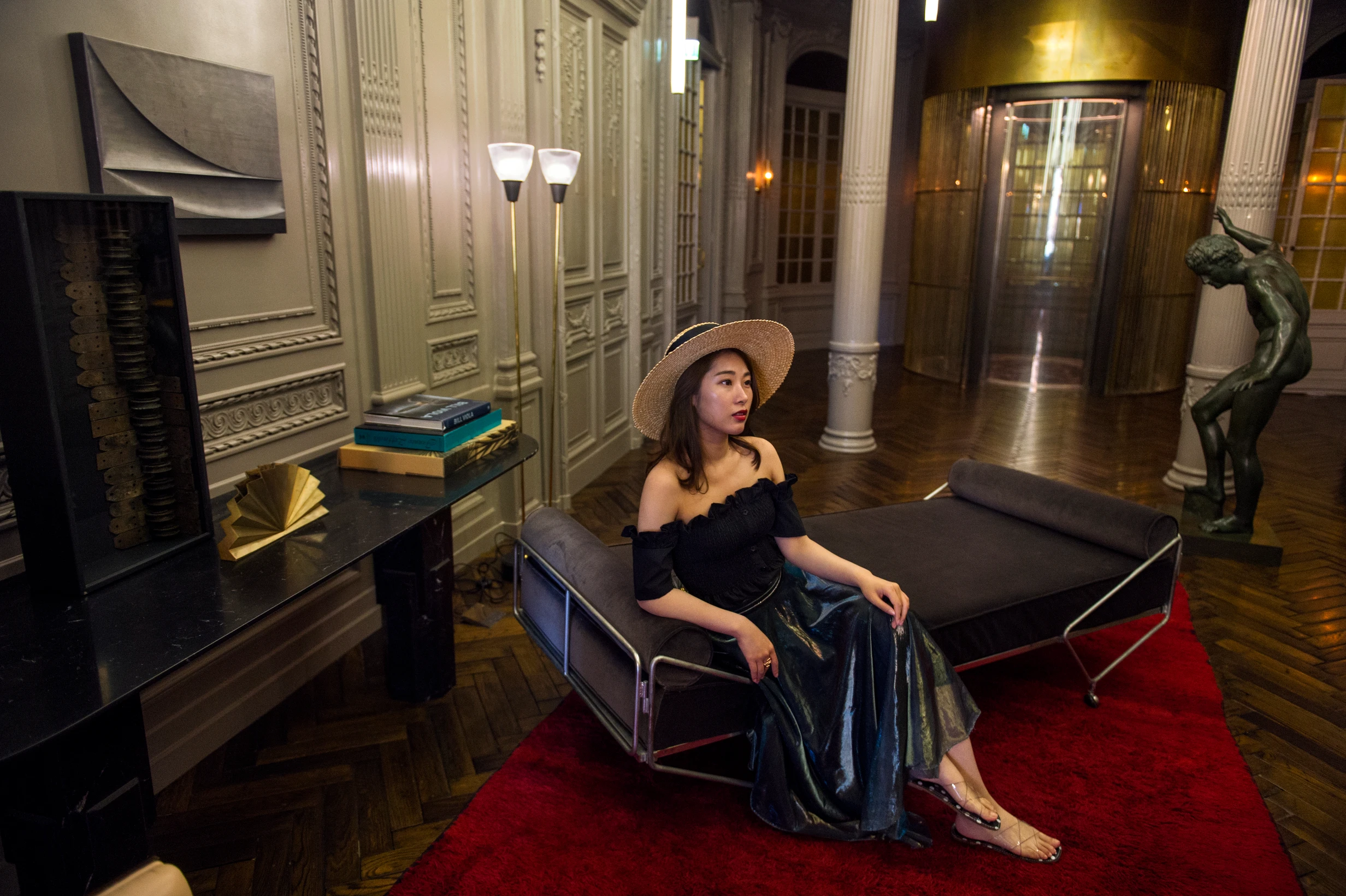
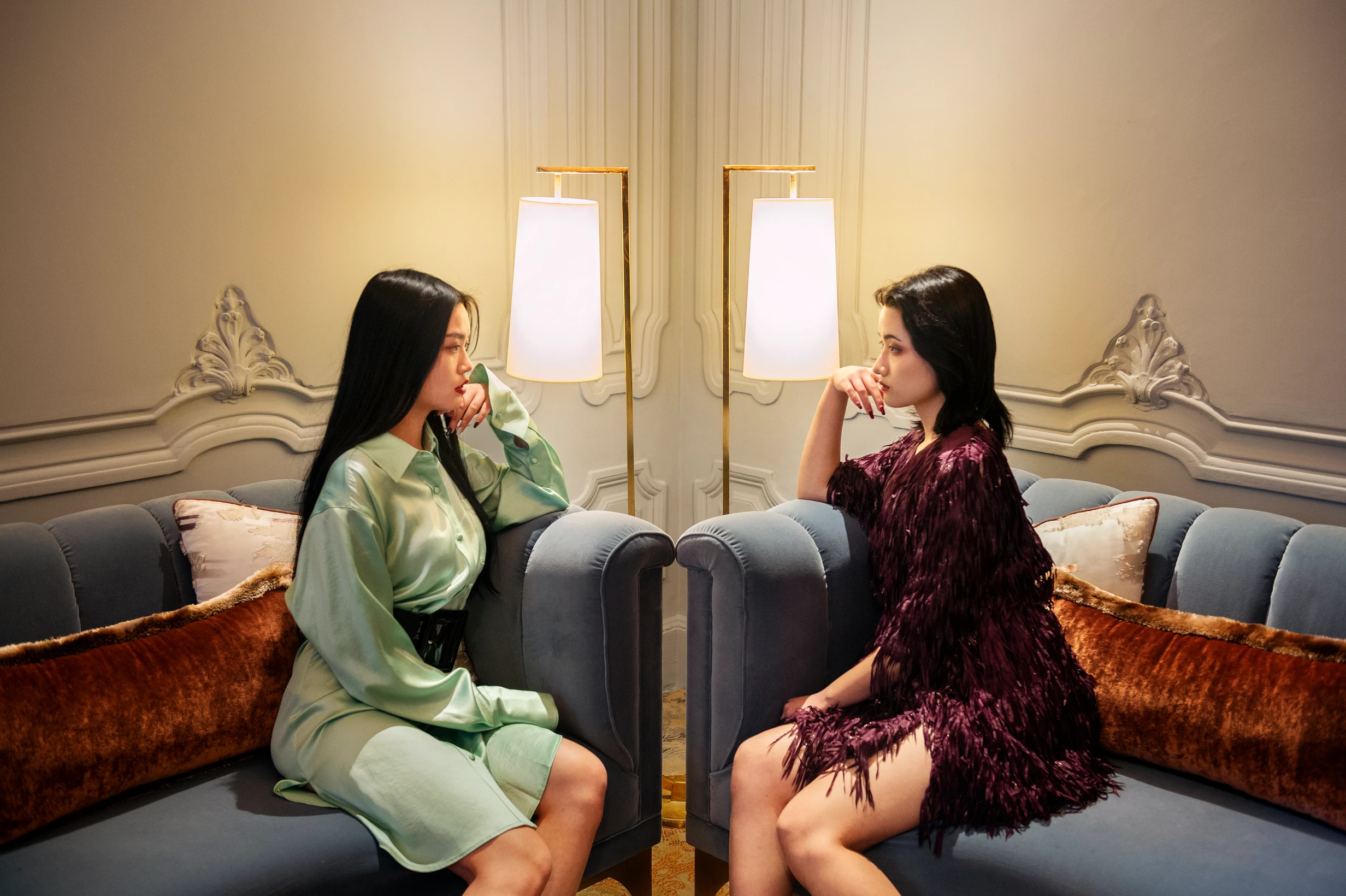
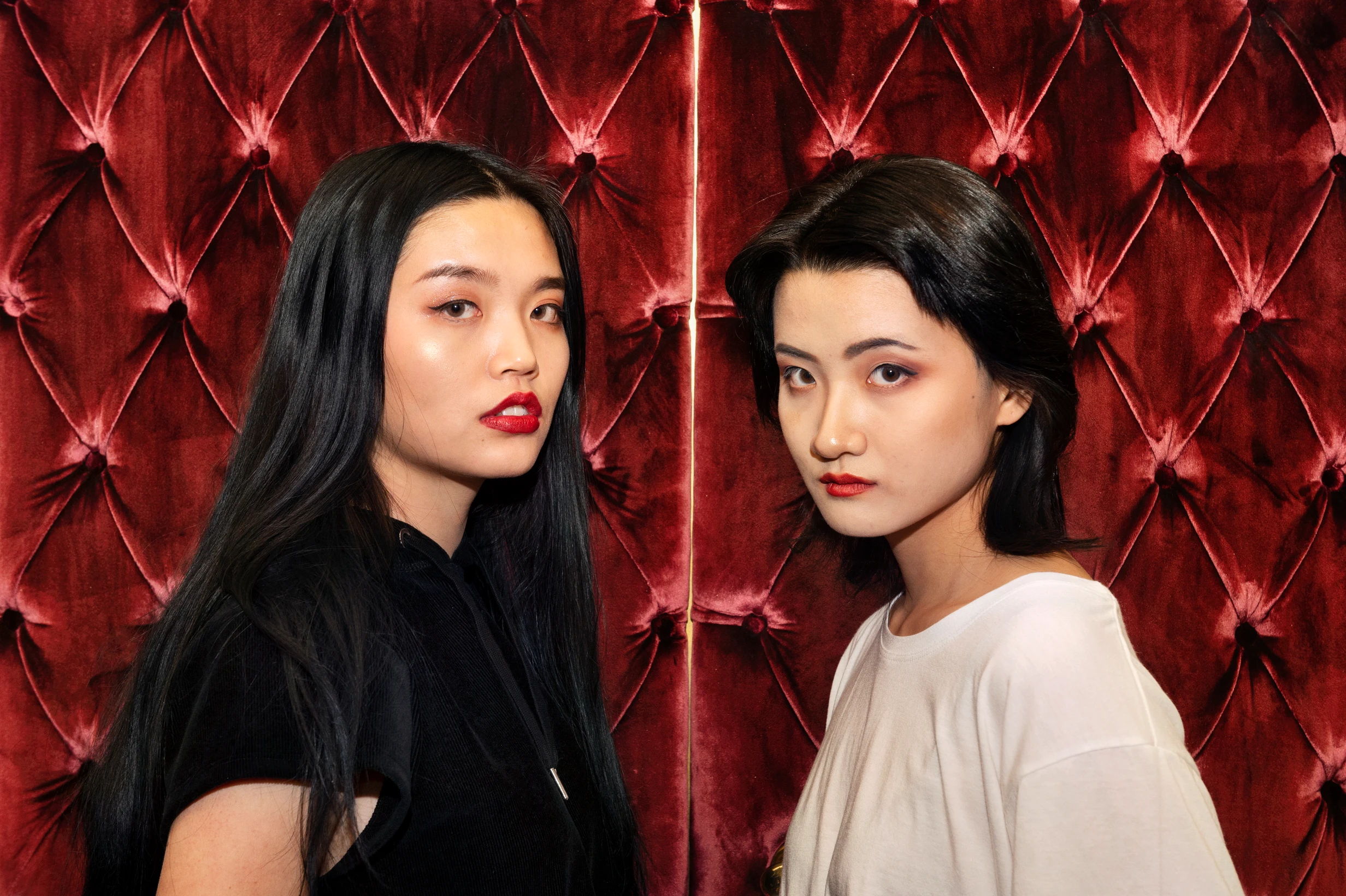
The global balance of influence has shifted, reshaping old assumptions about power, culture, and consumption. No longer defined by a purely Western perspective, today’s world is increasingly multipolar, with China playing a central role not only in industry and innovation, but in the cultural imagination of global luxury.
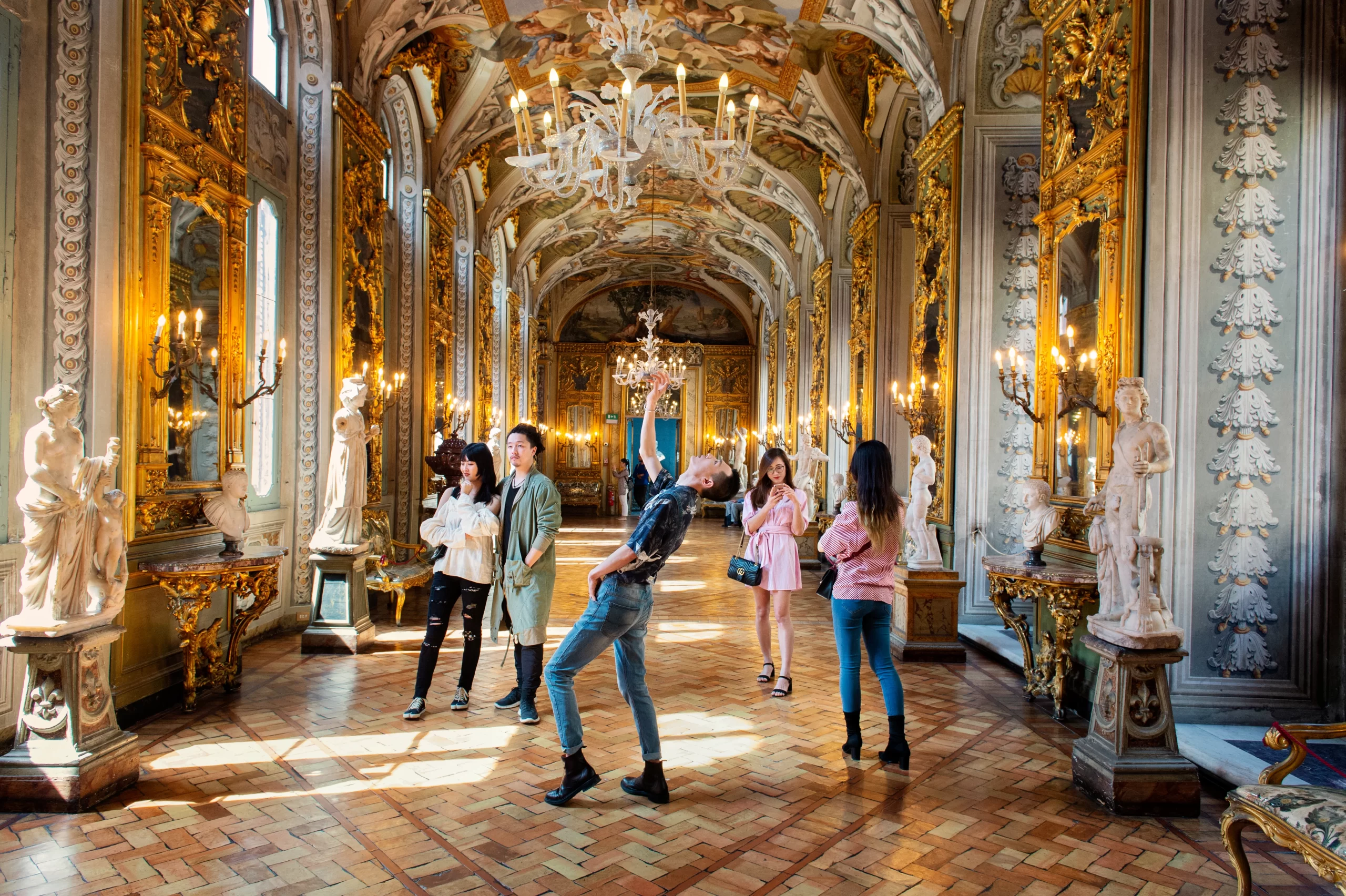
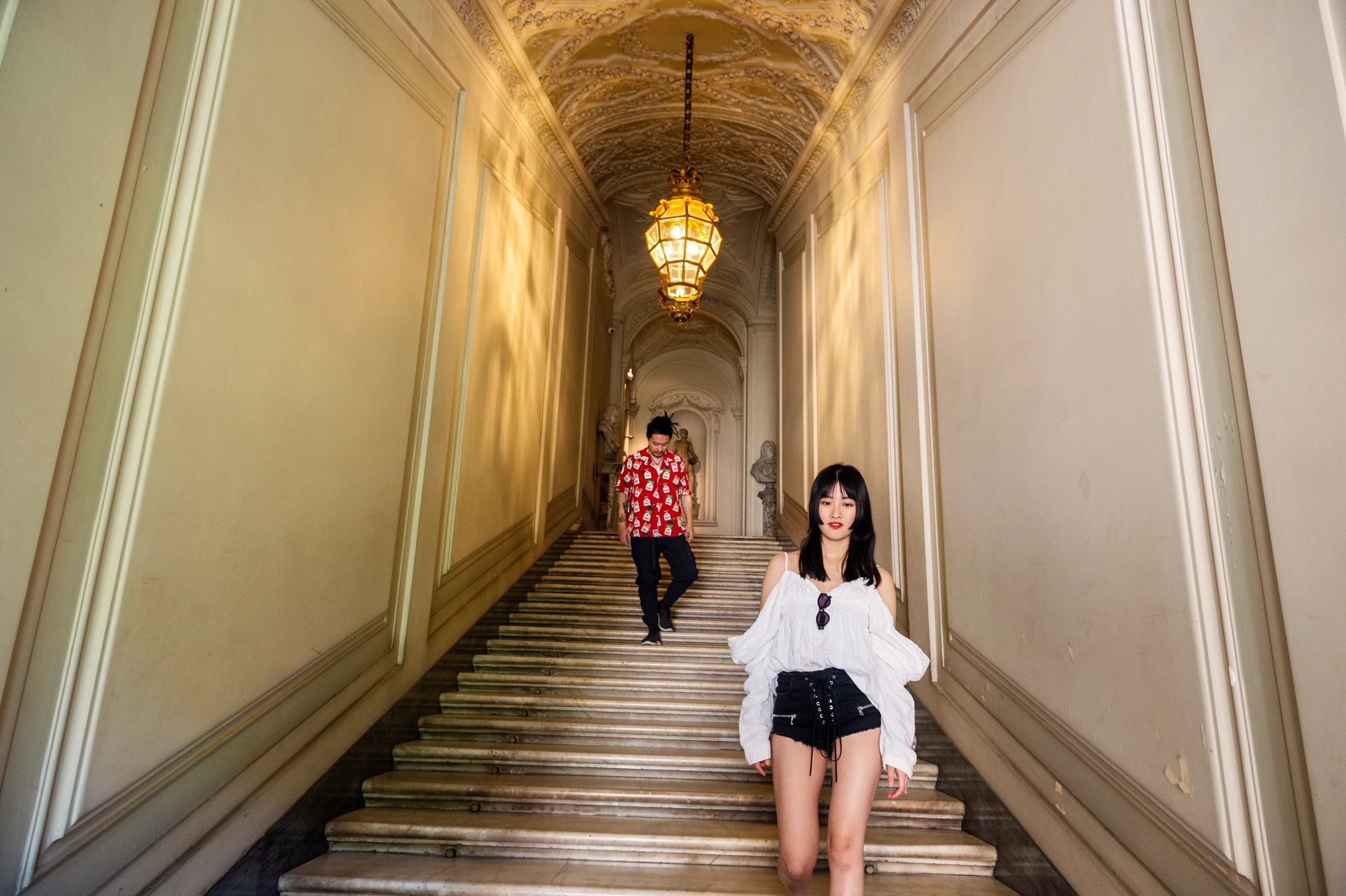
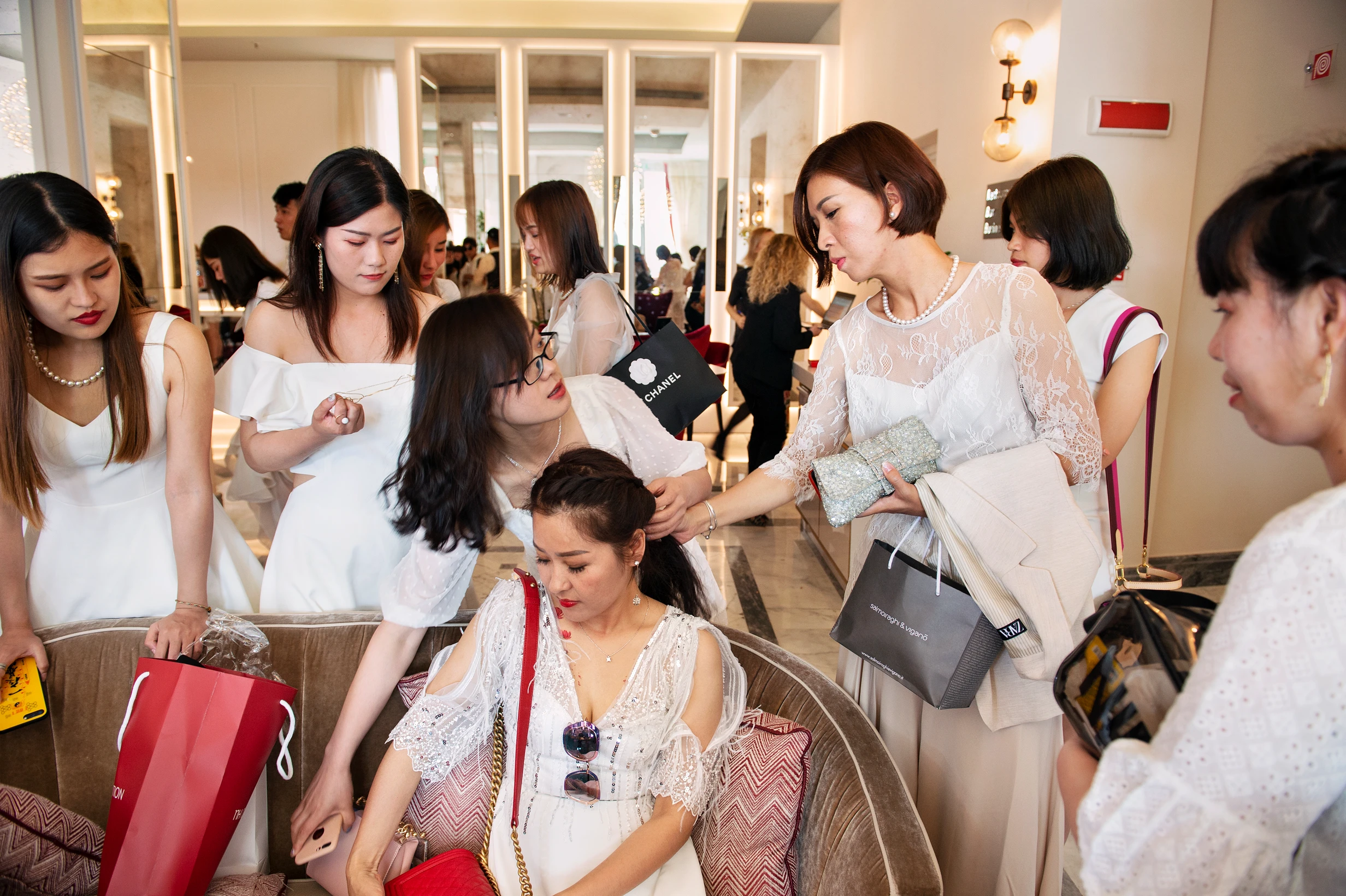
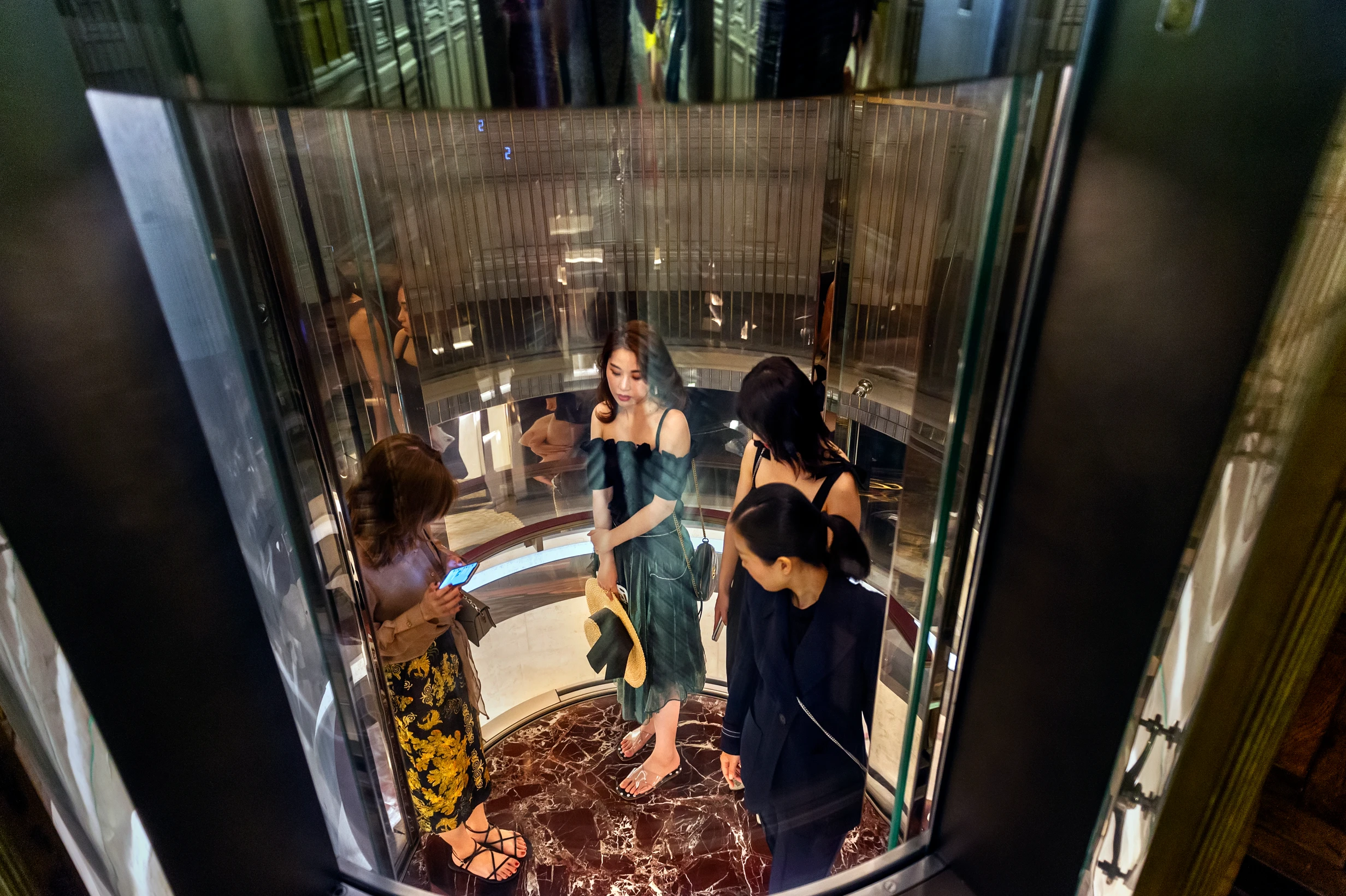
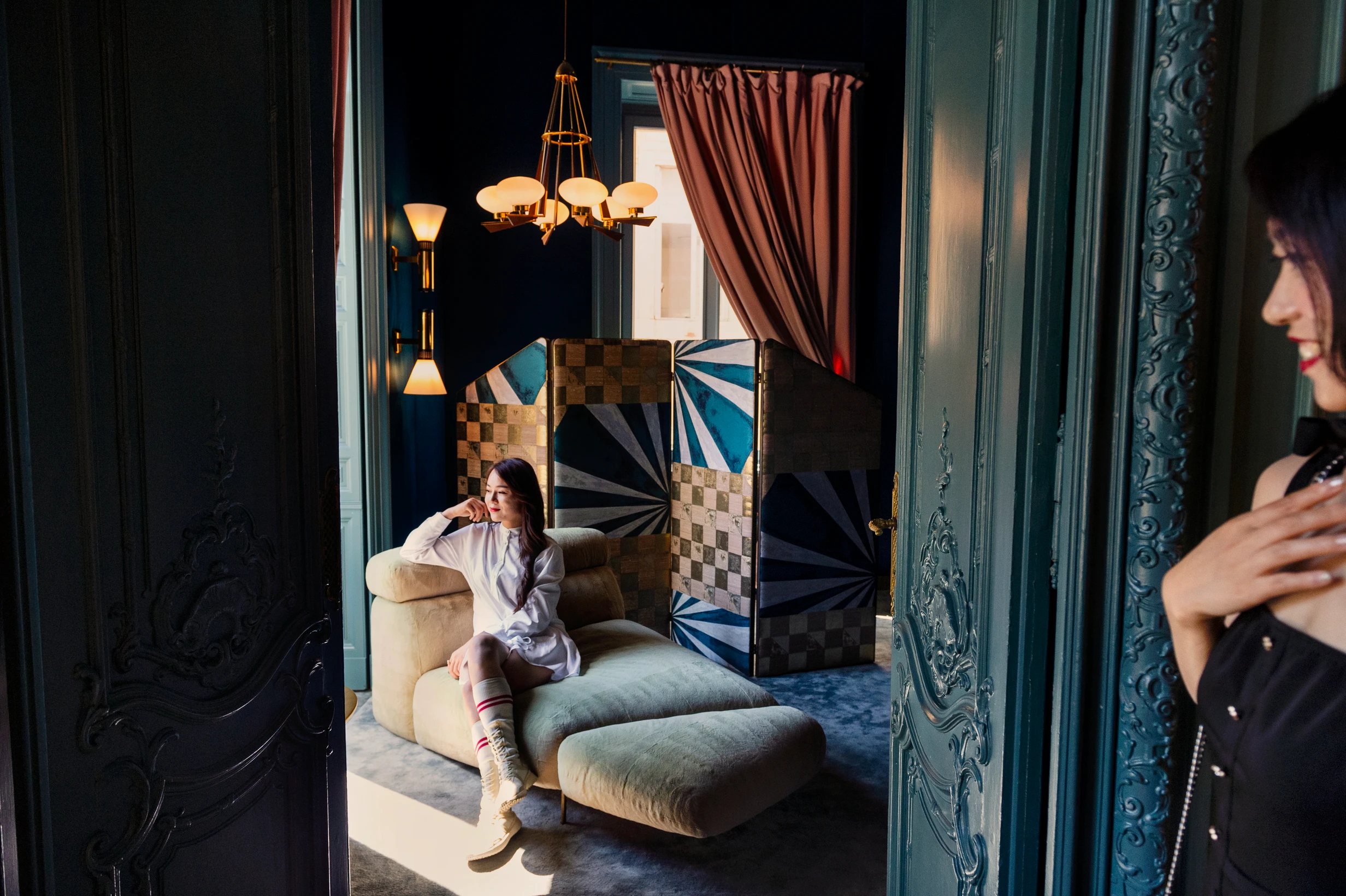
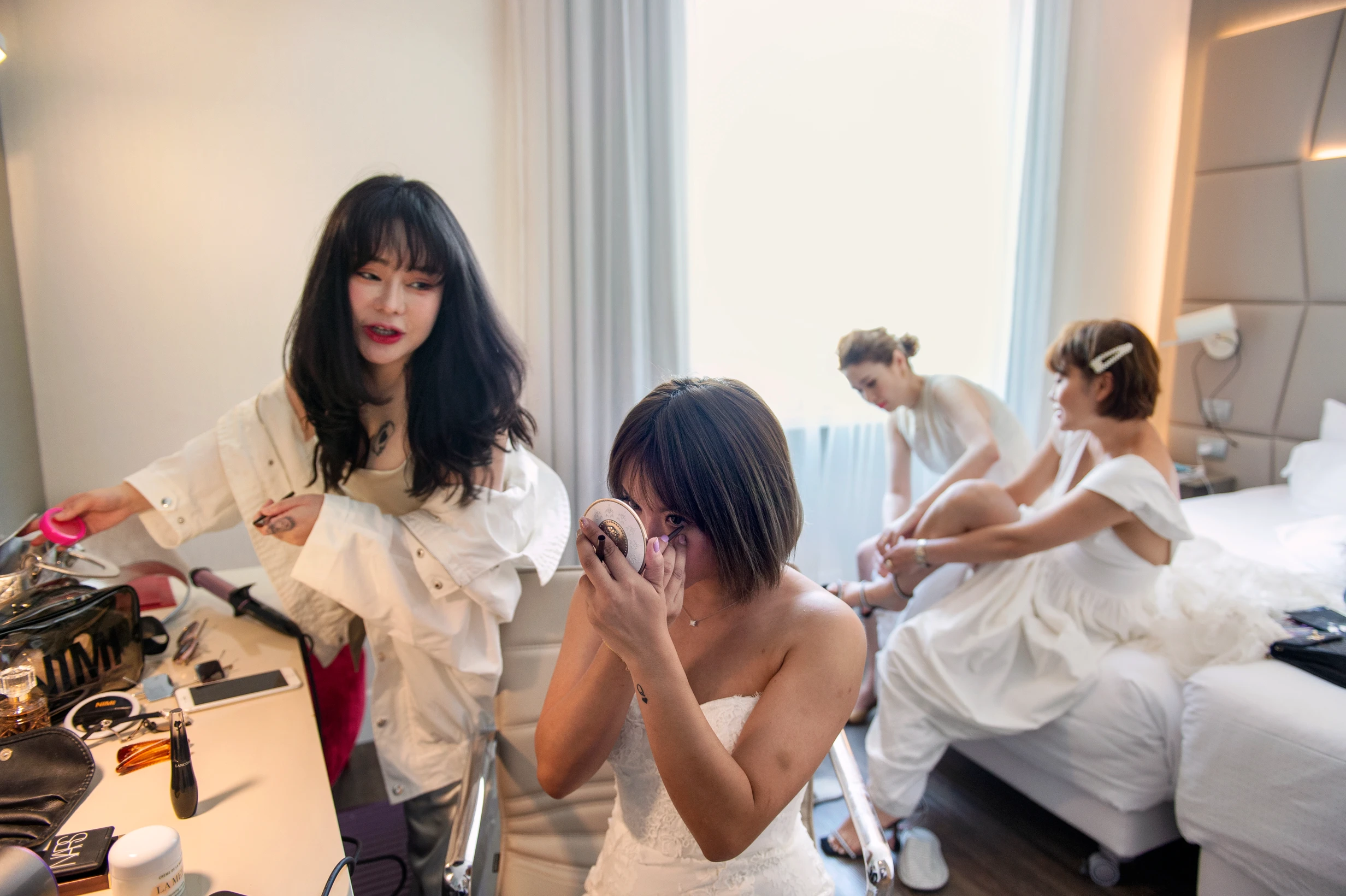
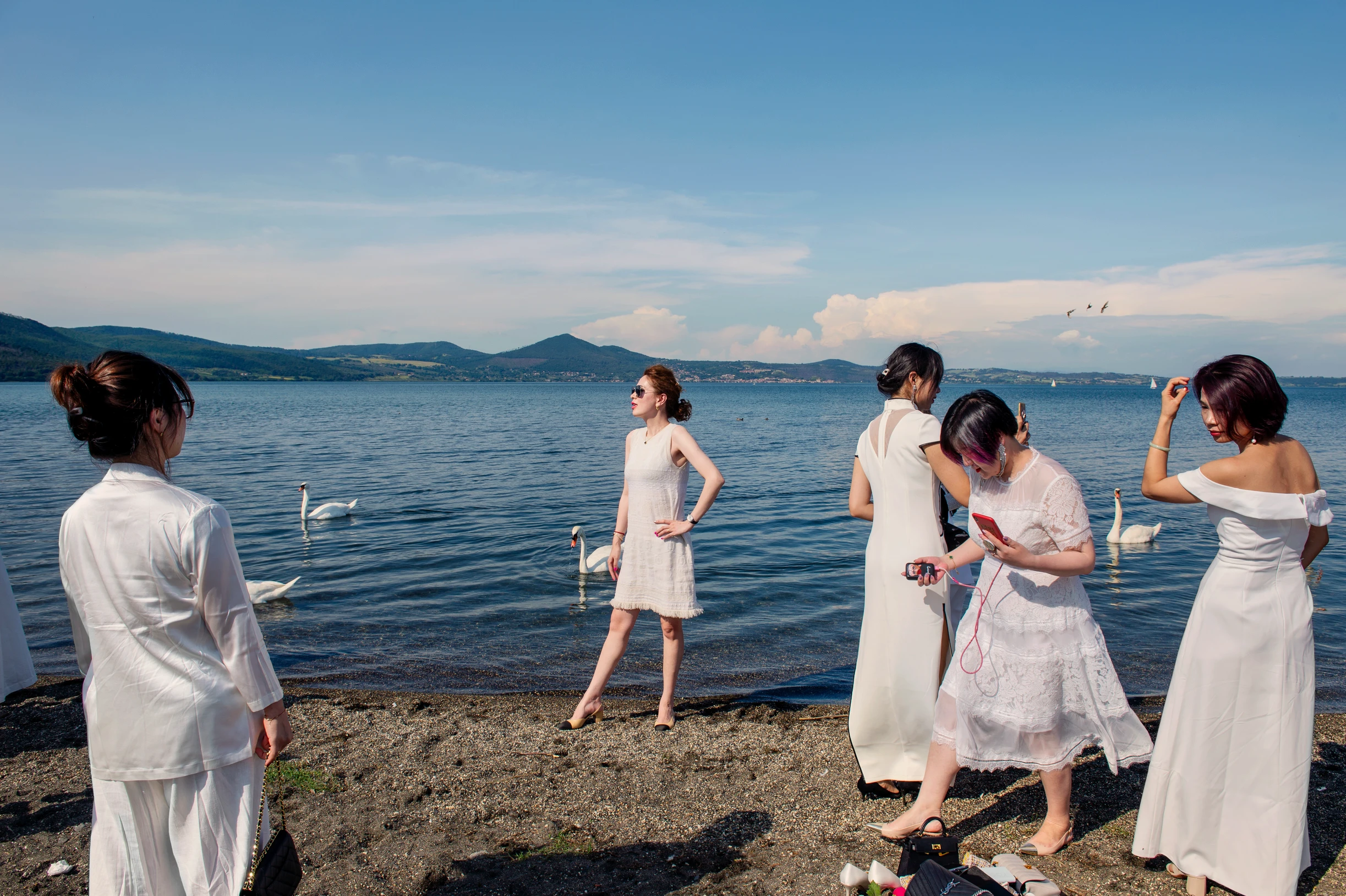
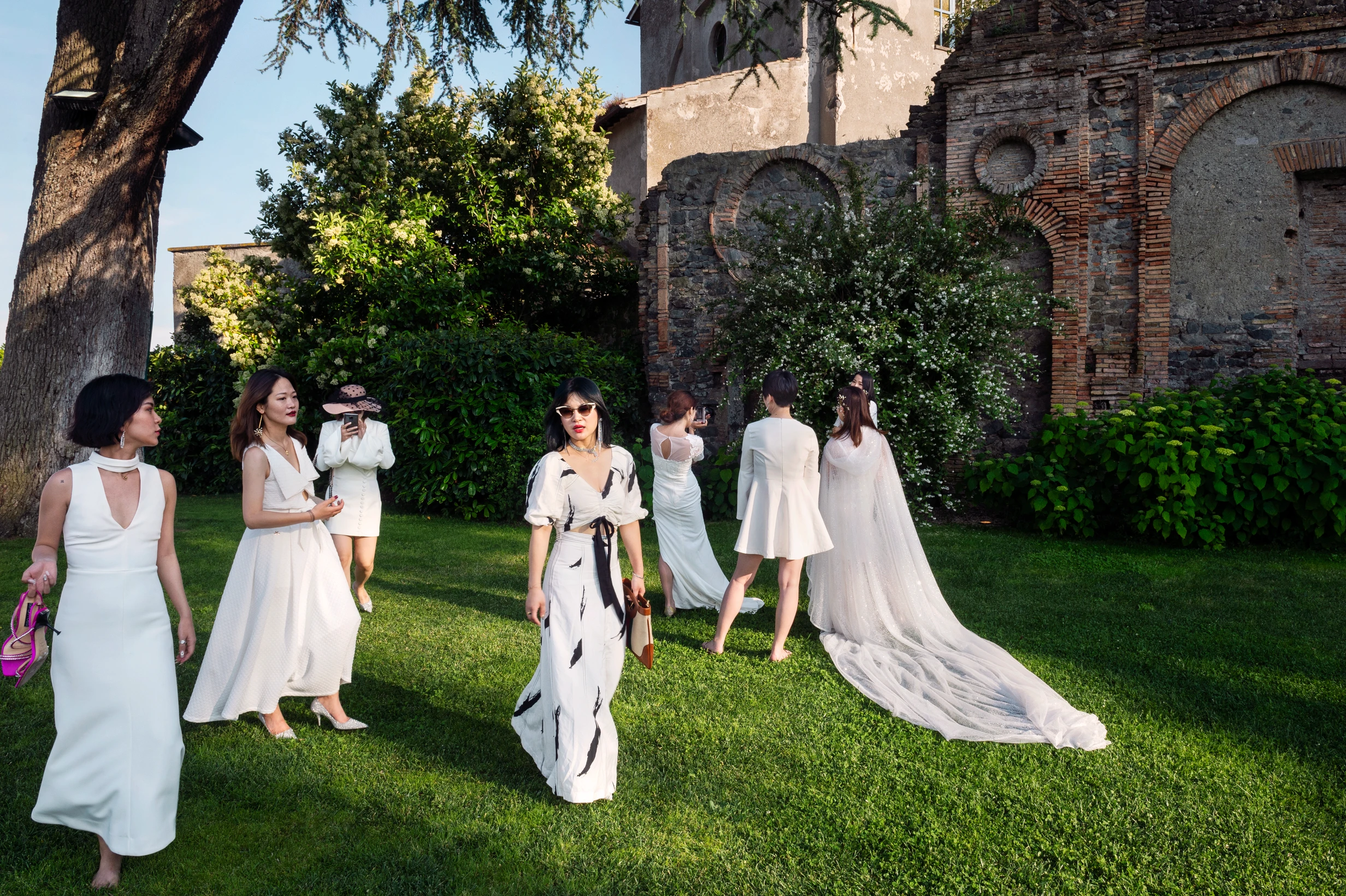
Chinese travelers arriving in Italy are often associated with a deep fascination for Made in Italy, but this attraction can no longer be reduced to simple status-driven consumption. It reflects something more layered: a search for excellence, heritage, craftsmanship, and participation in a cultural narrative that Italy has embodied for centuries.
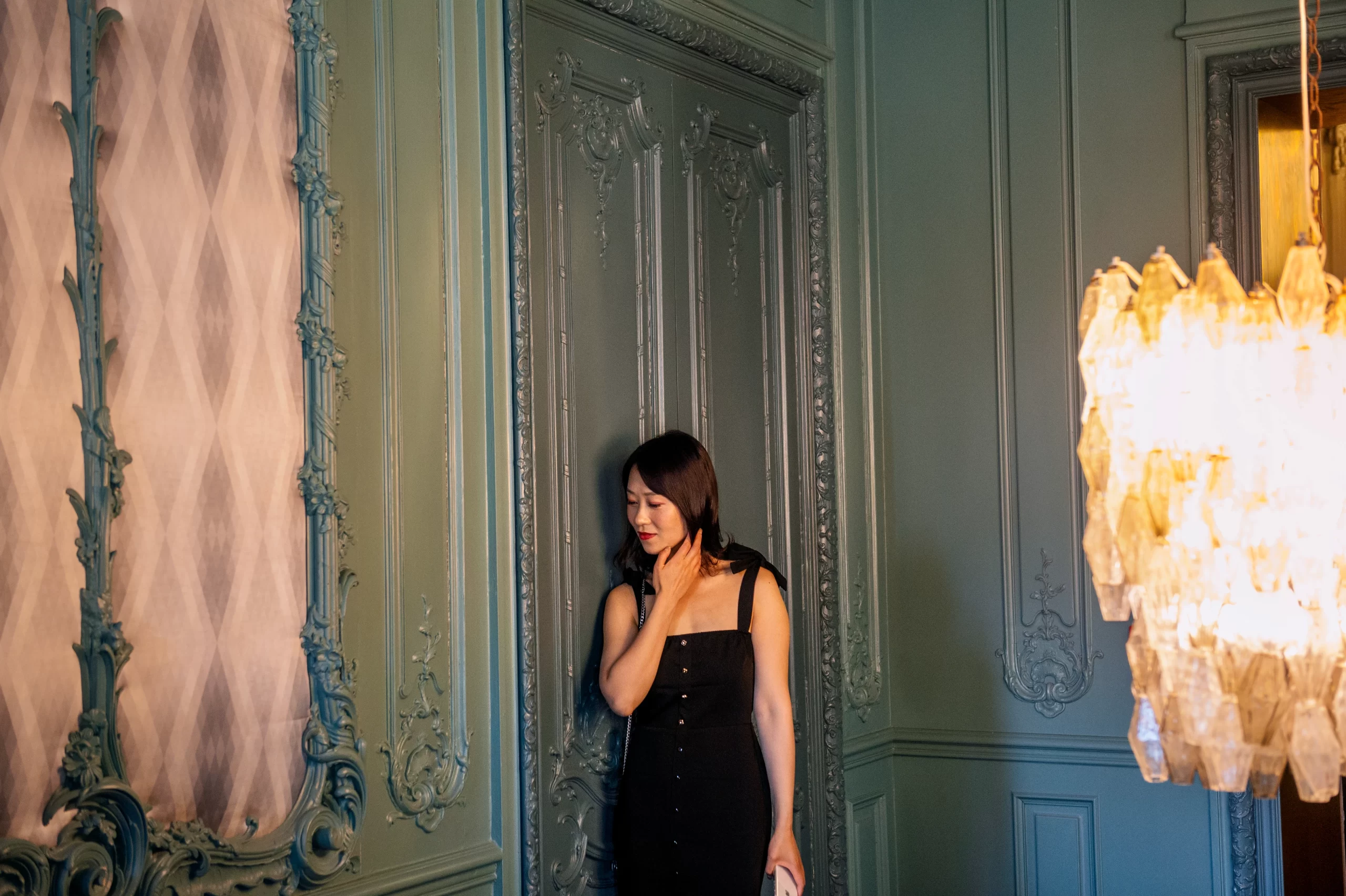
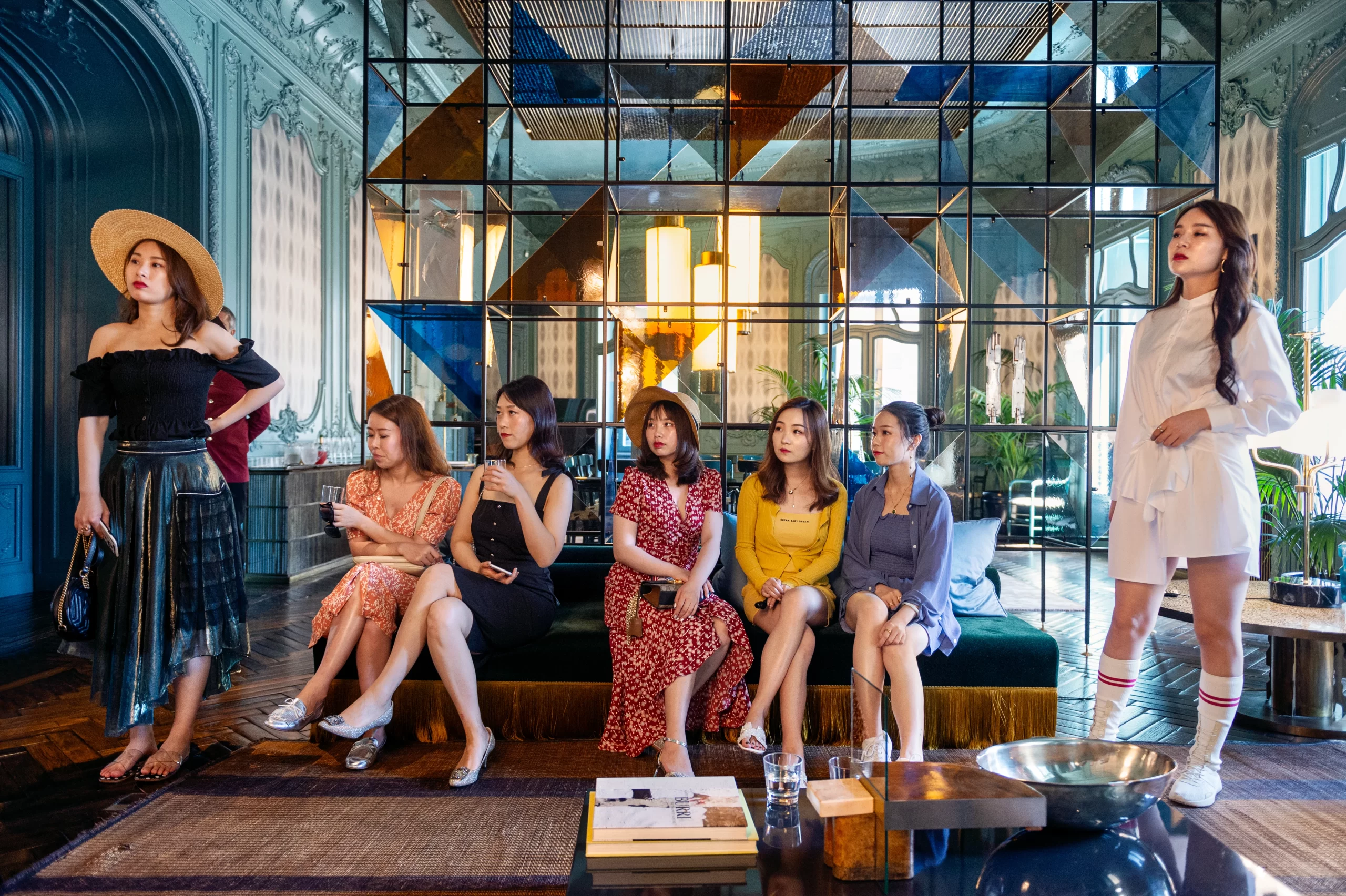
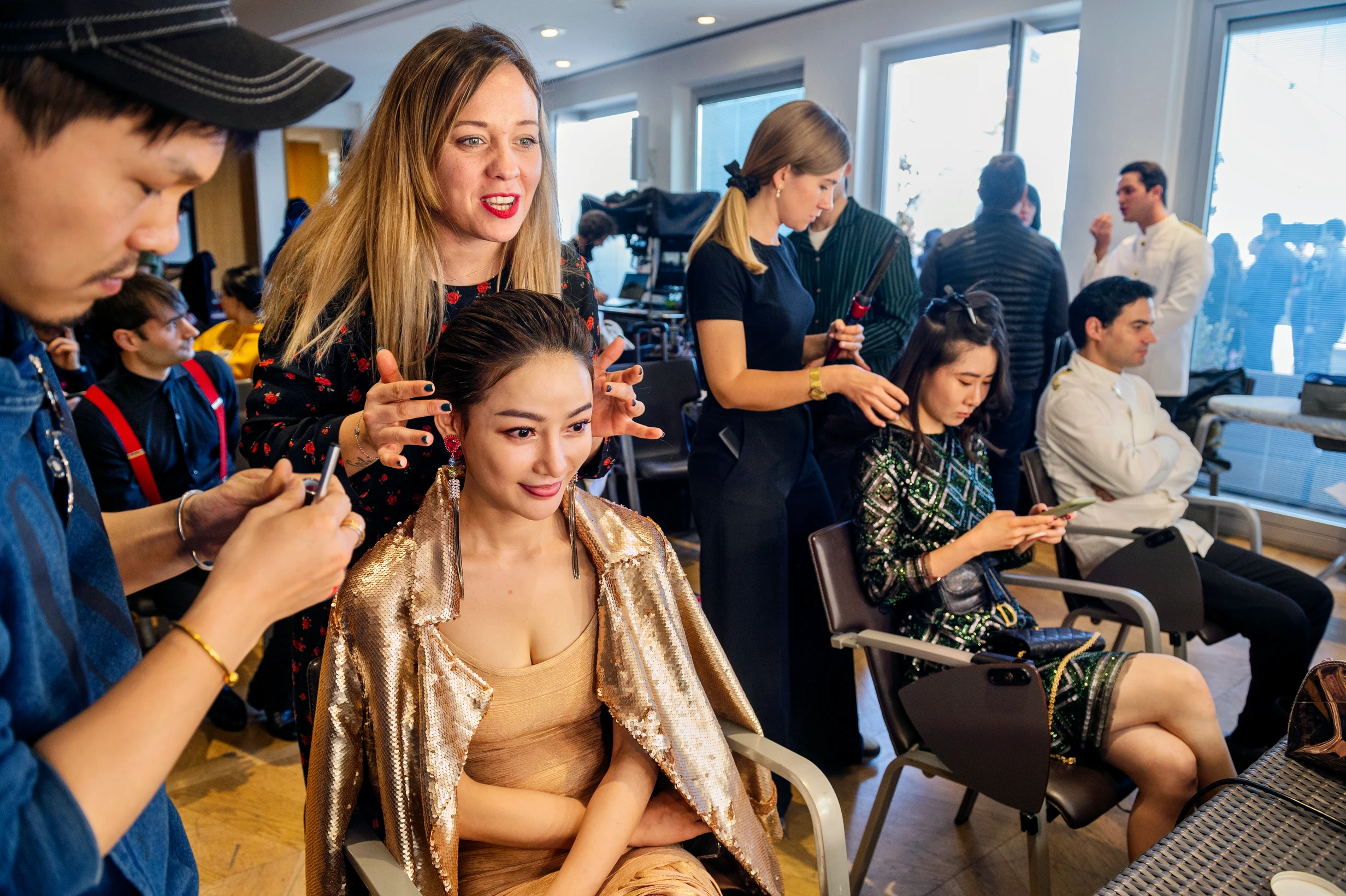
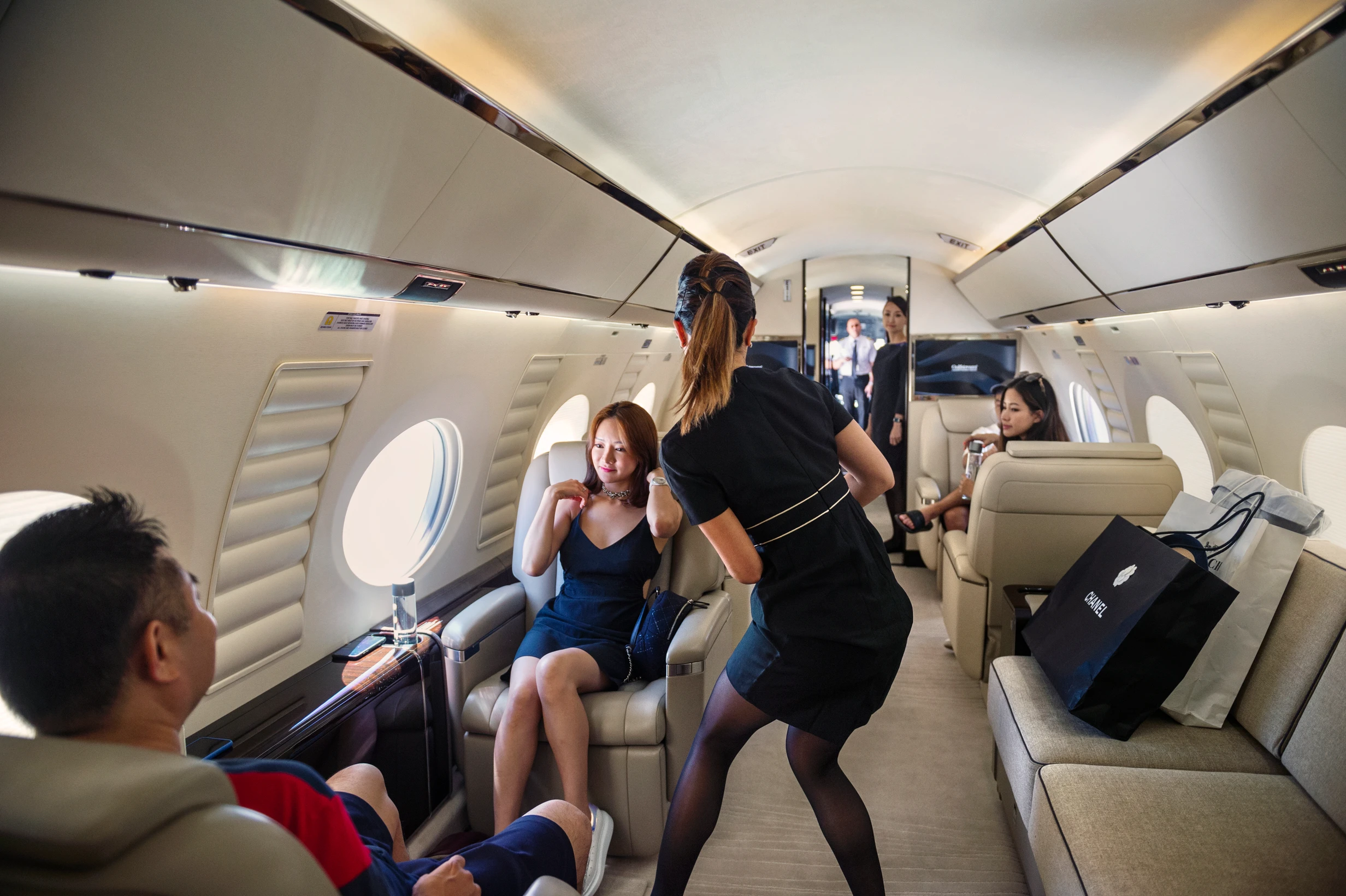
For some, luxury remains a language of prestige, expressed through fashion, design, hospitality, and the symbols of Italian lifestyle. But even this desire has evolved. It is no longer merely the imitation of Western codes, but increasingly an informed appreciation of beauty, legacy, and savoir-faire. What once may have appeared as excess can also be understood as a new form of cultural dialogue, where ownership, taste, and identity intersect.
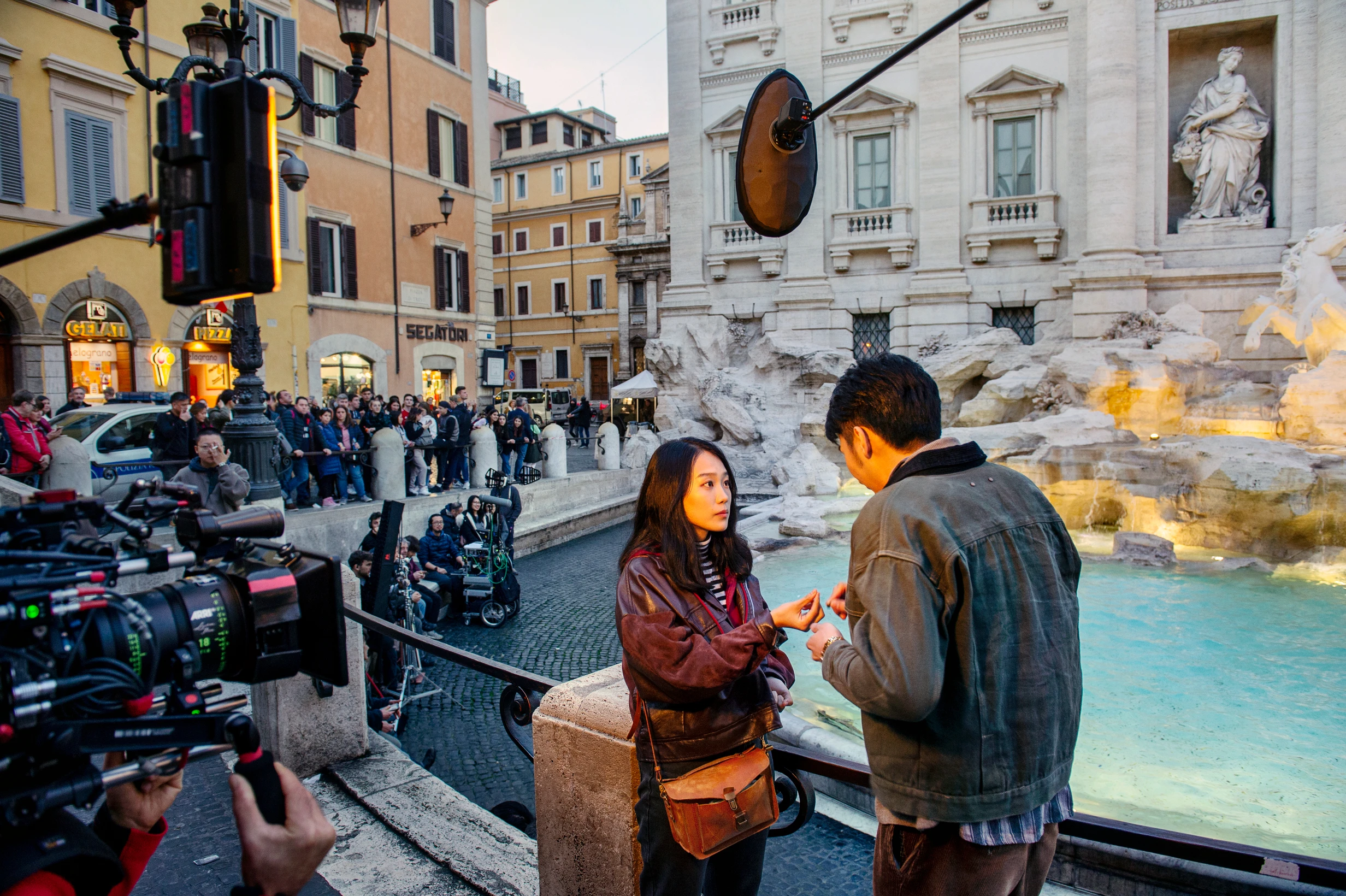
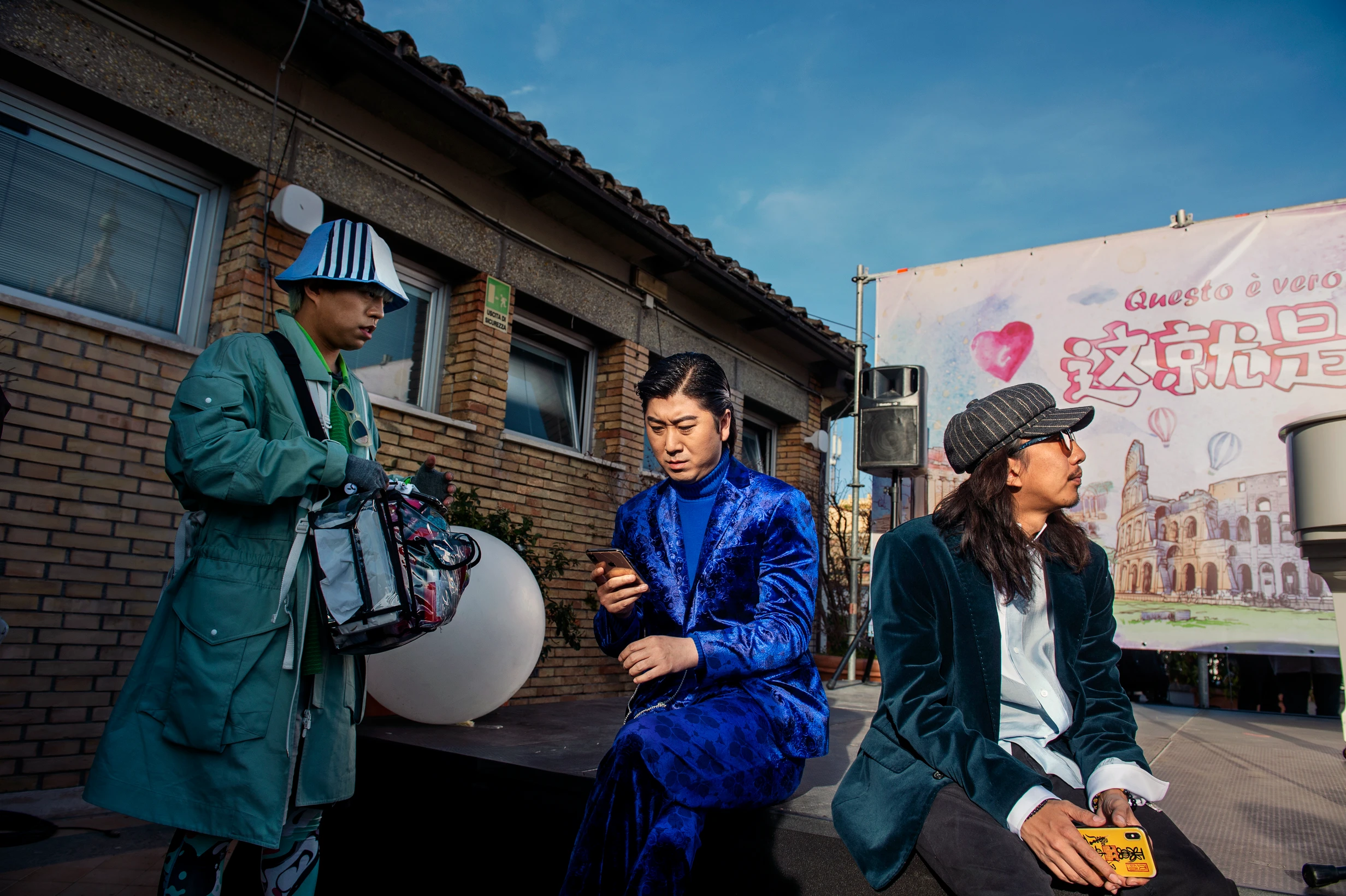
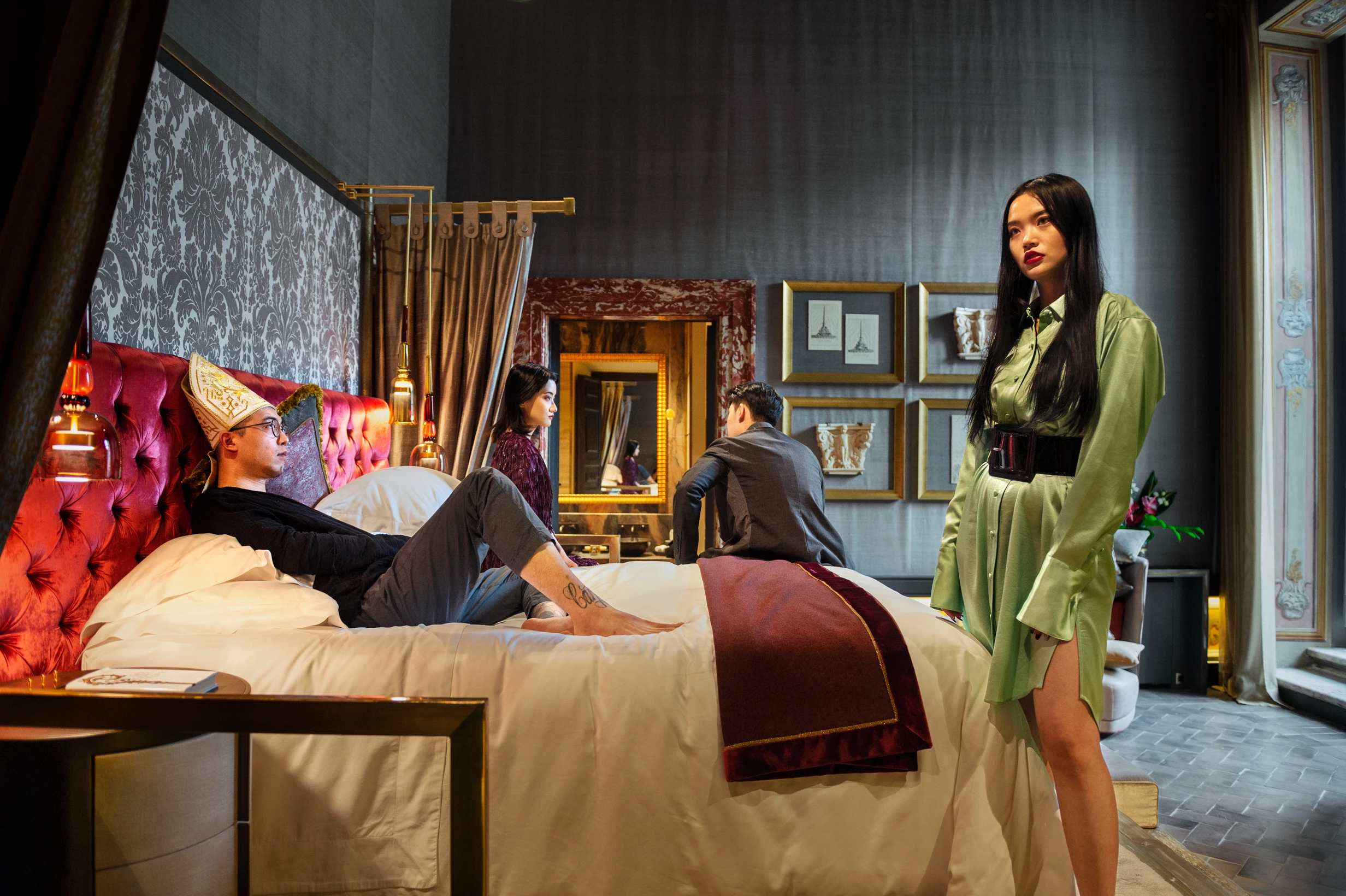
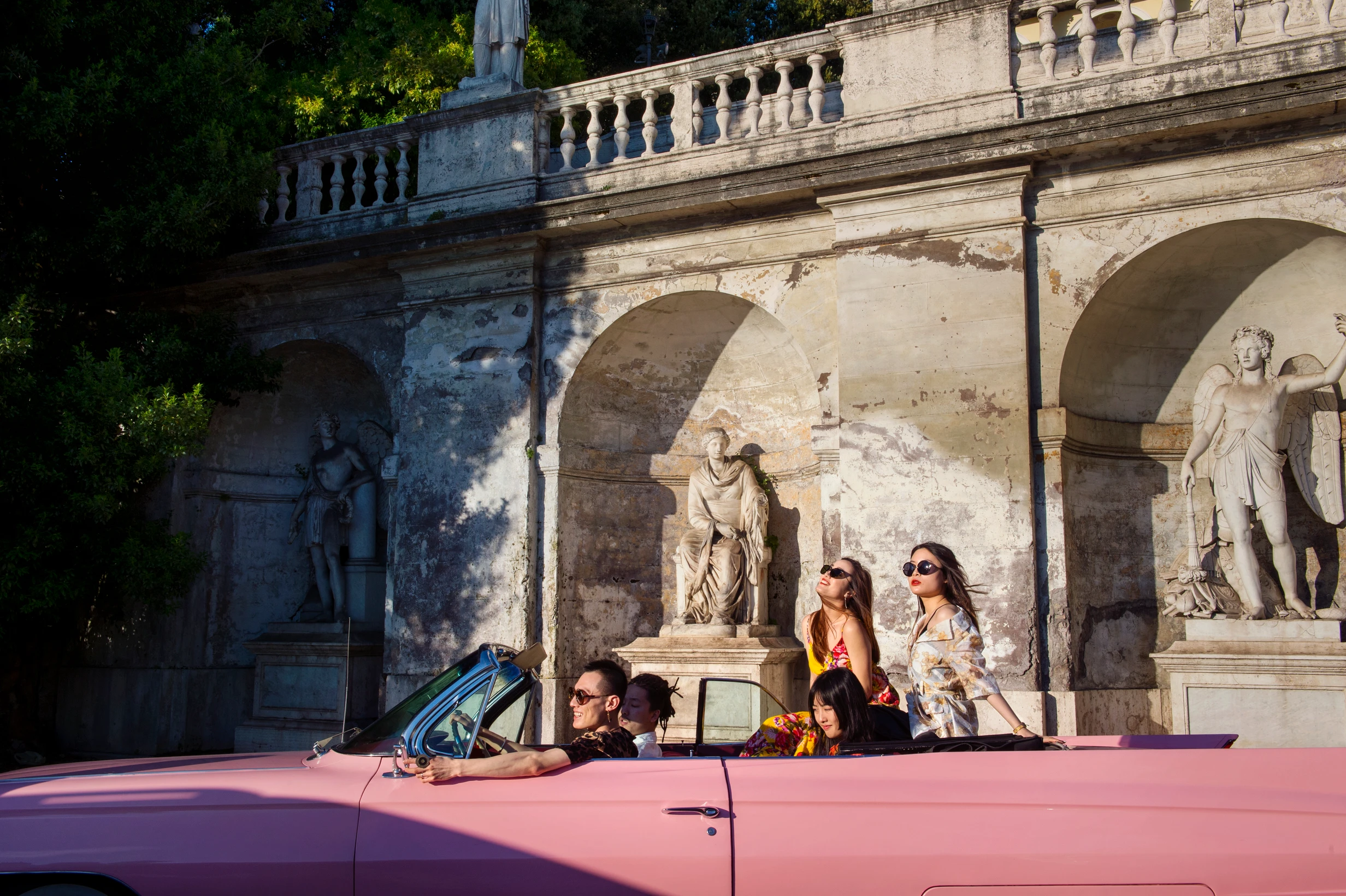
Cinema itself has long contributed to this dream of Italy, transforming Rome into a timeless stage of romance and aspiration. Yet beyond the mythology of luxury, another movement has grown stronger.
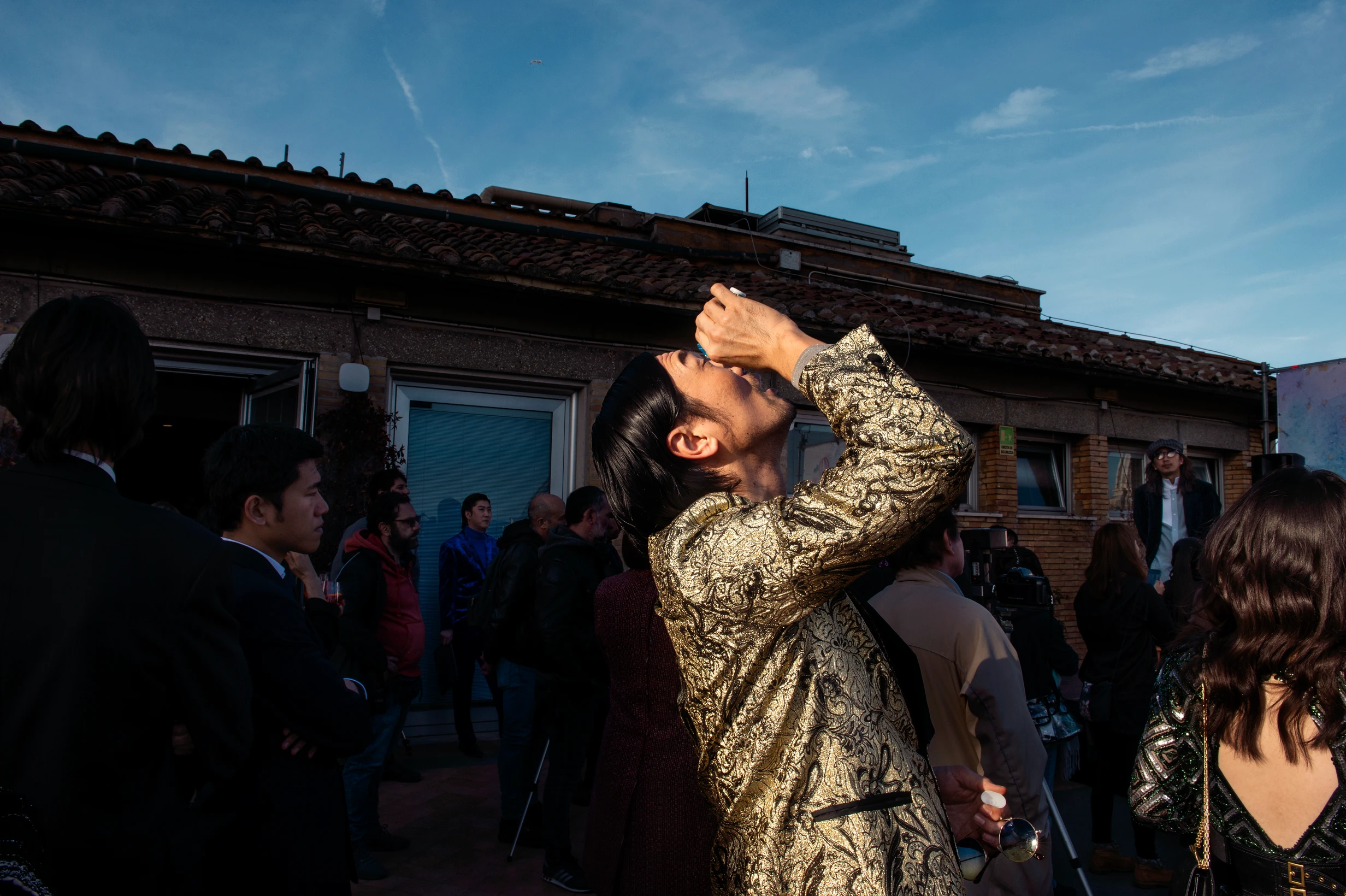
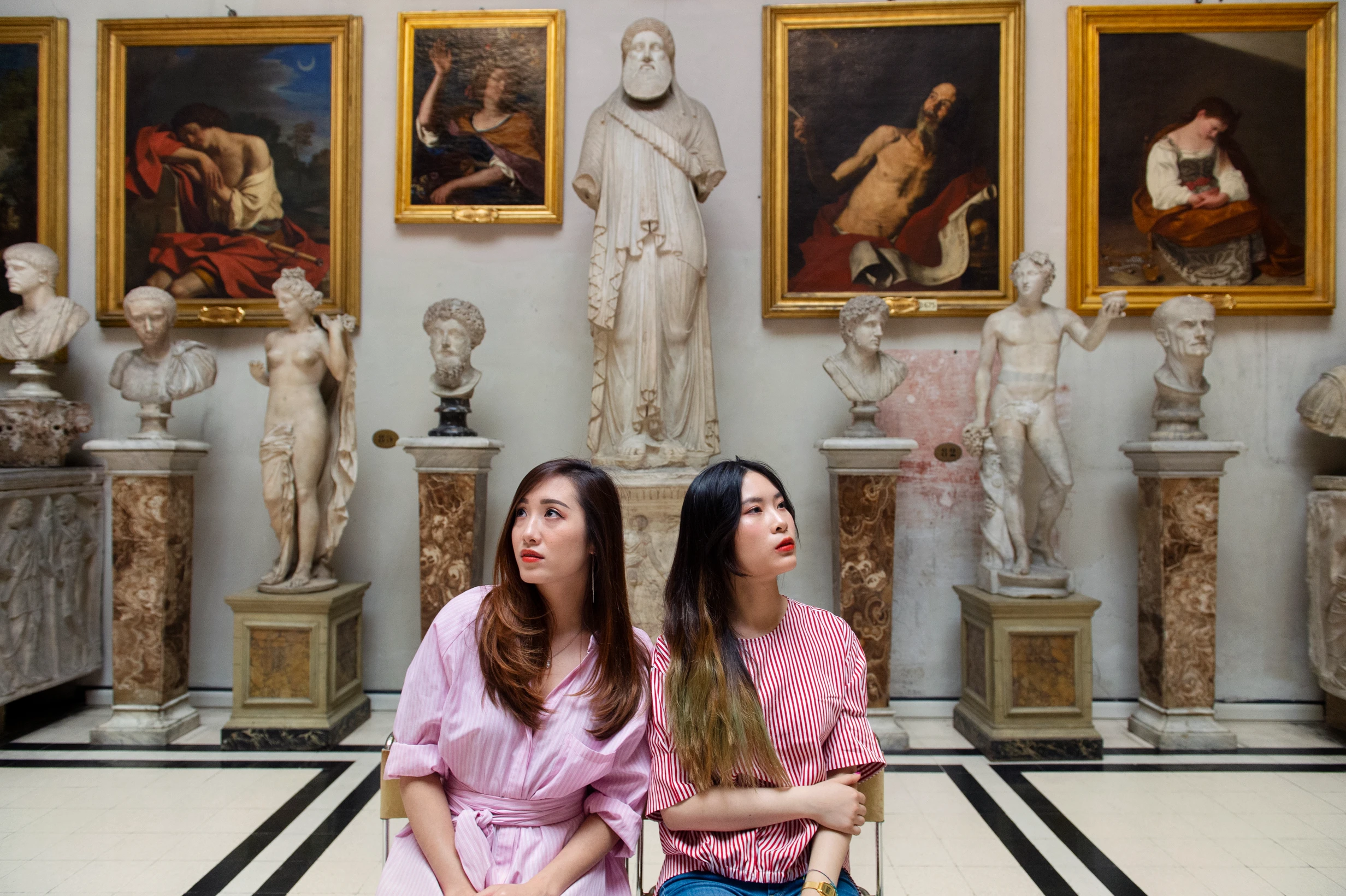
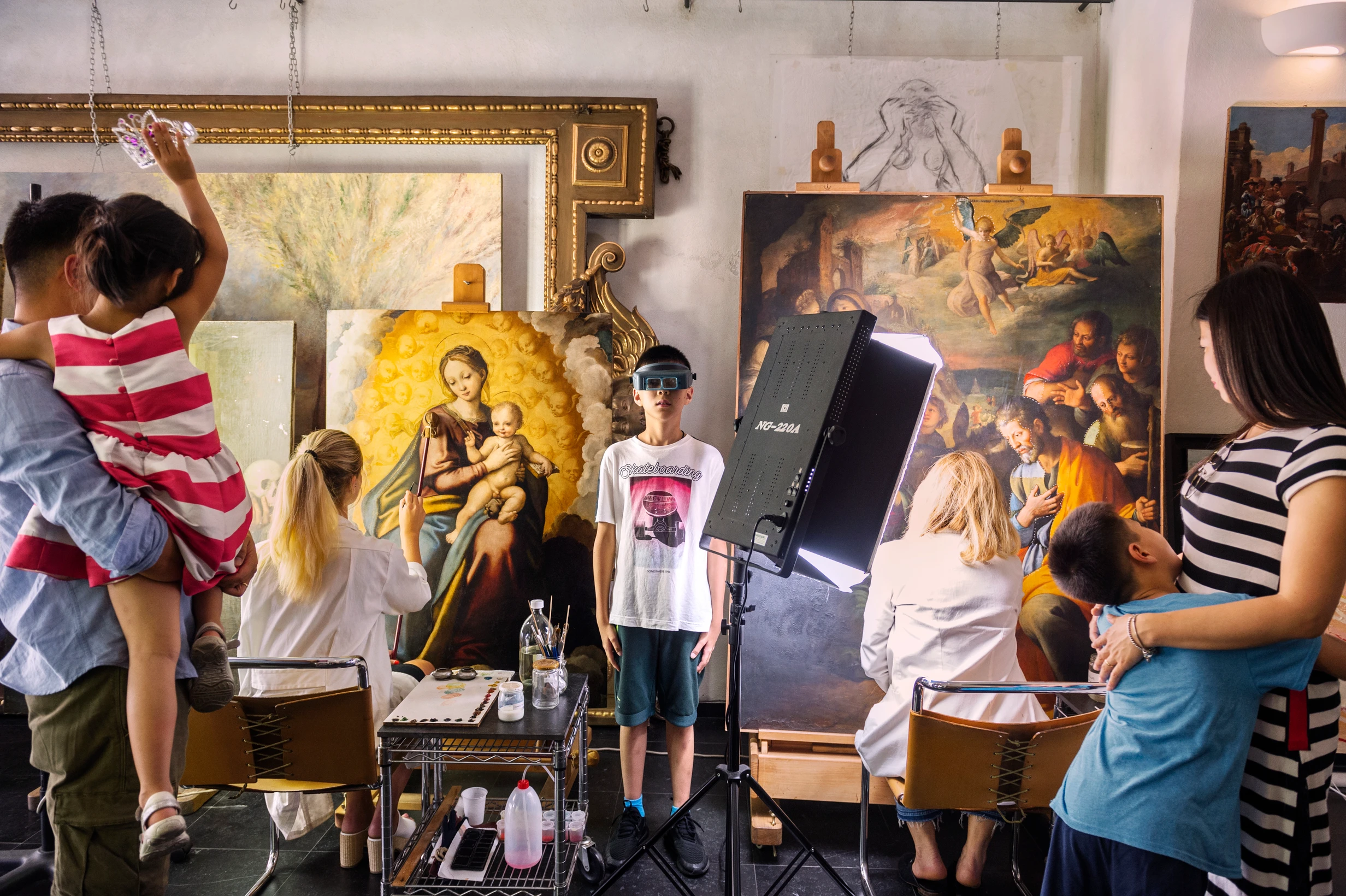
A new generation of Chinese visitors — students, collectors, creatives, and young entrepreneurs — comes to Italy not only to consume beauty, but to study it. They seek the depth behind the image: the meaning of history, the discipline of art, the value of tradition. For them, Italy is not a backdrop, but a place of intellectual and emotional discovery.
The real shift lies here: beyond the visible language of luxury, a deeper cultural exchange is taking shape. For a growing number of Chinese visitors, Italy represents not only a lifestyle to admire, but a history to understand. Beauty, in this sense, becomes less about possession and more about recognition.