Community Swing
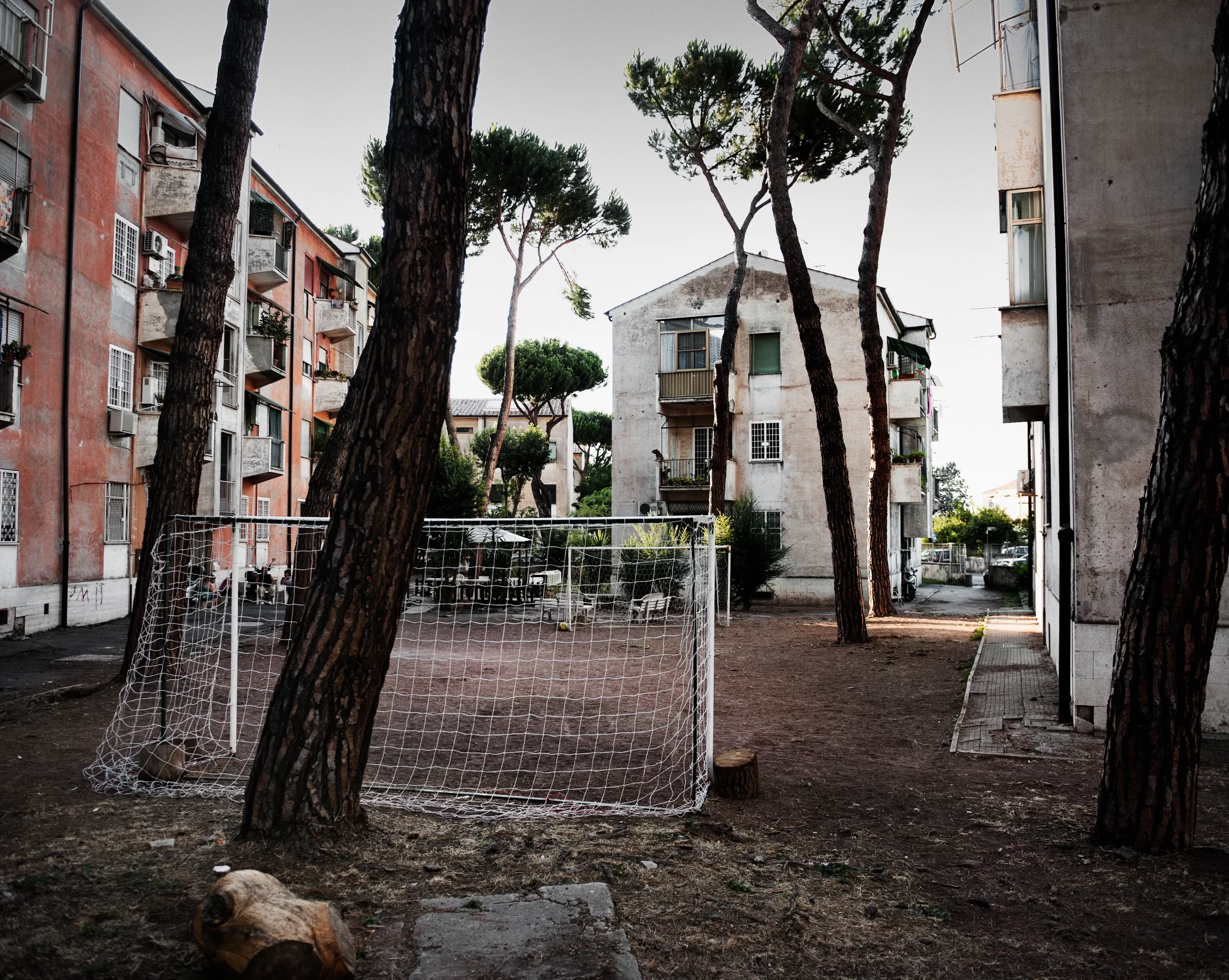
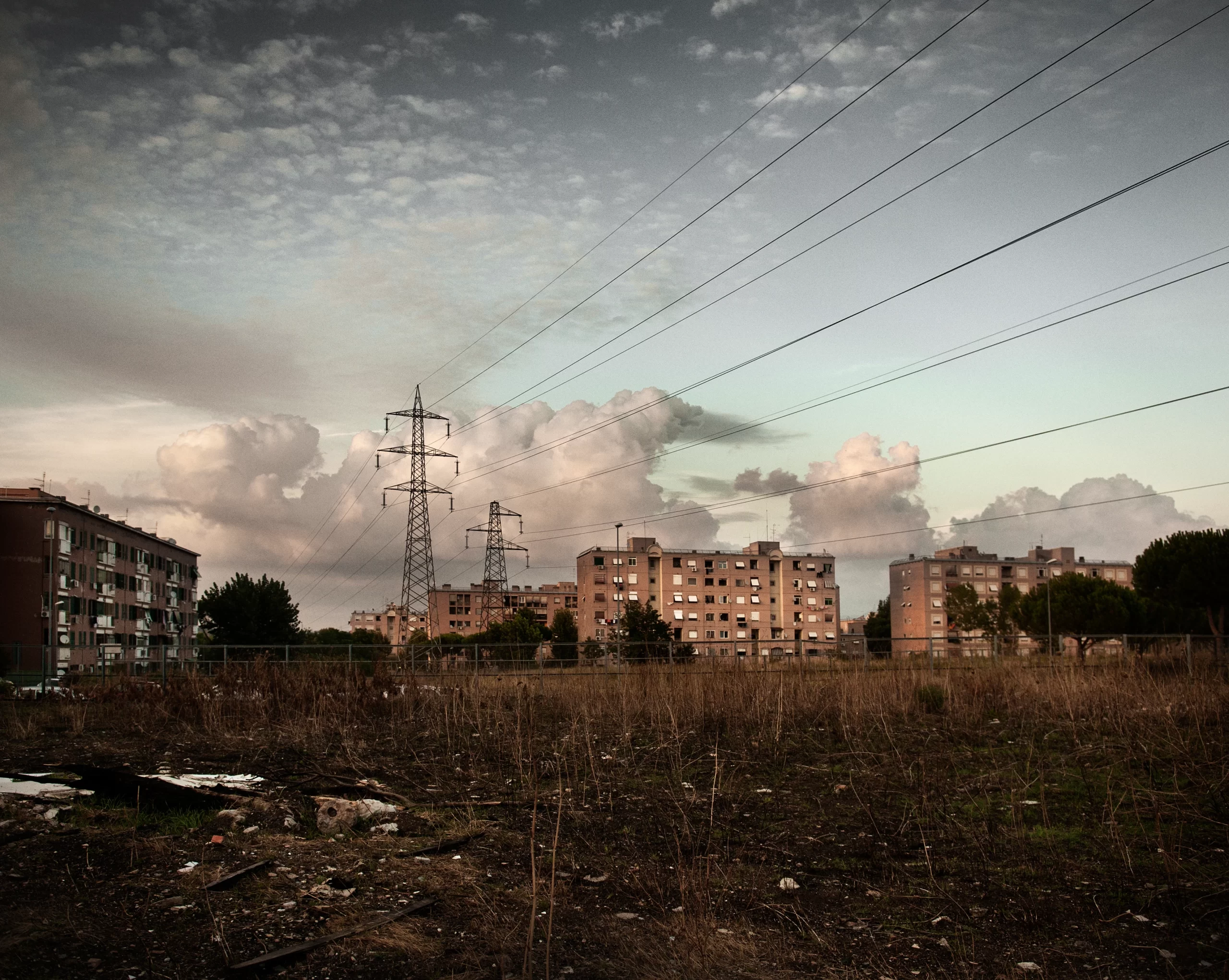
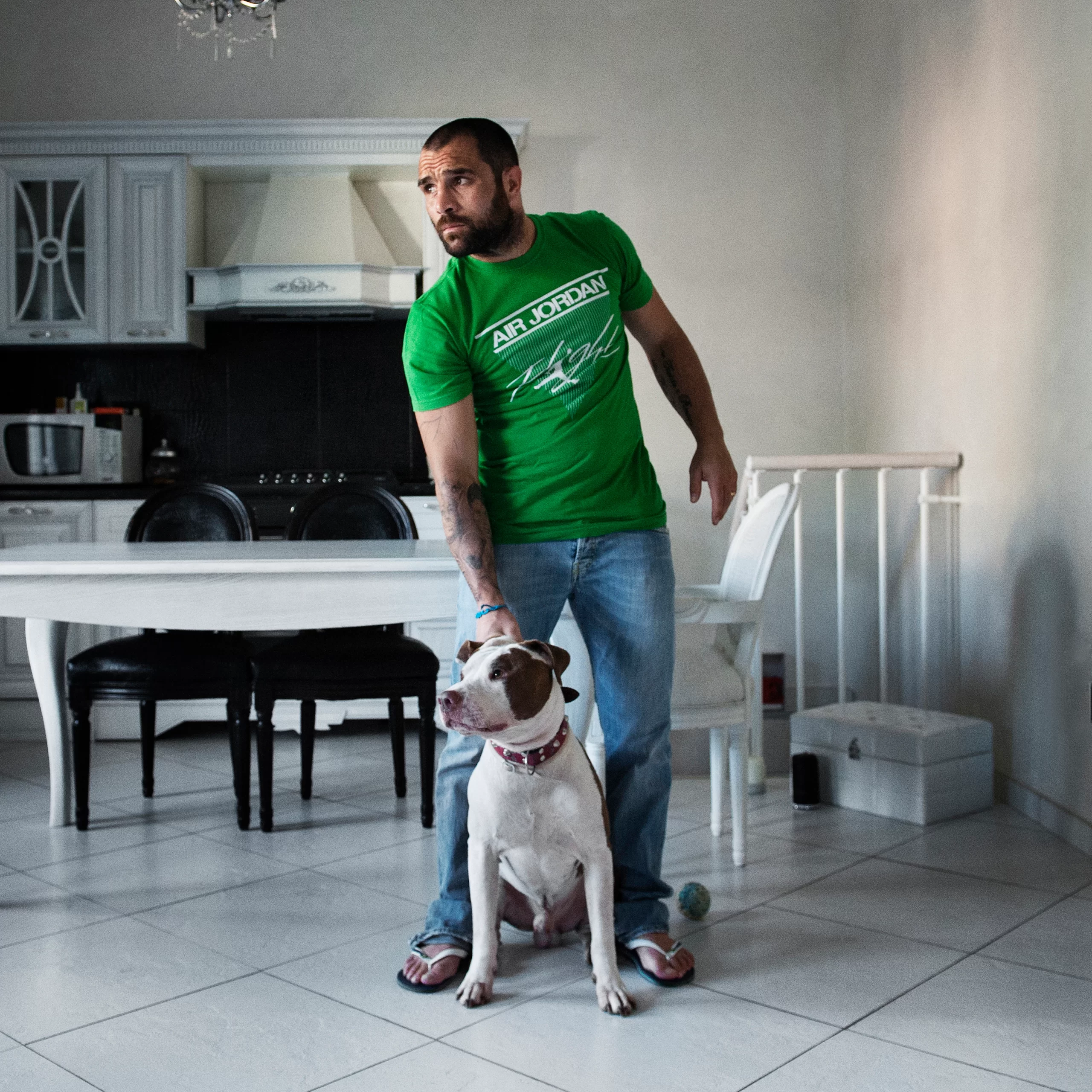
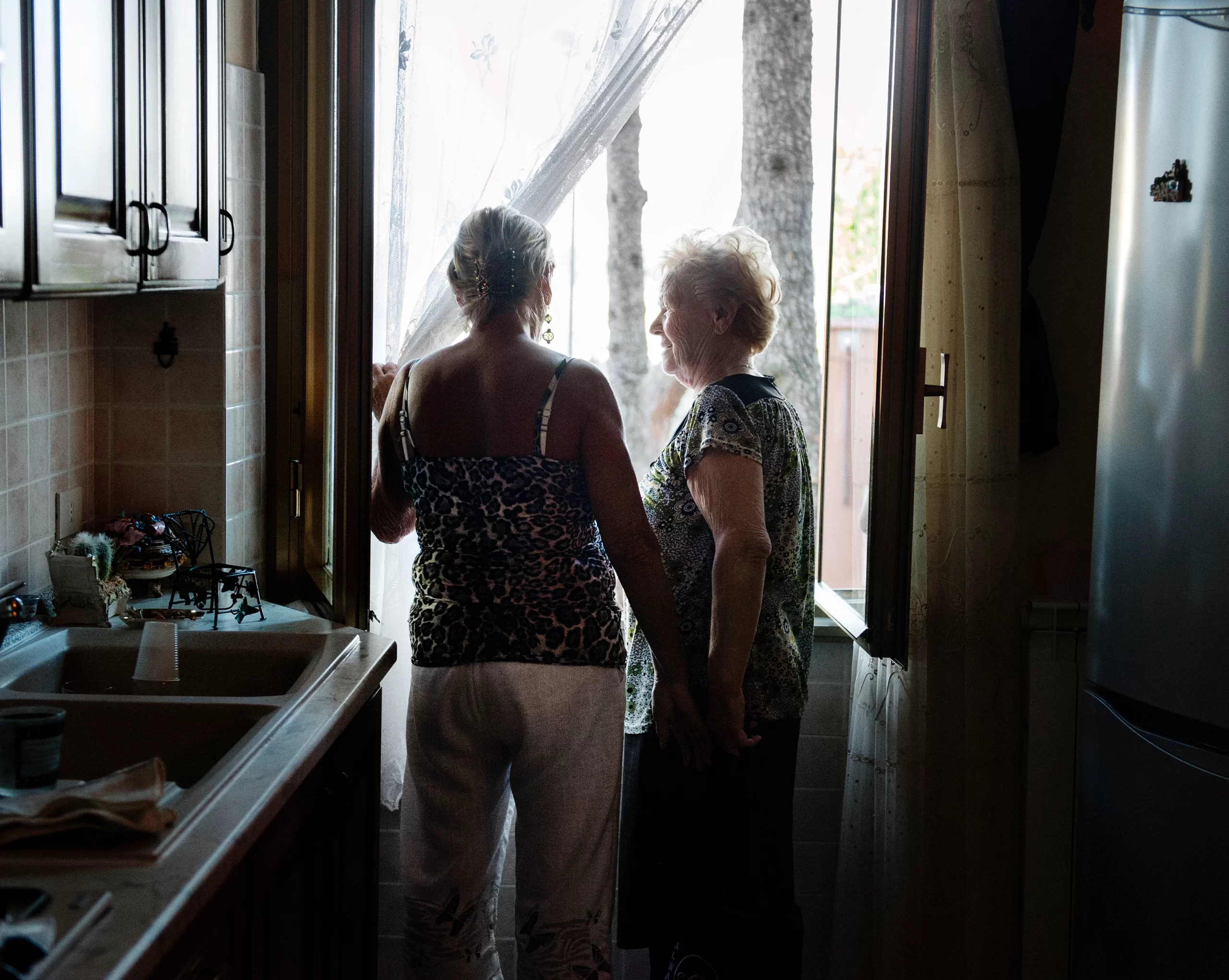
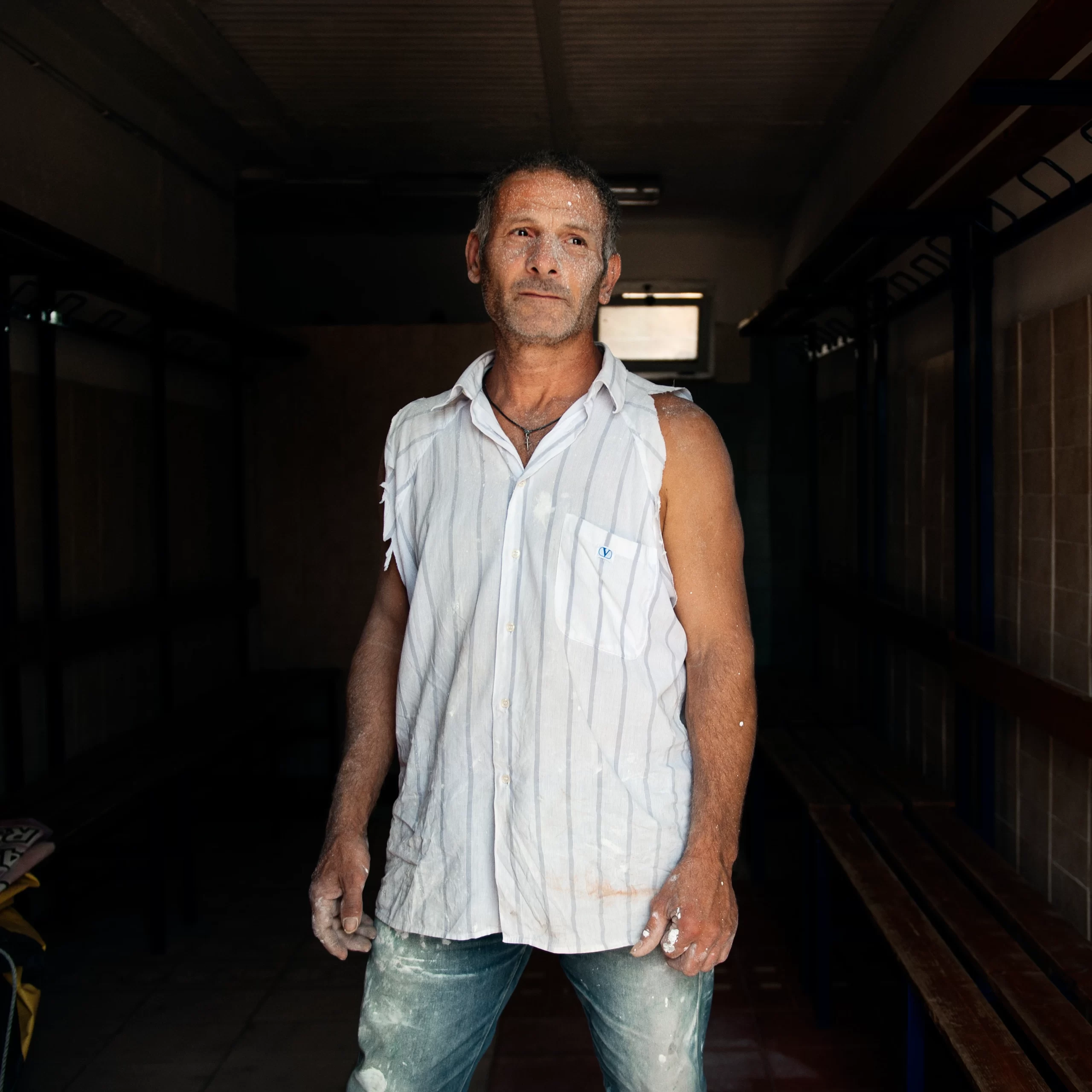
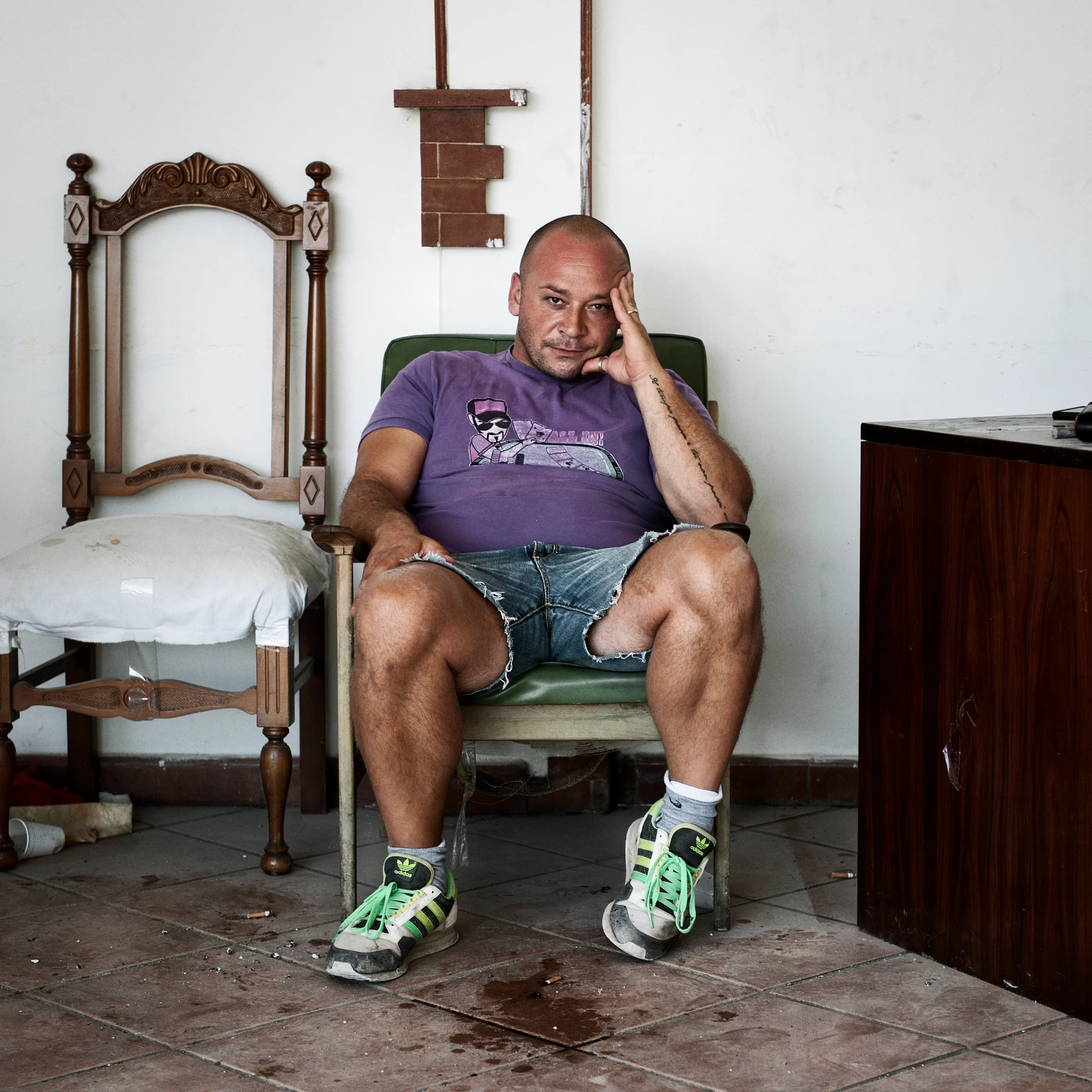
In the outskirts of Rome lies San Basilio, a working-class neighborhood whose faded colors bear the marks of time and decades of institutional neglect. The district takes its name from the Church of San Basilio, yet its identity has long been shaped more by social struggle than by religion itself.
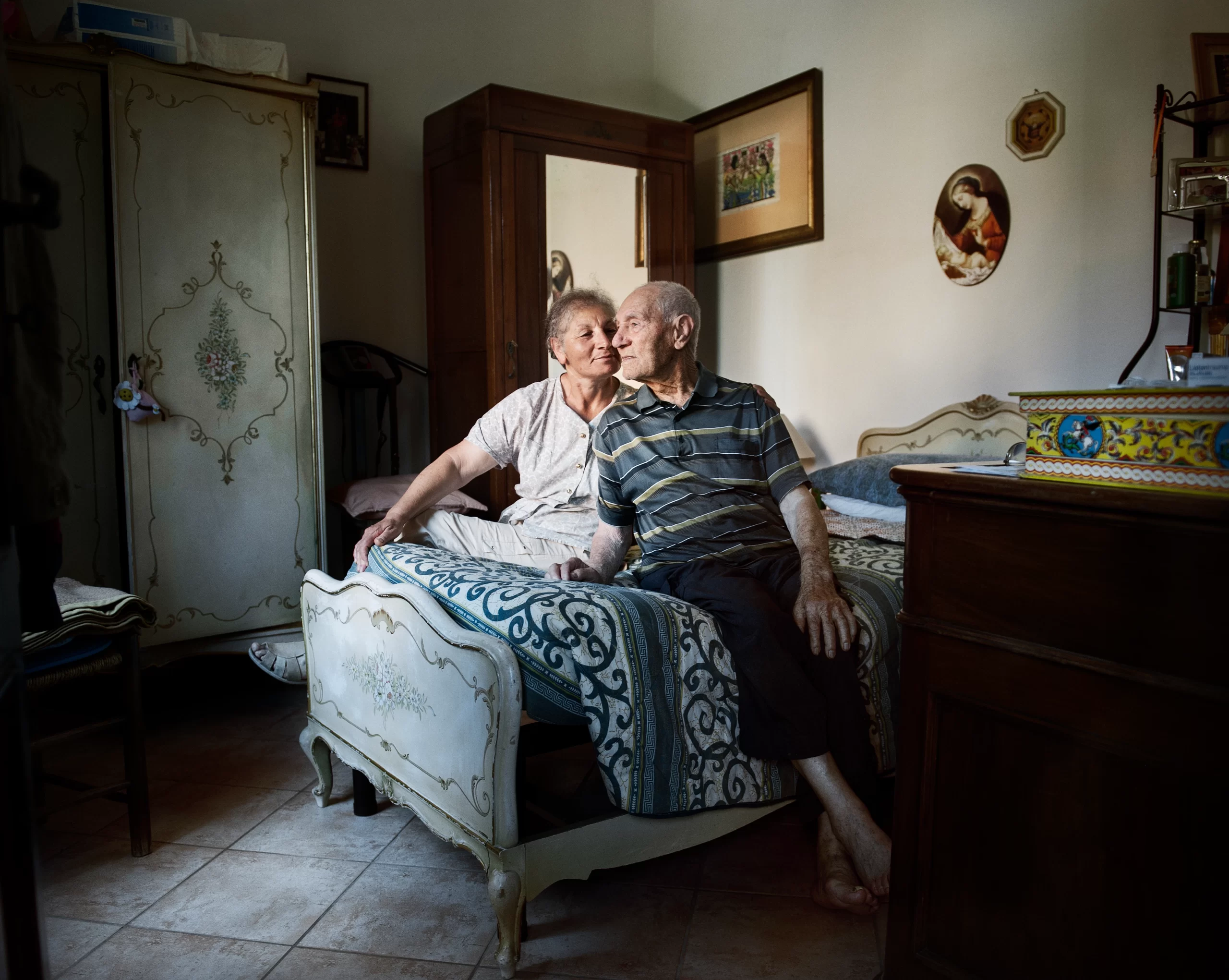
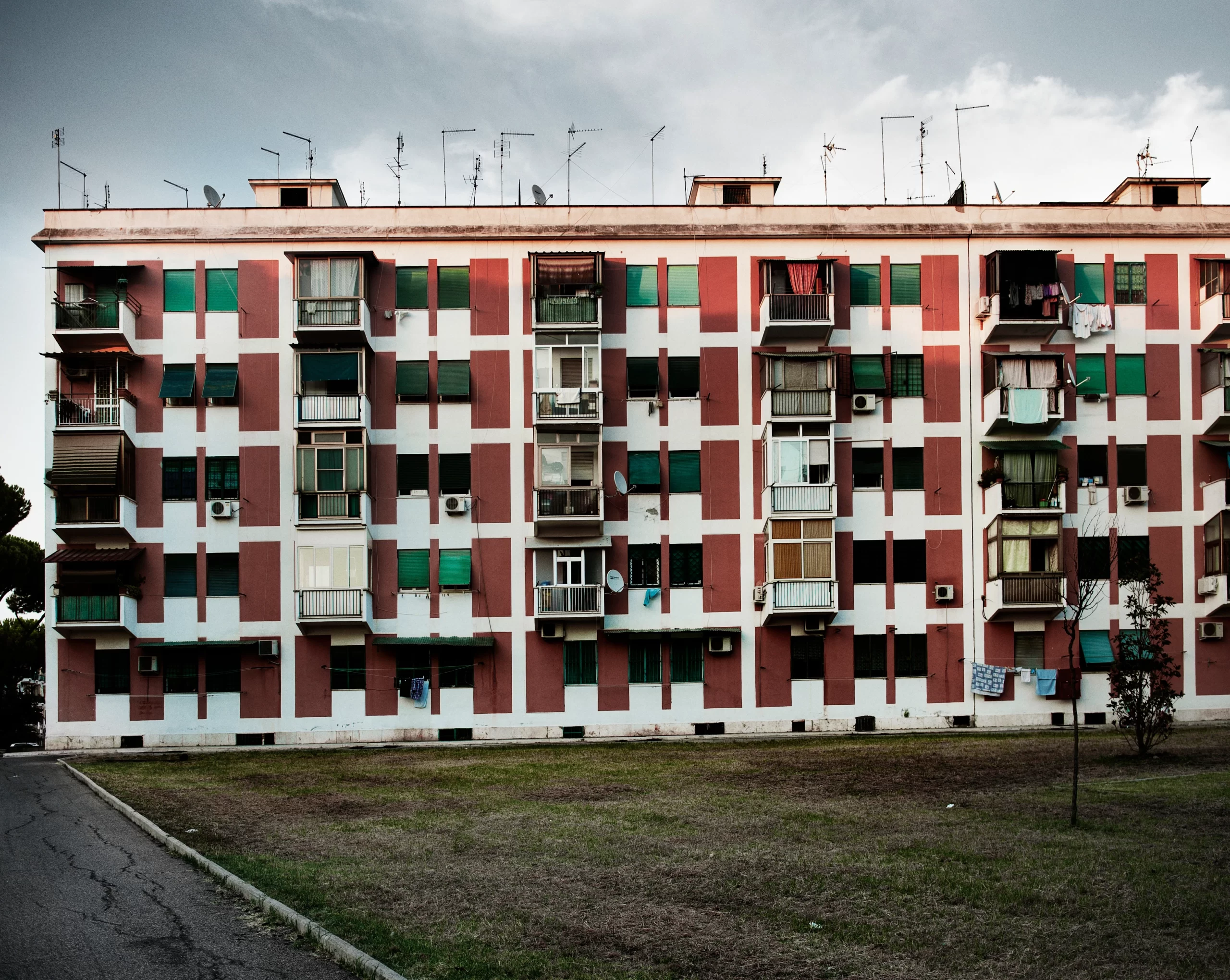
An invisible line seems to divide the neighborhood in two: on one side stand the public housing blocks built in the 1950s with funds from the Marshall Plan, homes that welcomed waves of migrants arriving from Sicily and Calabria in search of work and dignity after the war. On the other side are the occupied housing complexes constructed by the municipality during the 1980s, areas that over time became associated with petty crime, unemployment, and the spread of drug trafficking.
Despite these architectural and historical differences, both sides of San Basilio share the same fate of social marginalization. There is no cinema, no gymnasium, no public library. The most visible presence of the institutions is often the police itself.
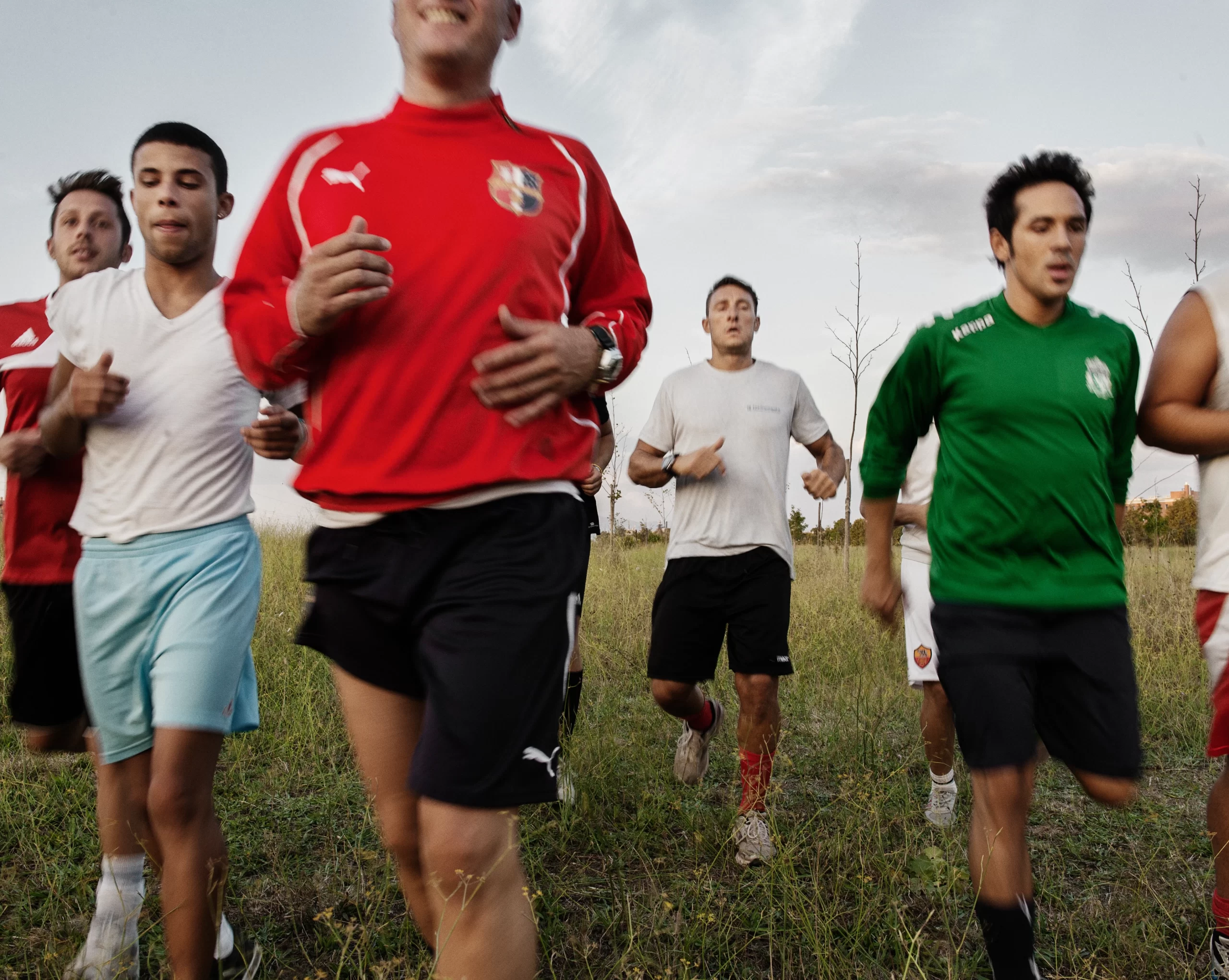
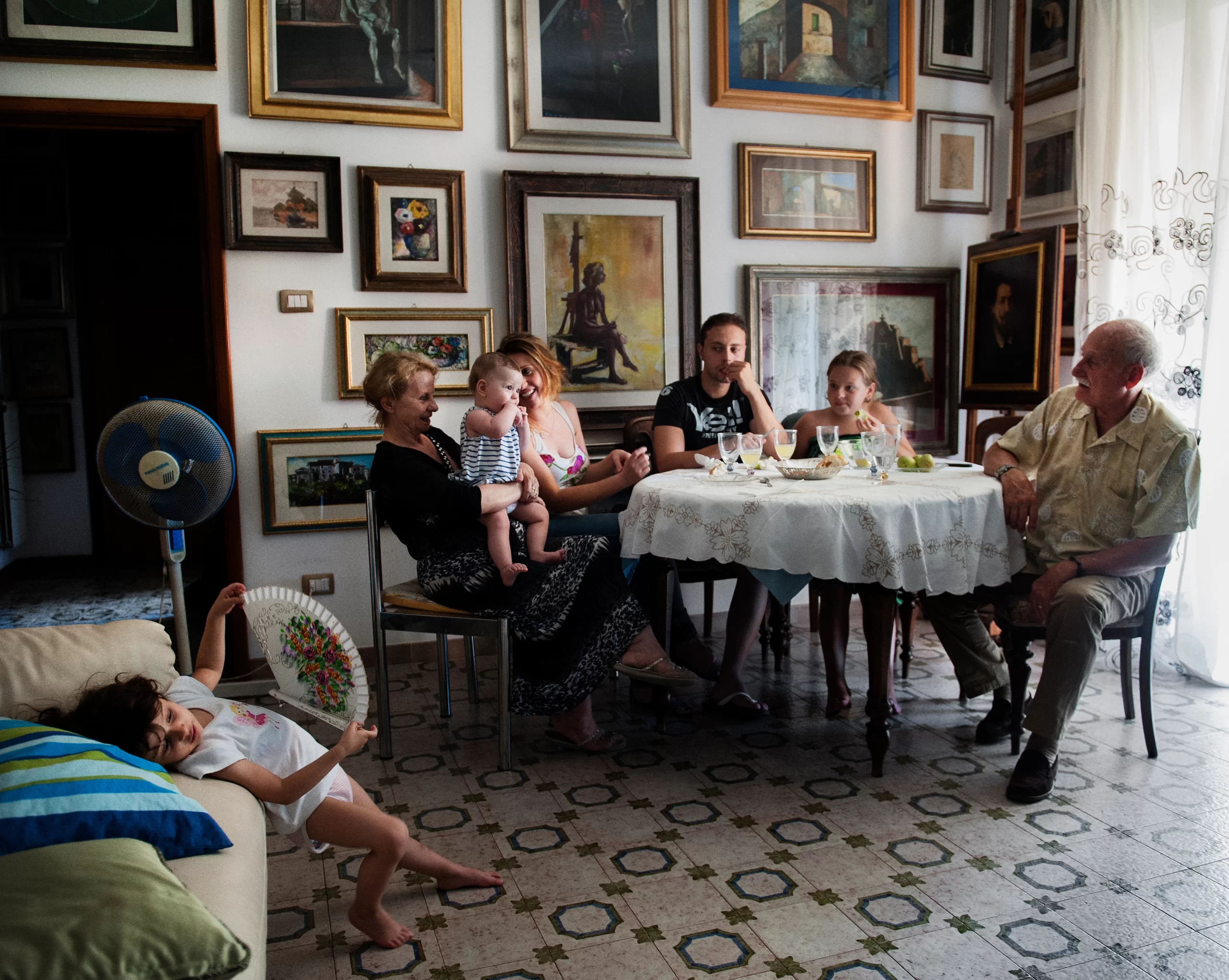
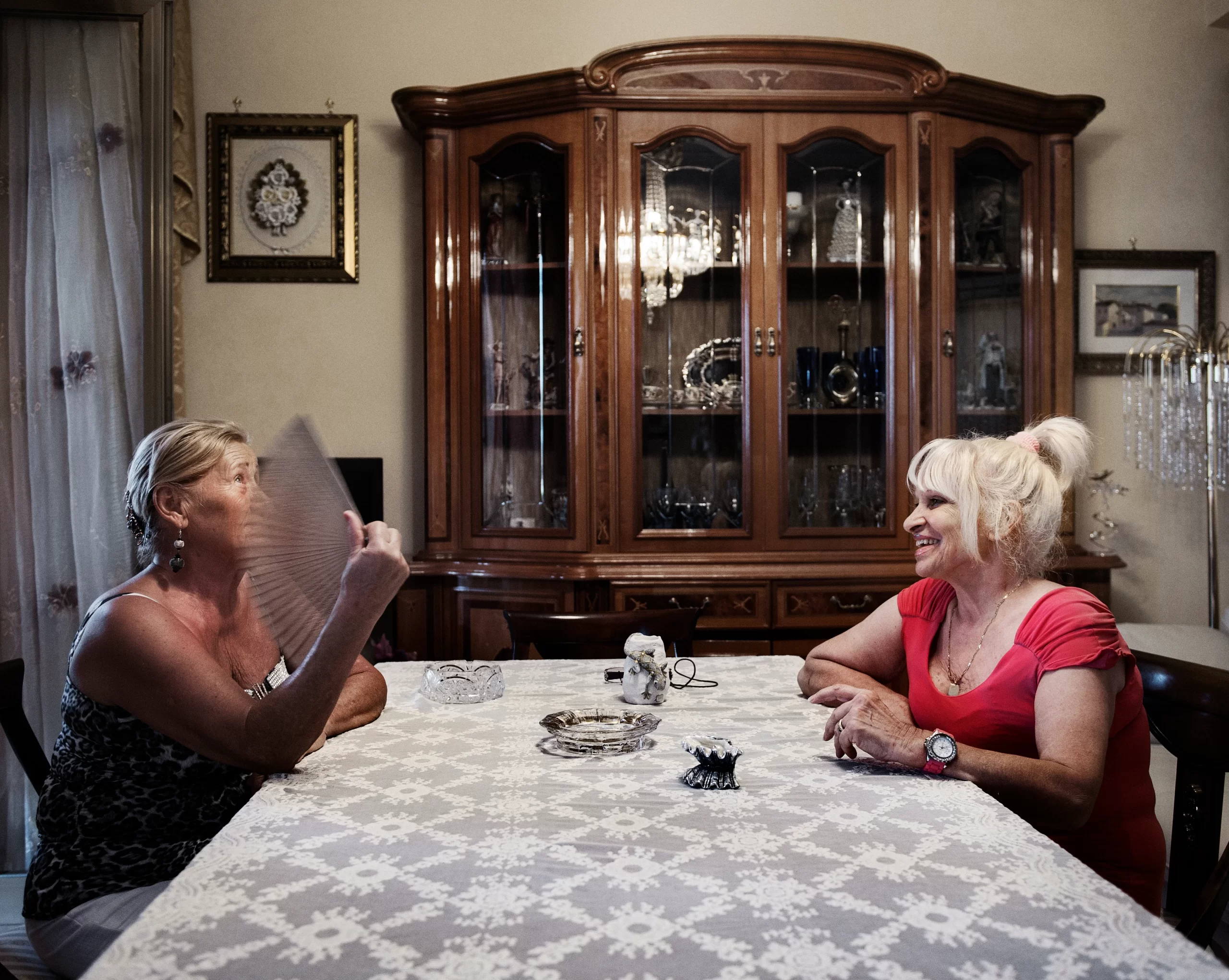
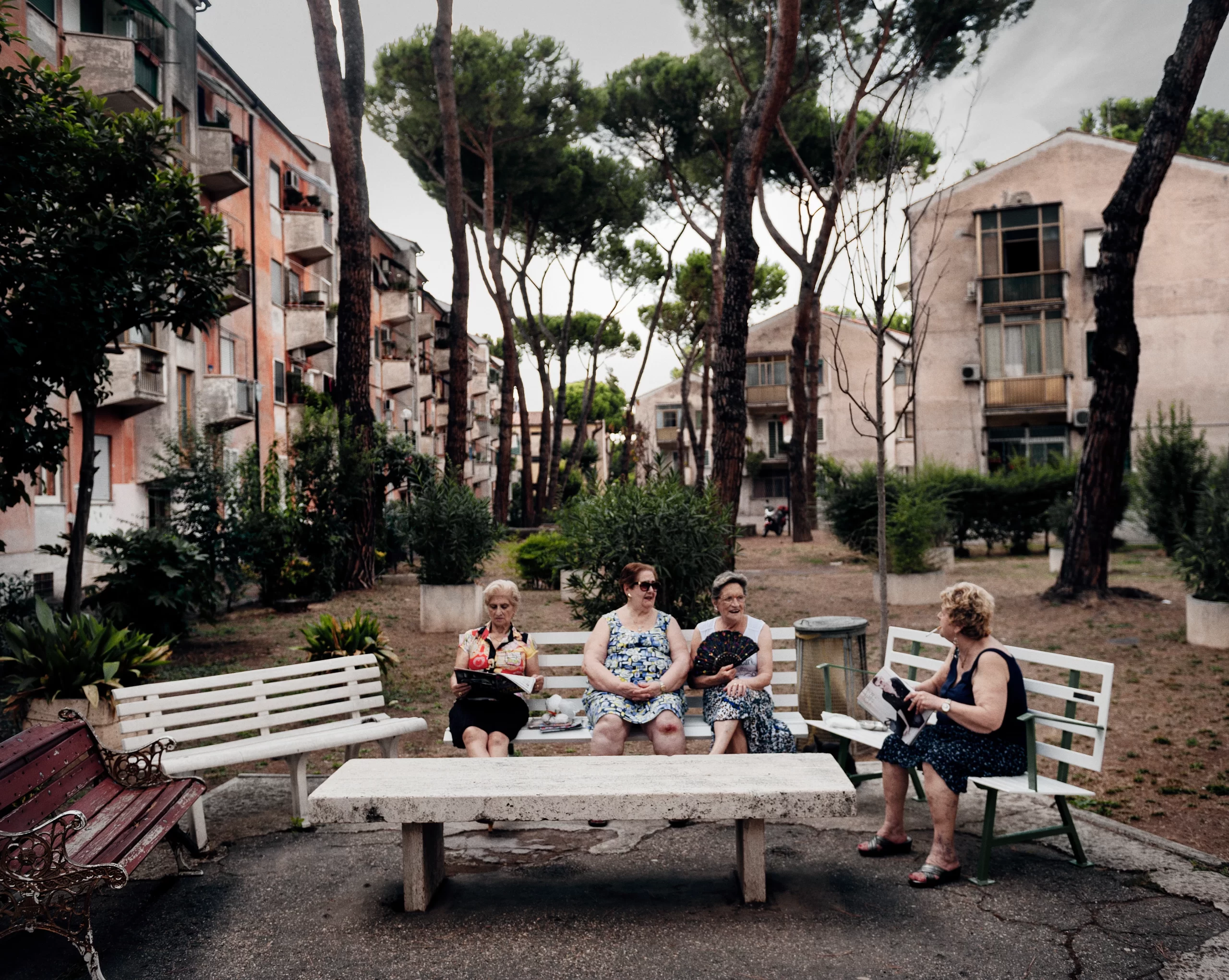
And yet, even in this forgotten corner of the city, hope continues to survive. It emerges in conversations exchanged on worn-out benches, in the warmth of family lunches, and in the bright green synthetic grass of a local football field — a place that may still succeed in pulling many young people away from the streets and offering them the possibility of a different future.