There’s something about growing up by the sea that gets under your skin. The wind, the salt air, the constant pull of the water — and for me, the boards.
I’m a huge skate lover. I practise surfskate — that version of skateboarding that mimics the movement of waves, where you pump, carve, and for a moment feel like you’re actually surfing on asphalt. It became my way of moving, of thinking, almost of breathing. And since my whole family skates too, when we’re all out on our boards together, it feels like we’re saying something important without saying a word.
Then, some time ago, something remarkable happened right on my doorstep: The Spot opened in Ostia. One of the biggest skateparks in Europe. Here, in my seaside neighbourhood just outside Rome.
And it didn’t stop there. The Spot was chosen to host the World Skate Championship Tour — which means that every year, the world’s best skaters come here to compete for something huge: an Olympic qualification spot.
The first time I saw Pedro Barros drop into the bowl in person, I just stopped. Completely. Because there’s an enormous difference between watching a clip on Instagram and actually being there — hearing the wheels on the concrete, feeling the speed, the power, the almost weightless way these athletes fly.
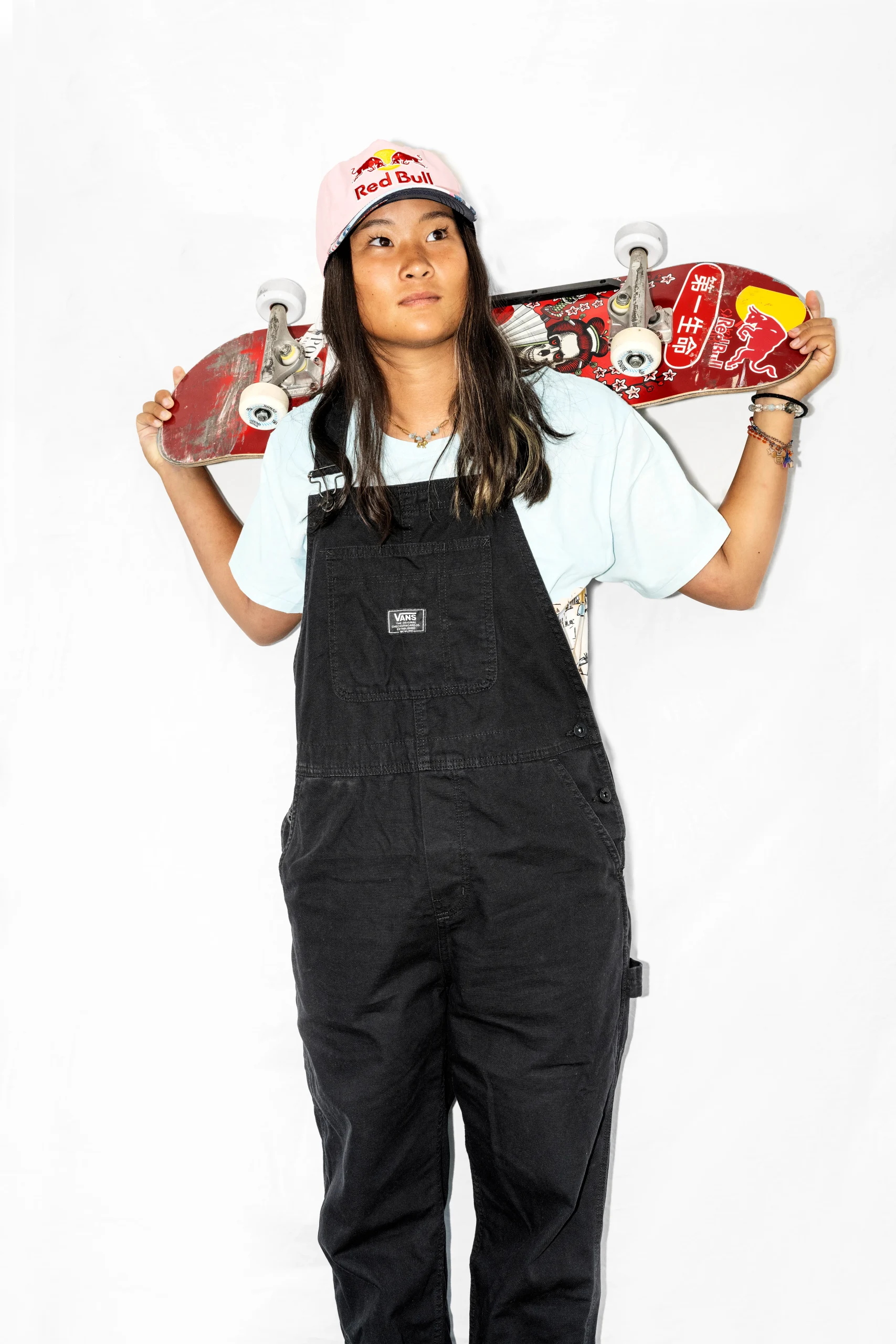
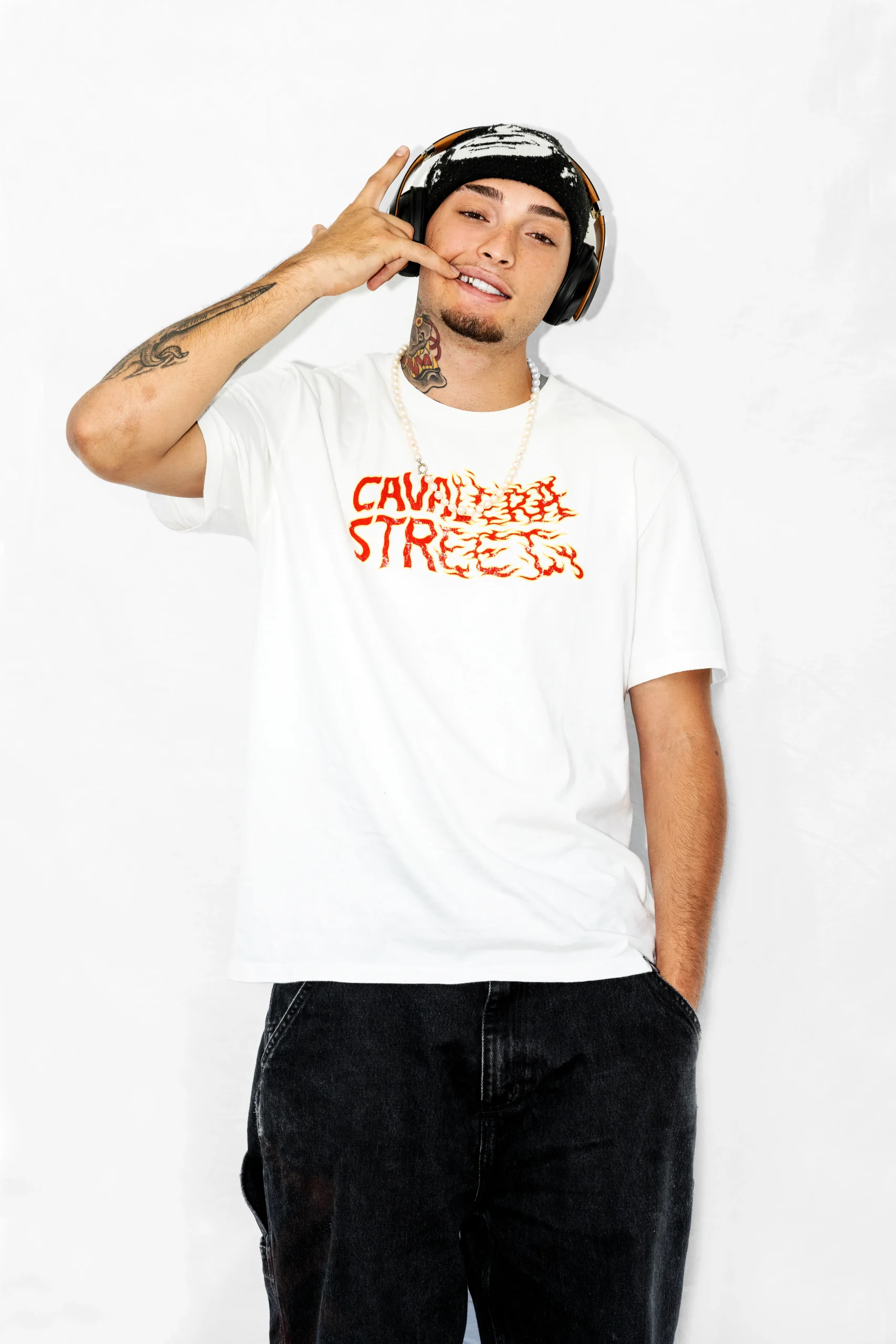
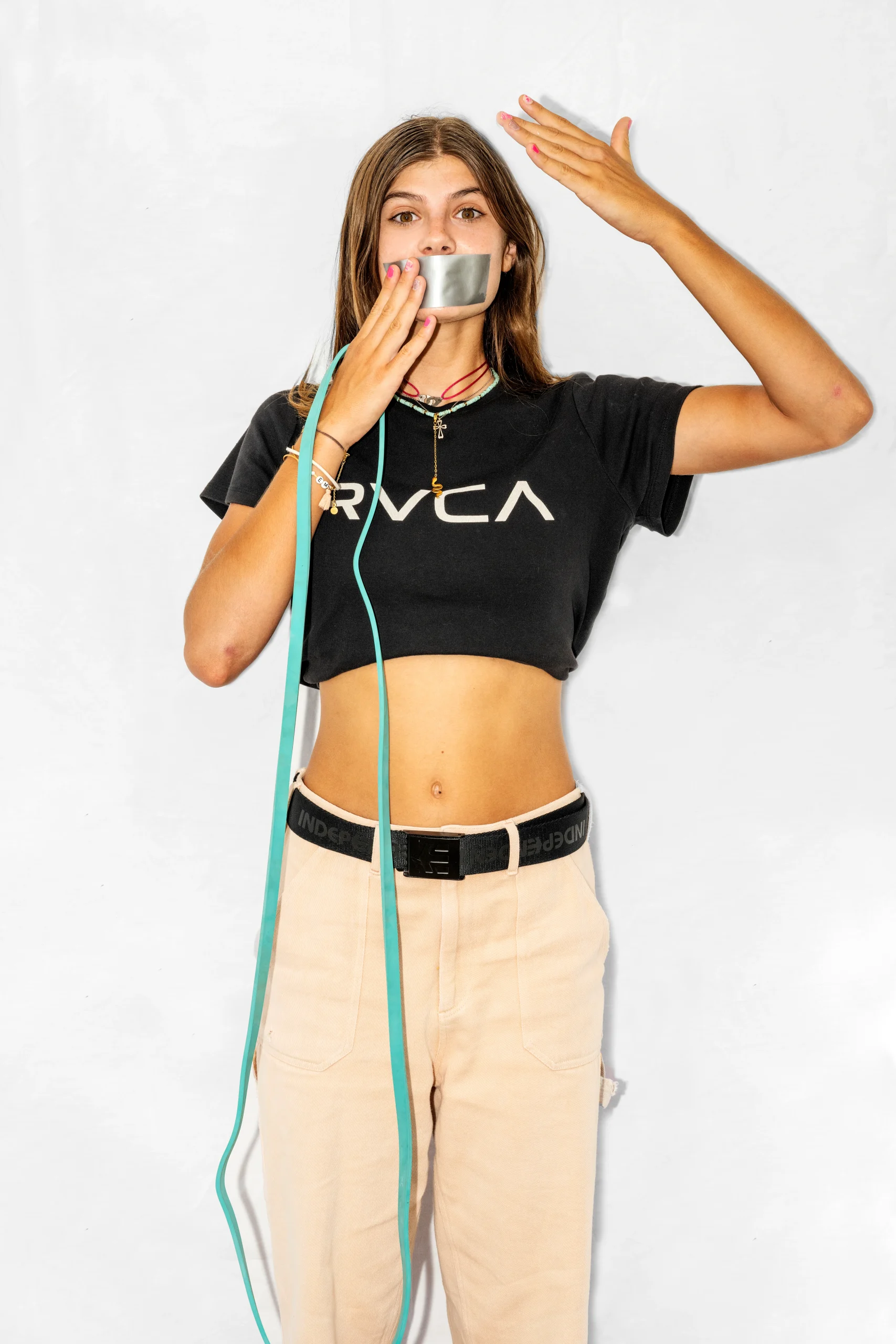
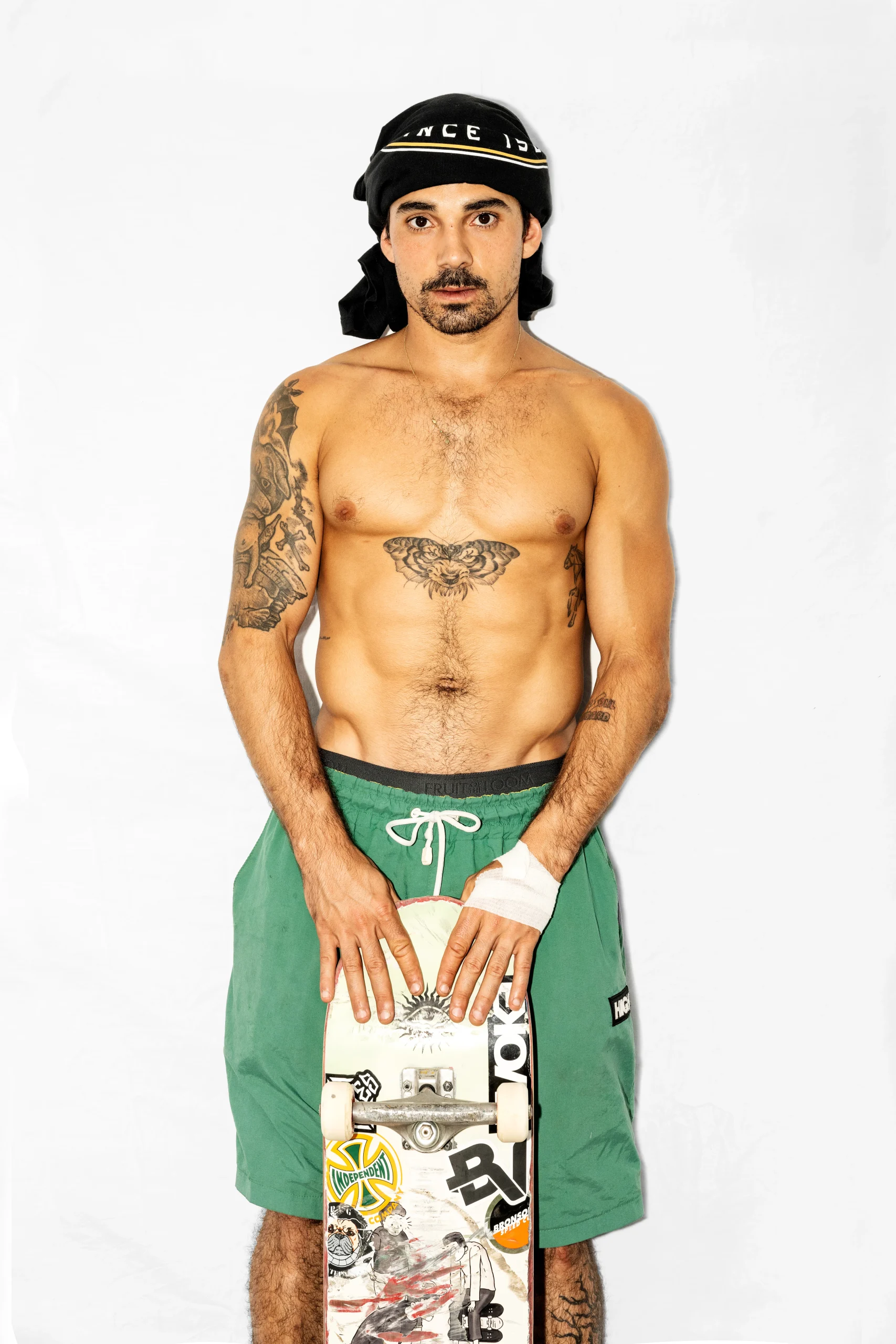
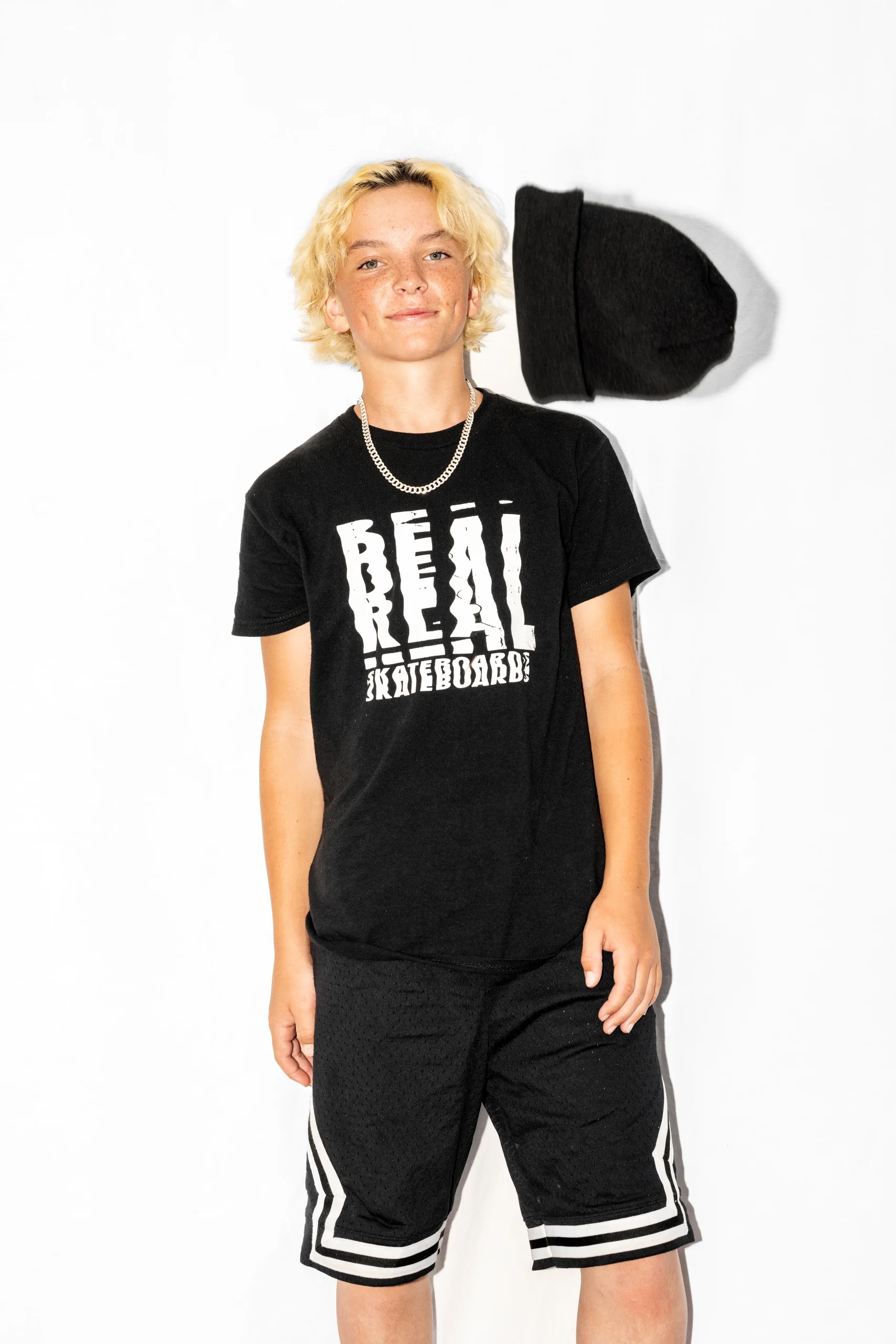
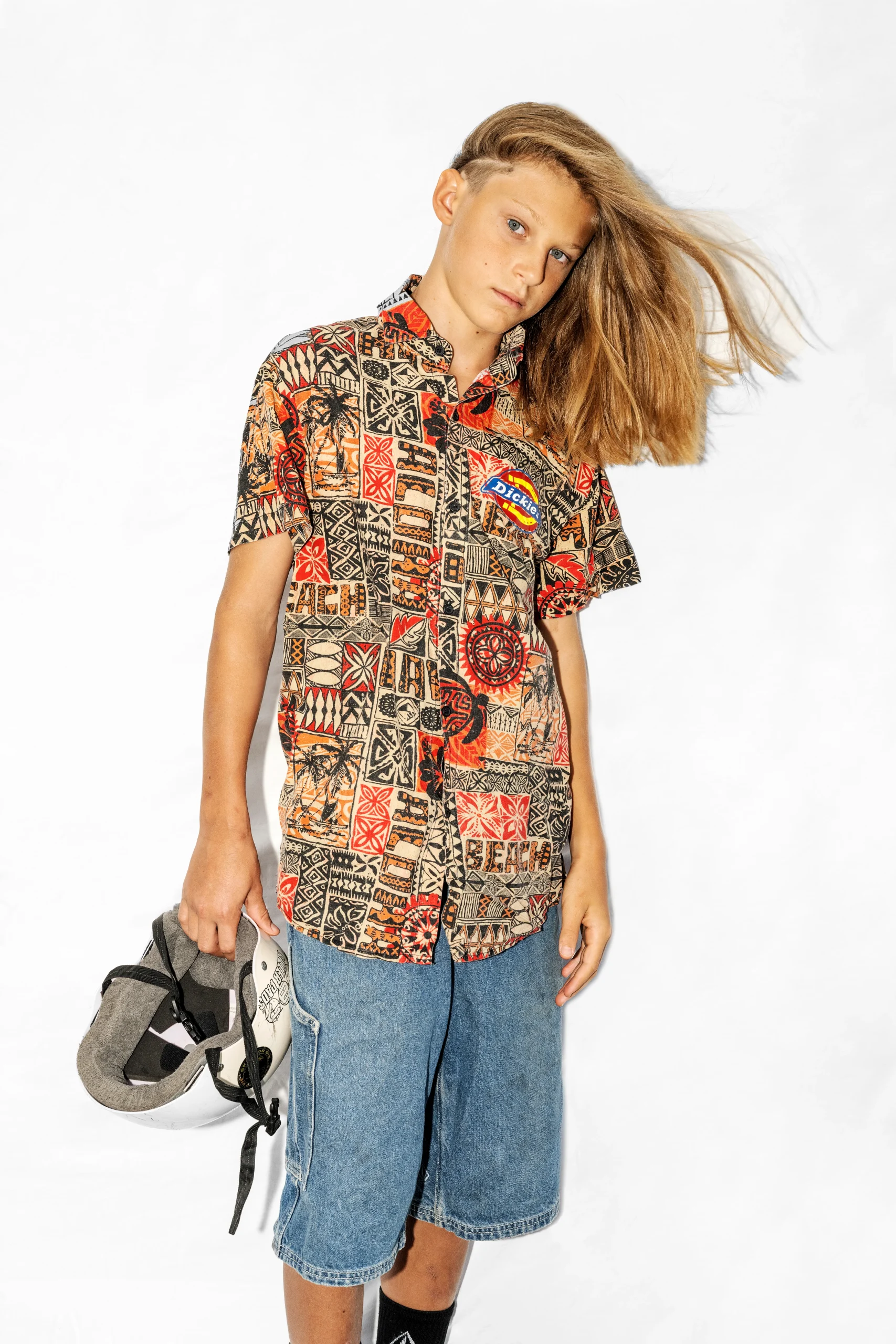
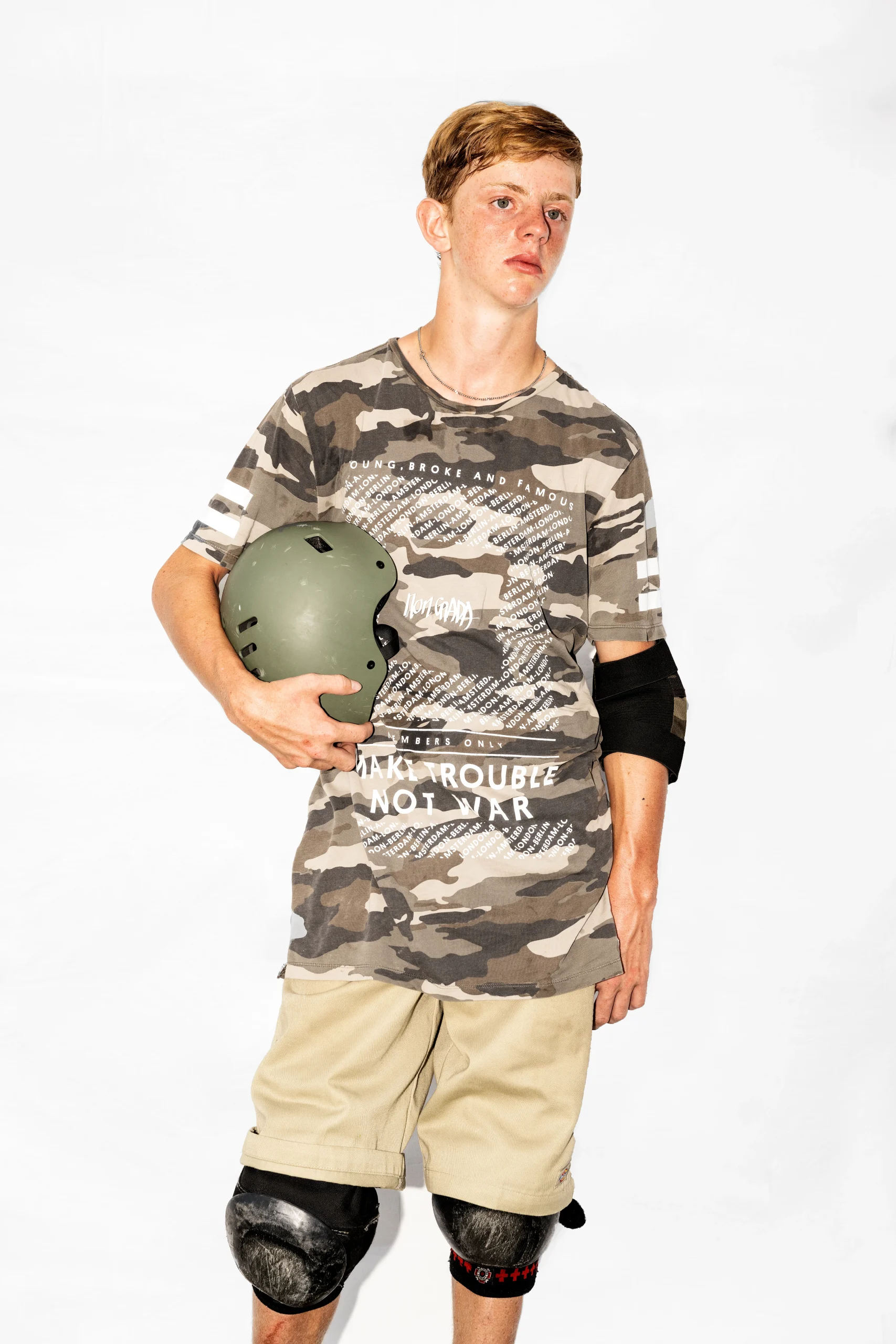
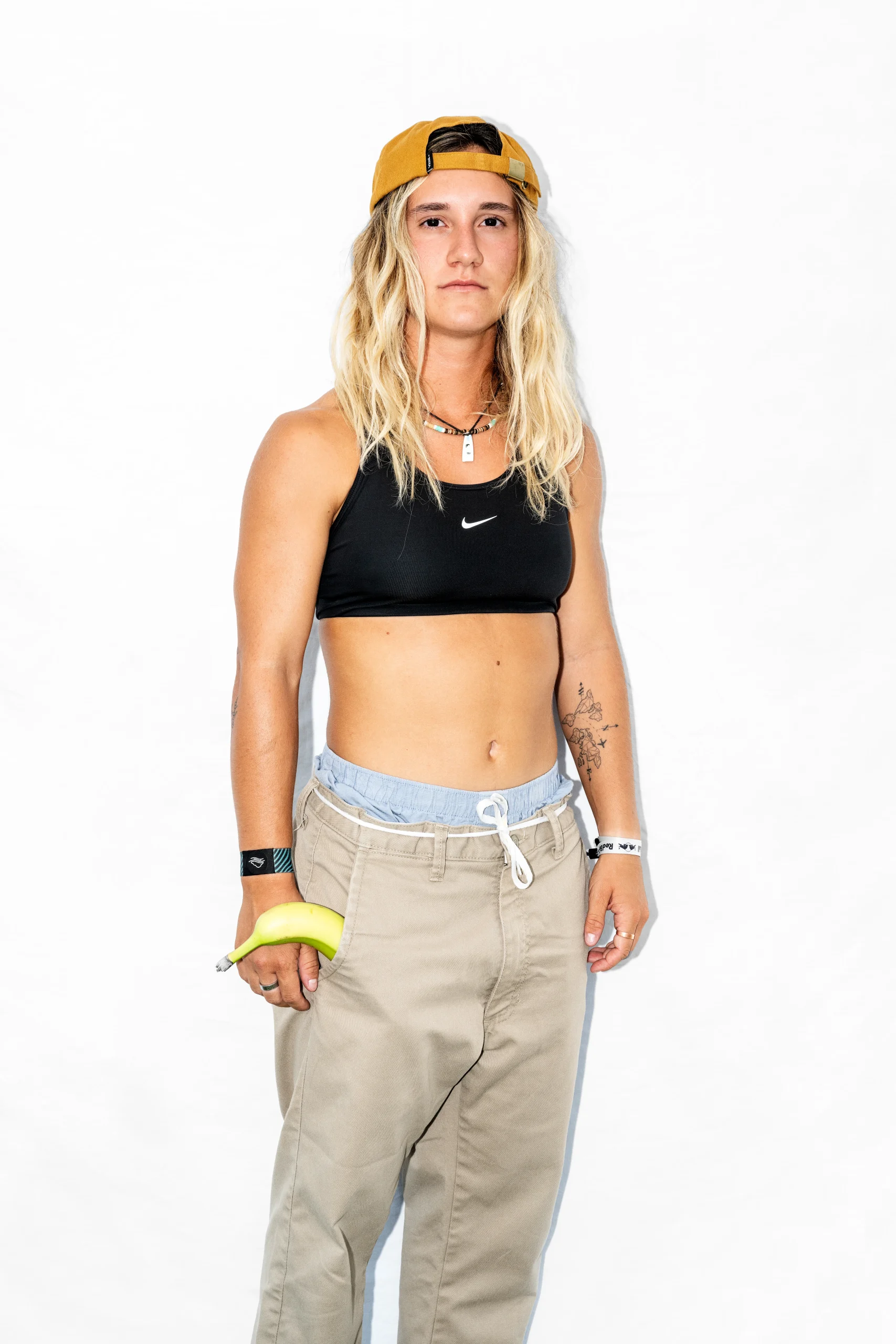
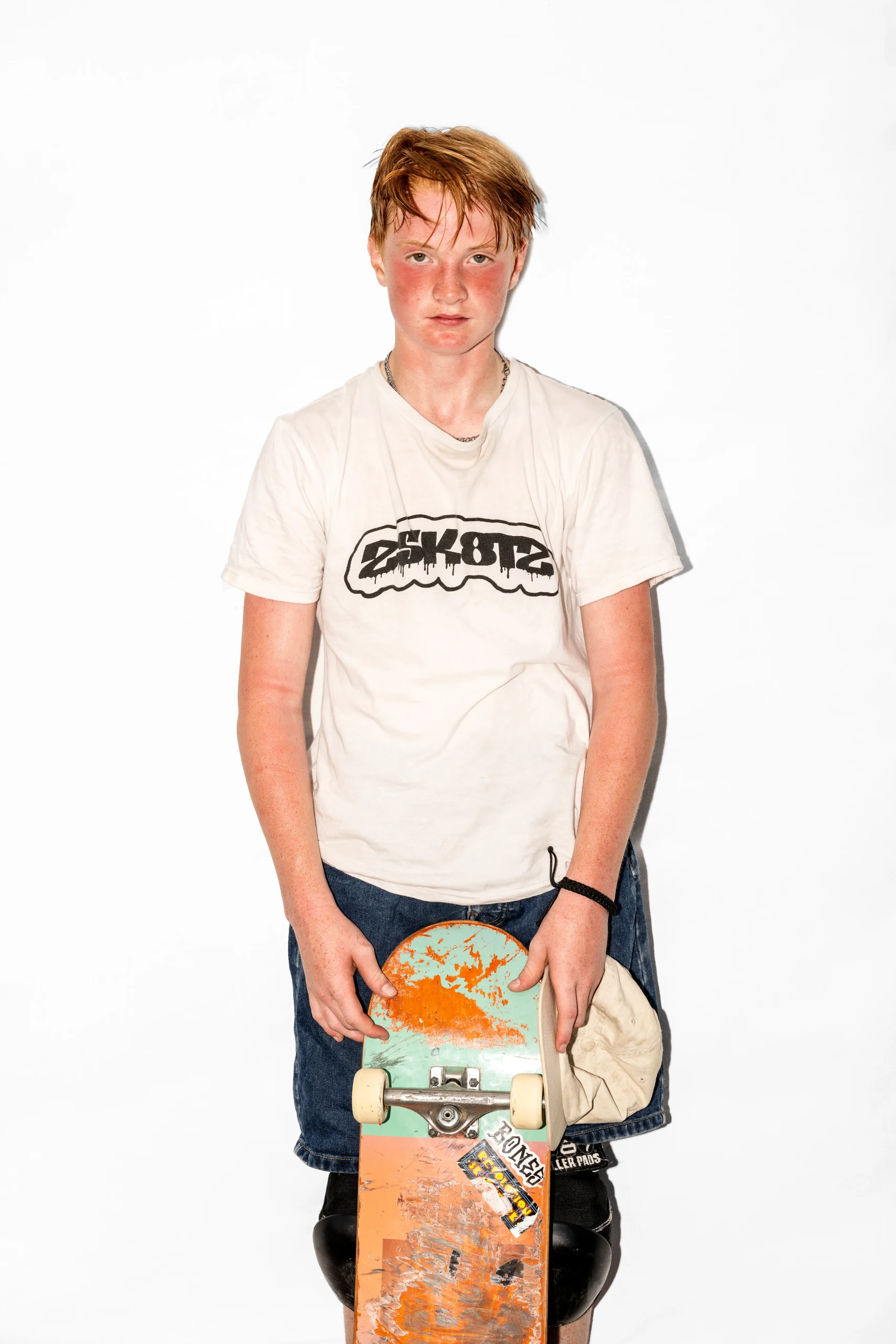
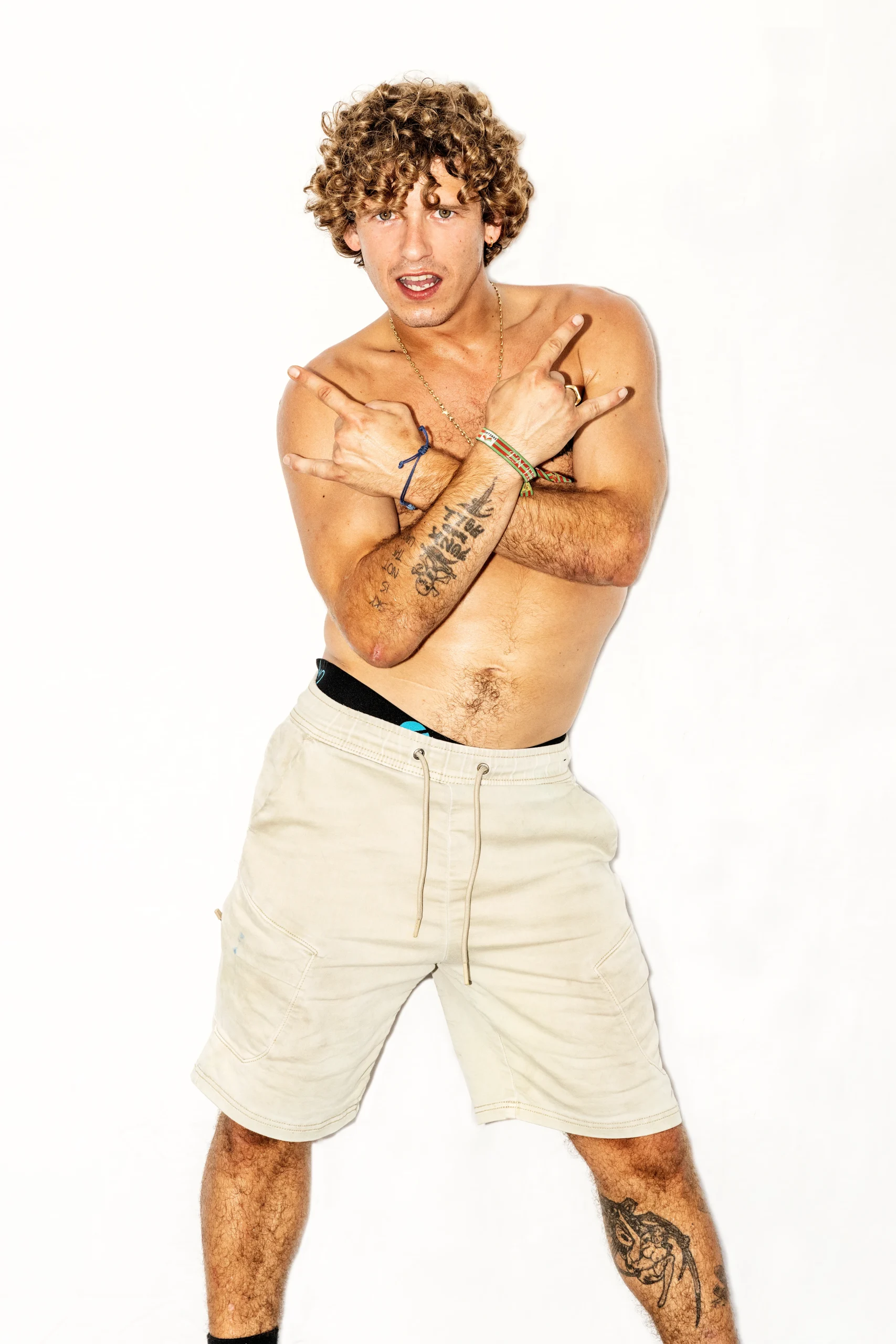
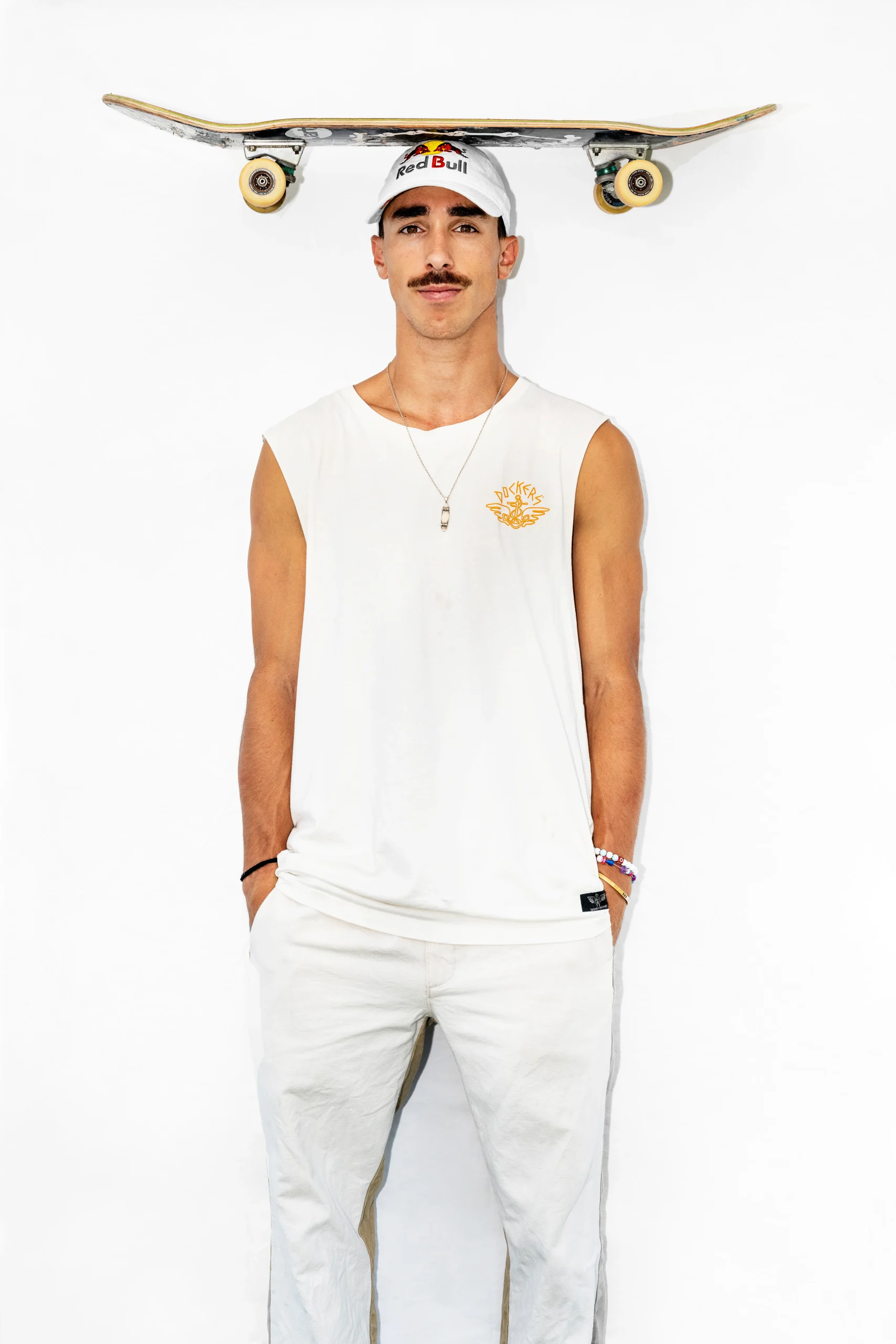
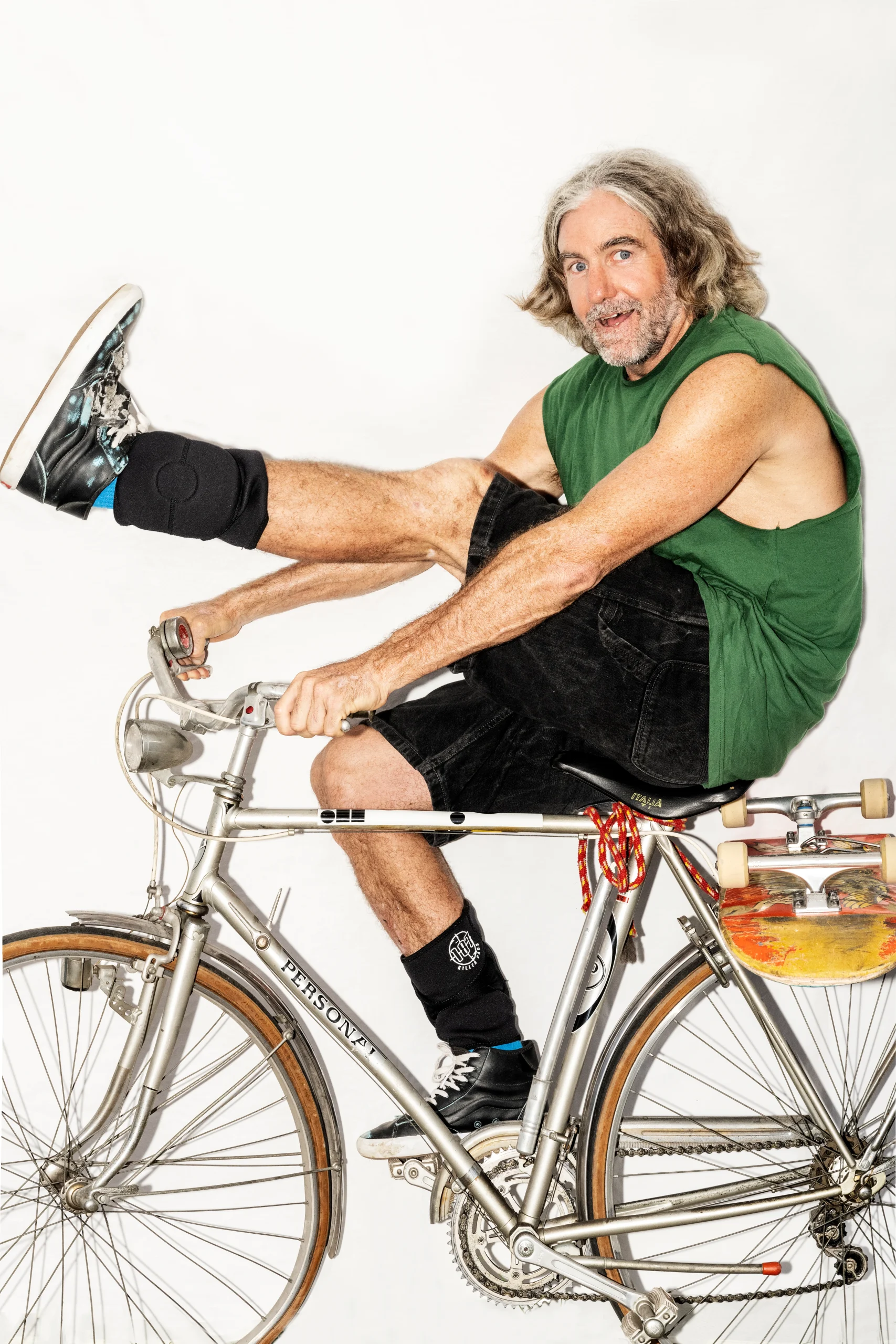
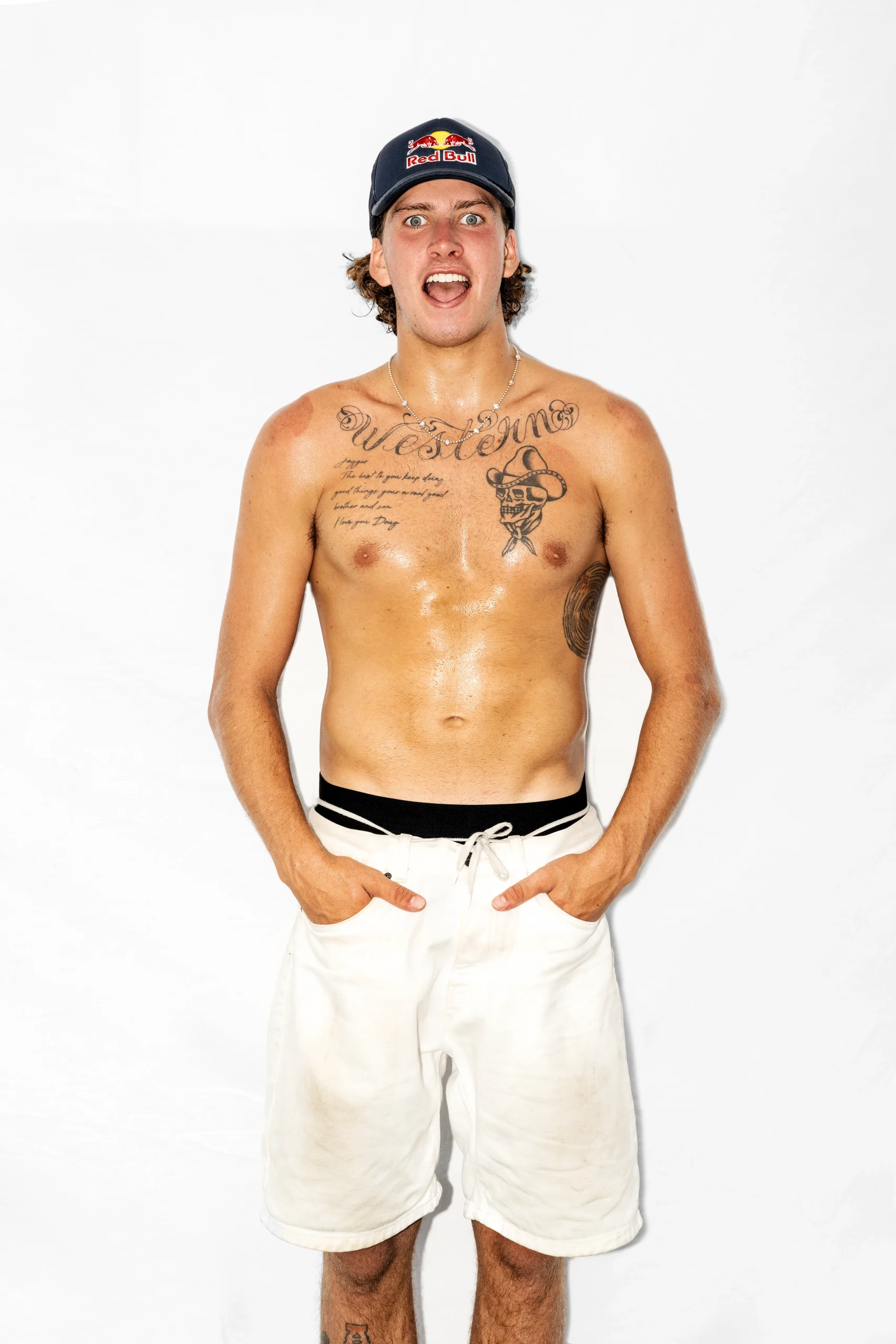
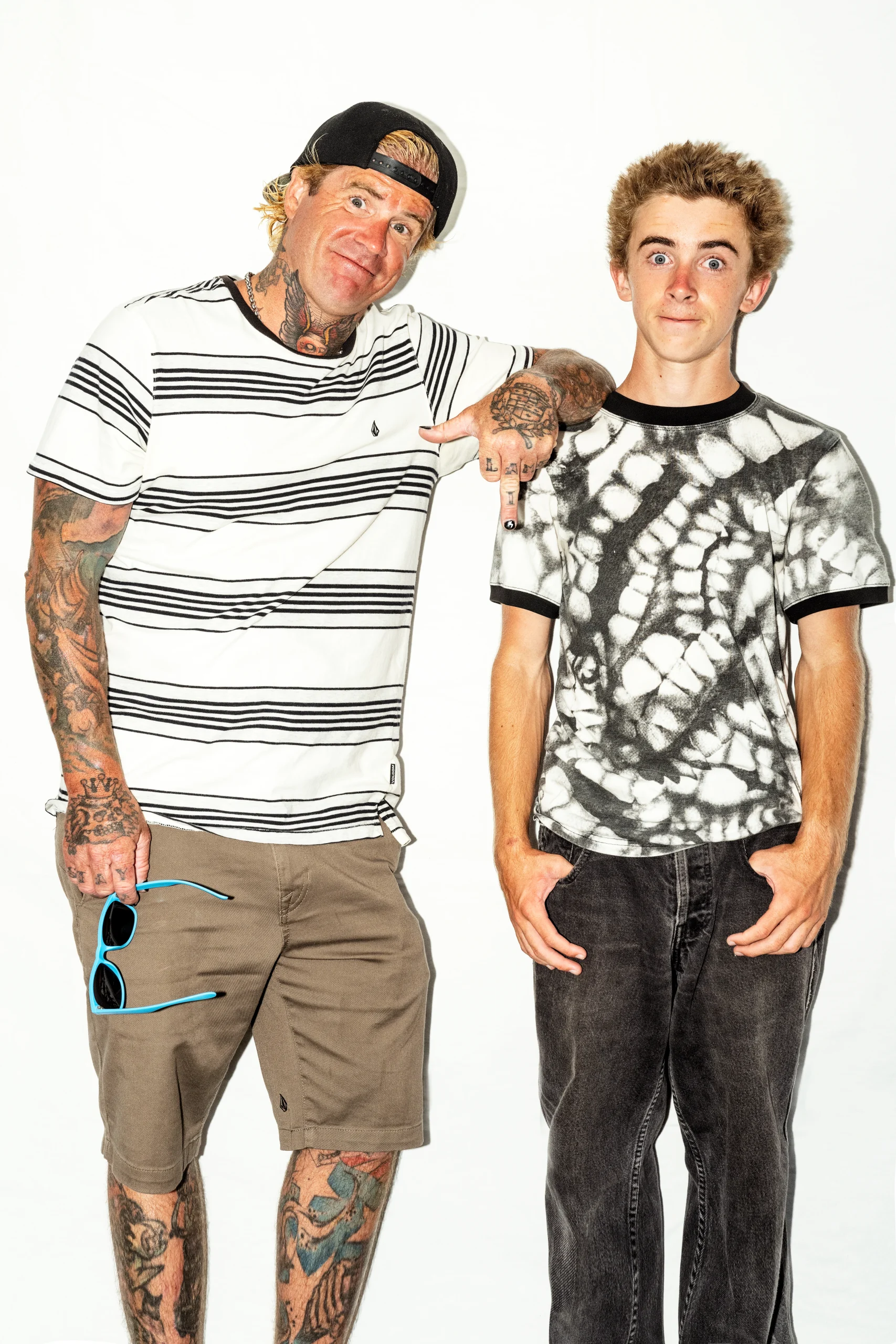
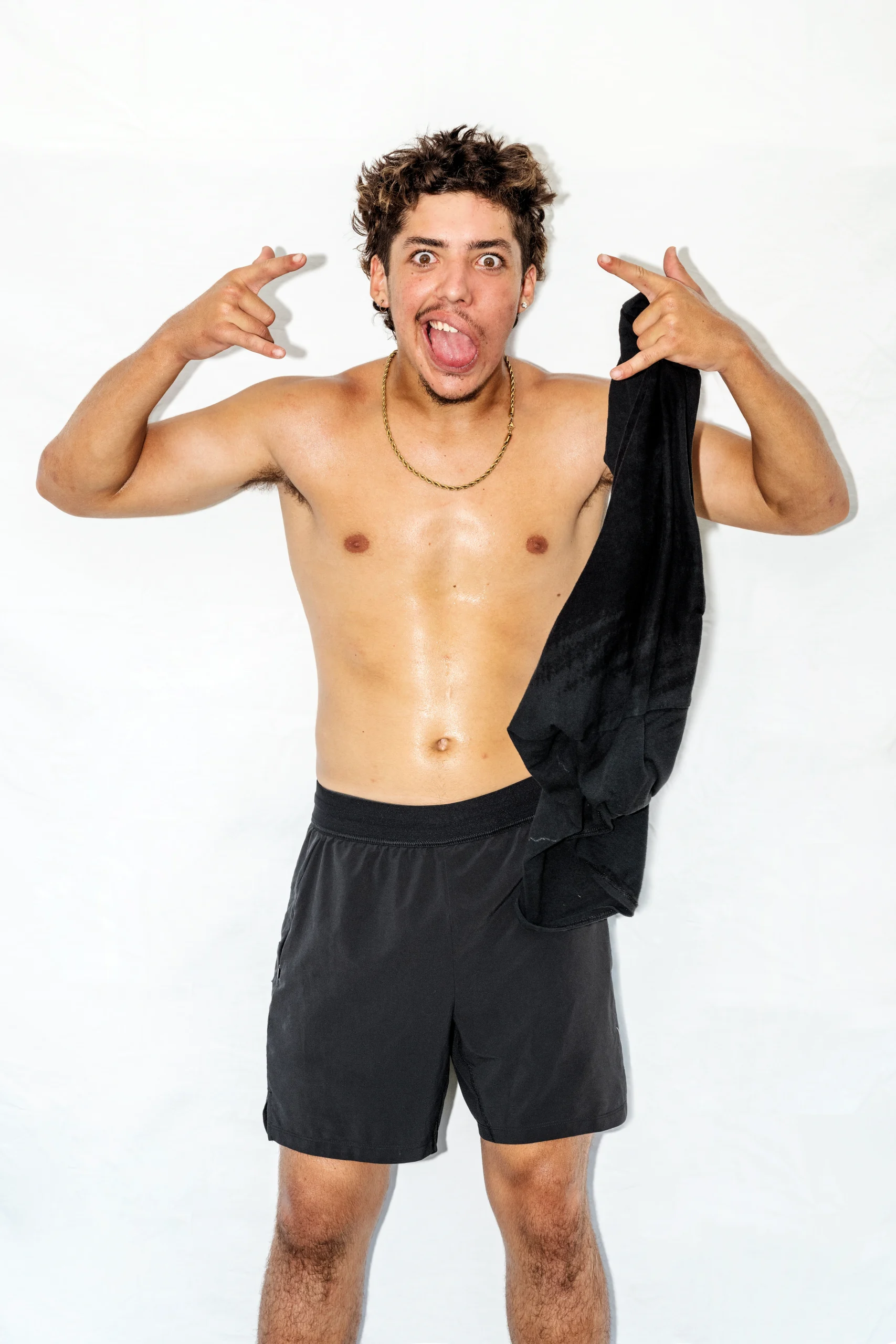
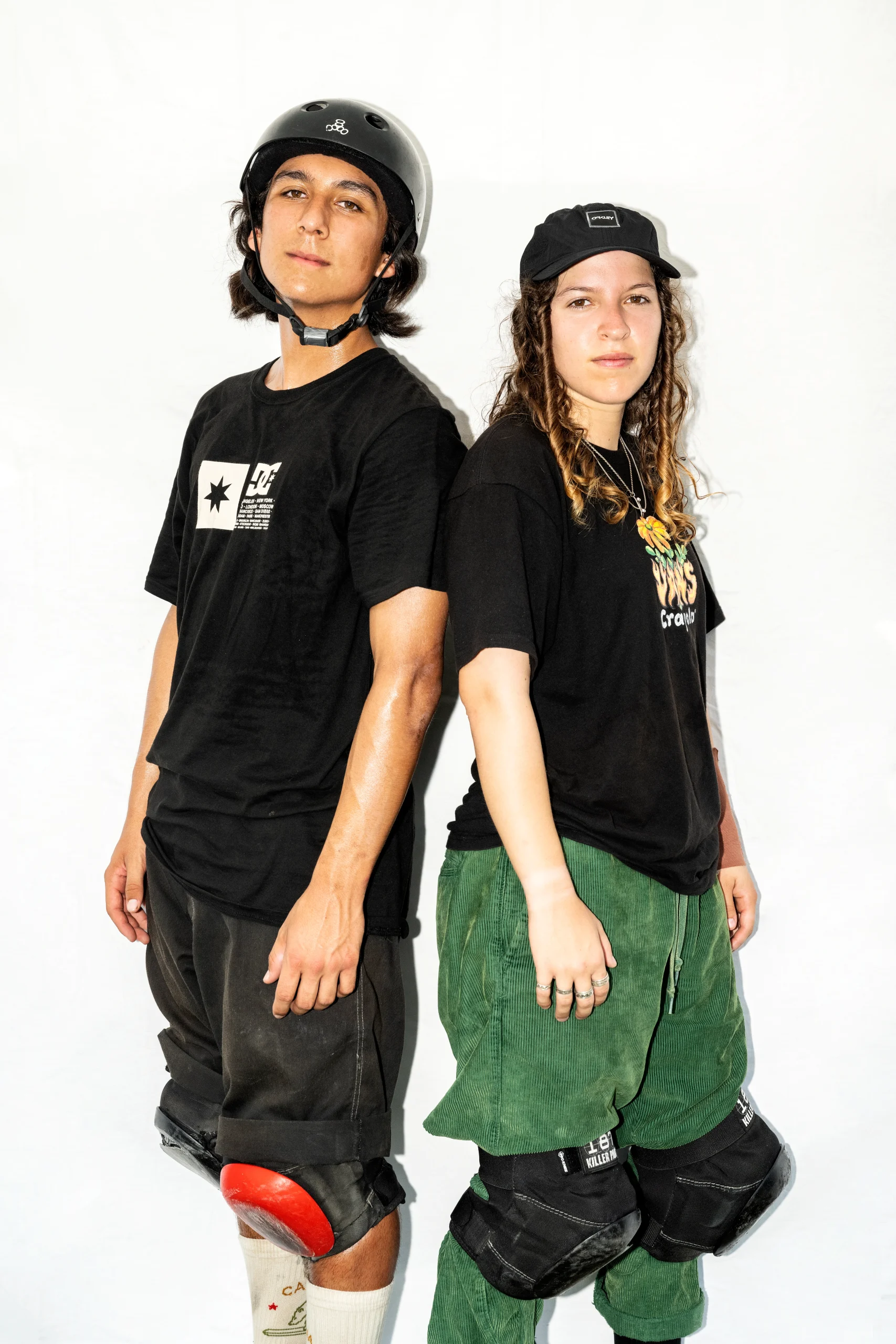
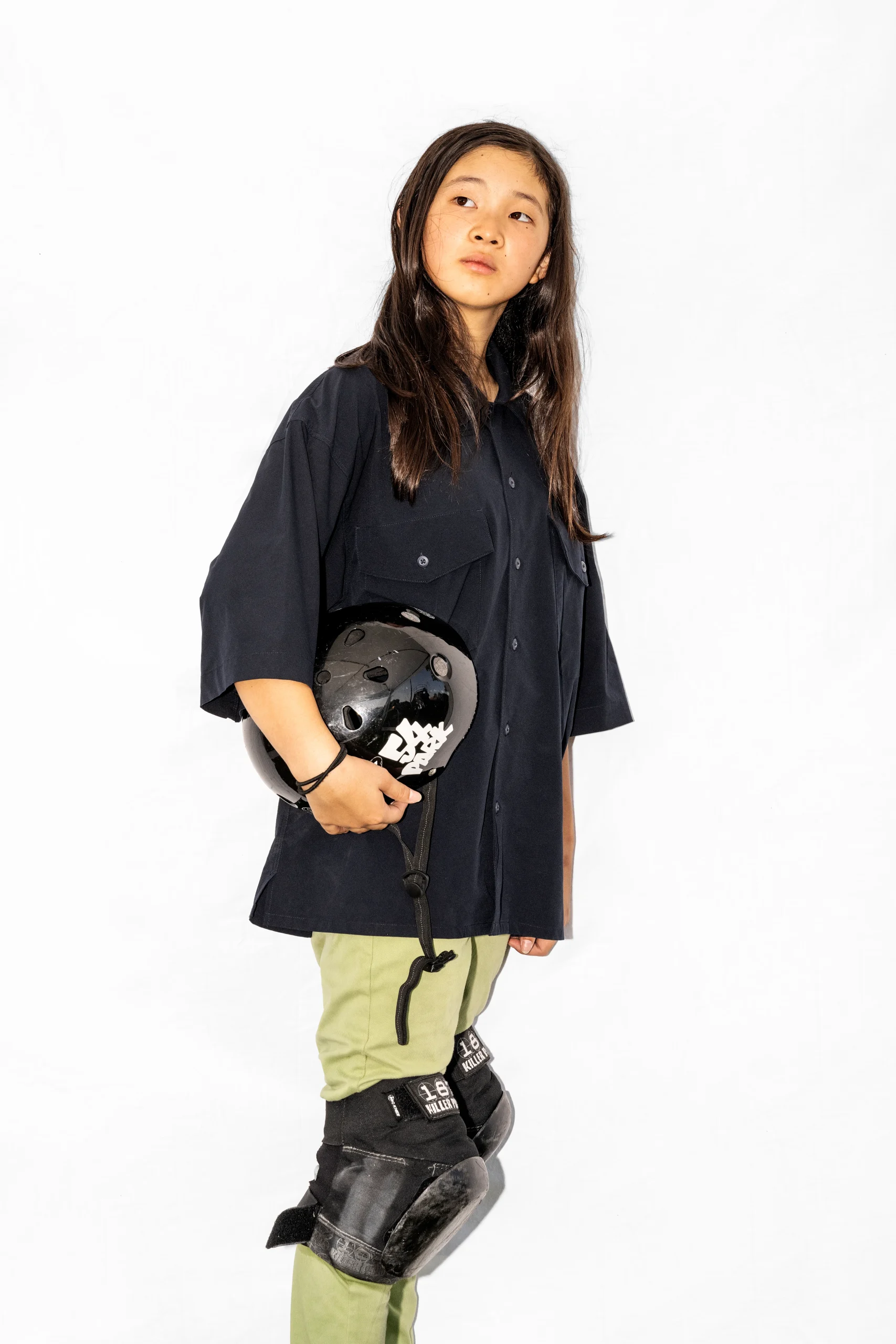
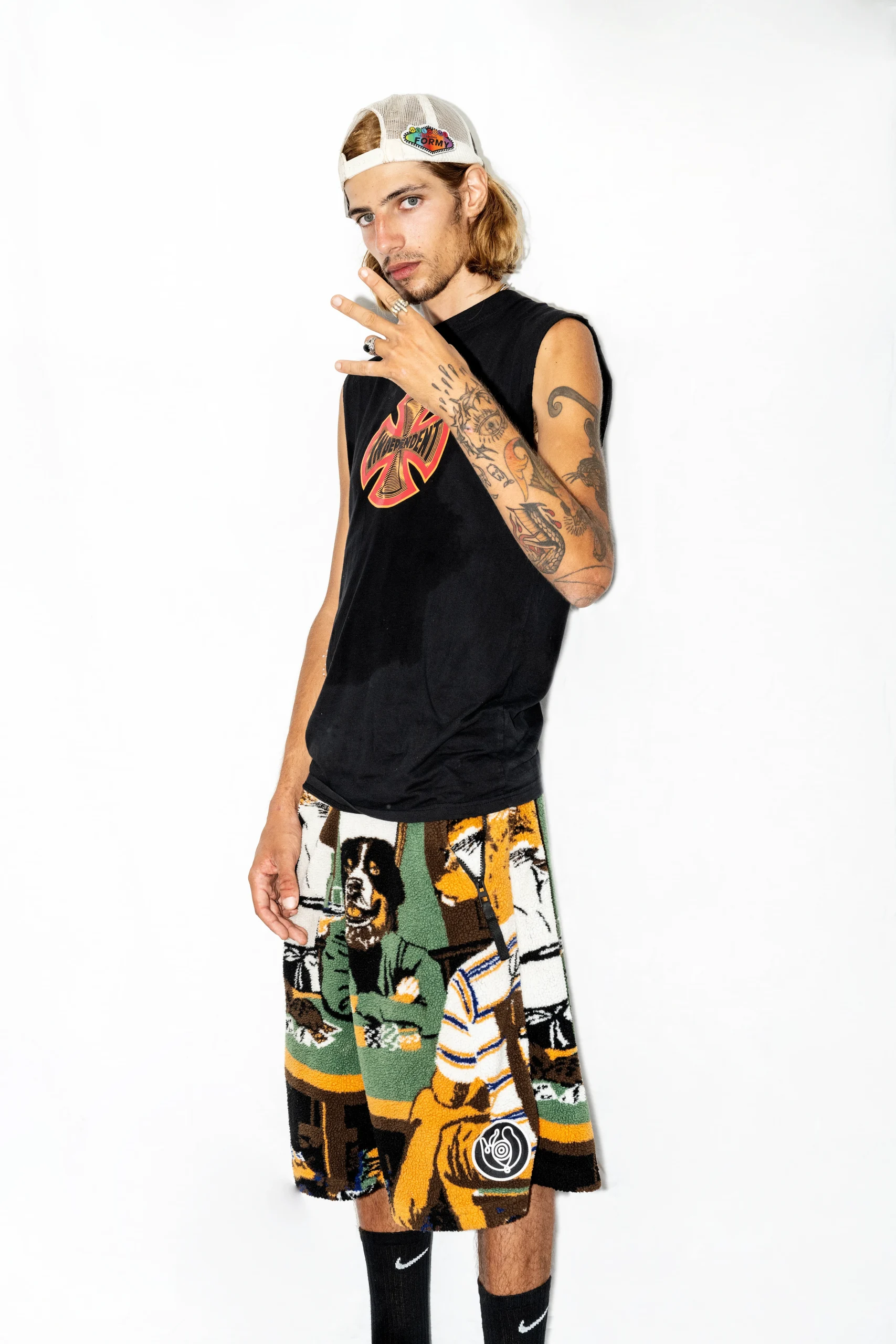
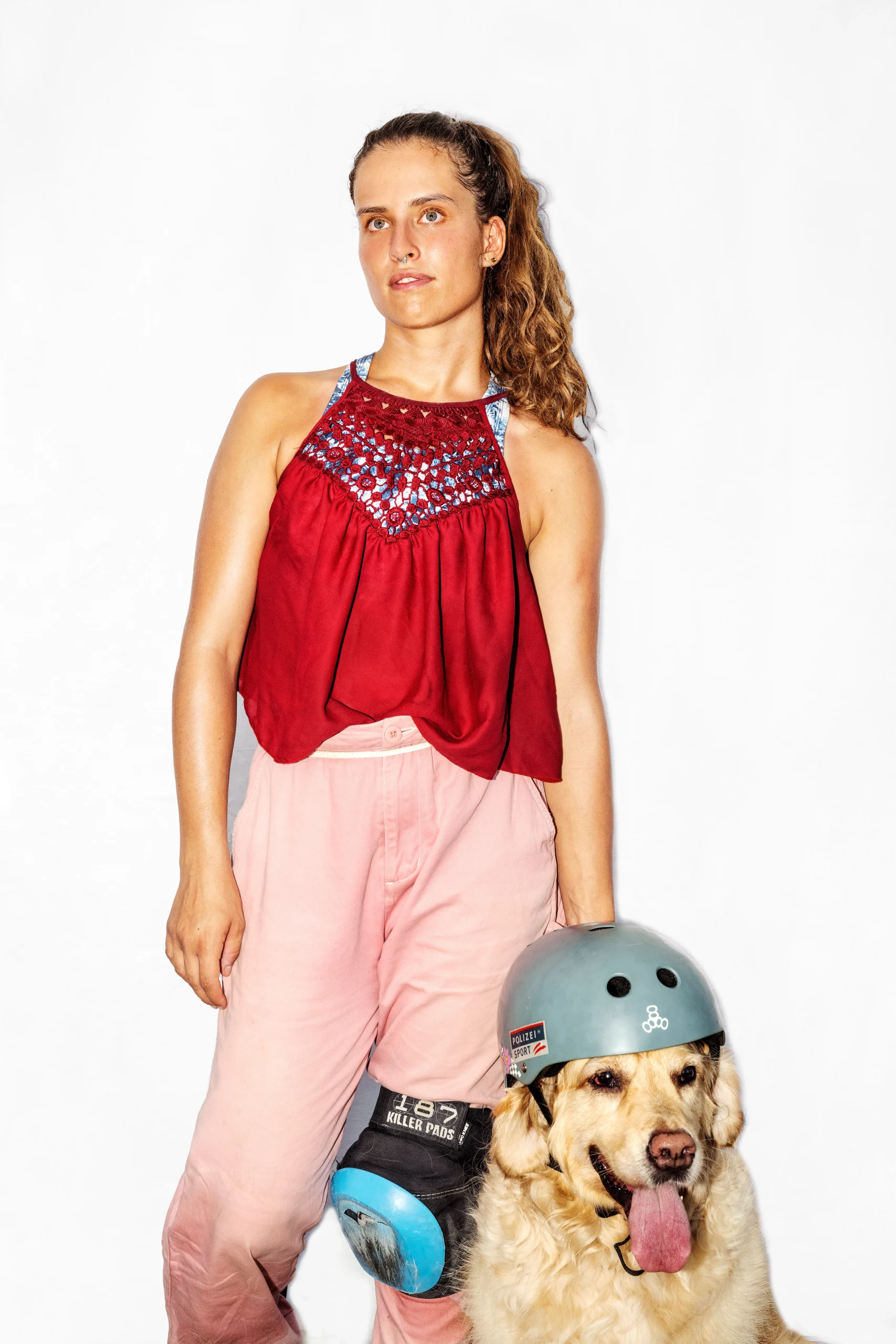
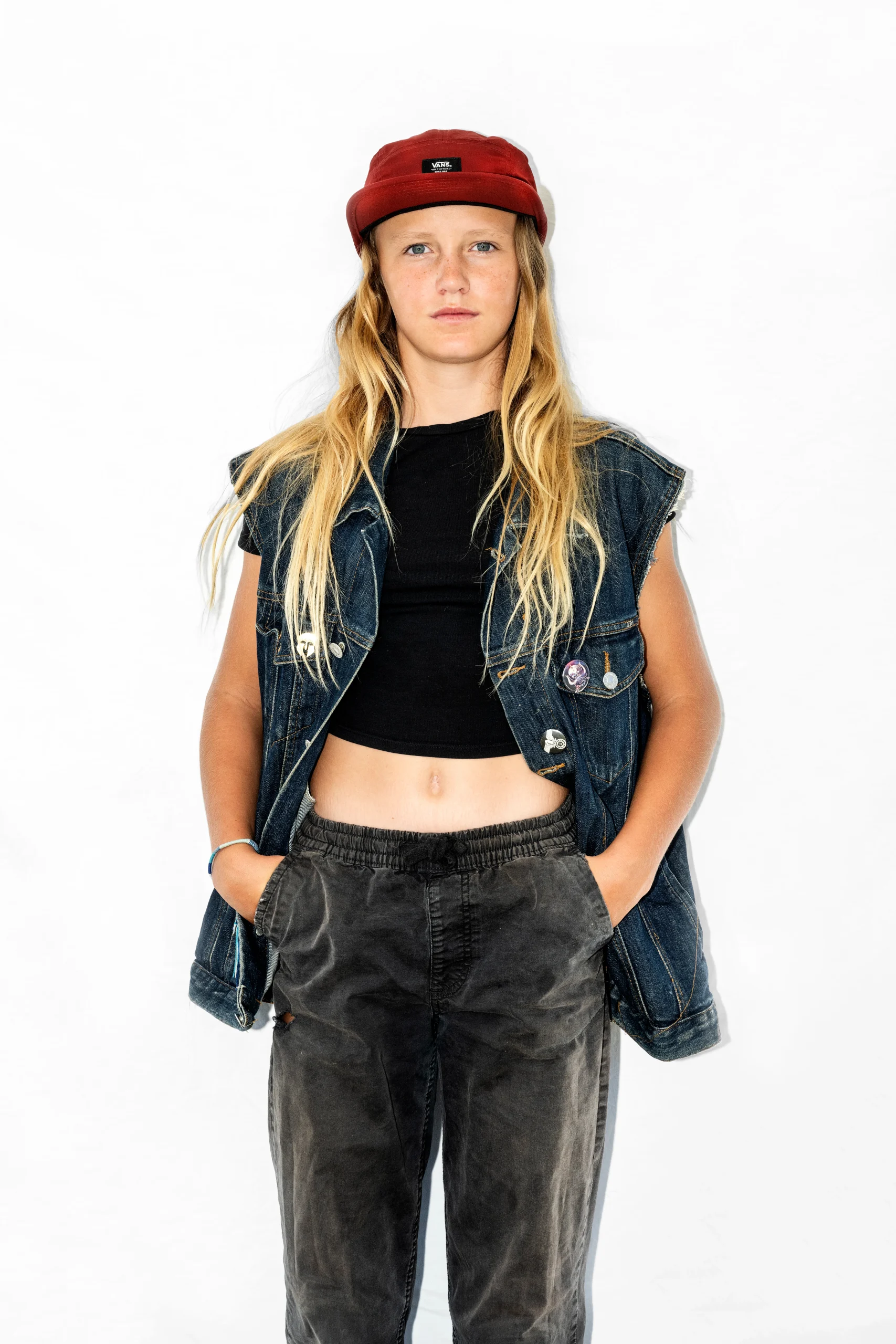
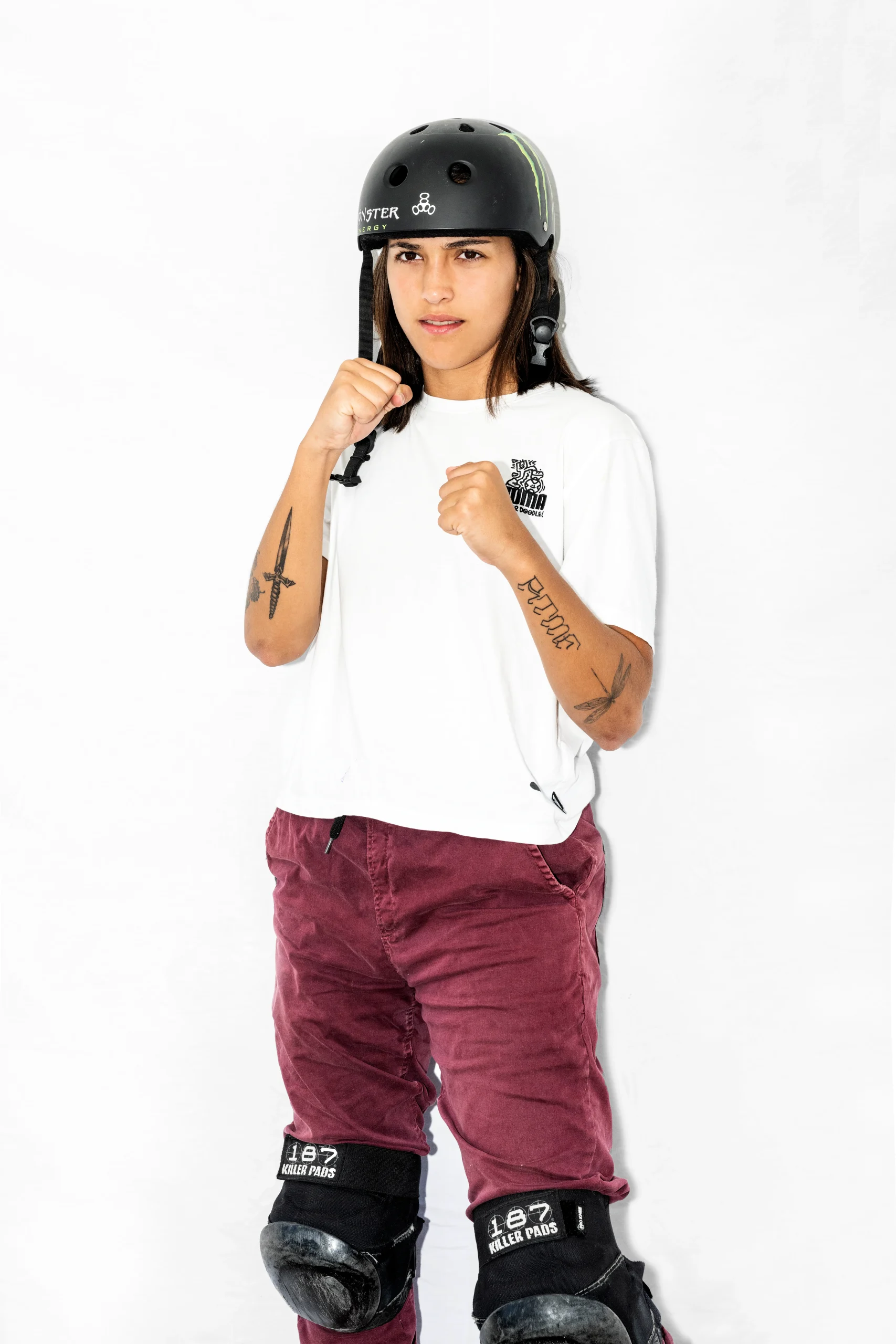
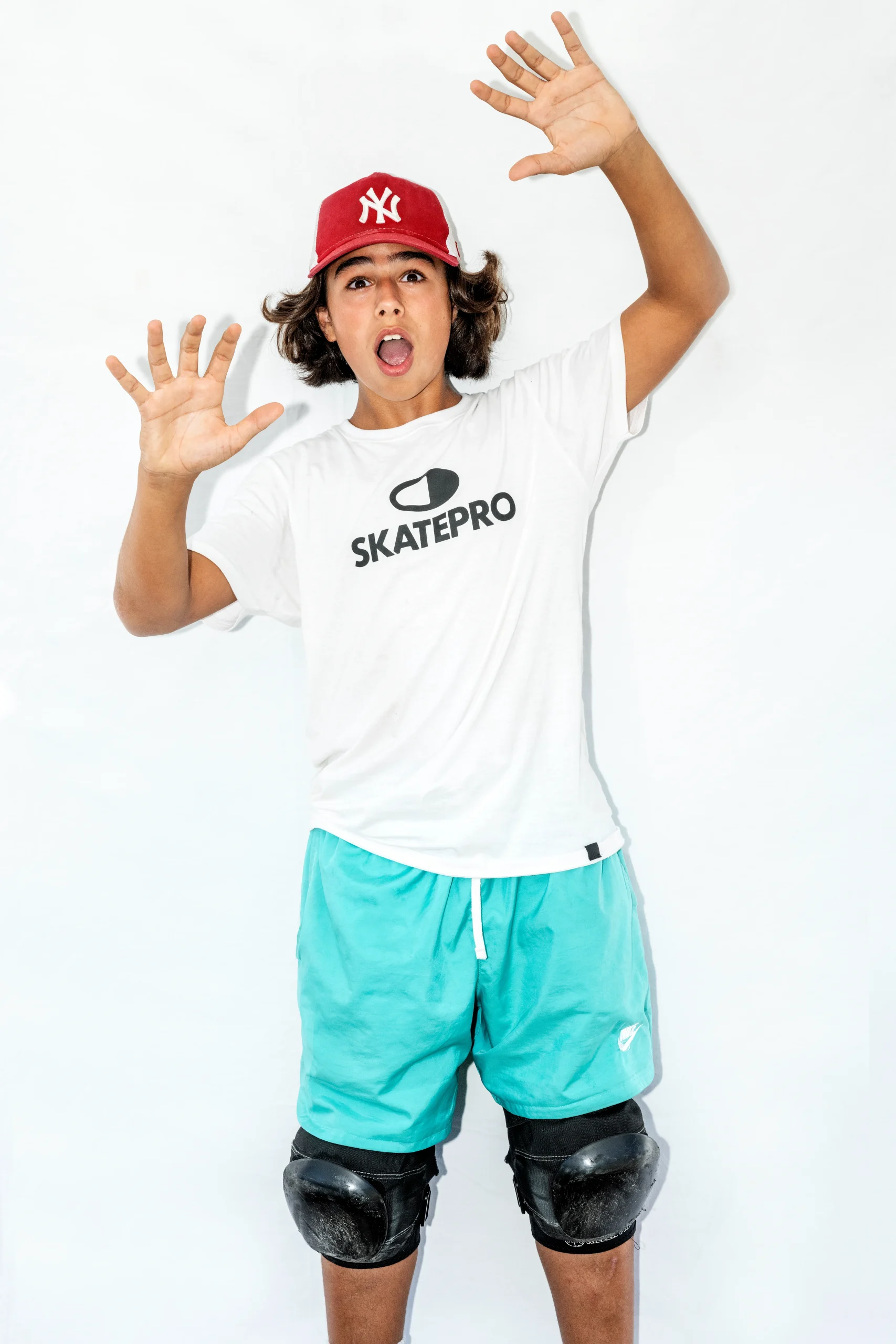
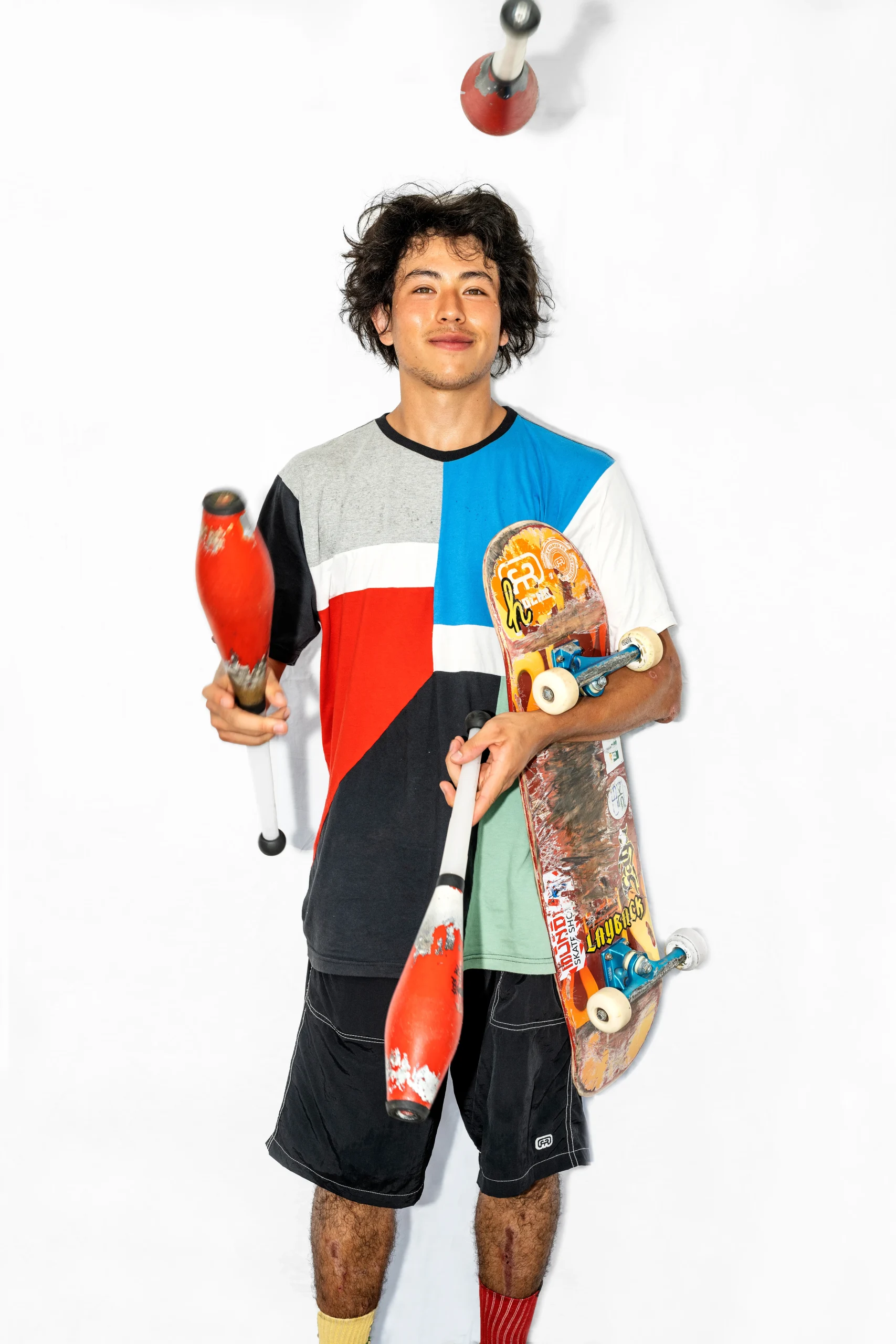
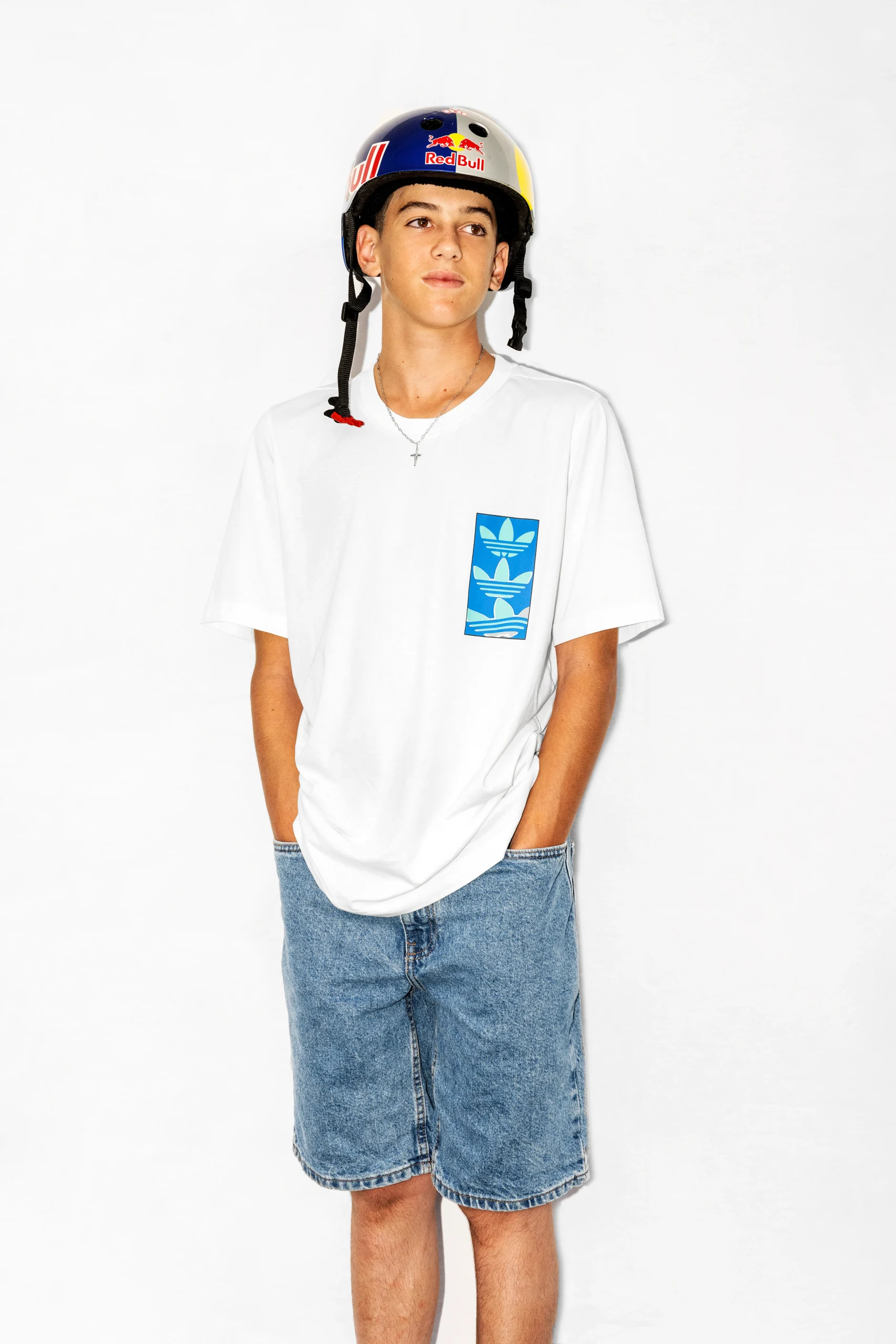
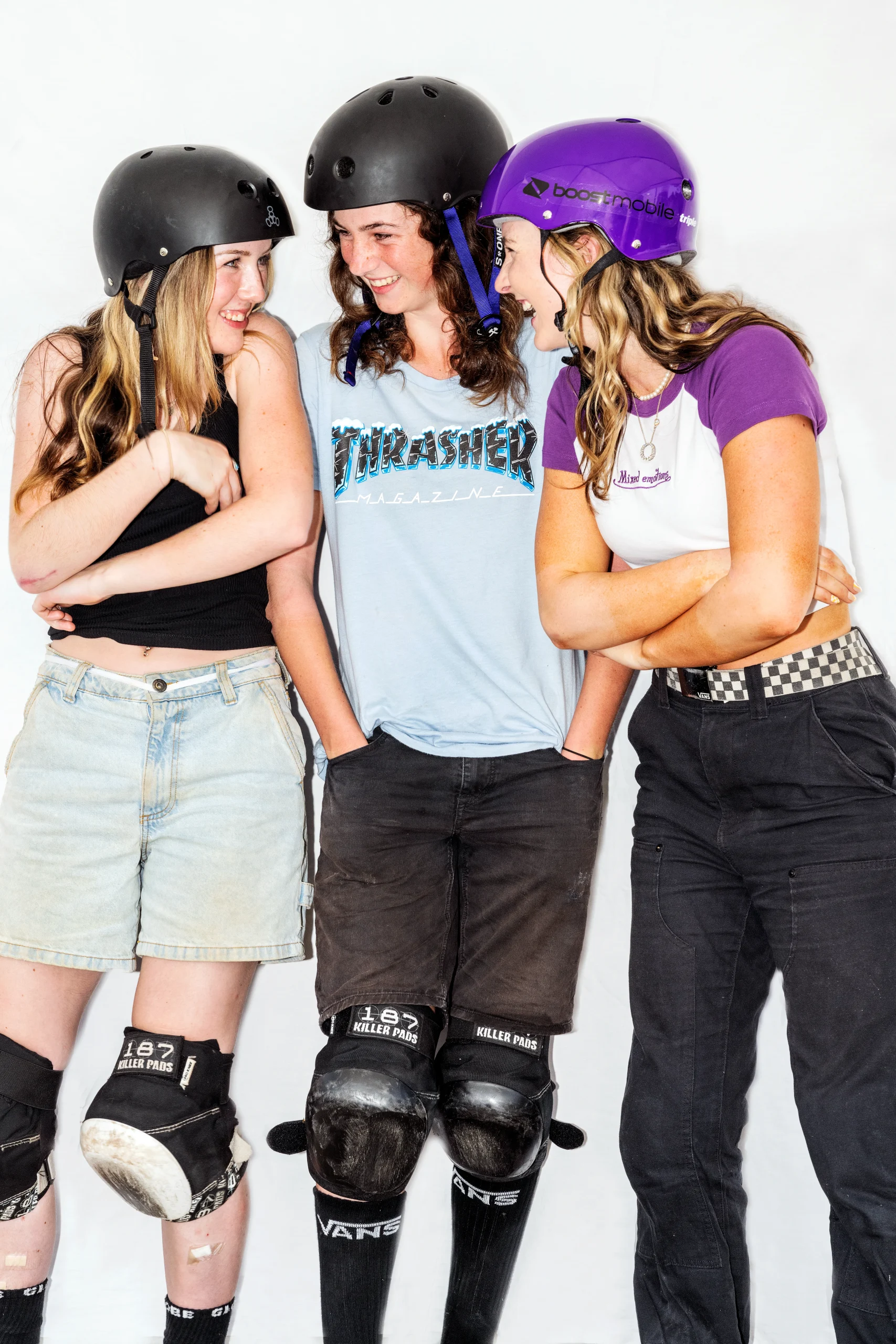
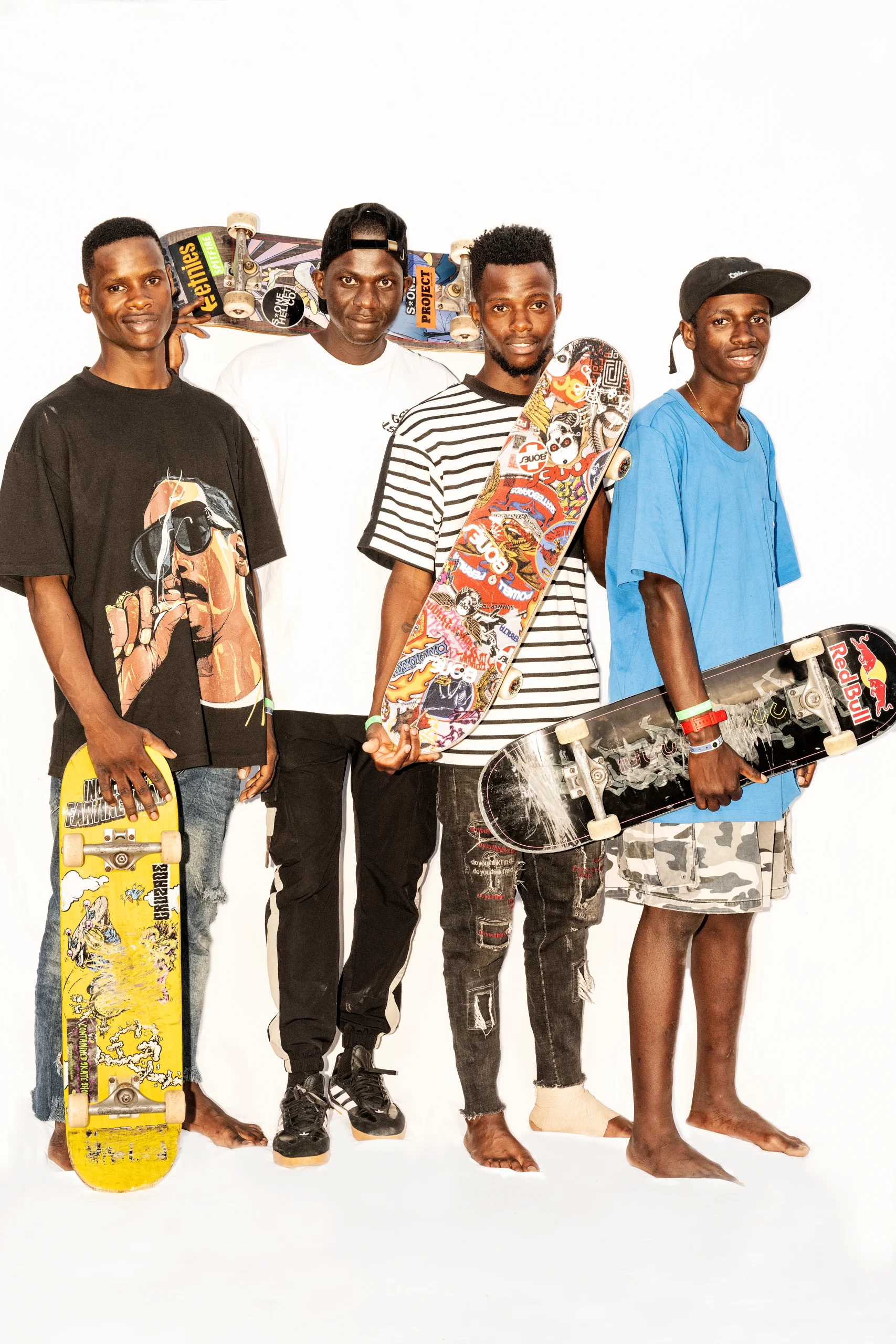
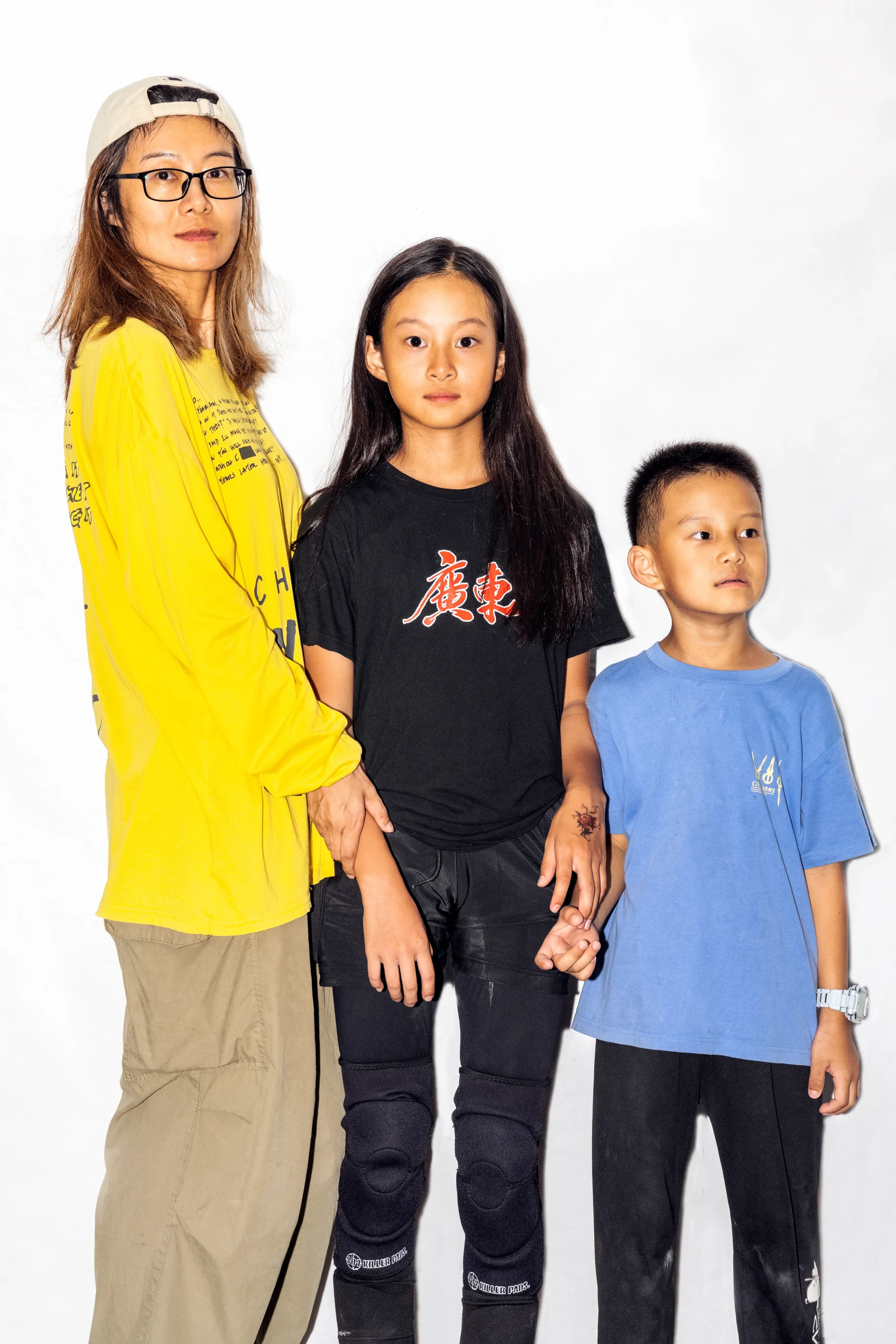
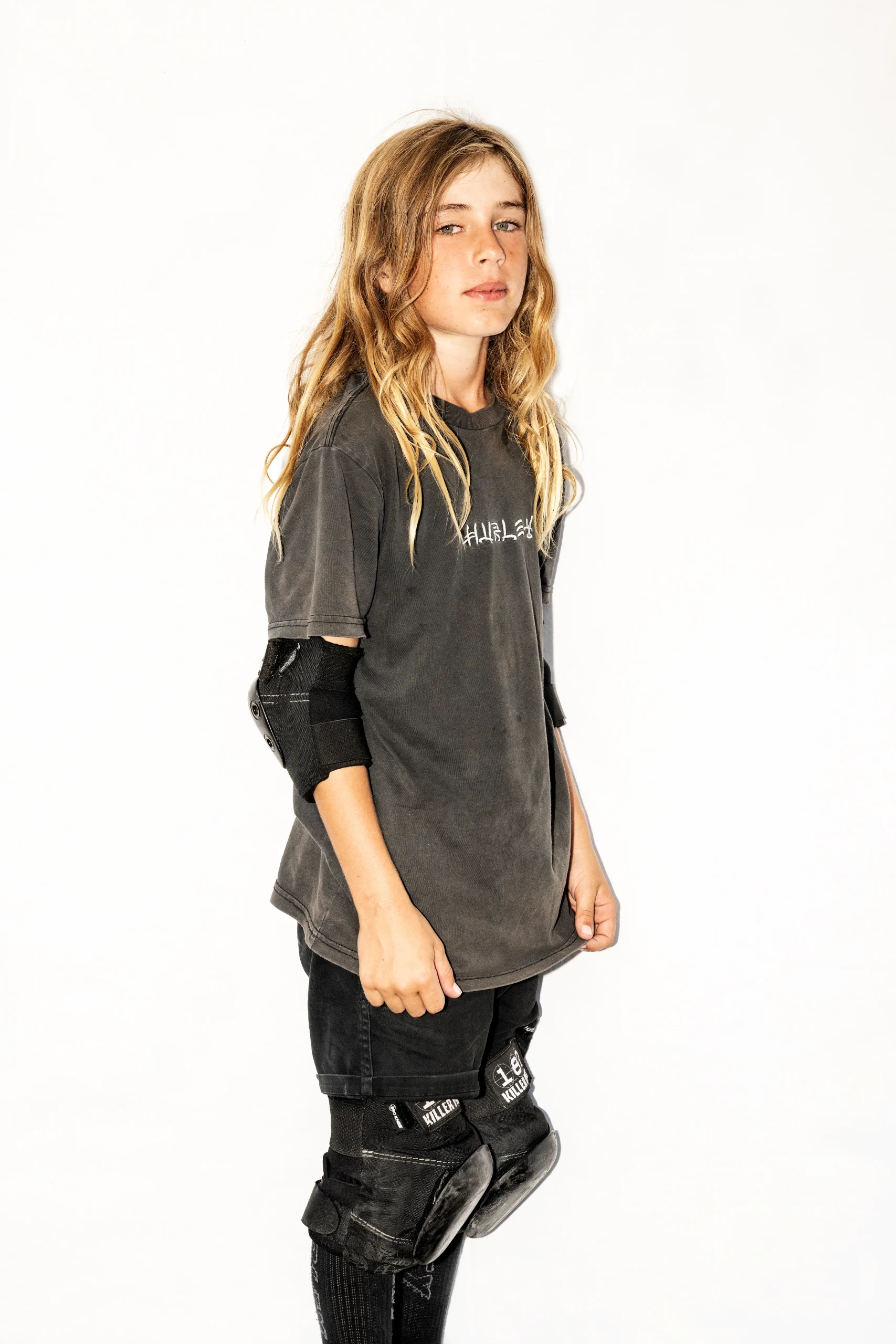
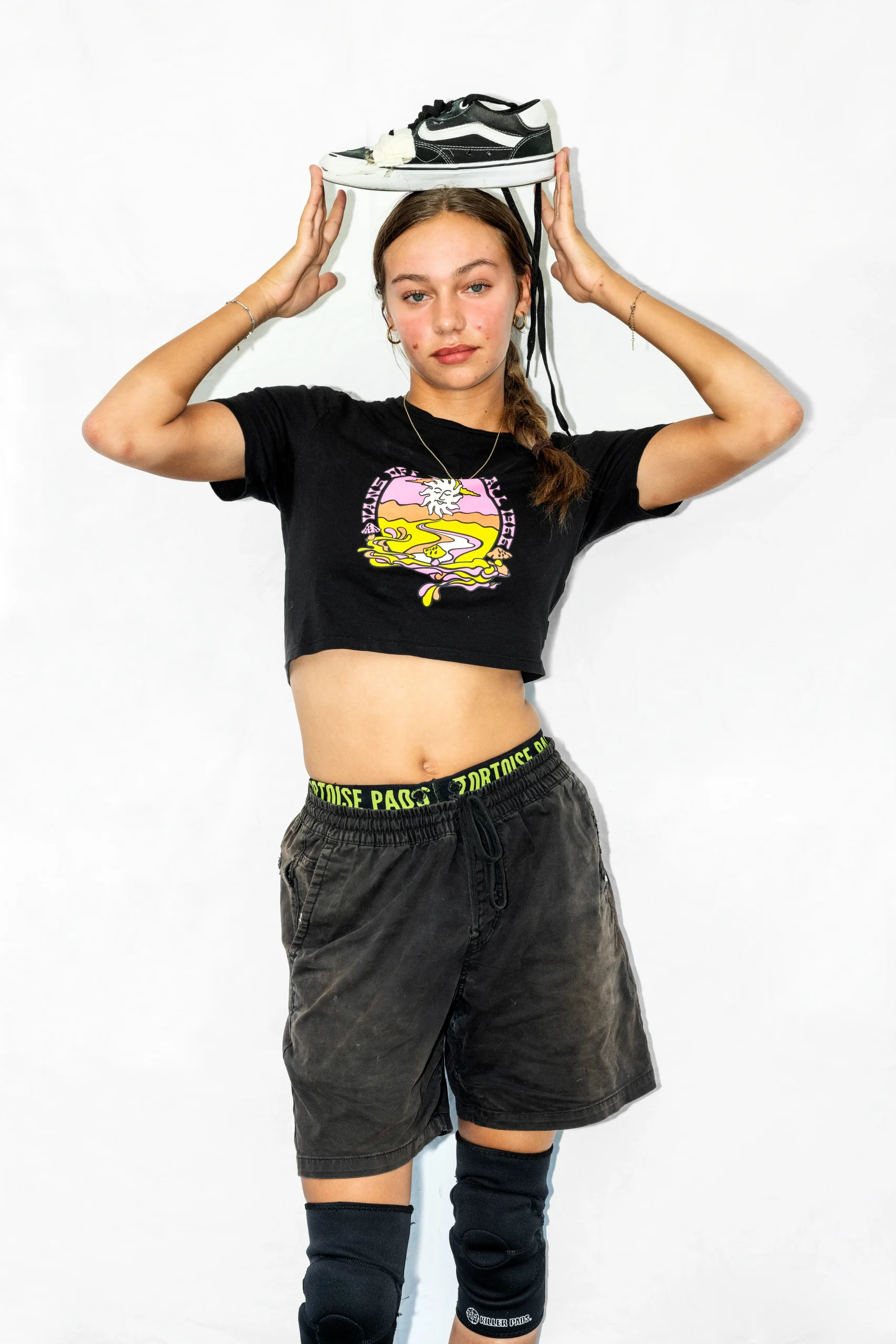
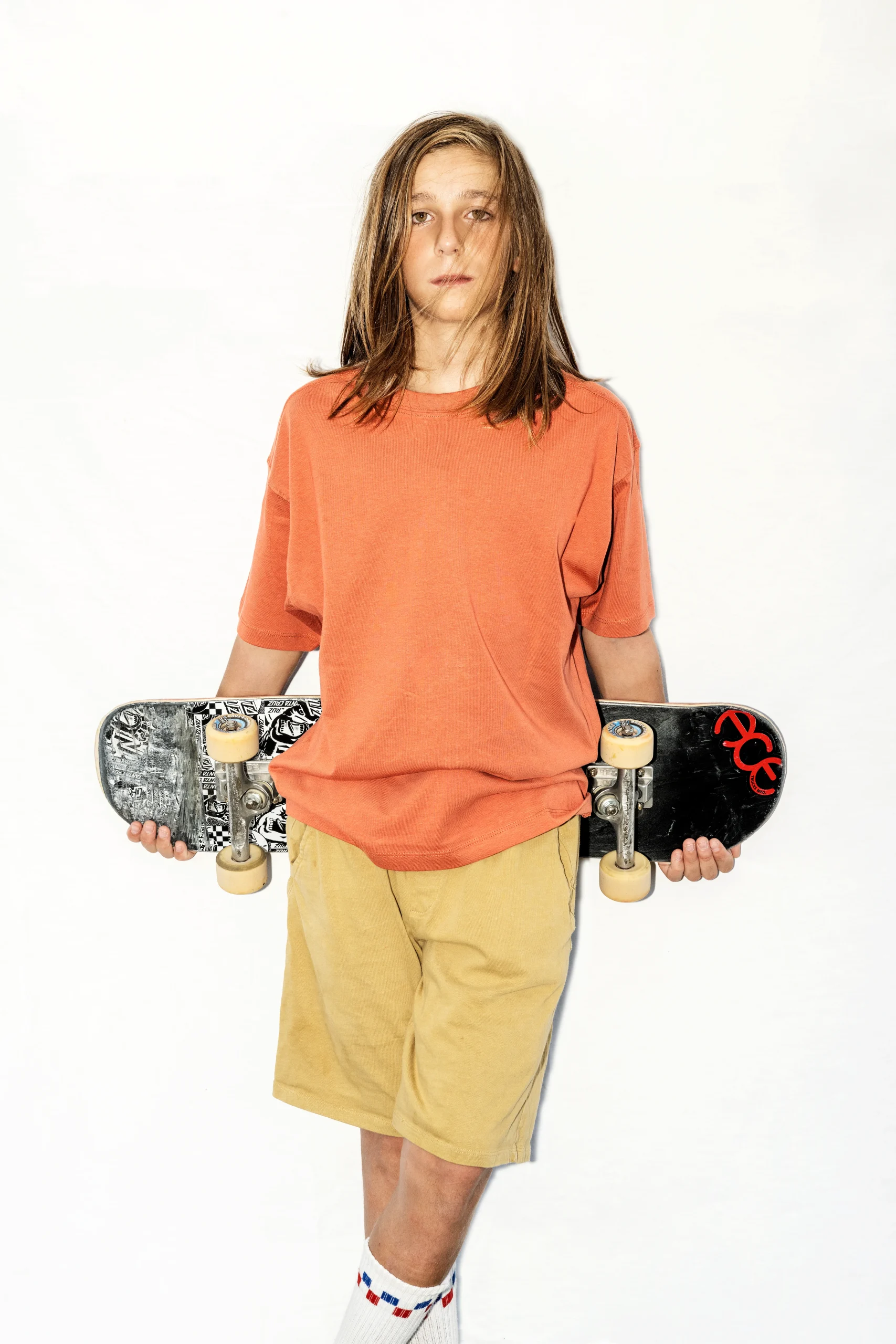
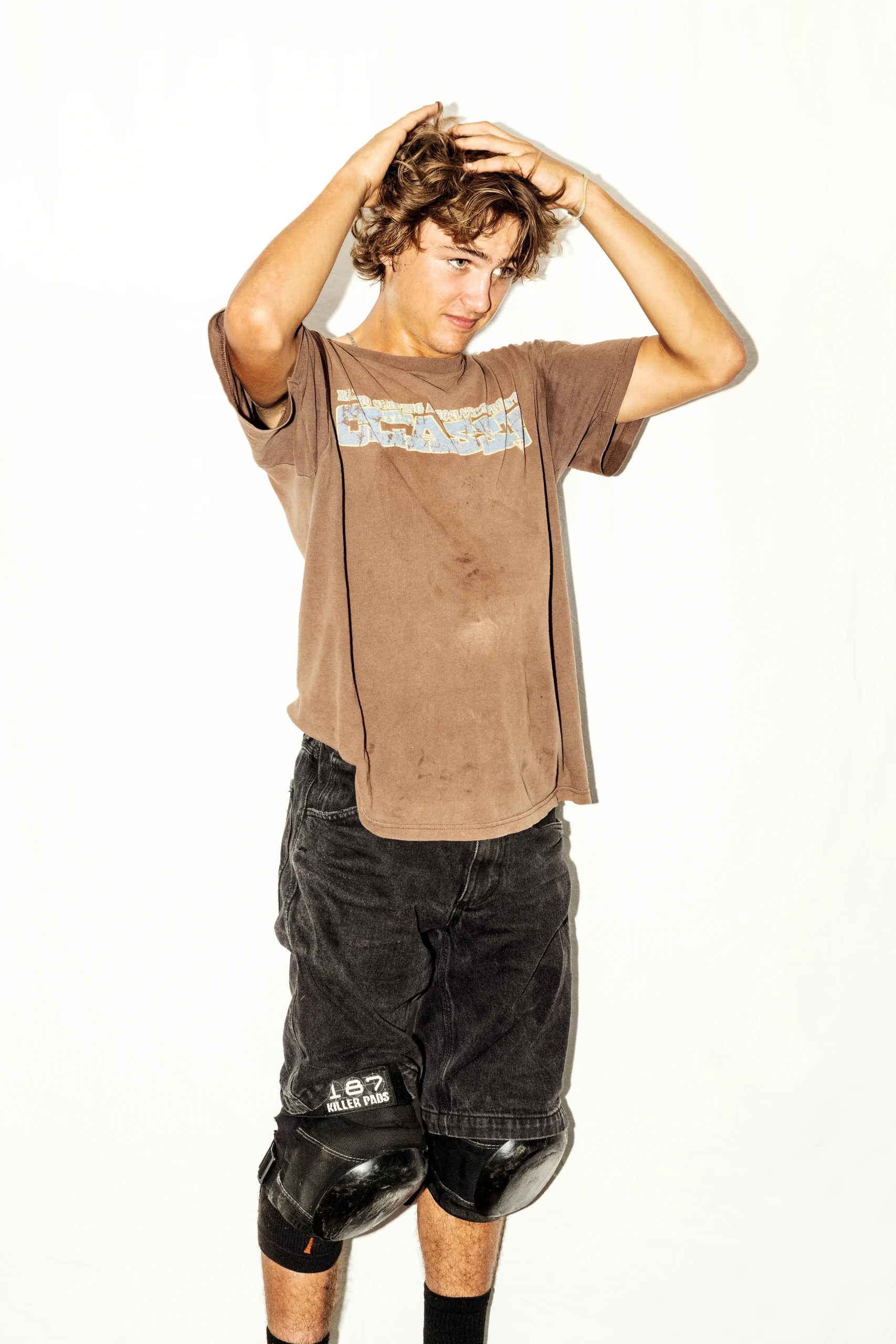
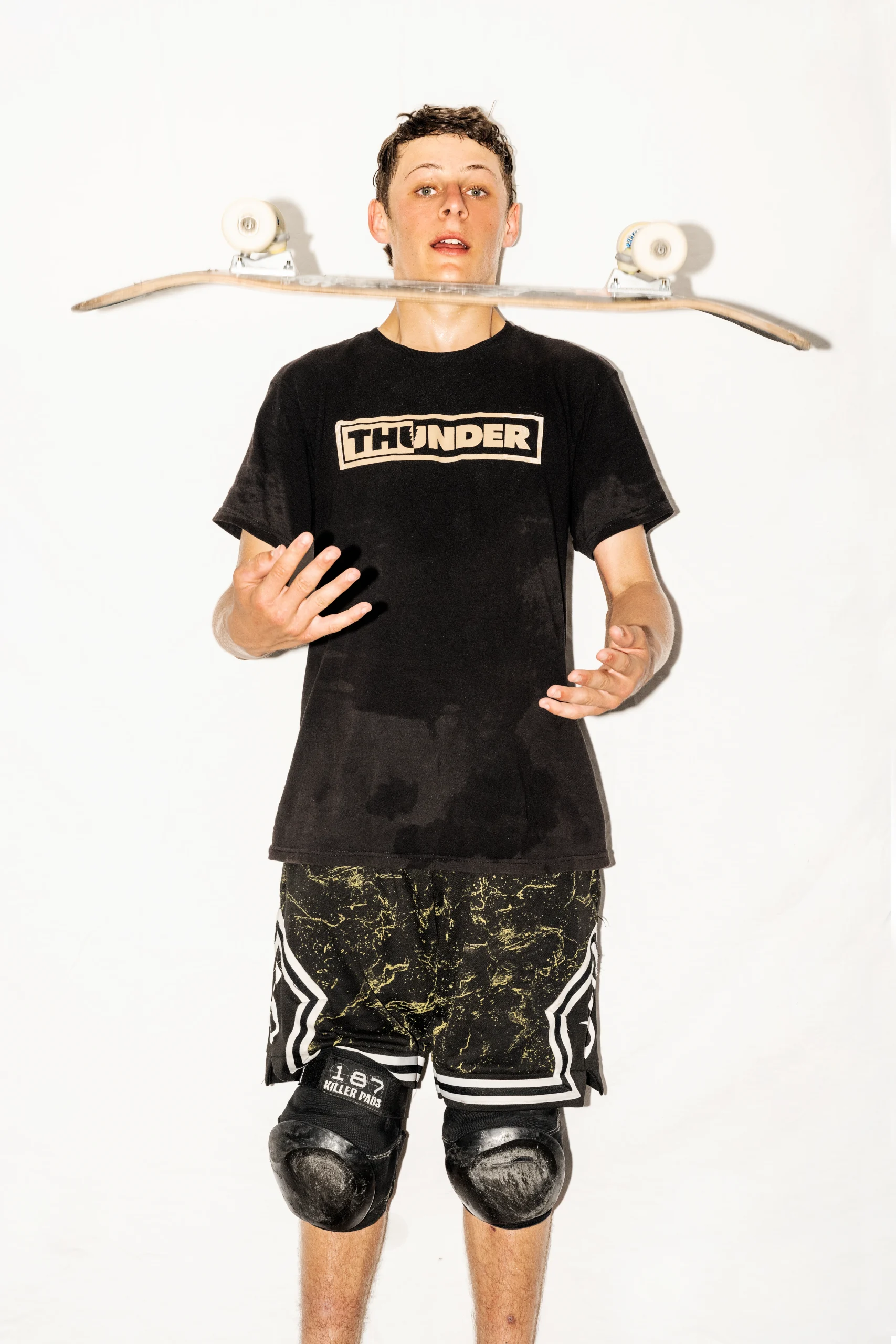
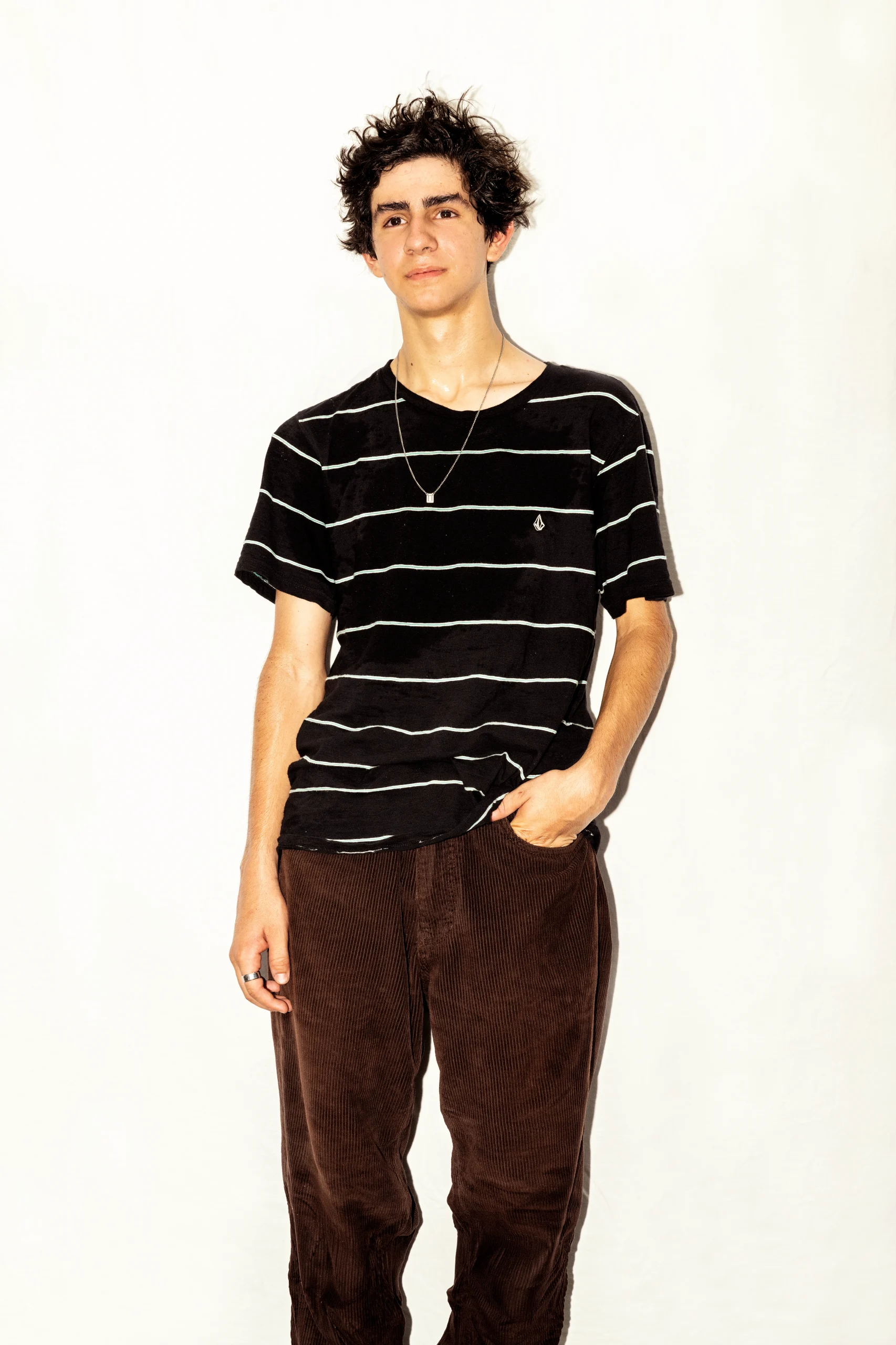
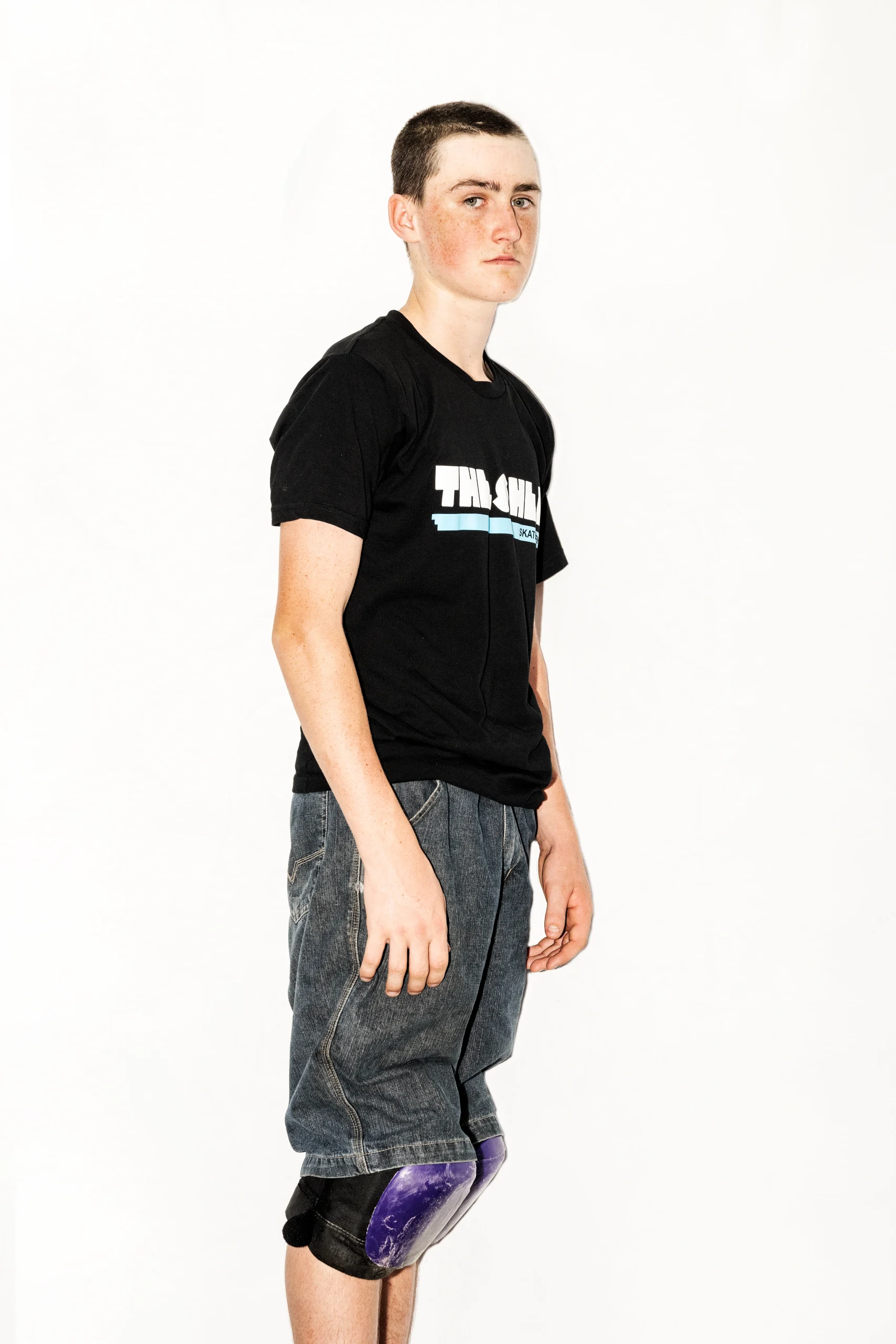
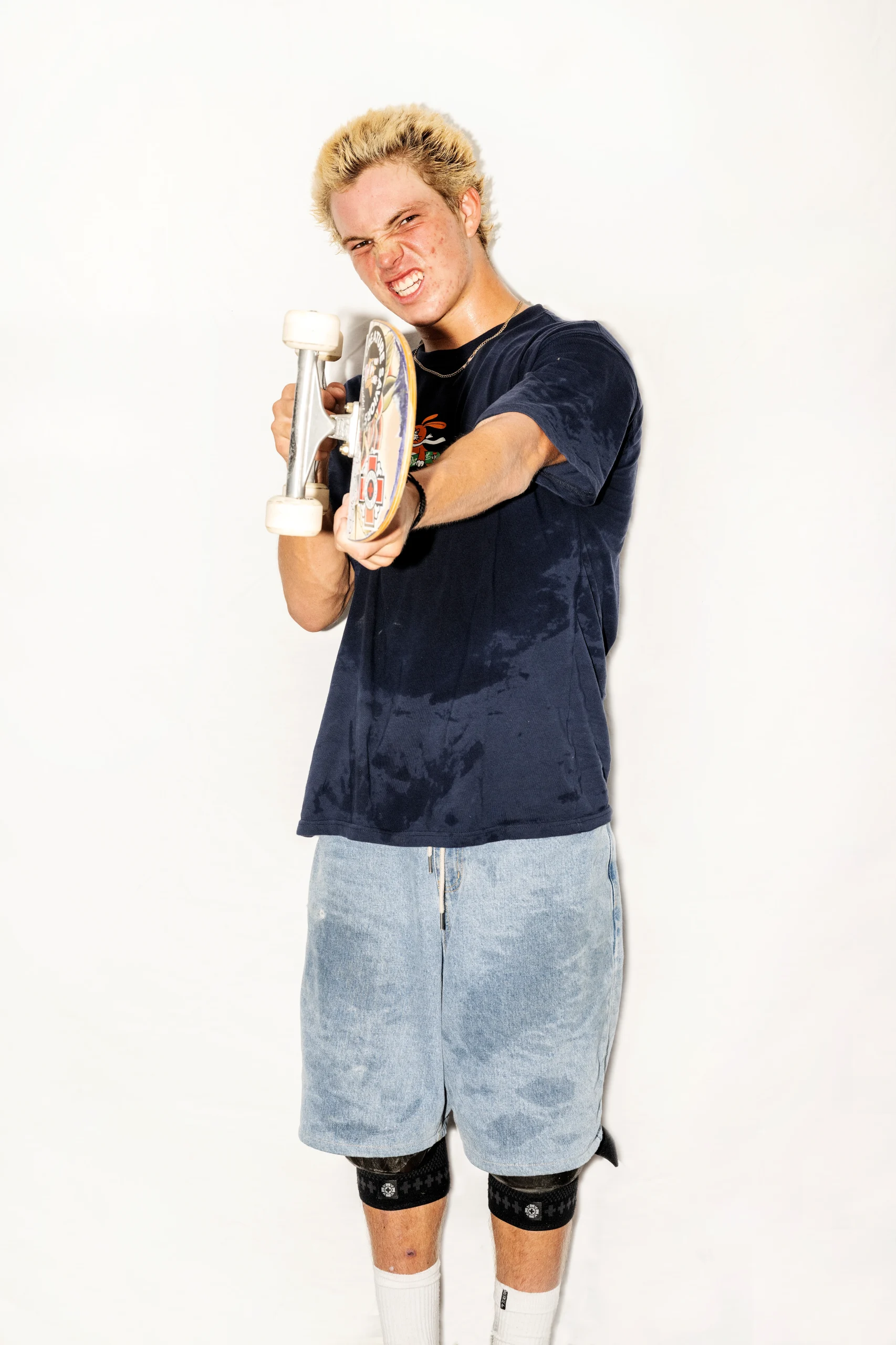
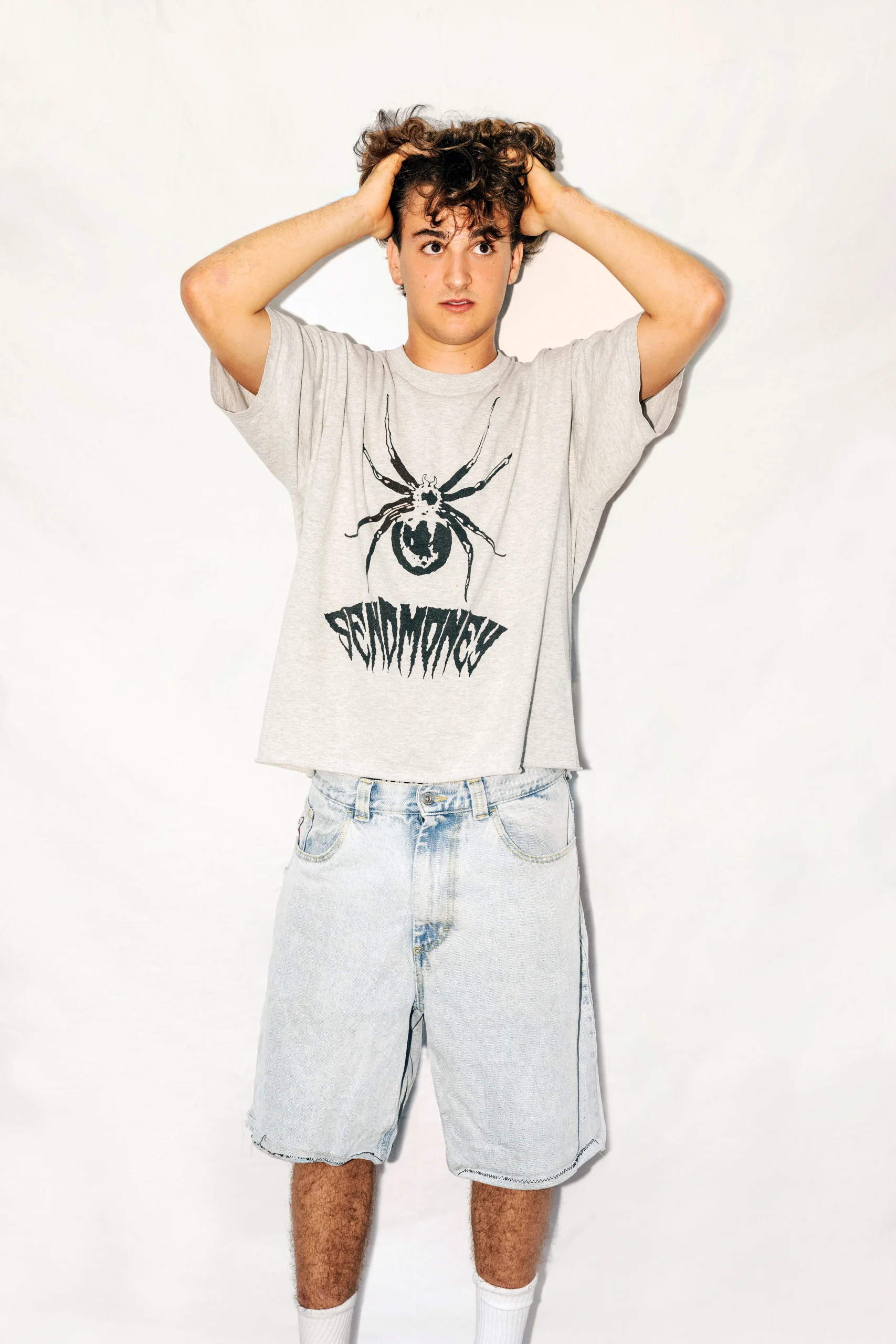
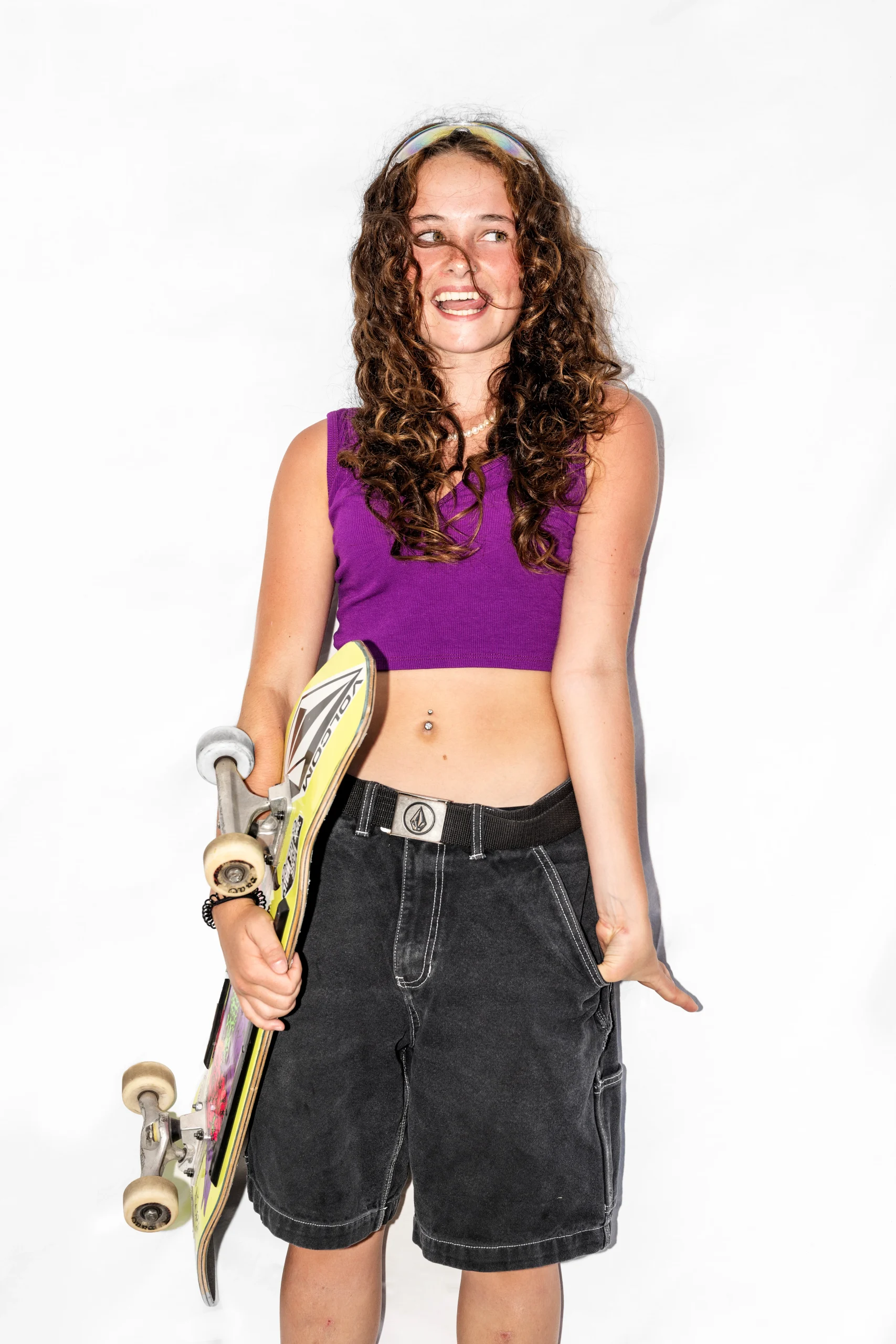
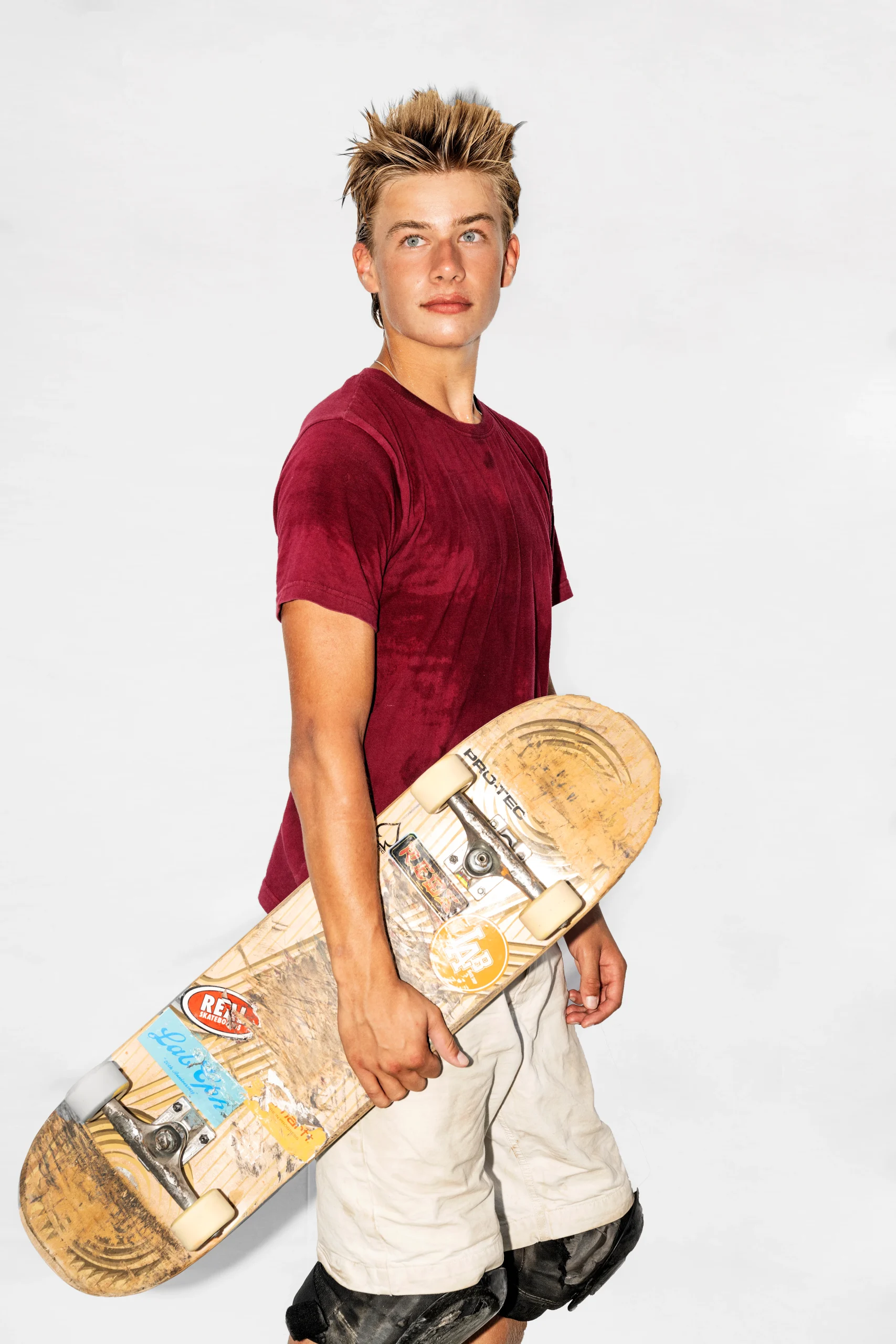
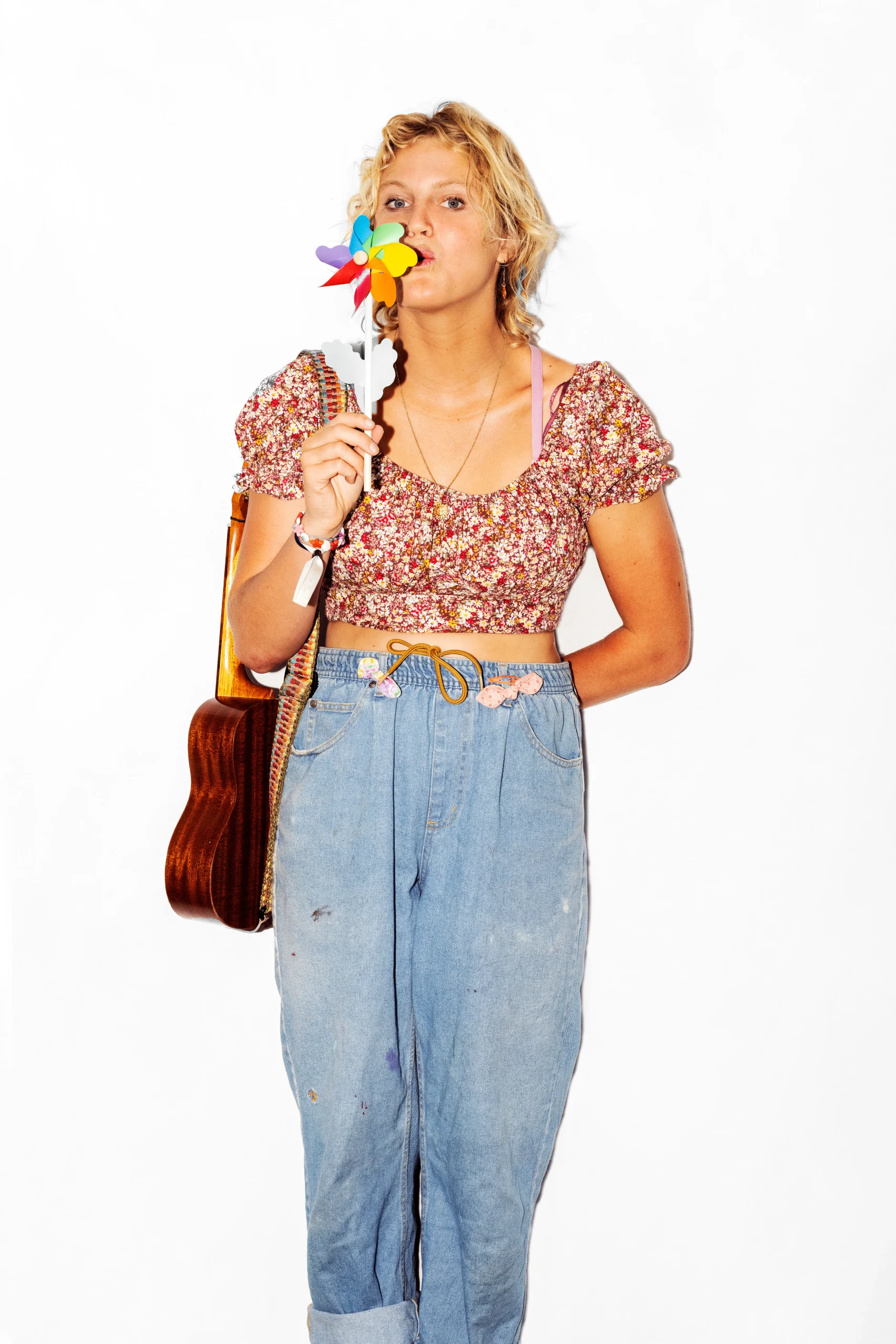
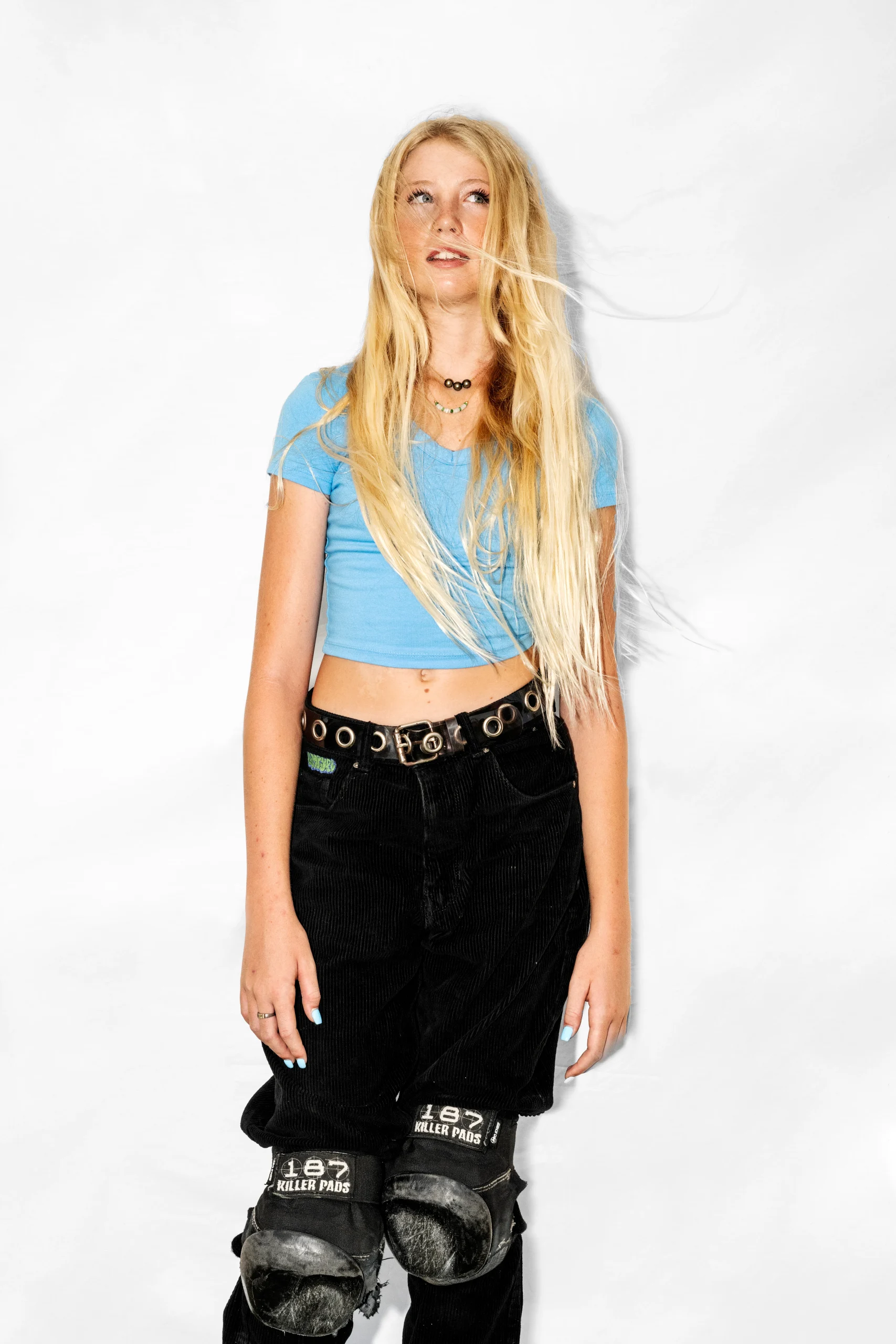
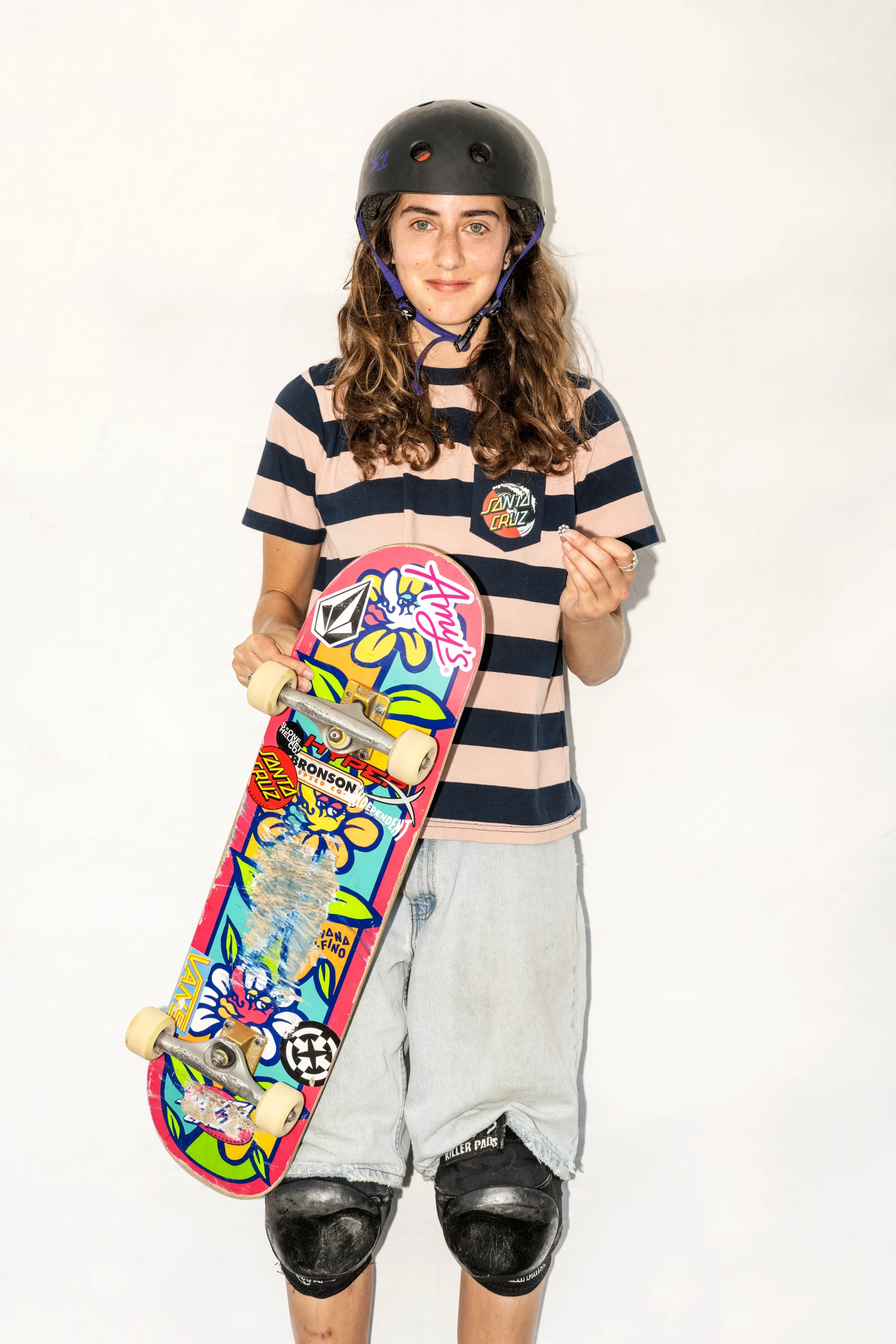
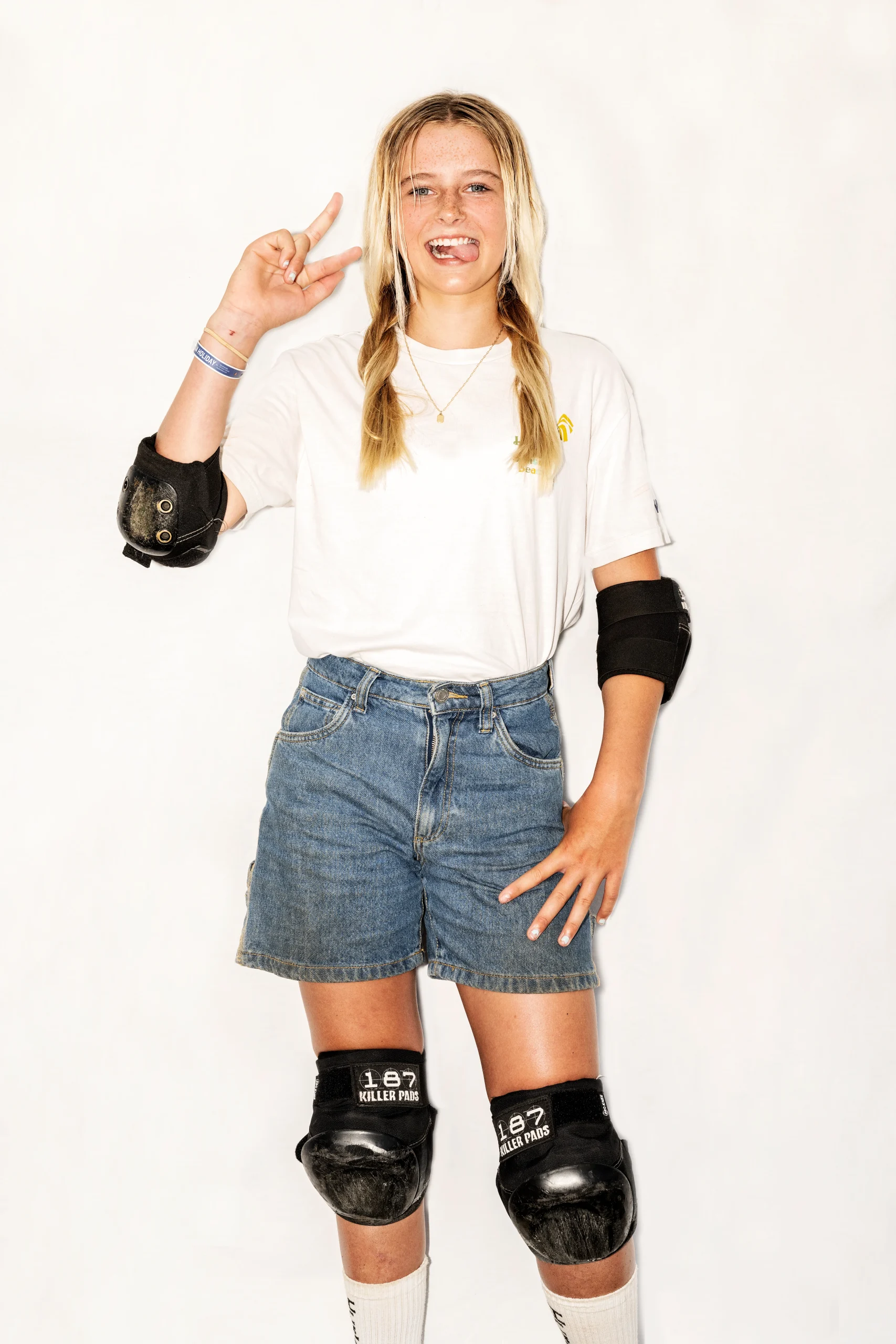
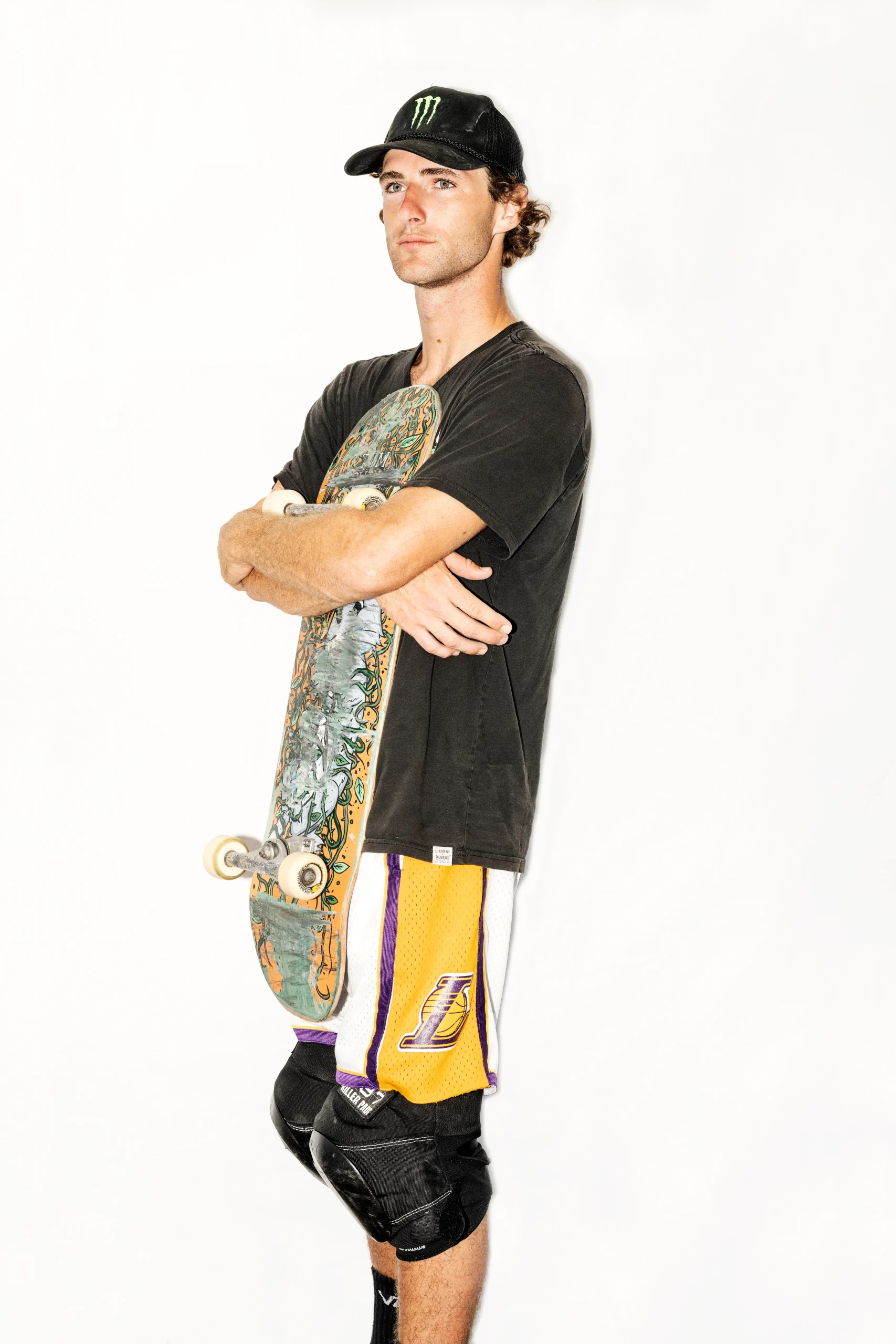
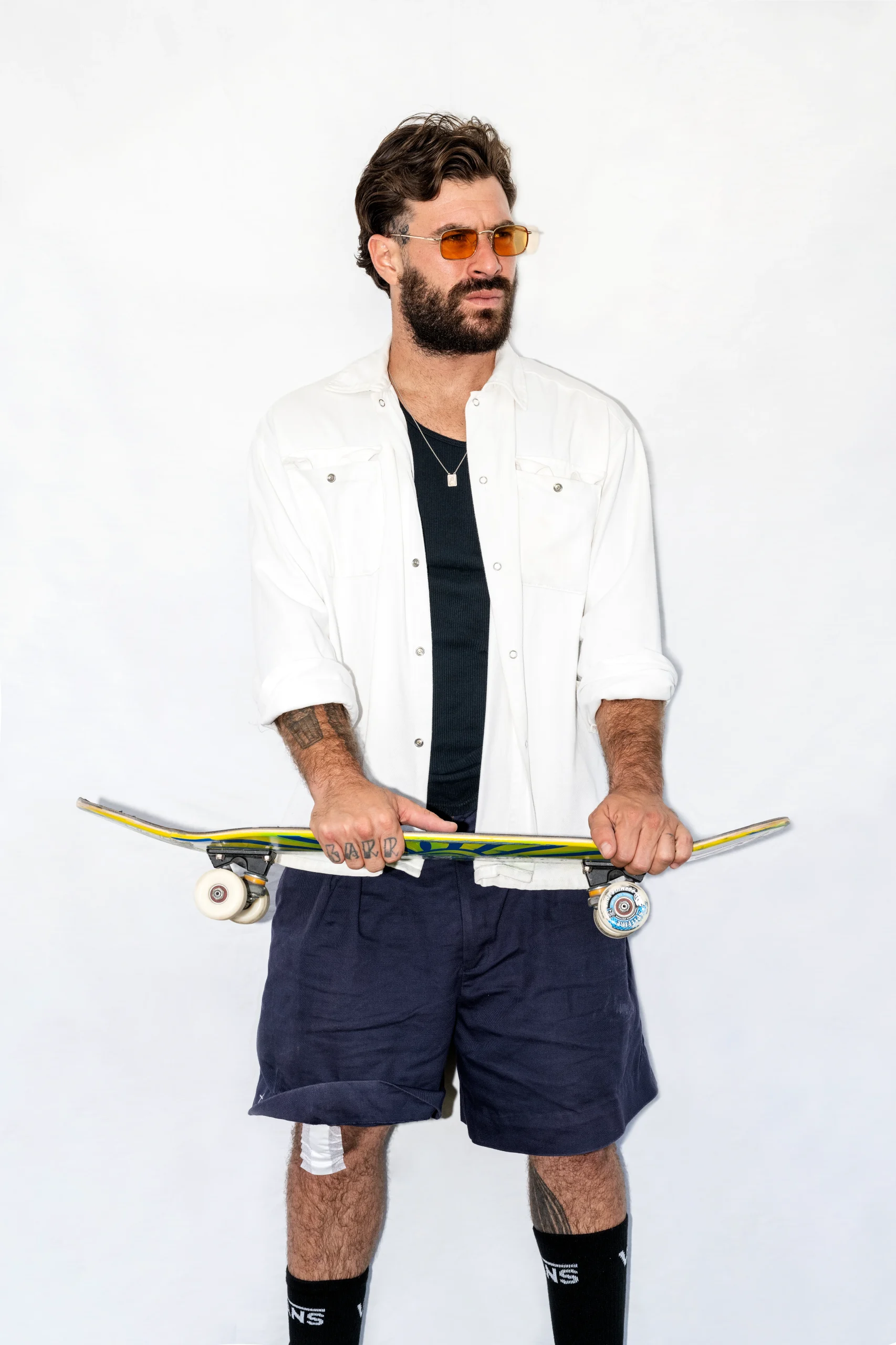
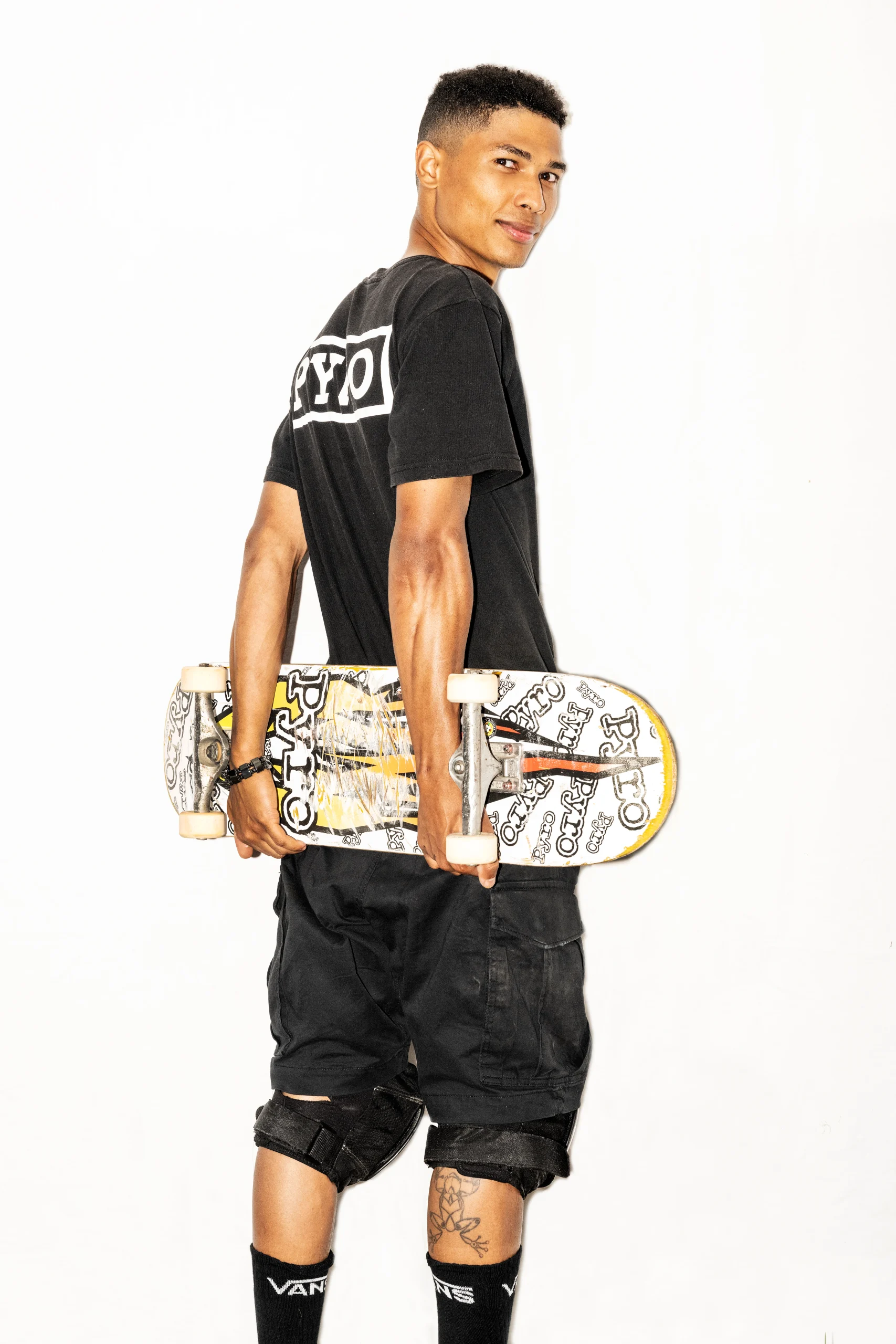
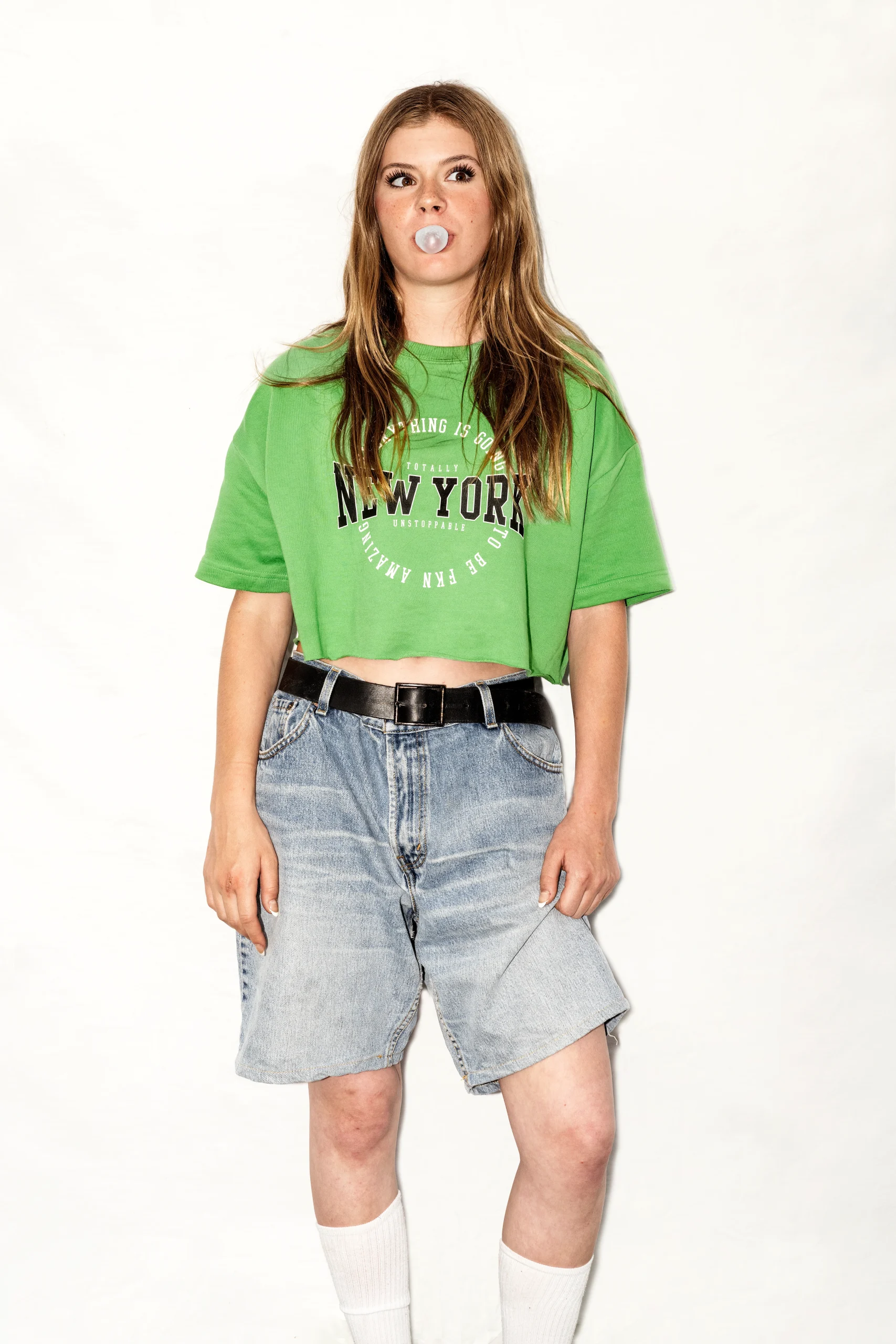
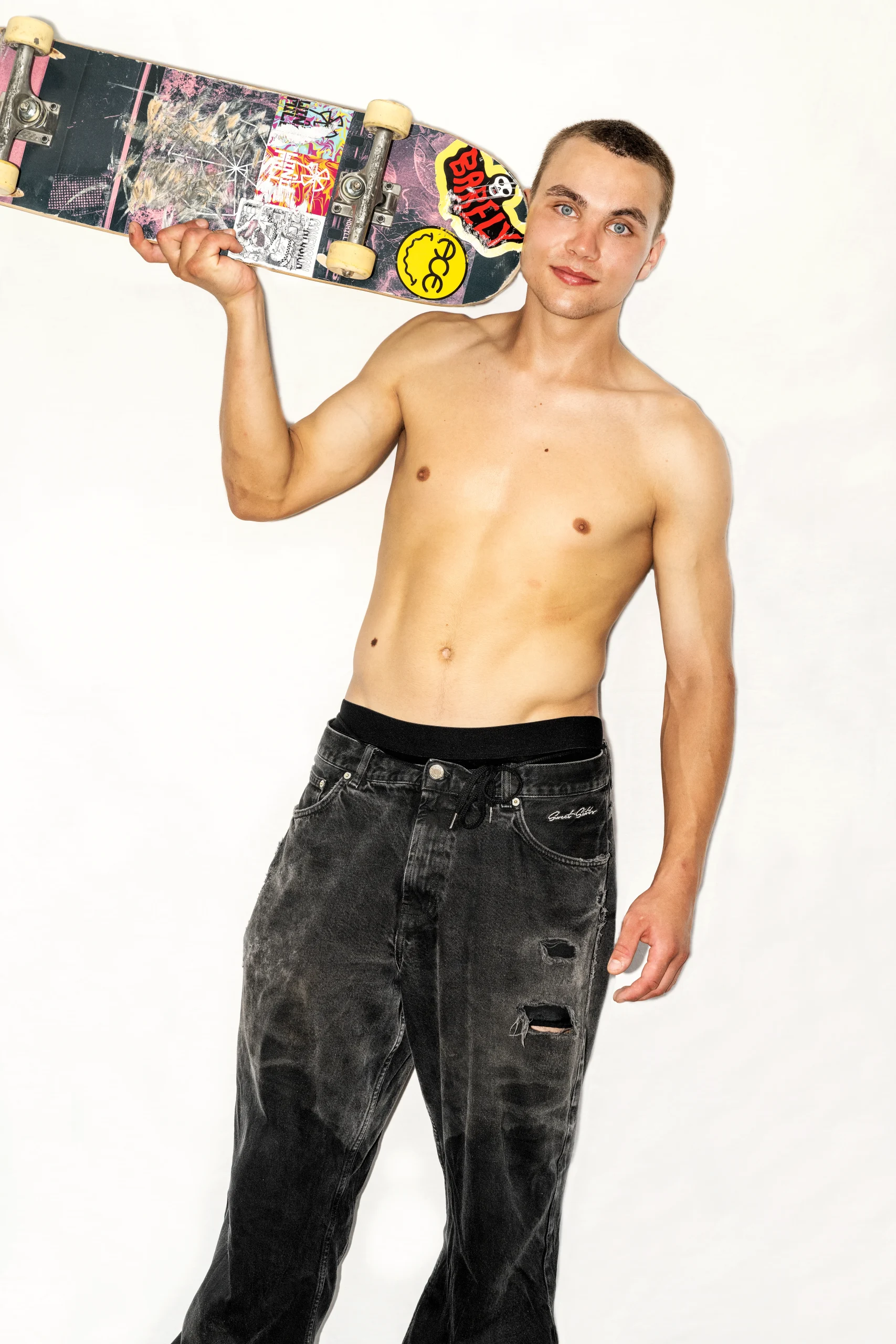
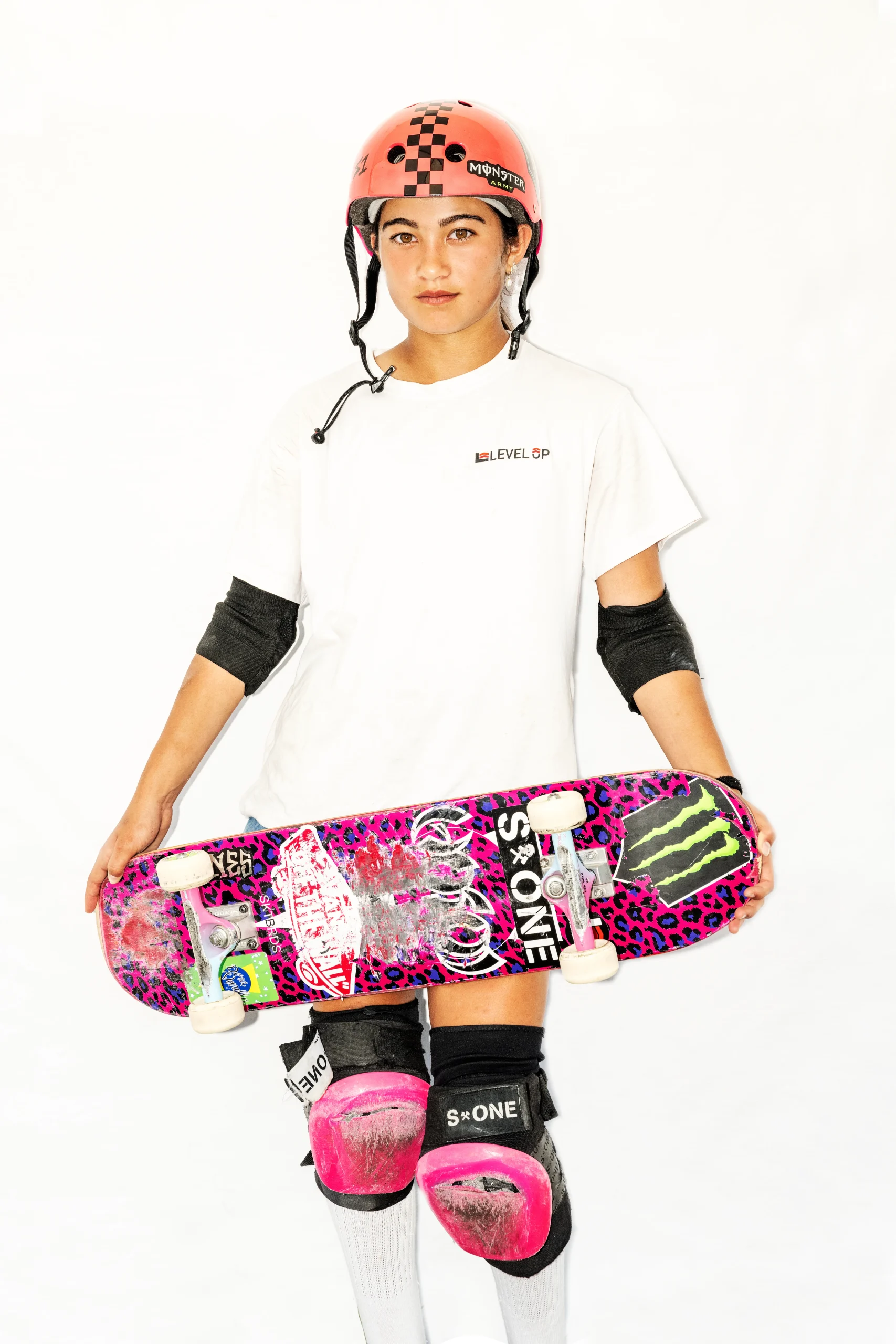
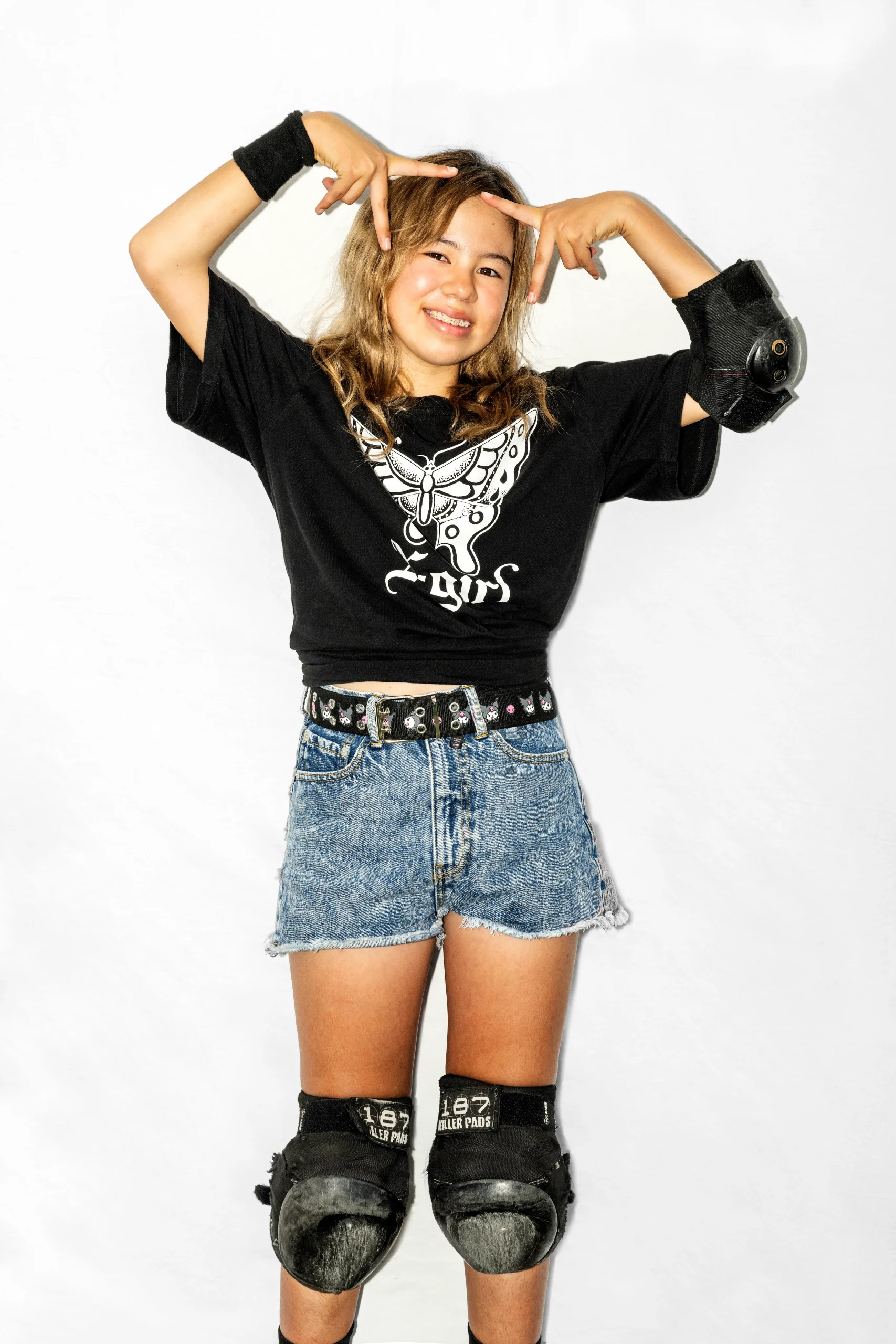
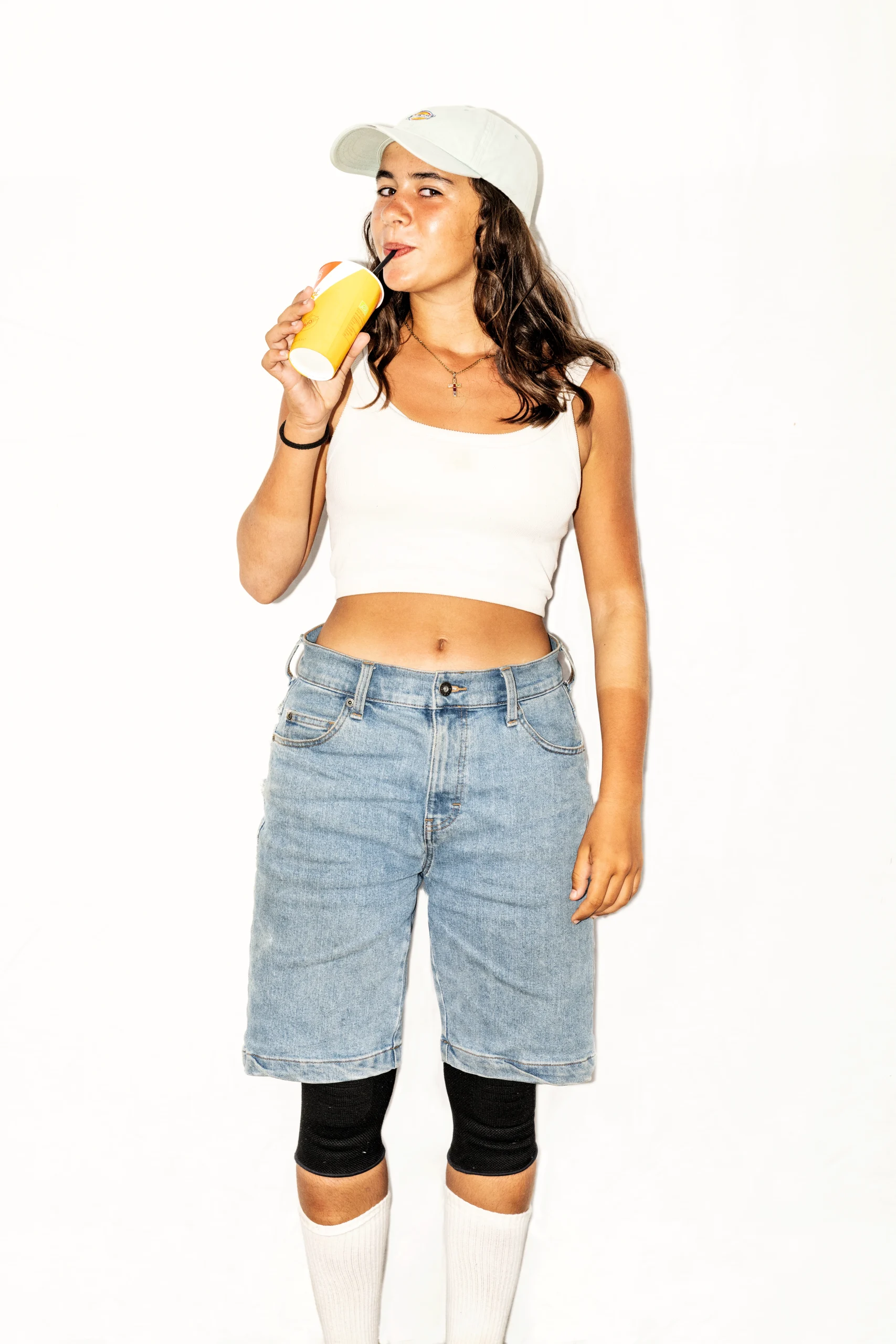
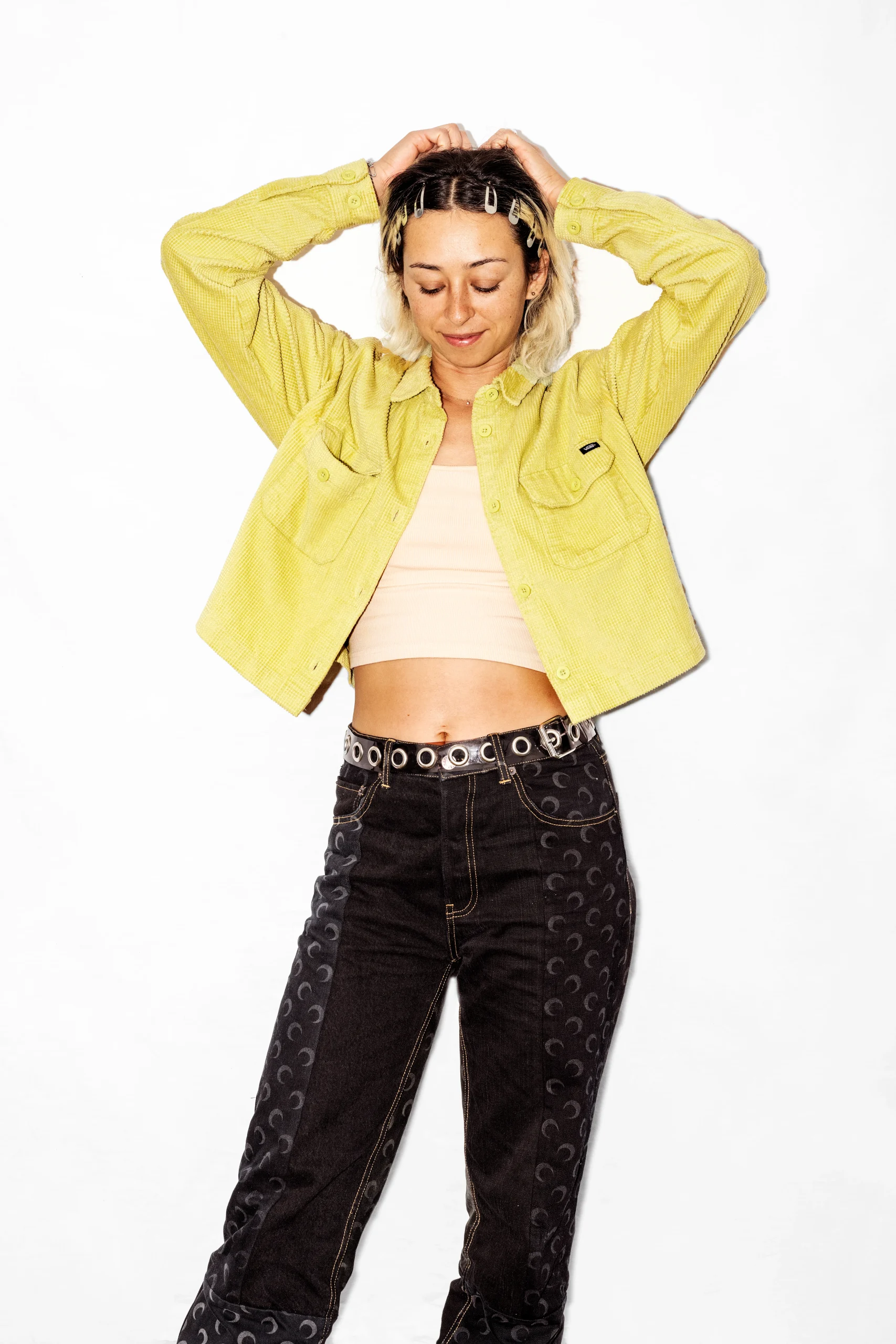
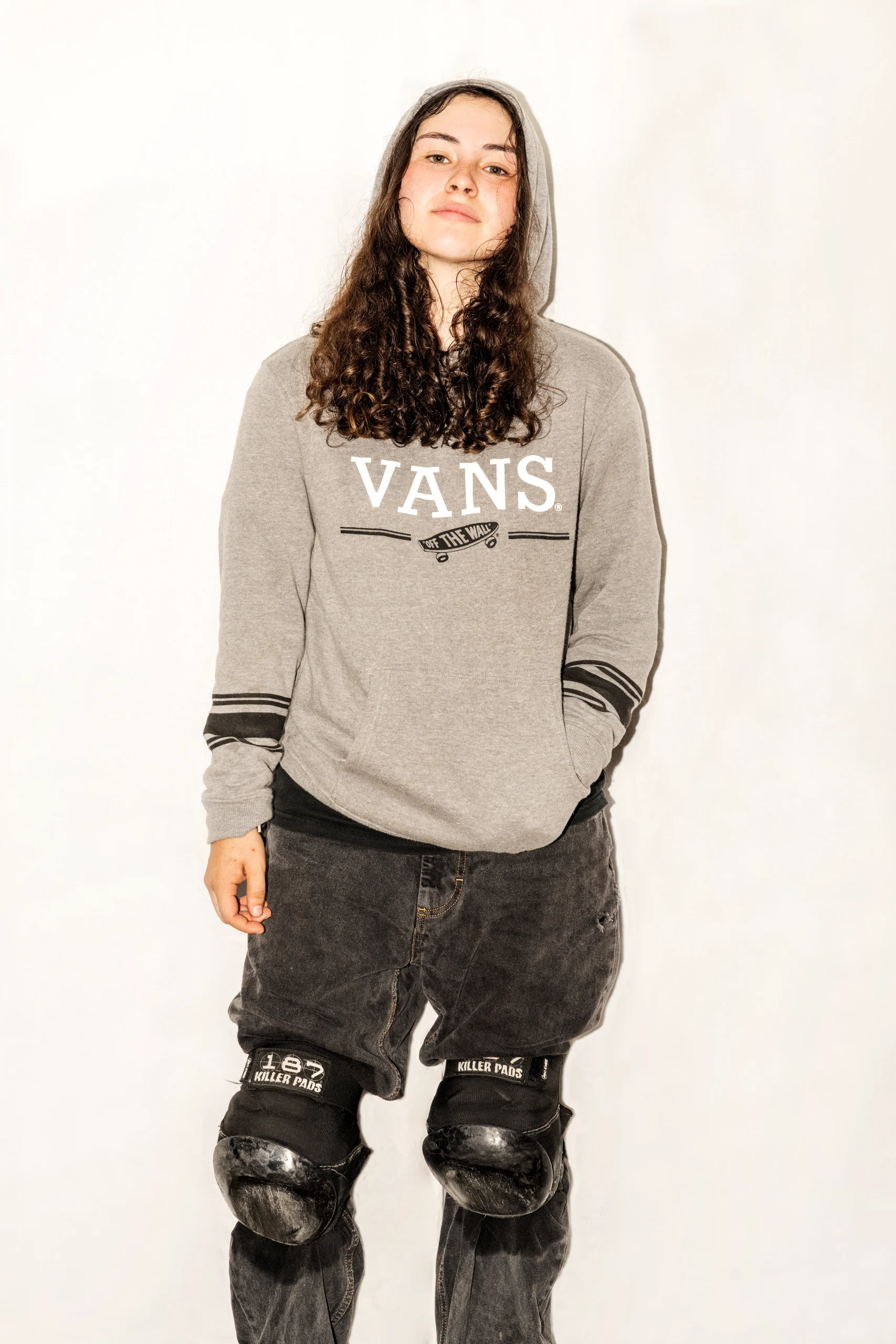
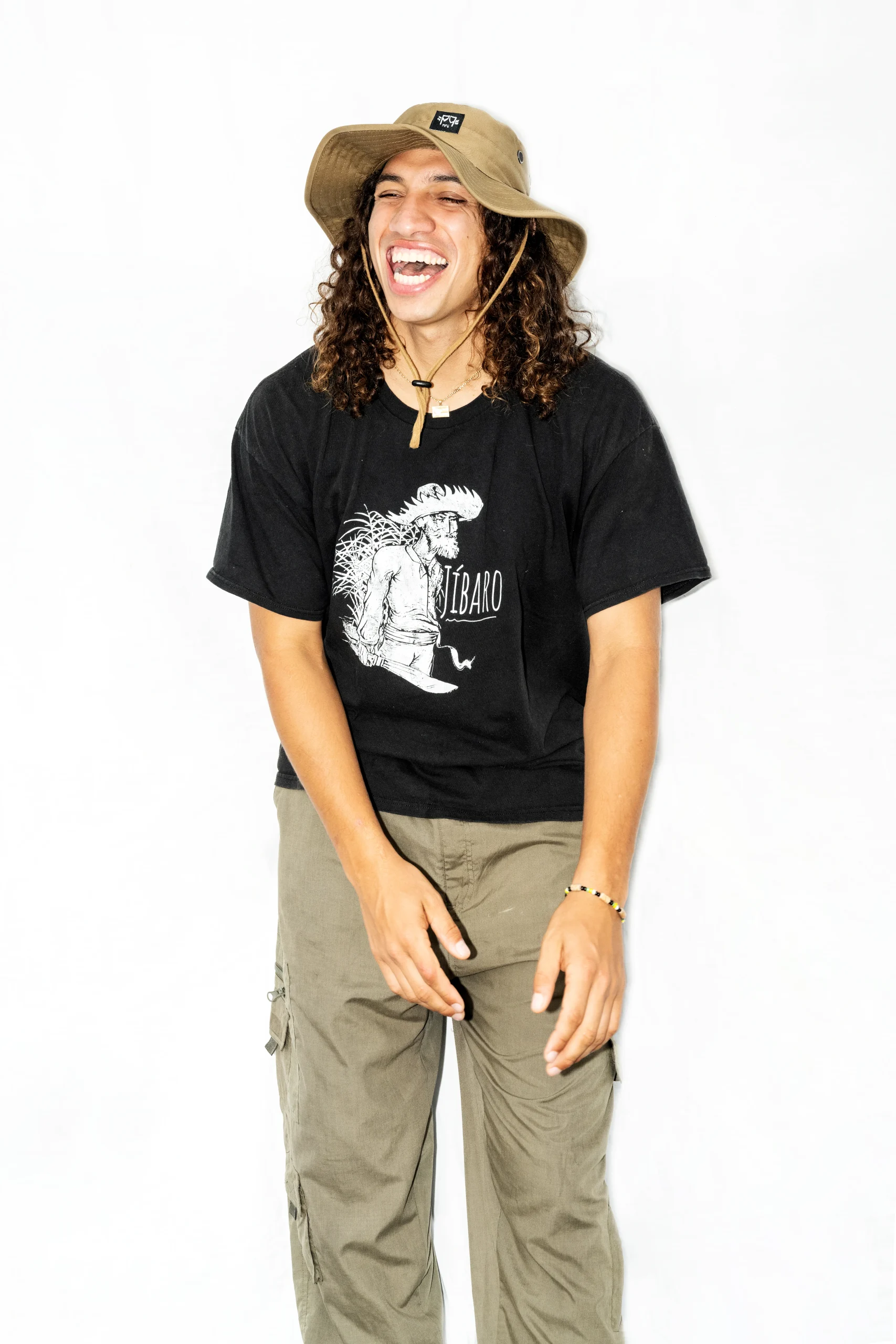
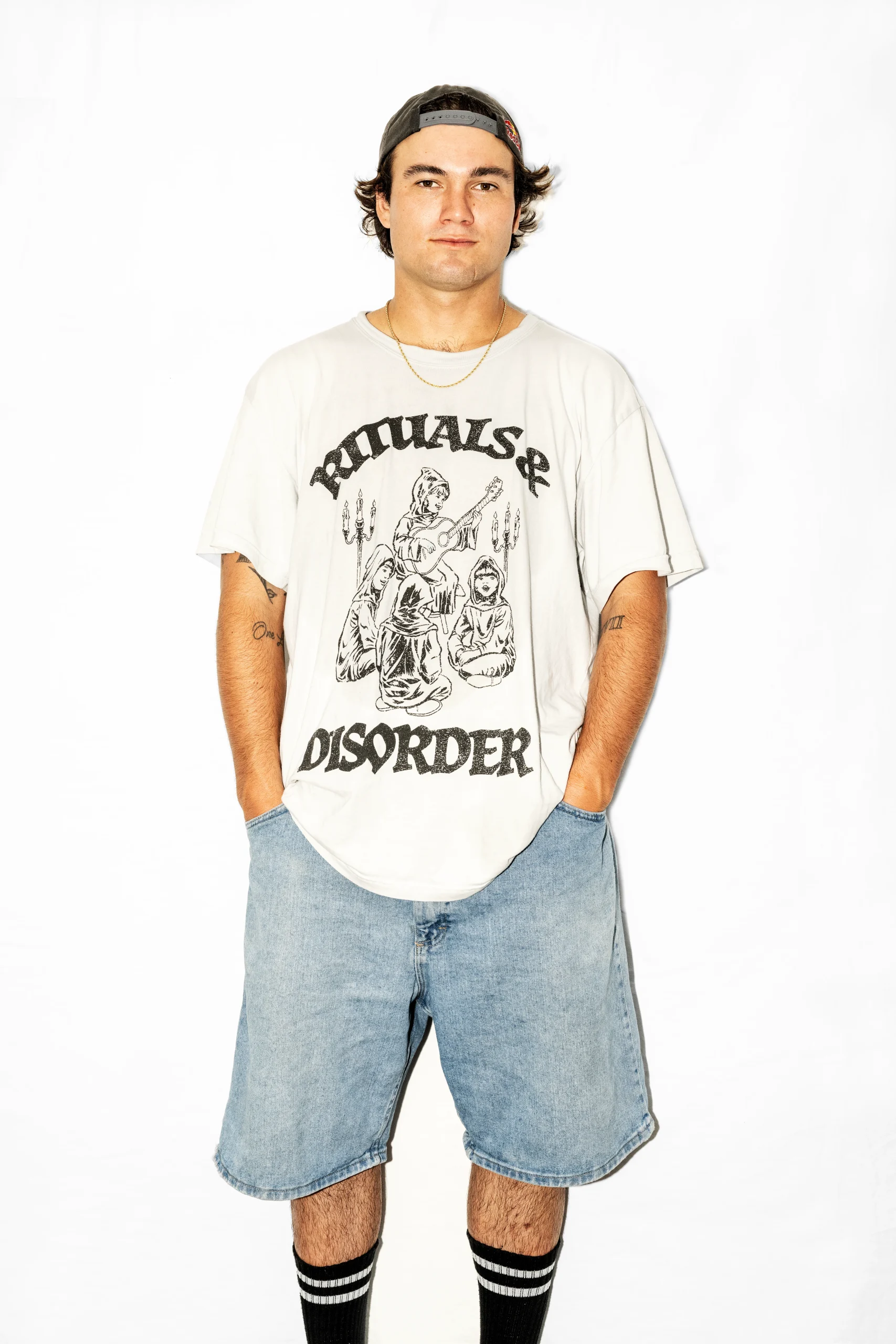
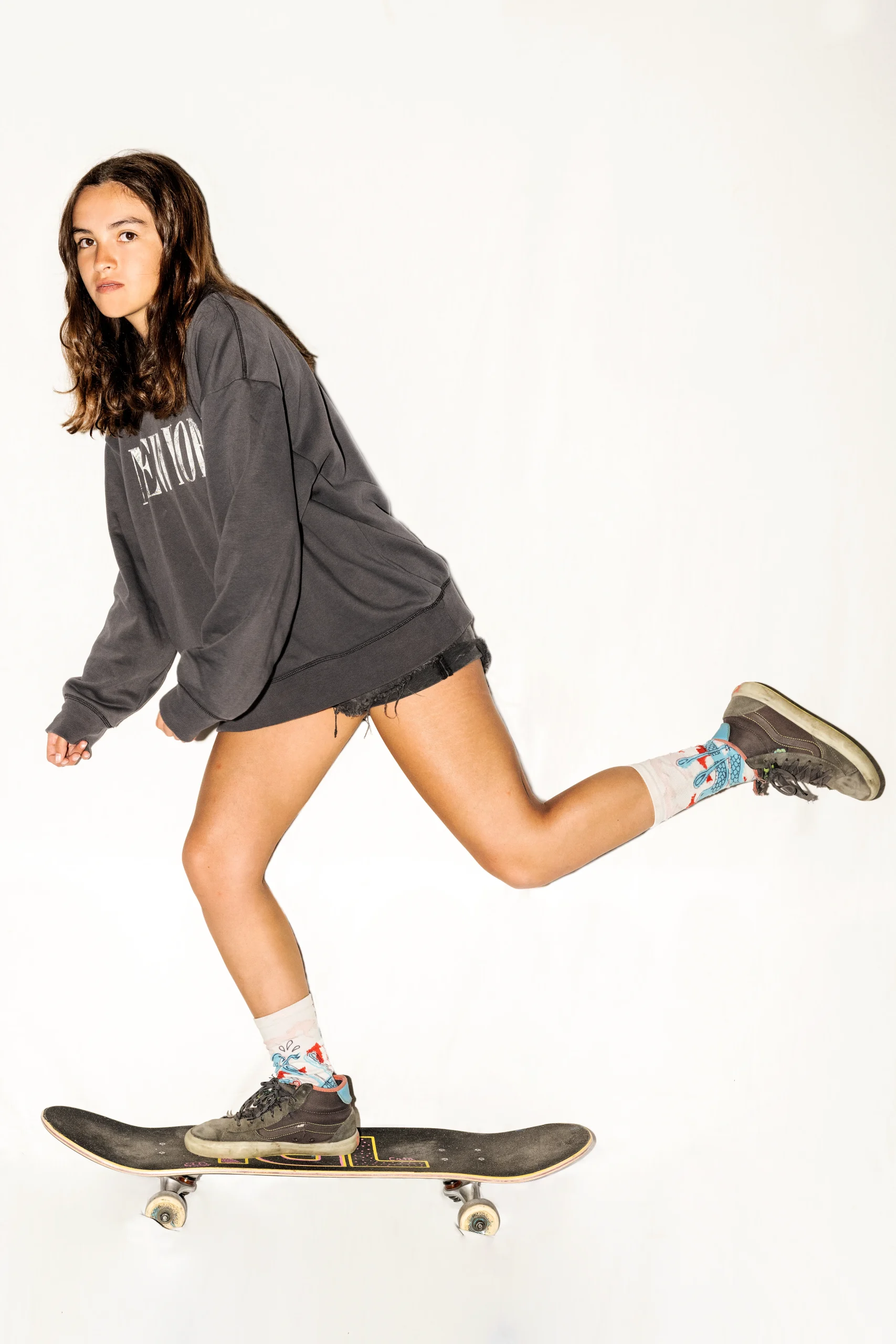
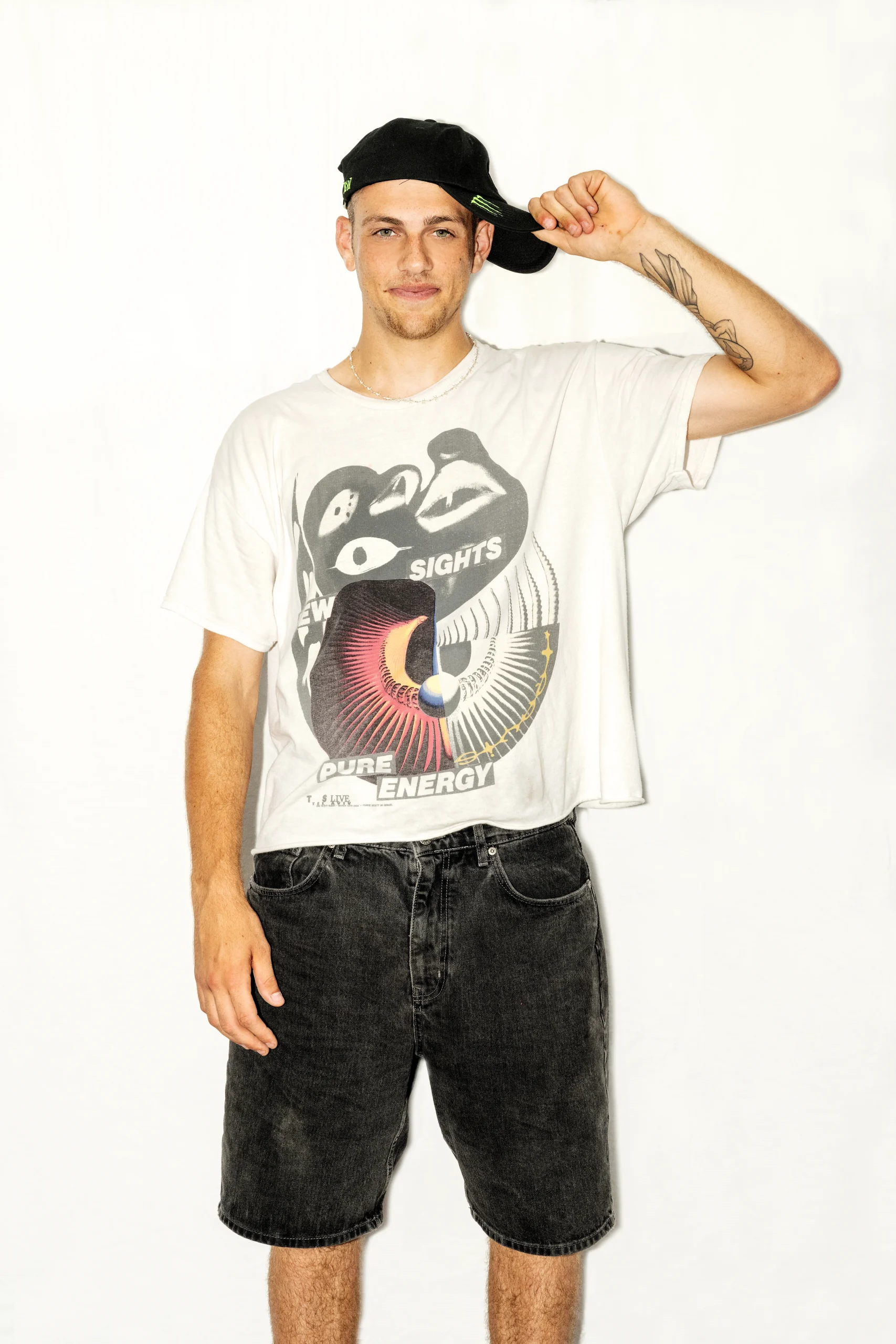
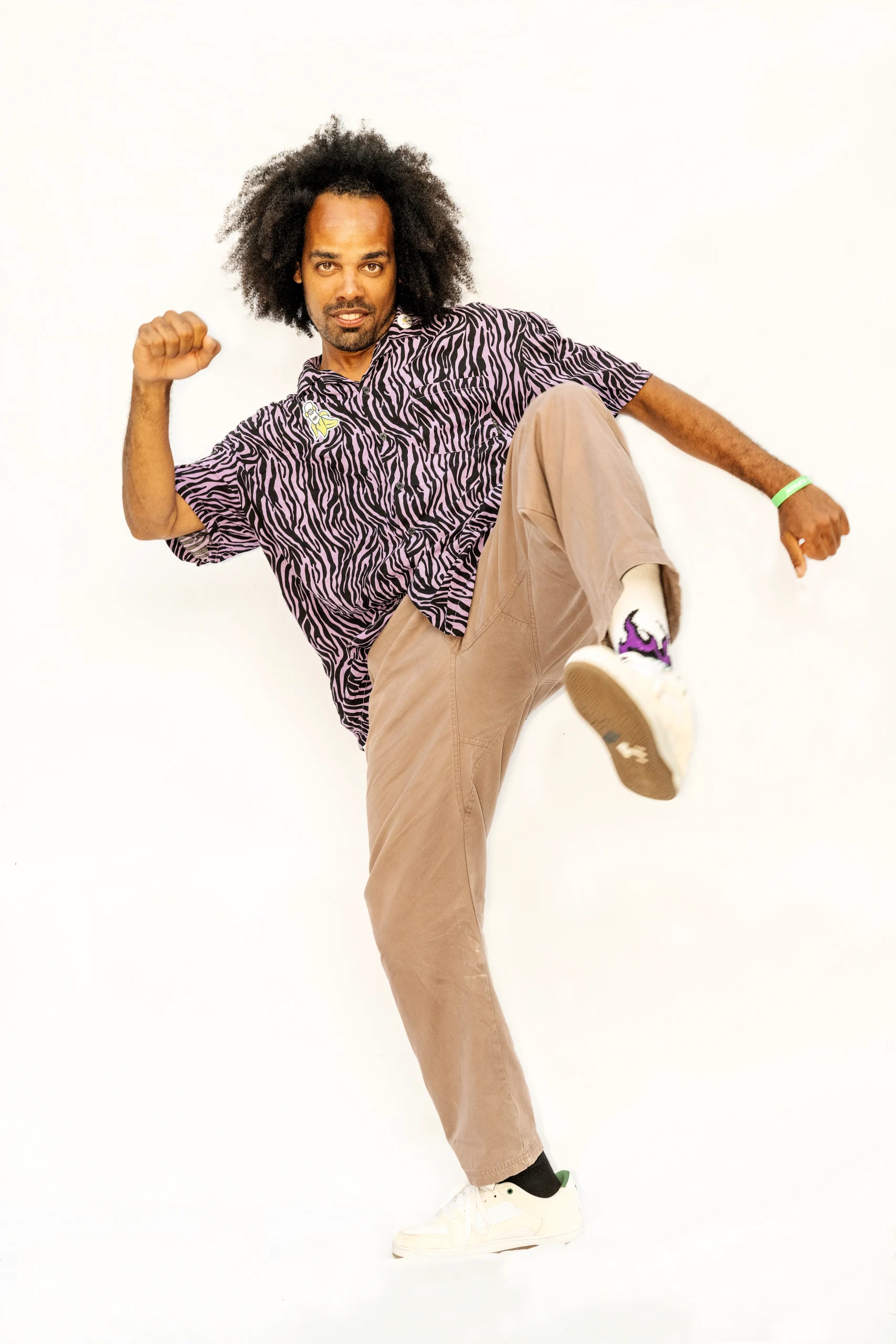
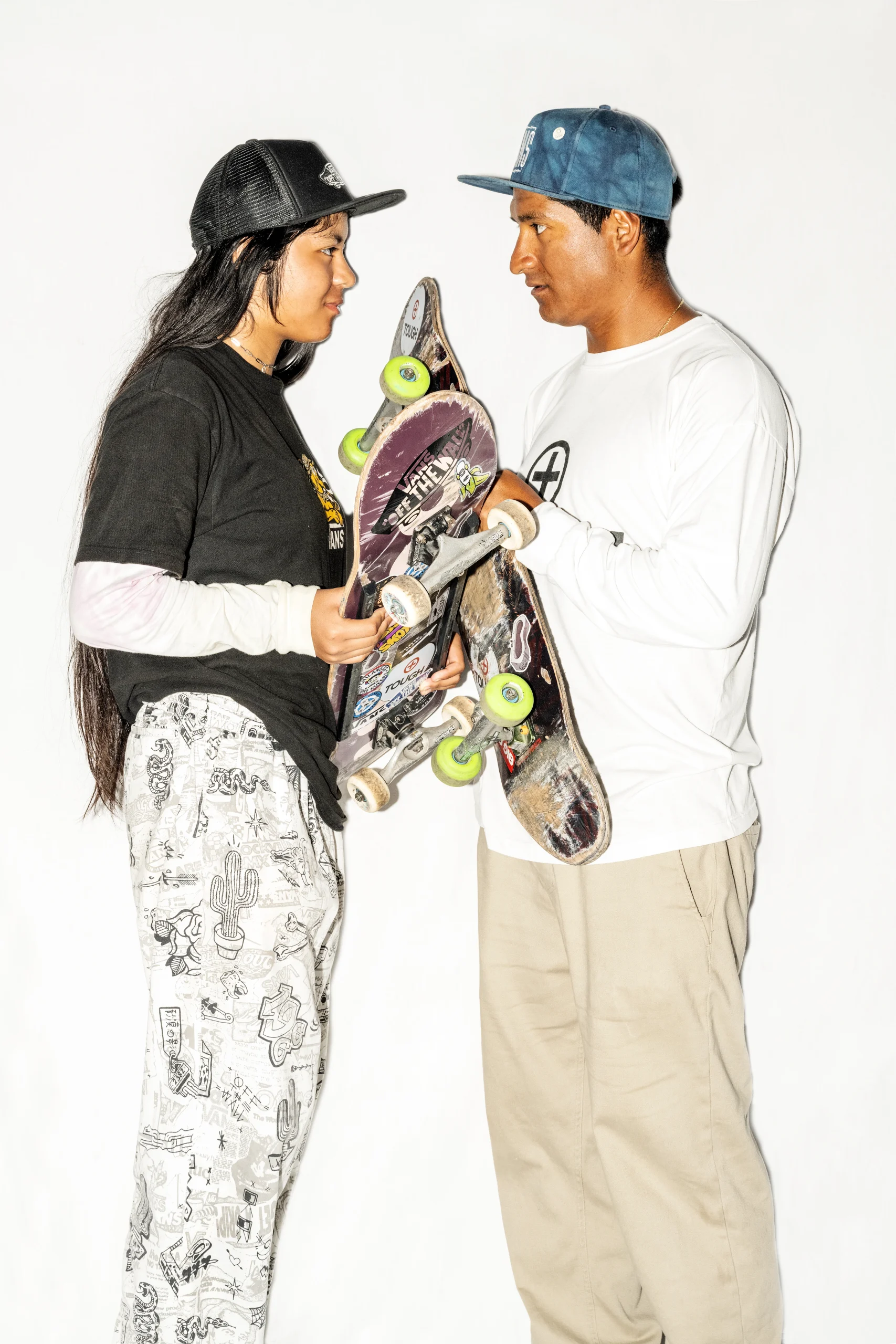
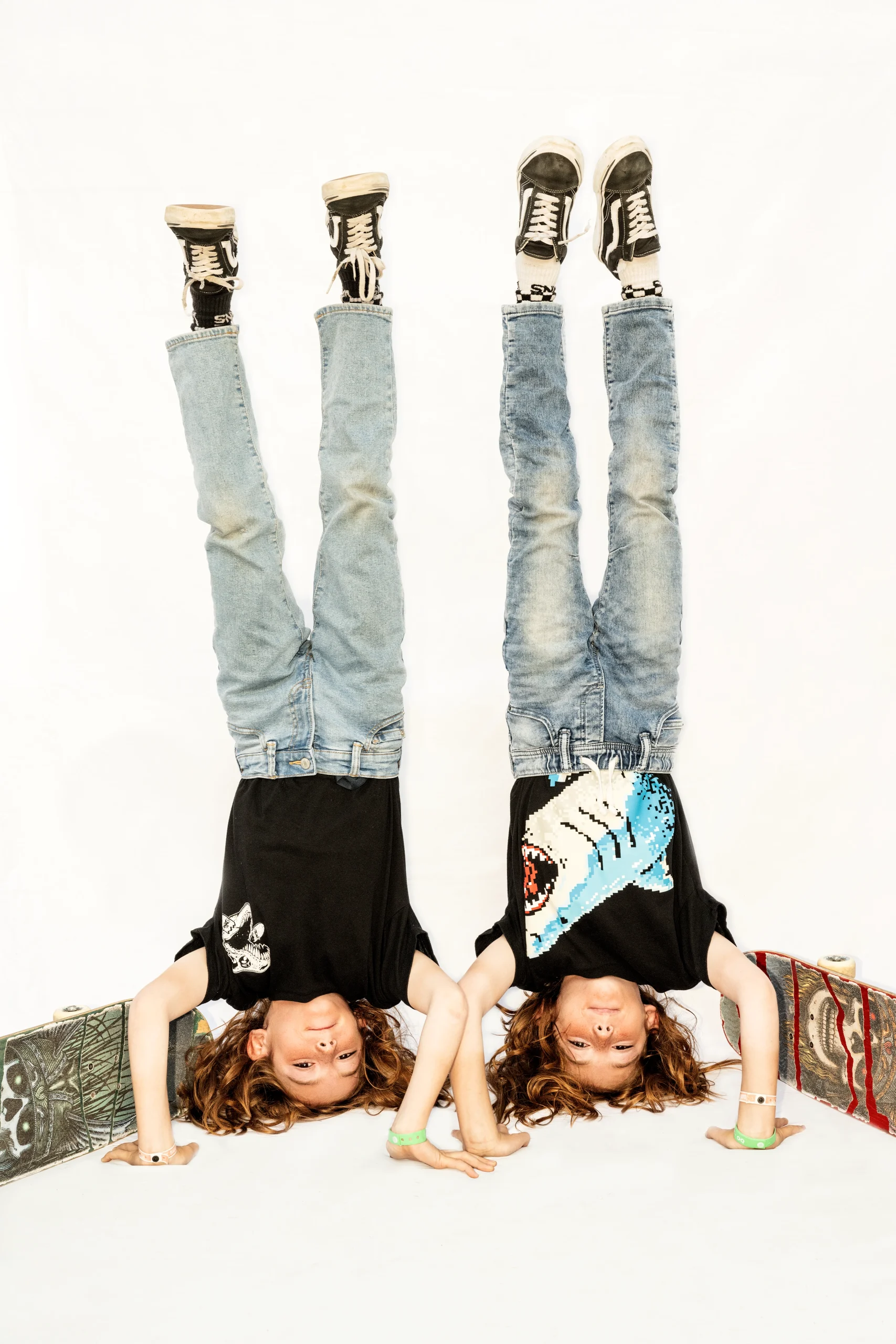
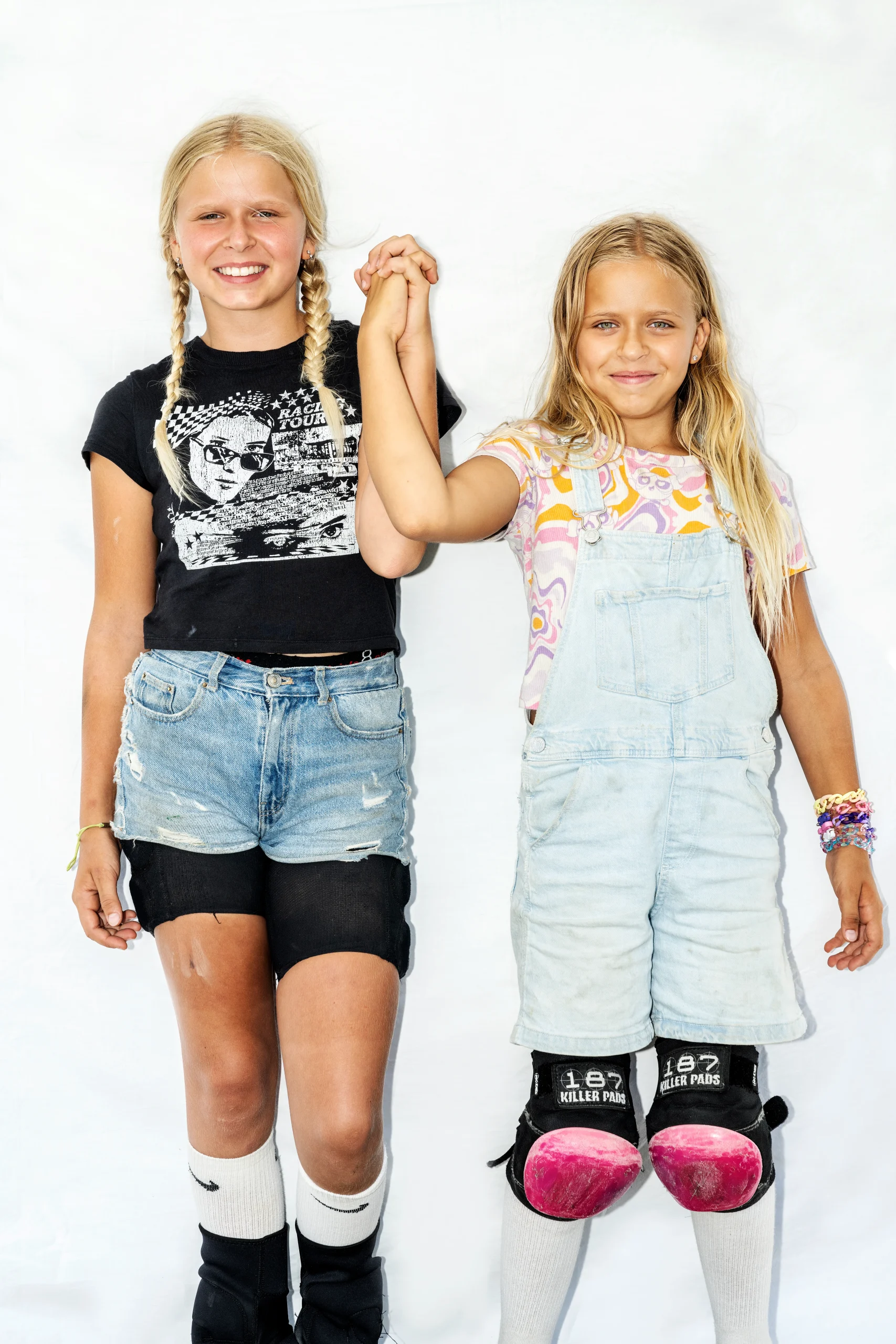
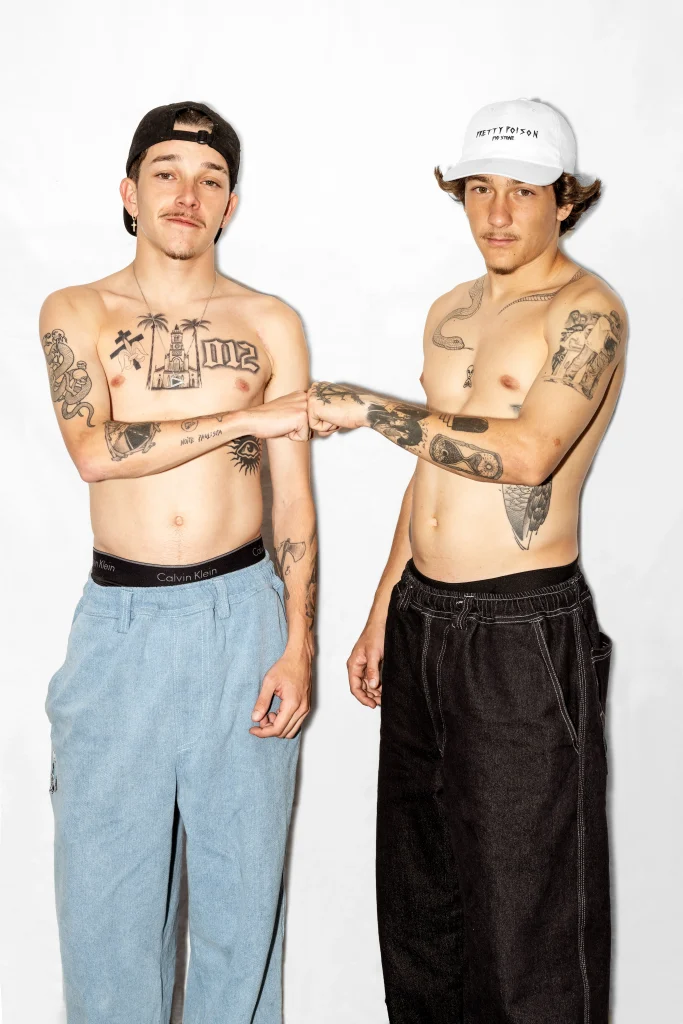
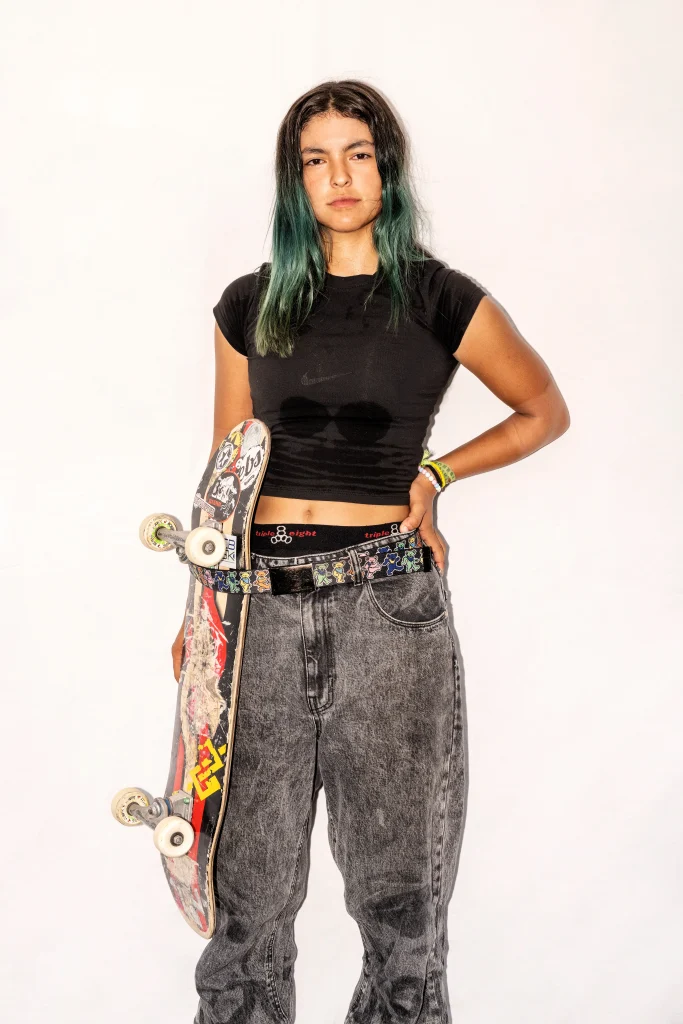
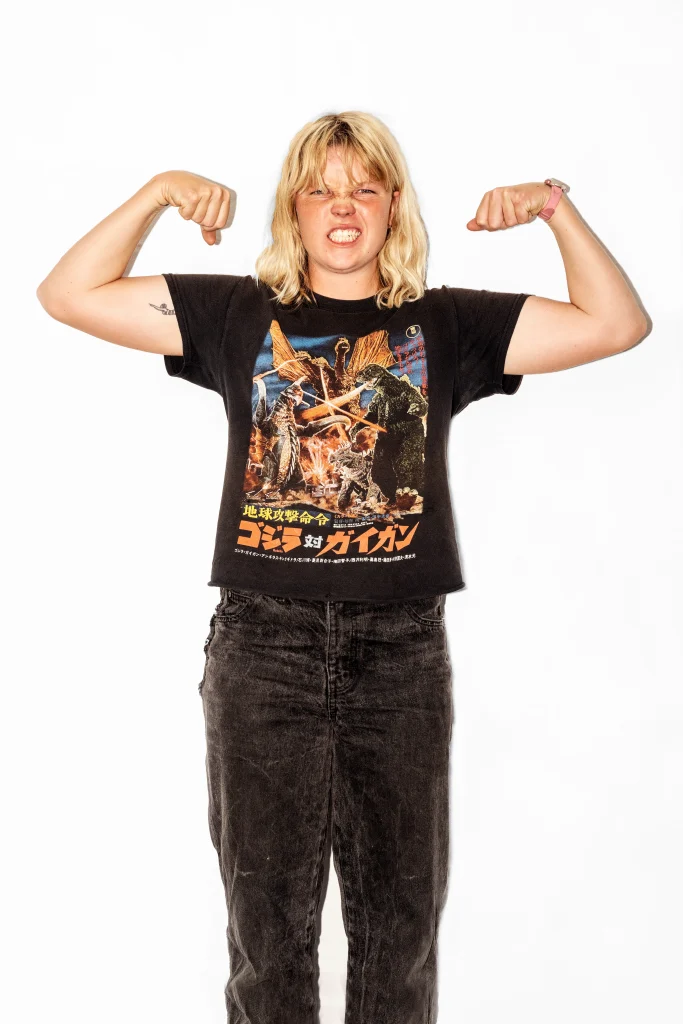
I decided to photograph them. Not in action, not mid-trick — but them, as people. Portraits. Faces. Expressions.
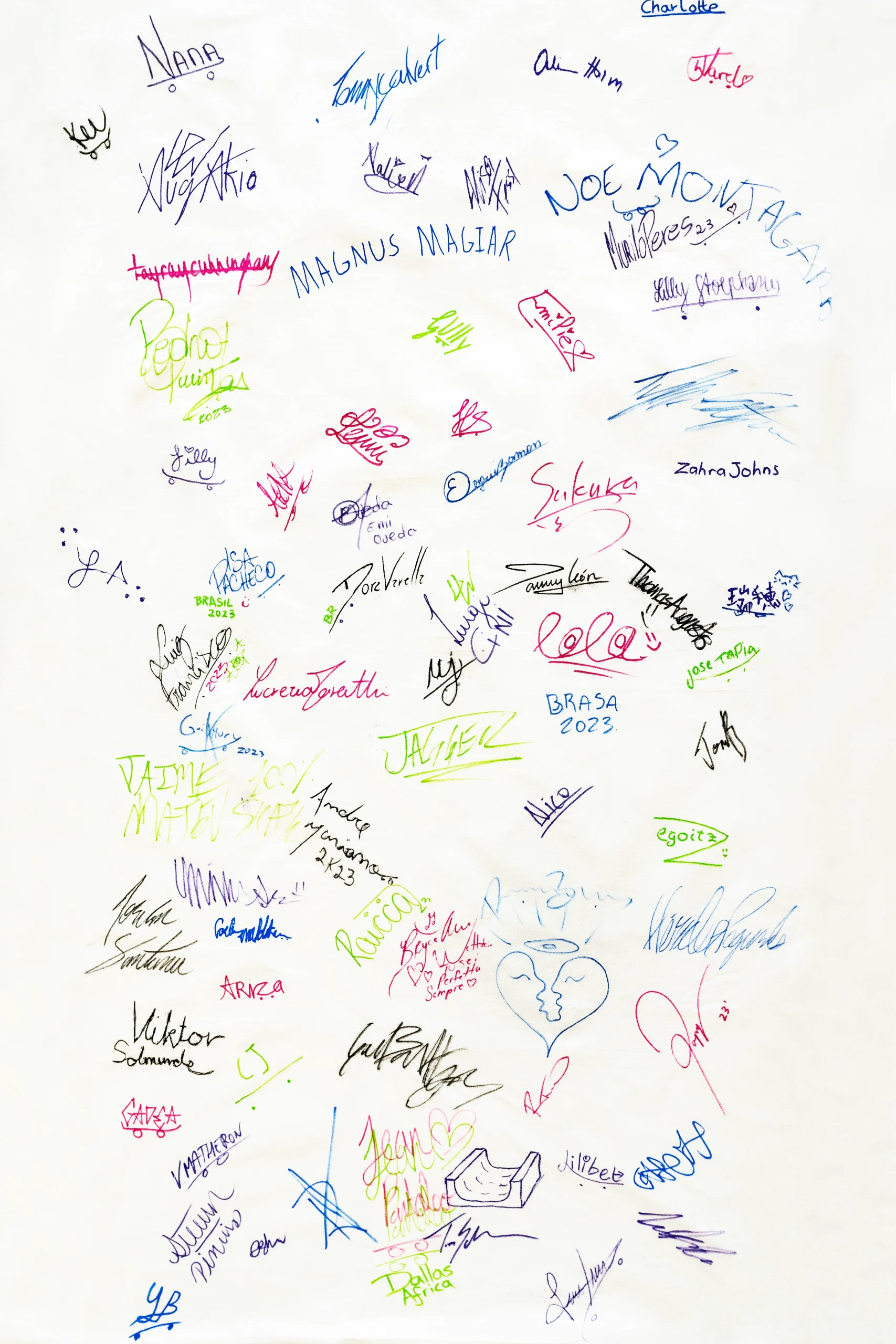
That’s how Sk8 Attack was born: Augusto Akio with his quiet, focused intensity; Tom Schaar who always looks like he’s about to smile; Jagger Eaton, Gui Khury, Gavin Bottger, Raicca Ventura — athletes who have already won so much and keep pushing the limits every single day.
What struck me, beyond the extraordinary talent, is the spirit that connects them. They come from every corner of the world, speak different languages, represent different countries — and yet in the paddock they hug each other, cheer each other on, share tips on tricks. The competition is fierce, but the community is real.
Skateboarding has a long and wonderfully rebellious history: it was born in 1950s California, among surfers looking to ride on flat days, and grew up in the streets, empty backyard pools, and deserted parking lots. For decades it was seen as anarchic, anti-system — the ultimate outsider culture. In 2020, it became an Olympic discipline.
The world has changed, and skate has changed with it. Tricks have evolved into breathtaking acrobatics — we’re talking 1080° rotations, a record set by an 11-year-old prodigy. Sponsors are everywhere, competitions are massive shows, and young athletes start at age 4 and reach international podiums by 12.
But you know what hasn’t changed? What you feel when you step on a board. That strange sense of freedom — part childlike, part deadly serious. Pure focus. The fact that it doesn’t matter how old you are, or whether you’re a man or a woman — in skate, everyone competes on the same ground.
When I photograph these athletes, I’m trying to capture exactly that: not the performance, but the person. That same light in their eyes that I recognise — because I have it too, every time I get on my board.
We’re all skaters. We’re all a little crazy.
And Ostia, at least for a few weeks every year, is the centre of the world.