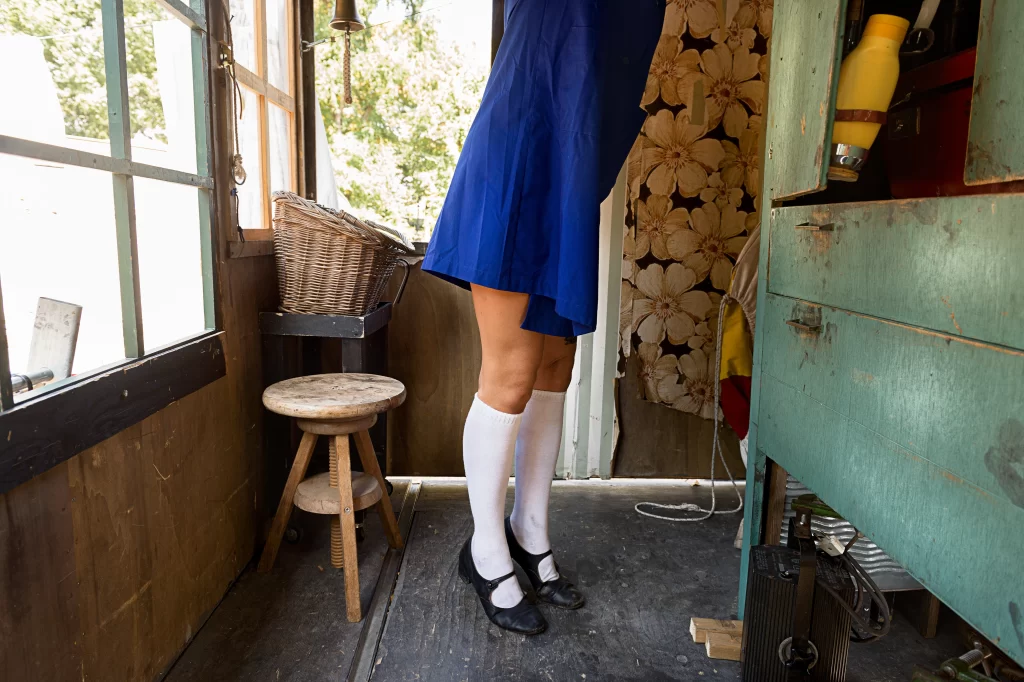
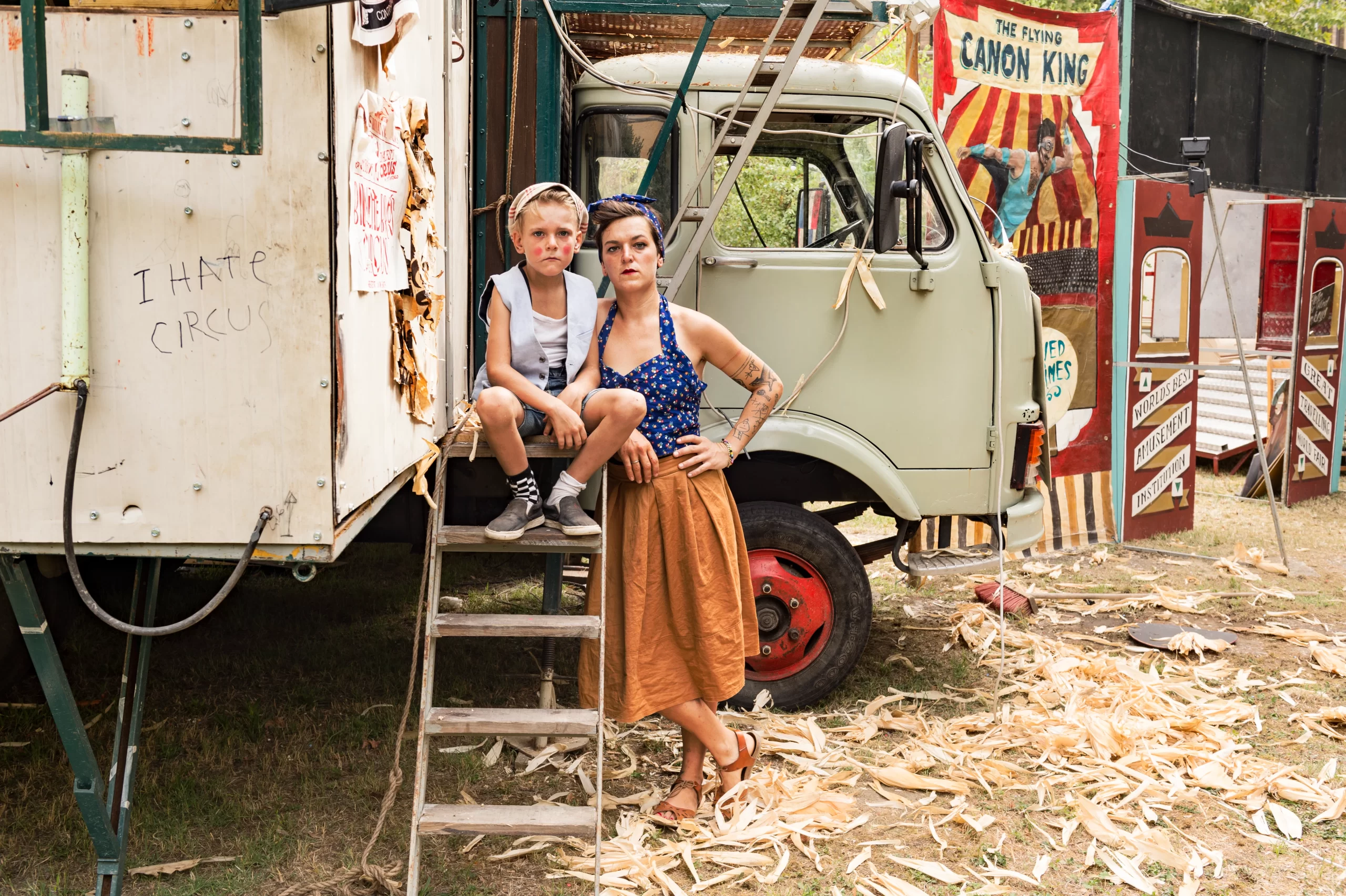
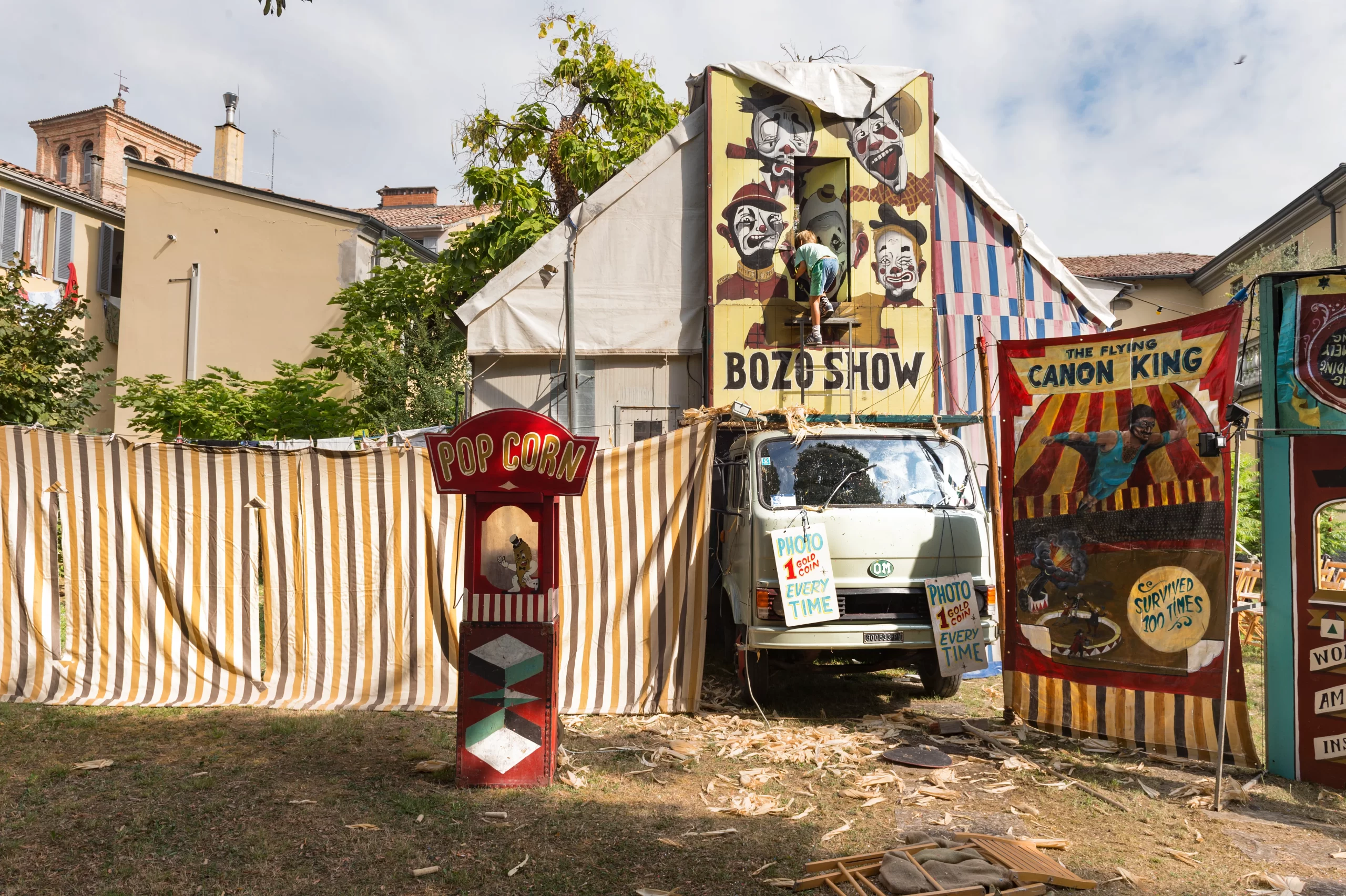
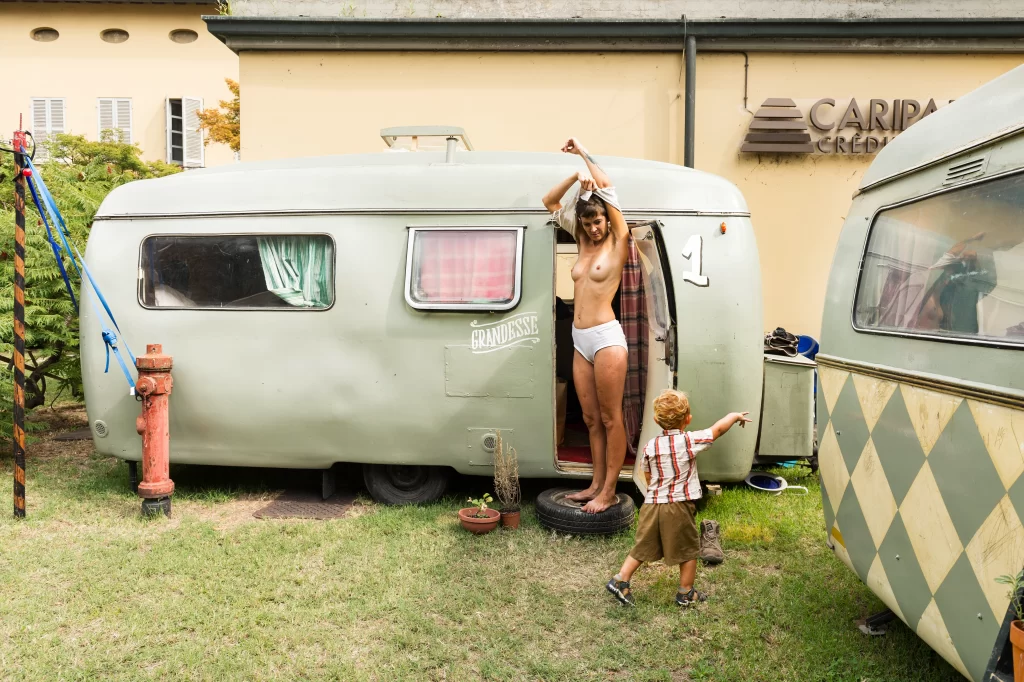
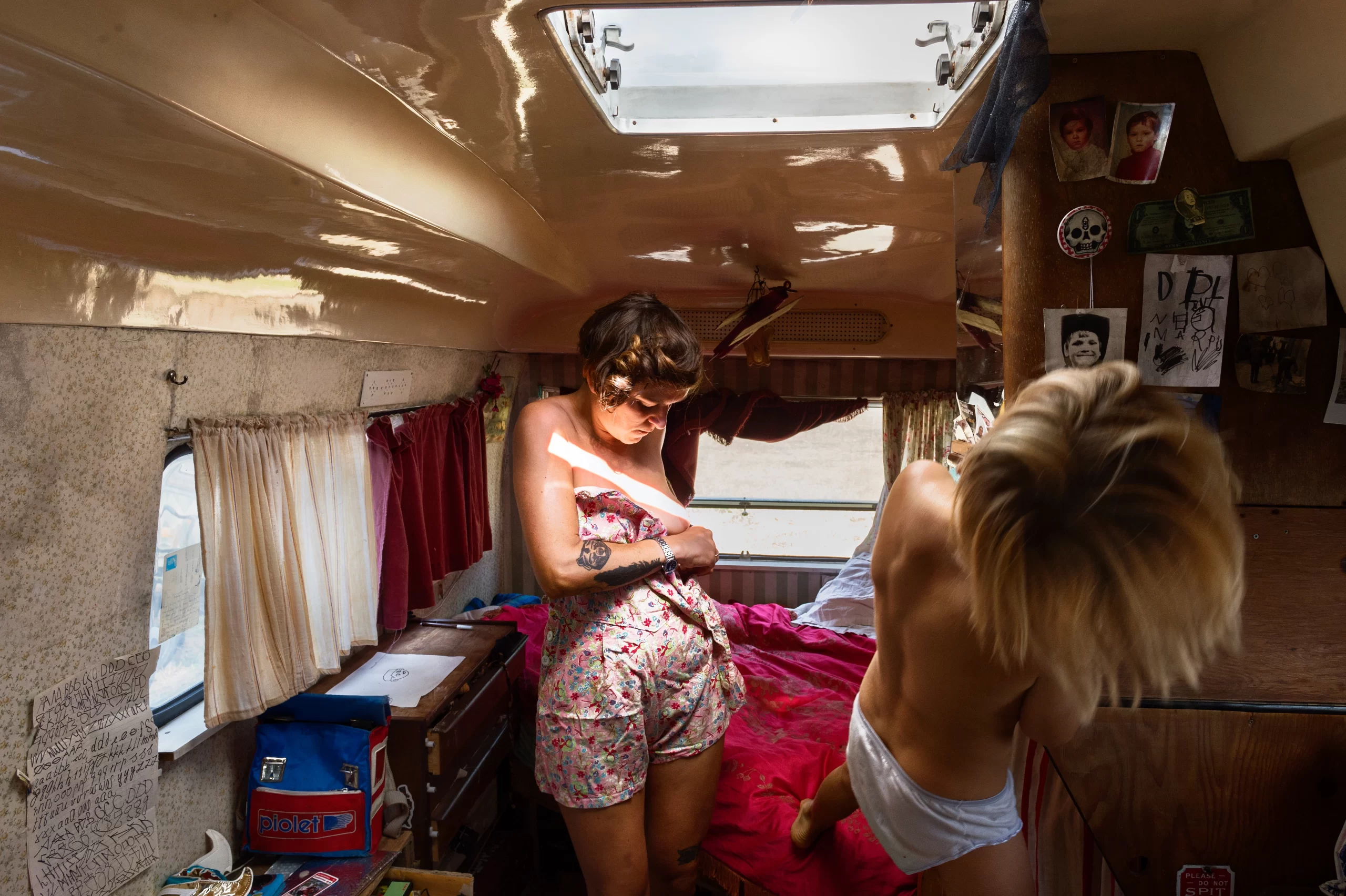
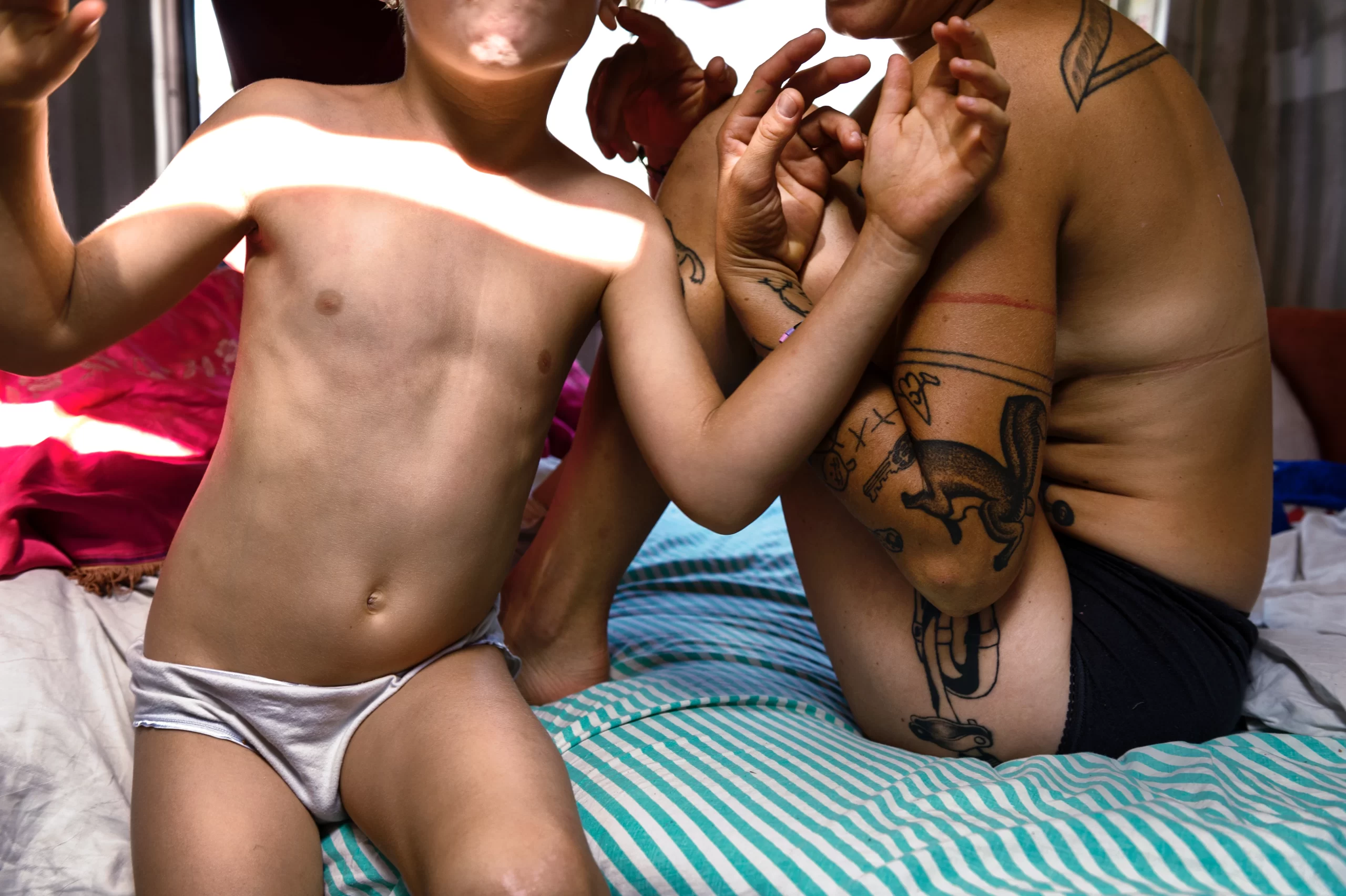
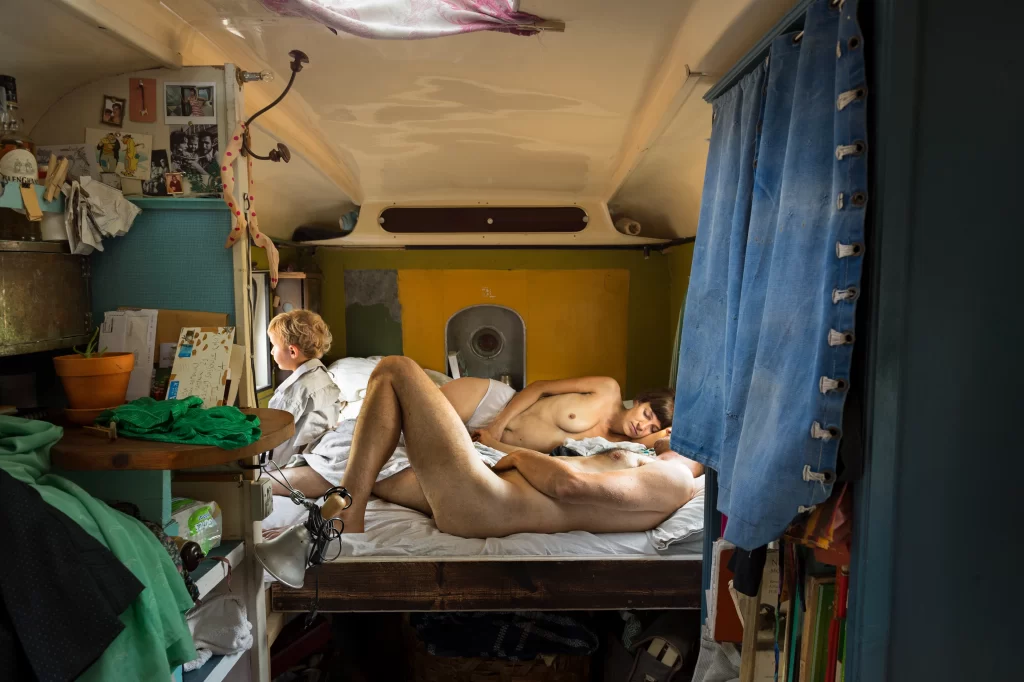
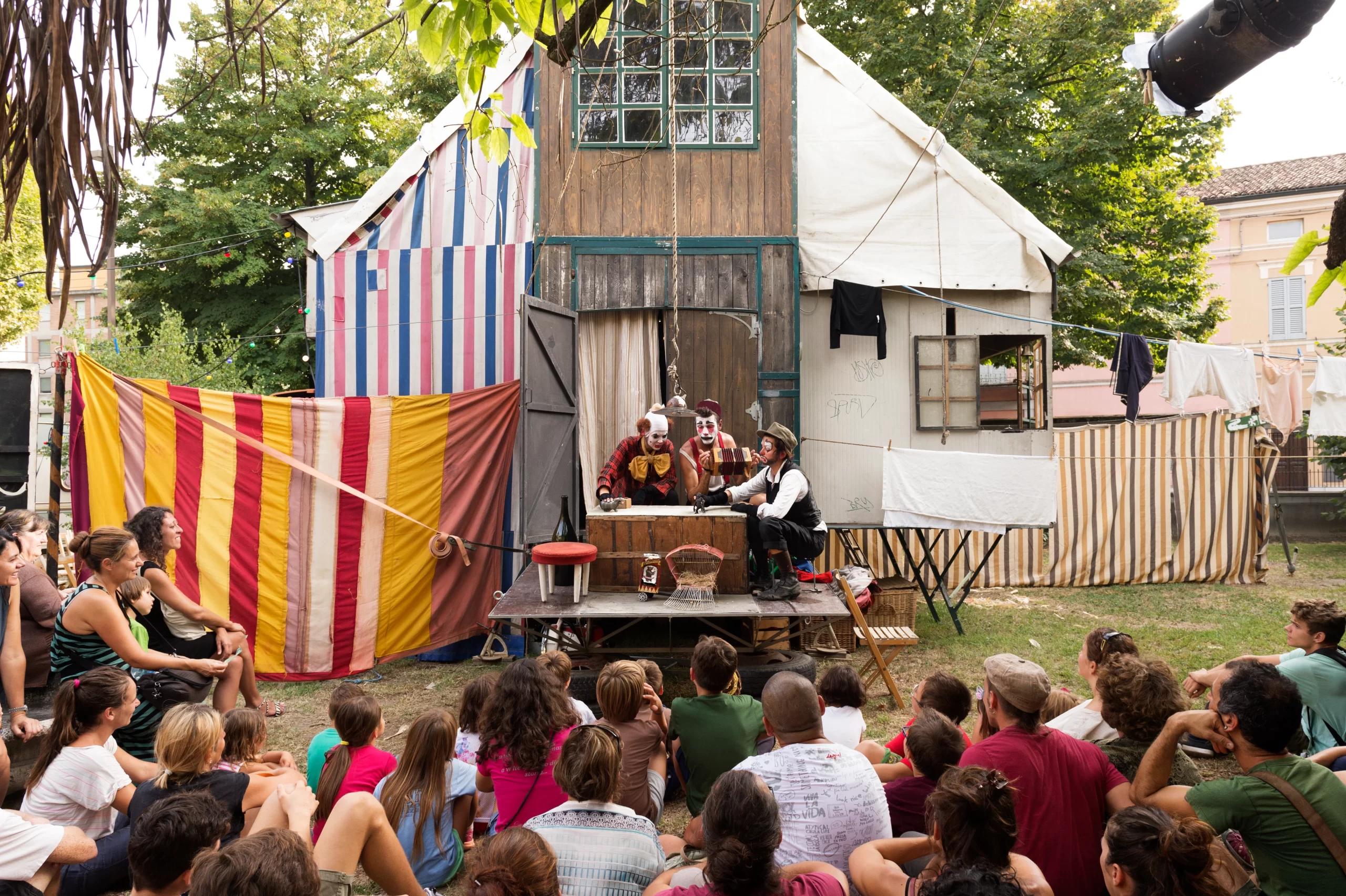
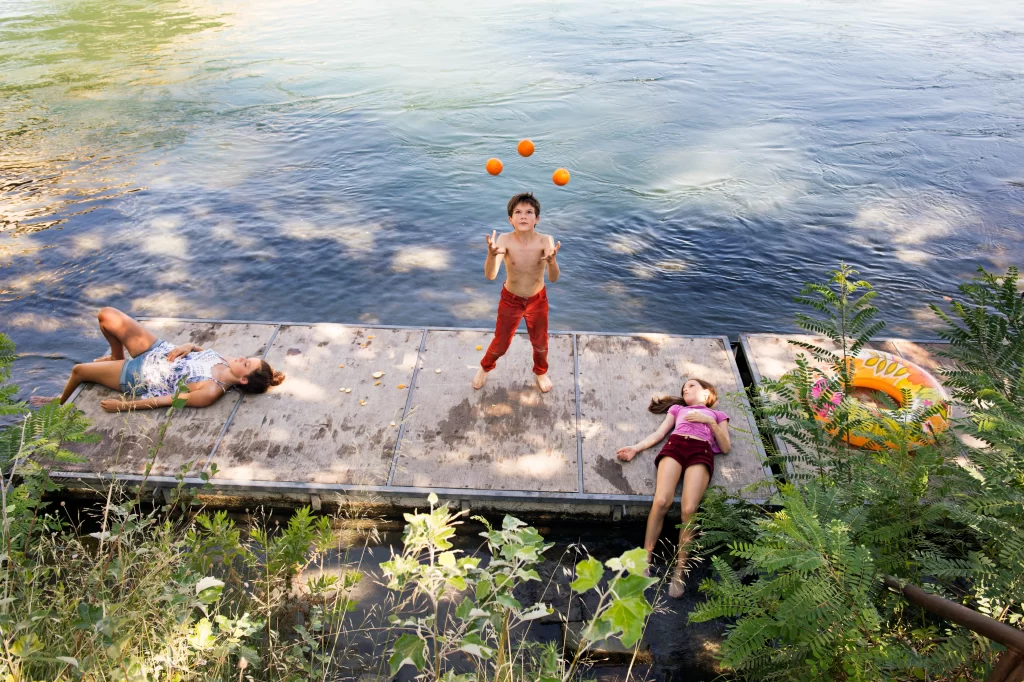
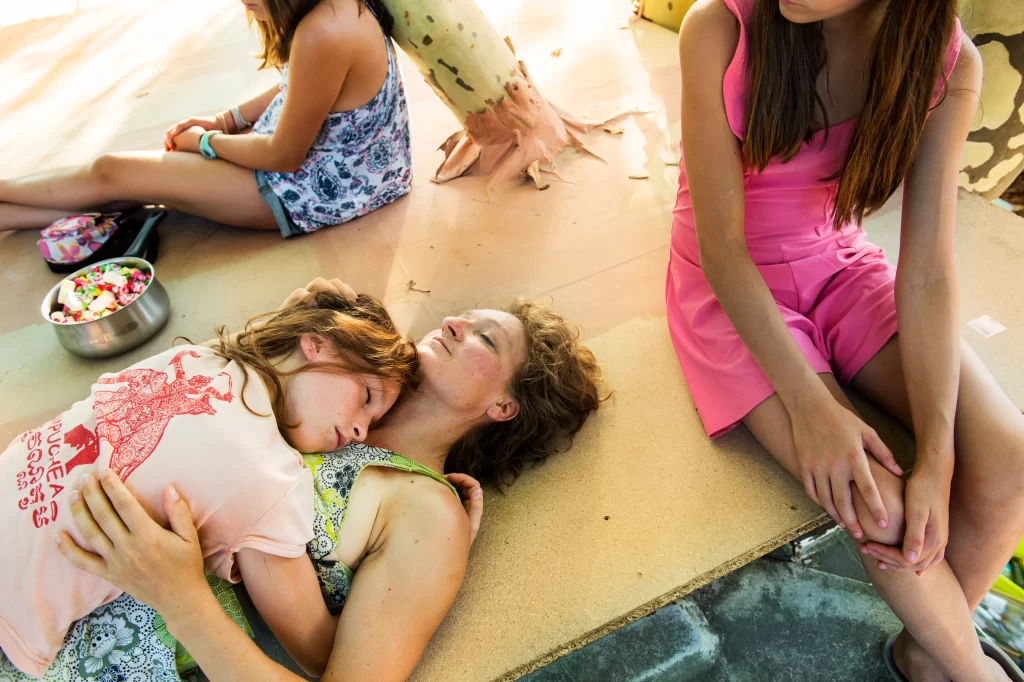
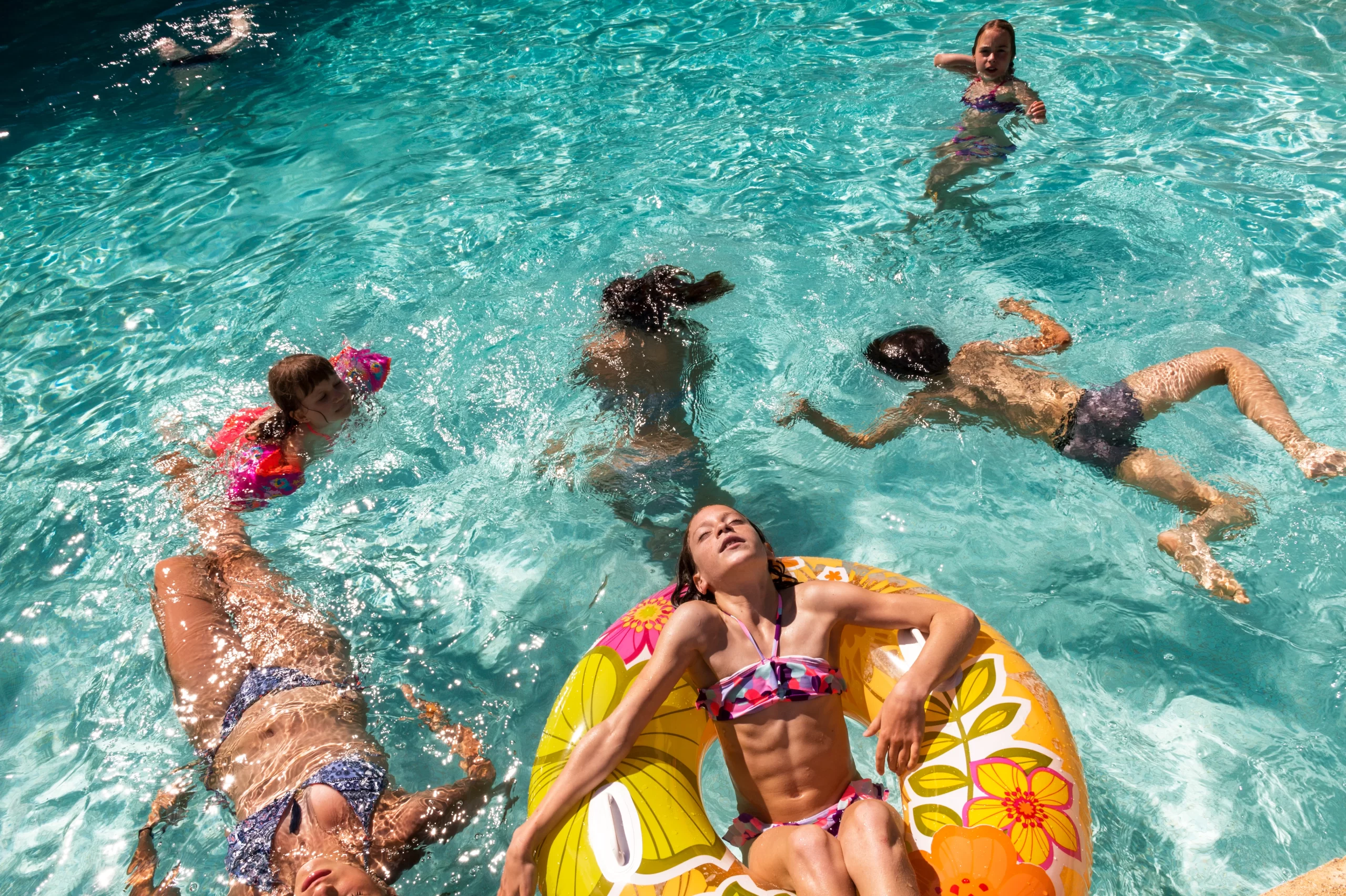
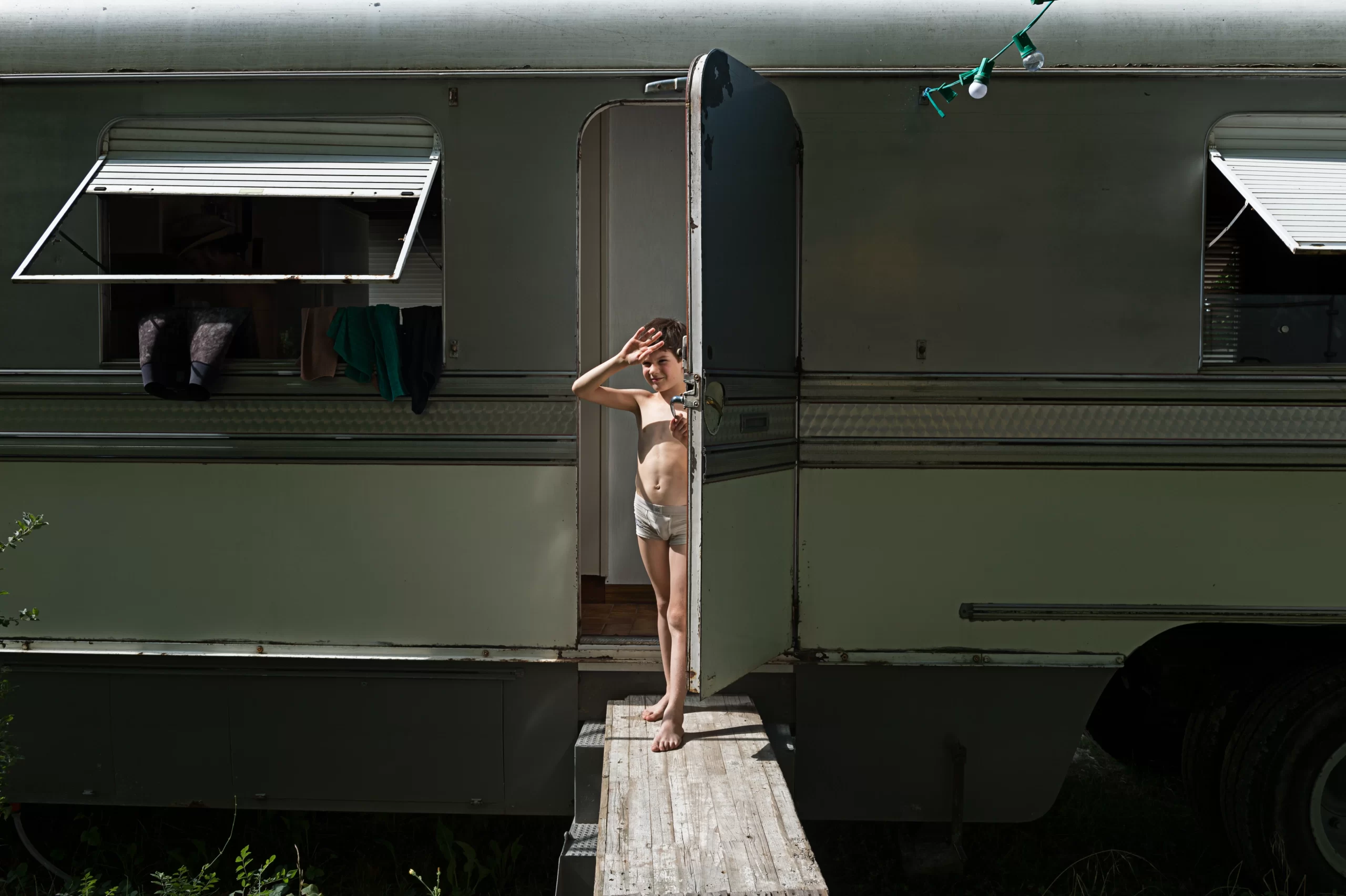
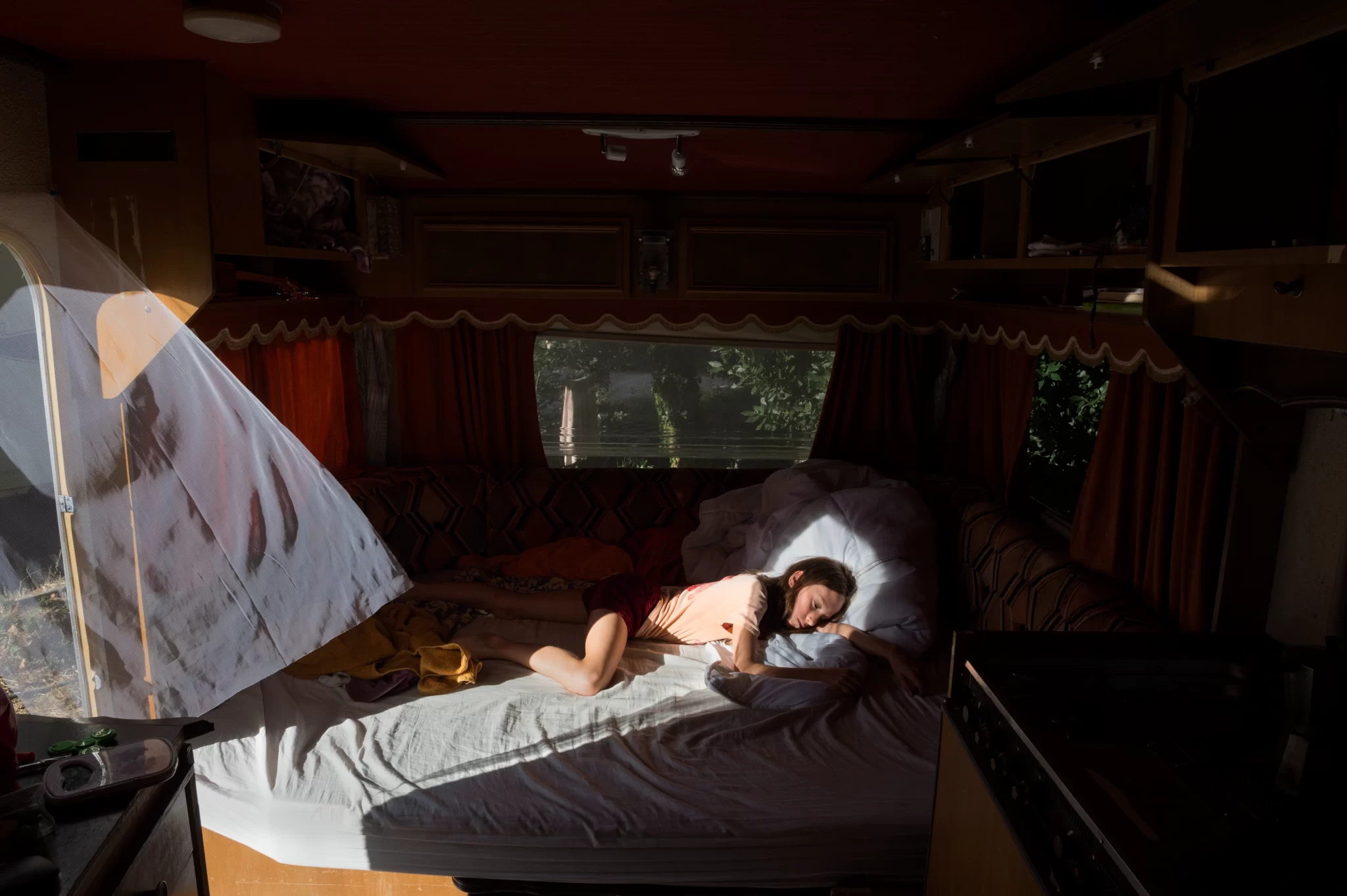
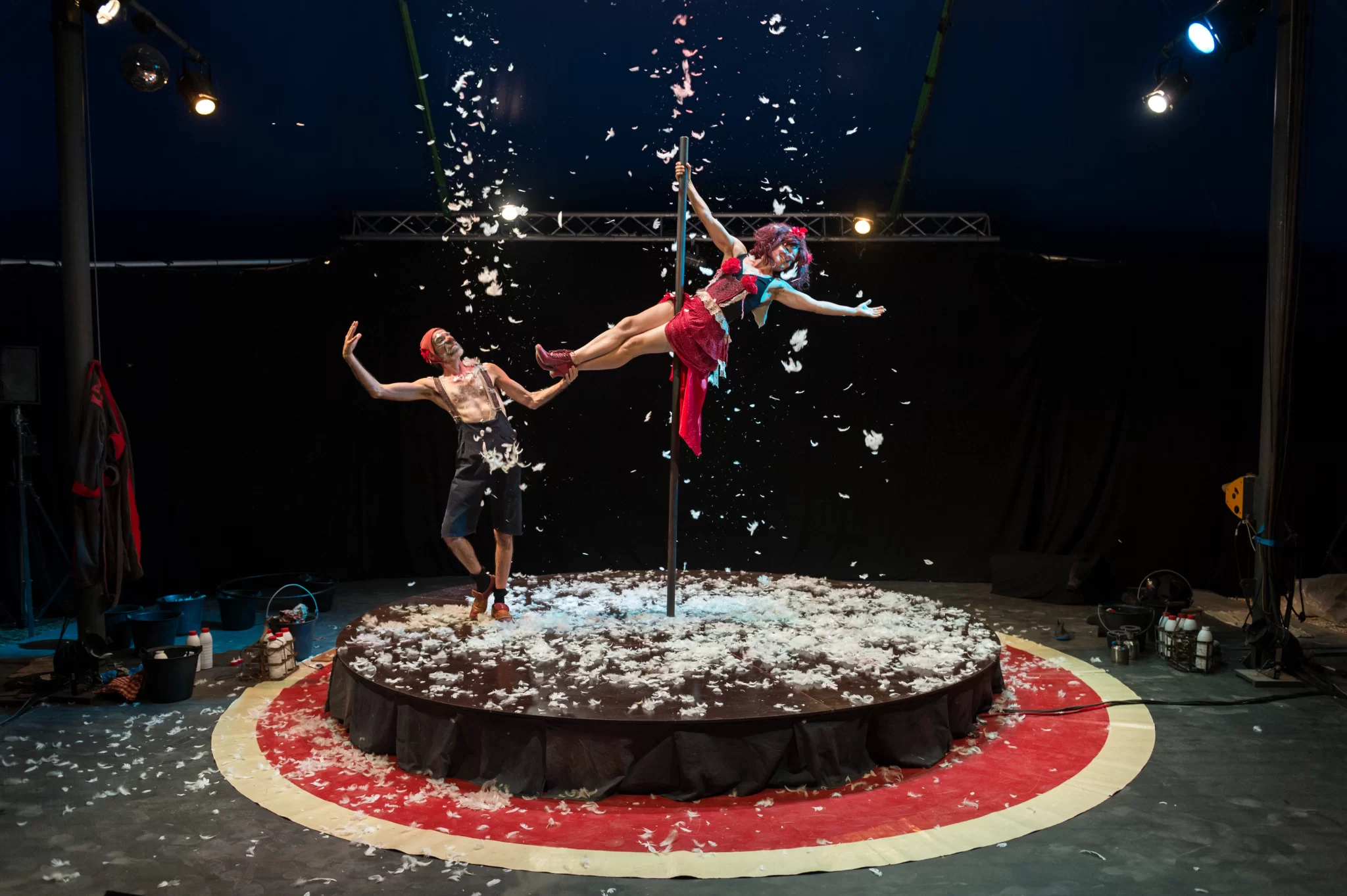
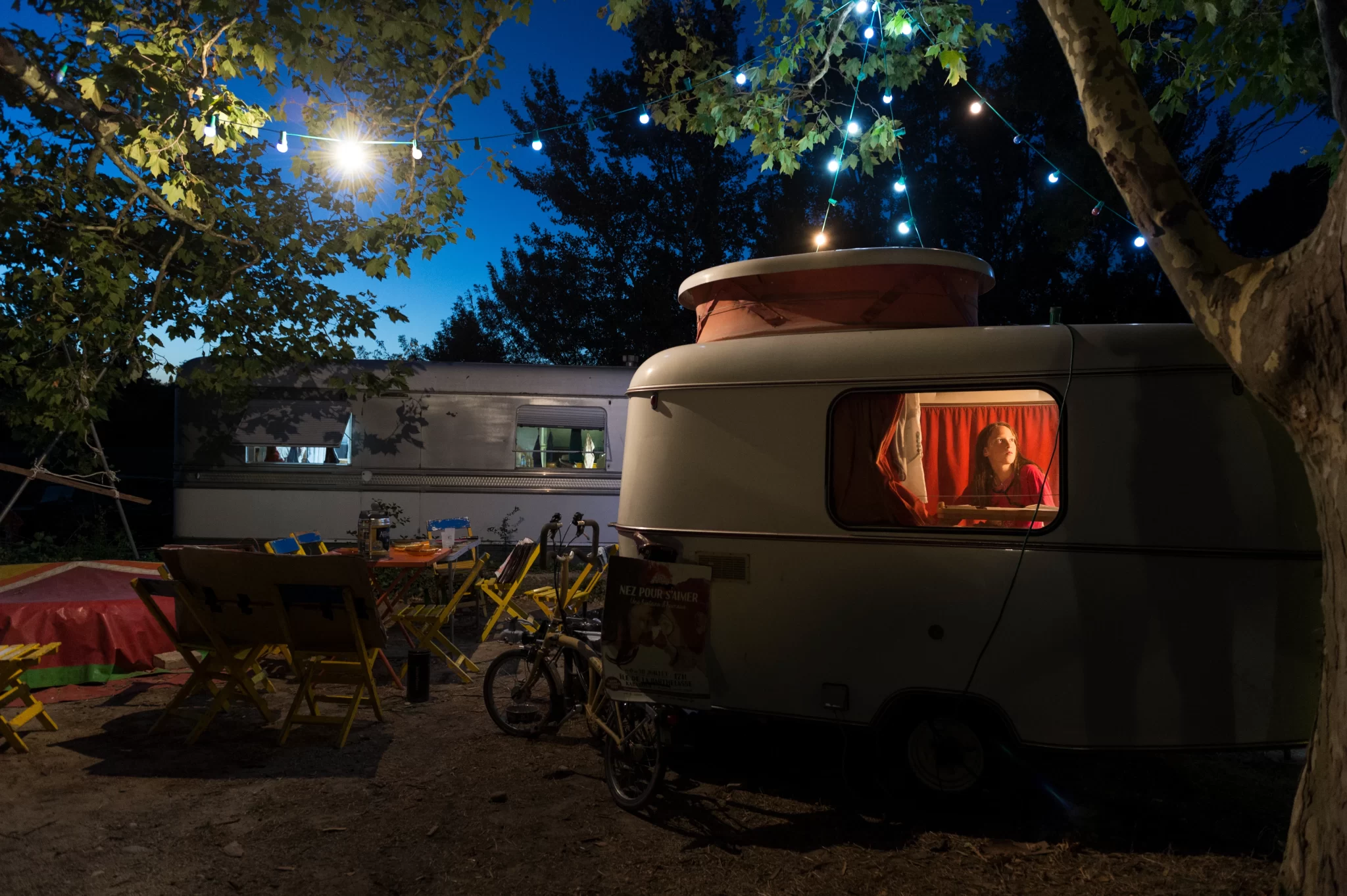
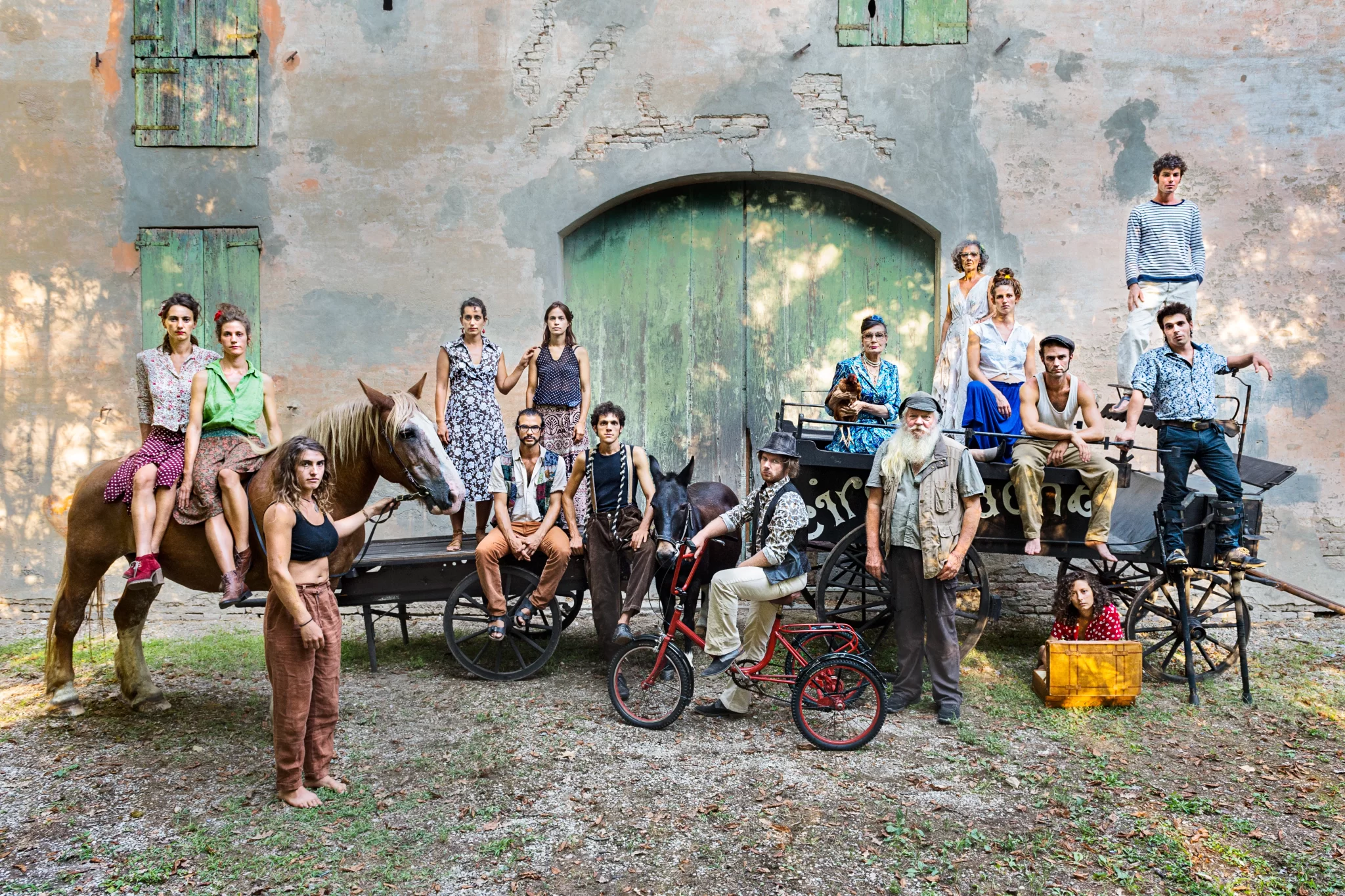
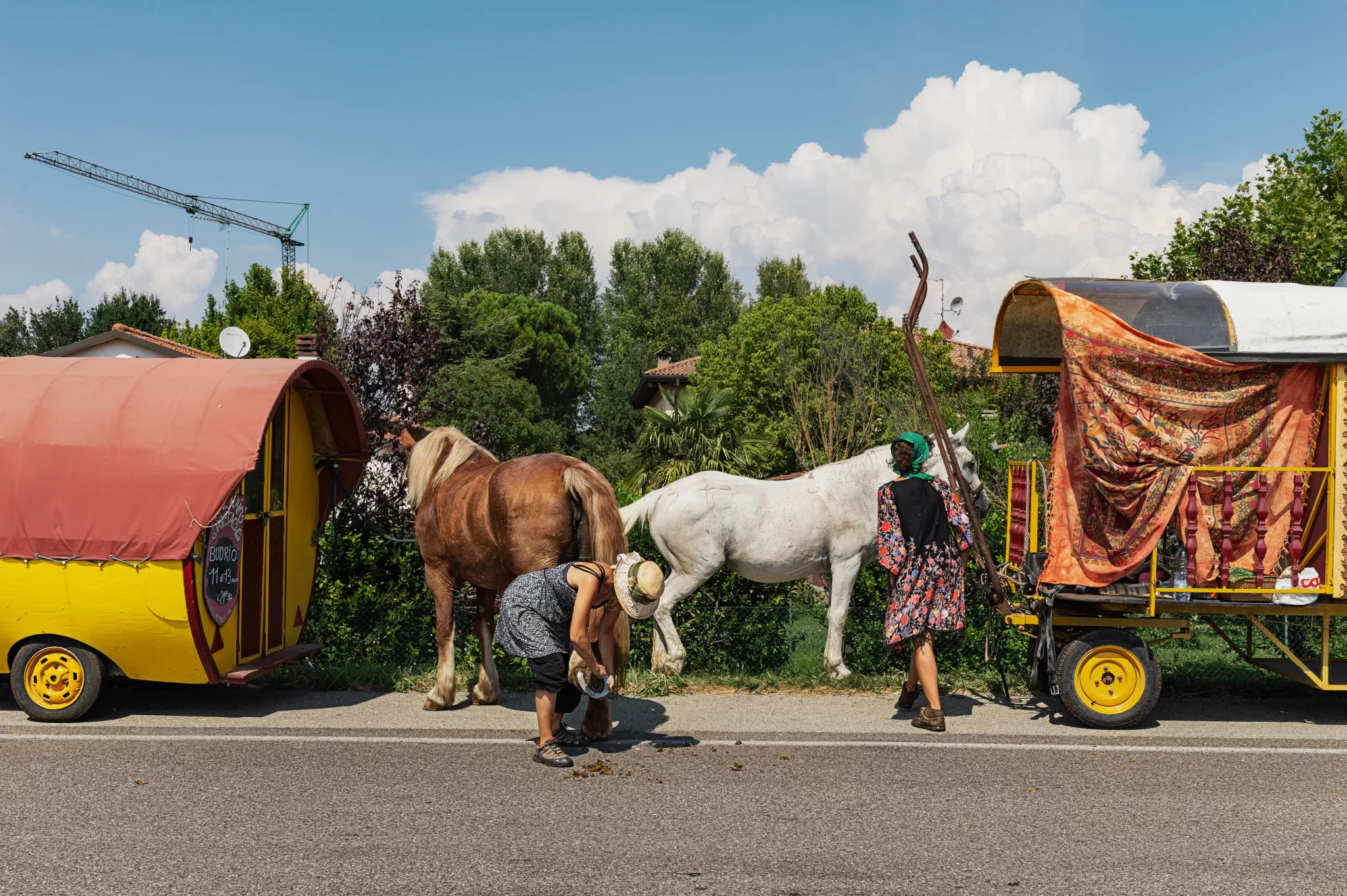
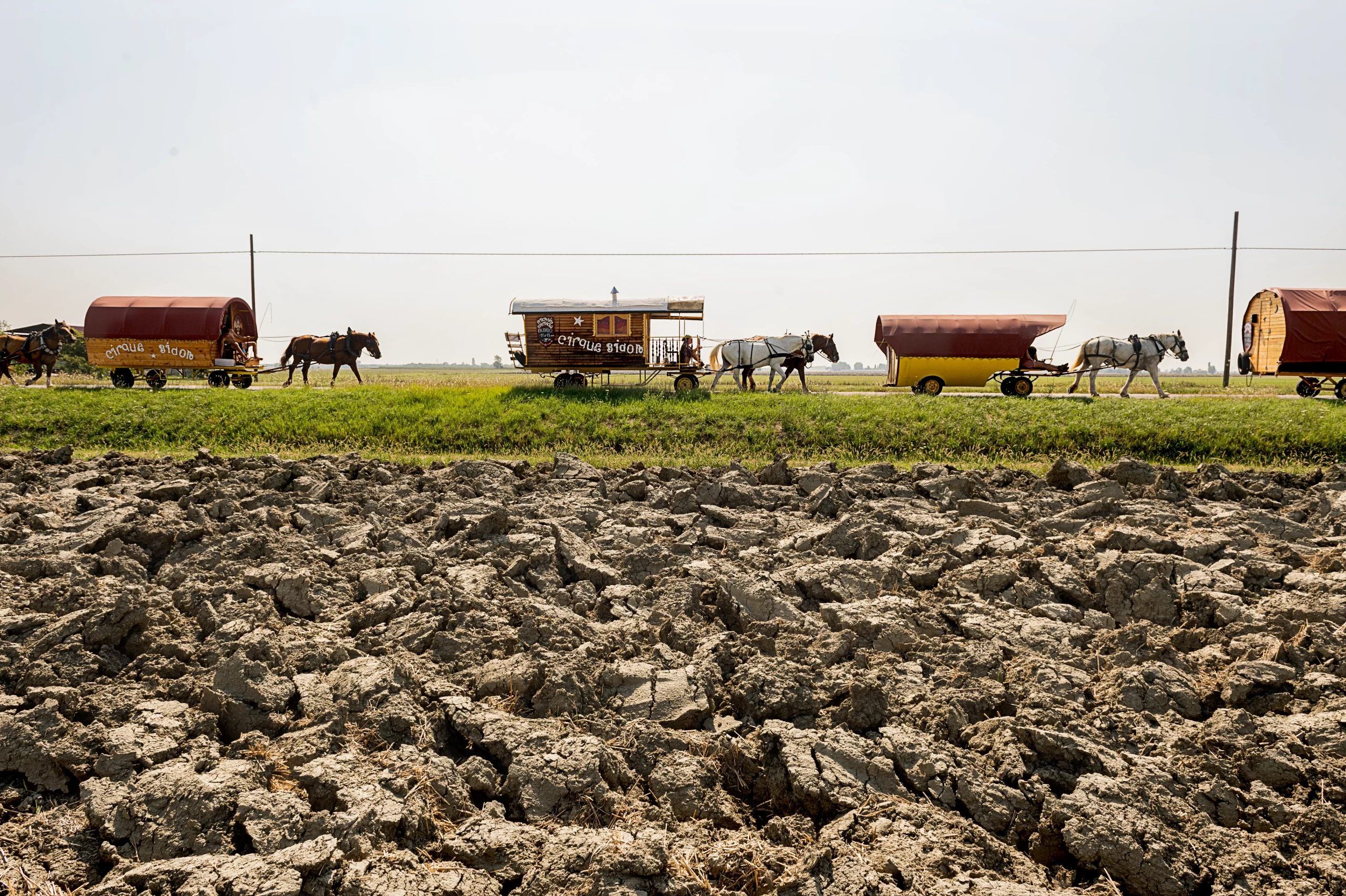
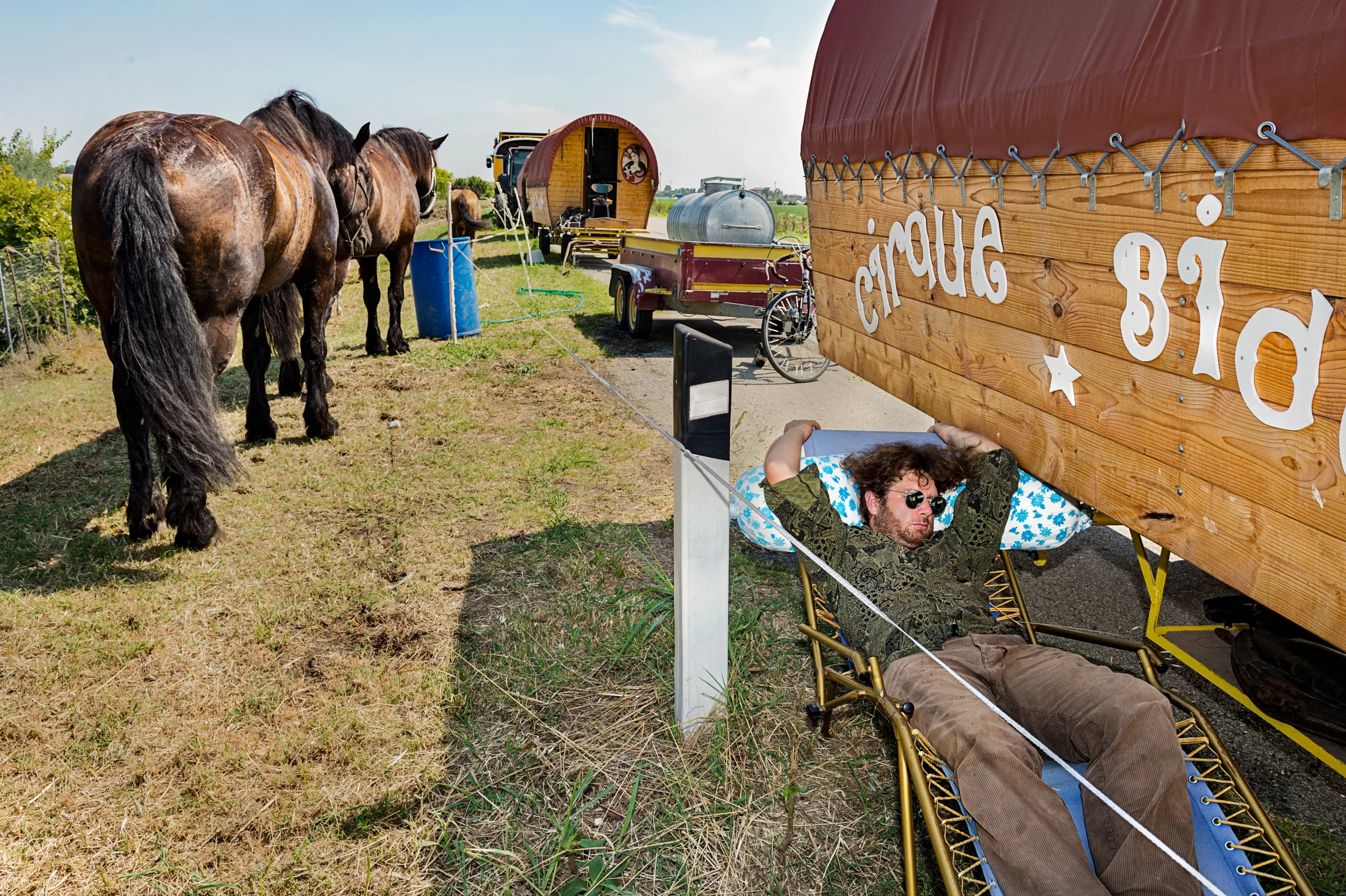
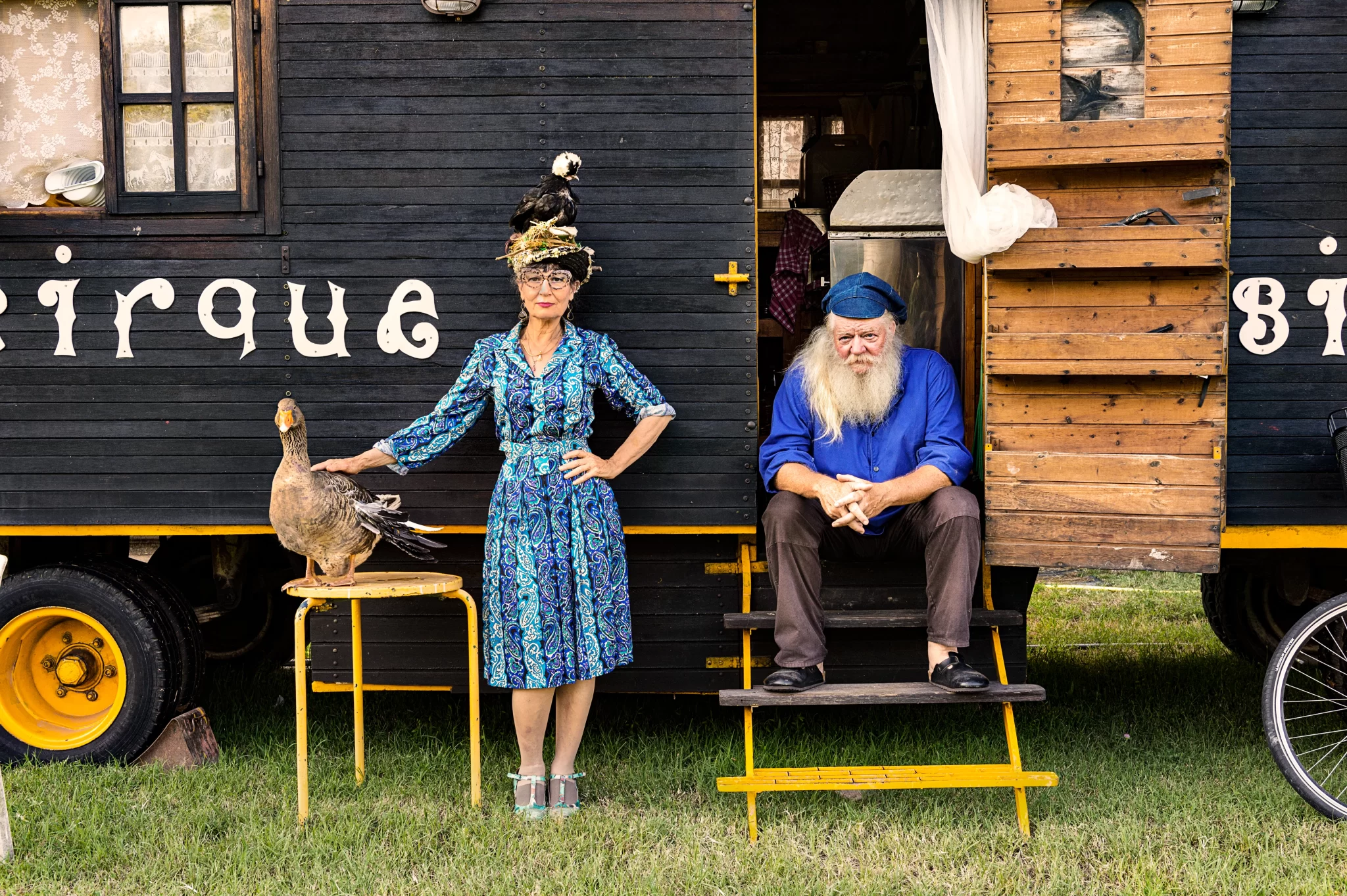
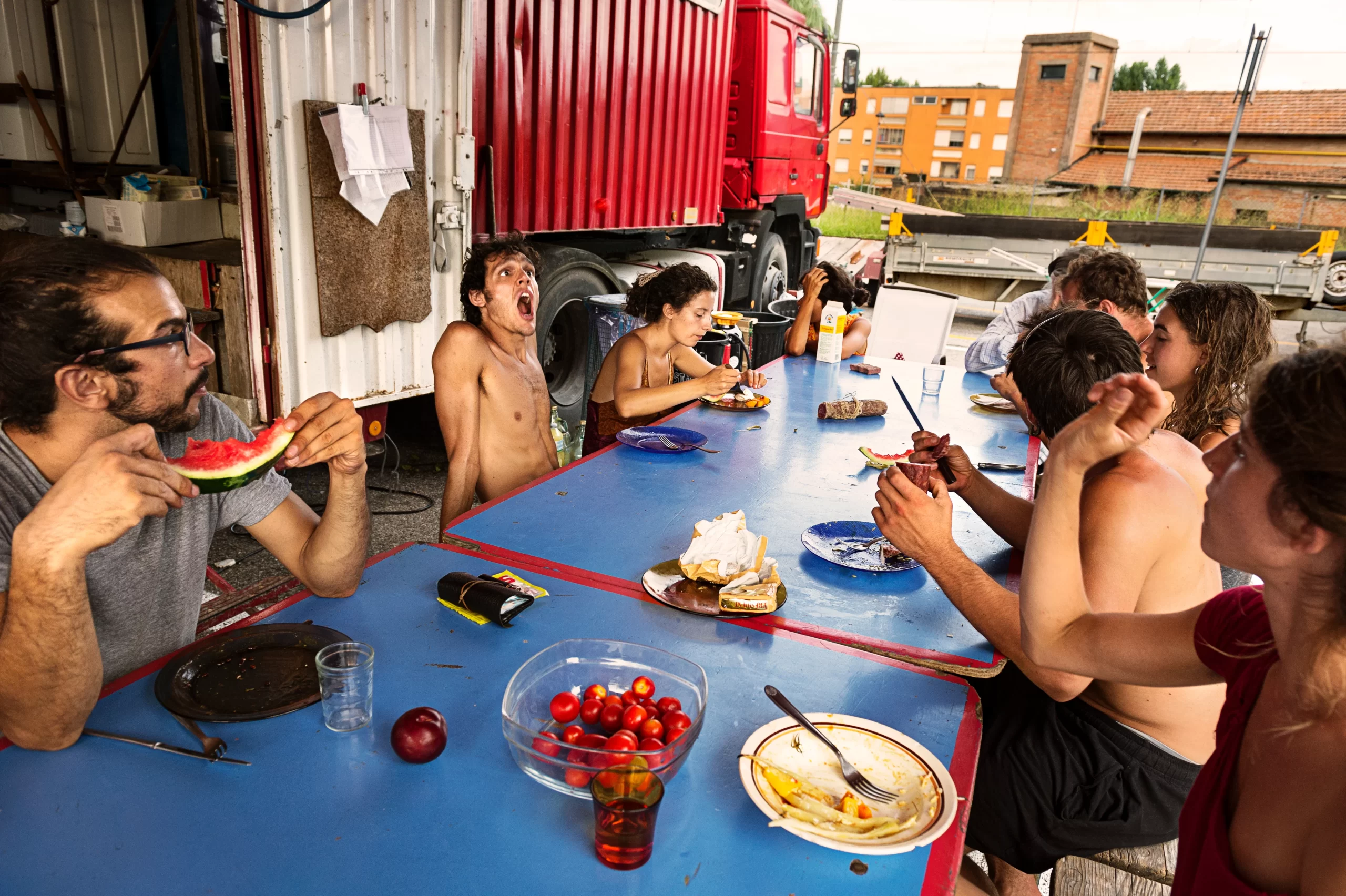
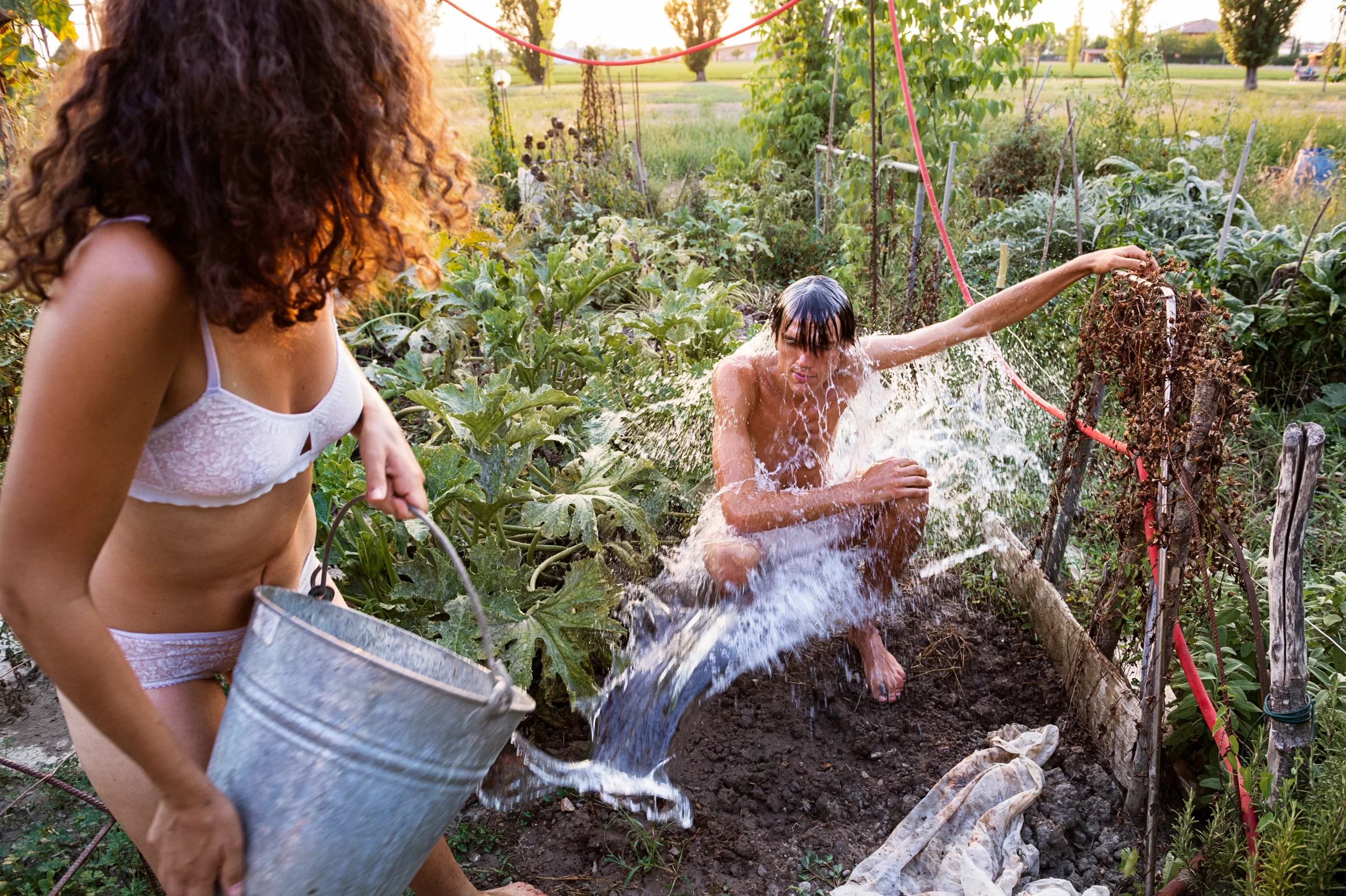
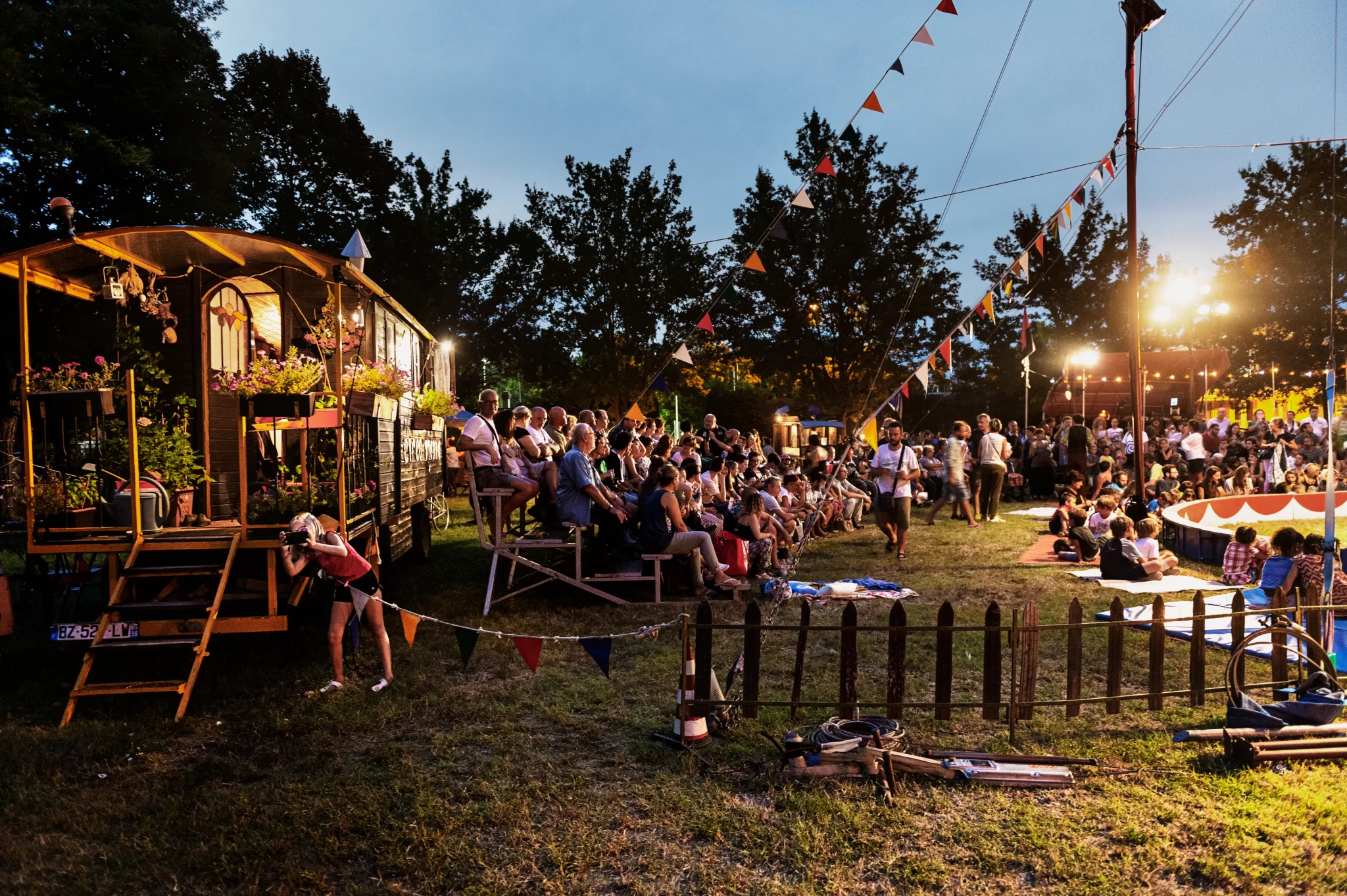
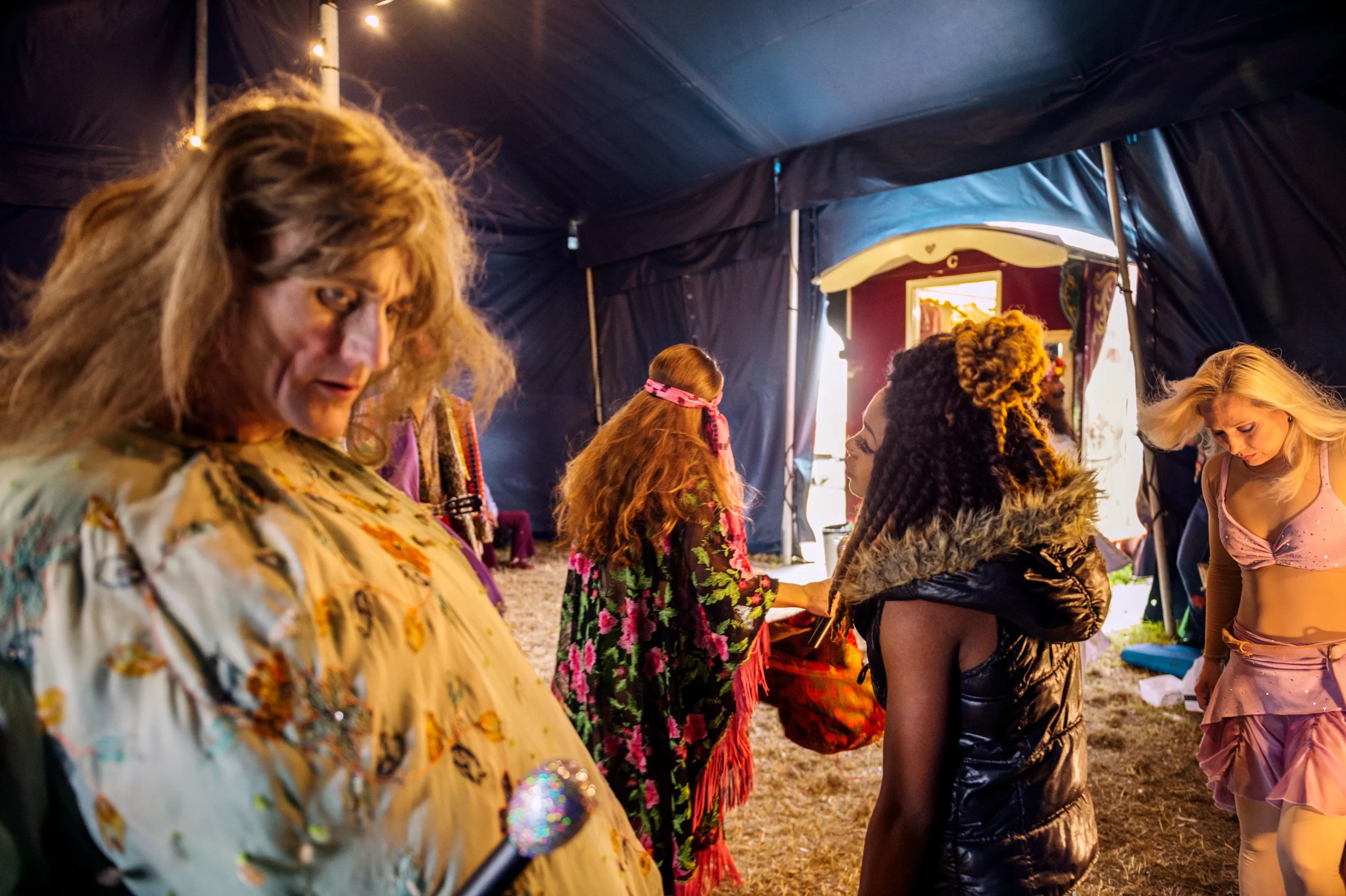
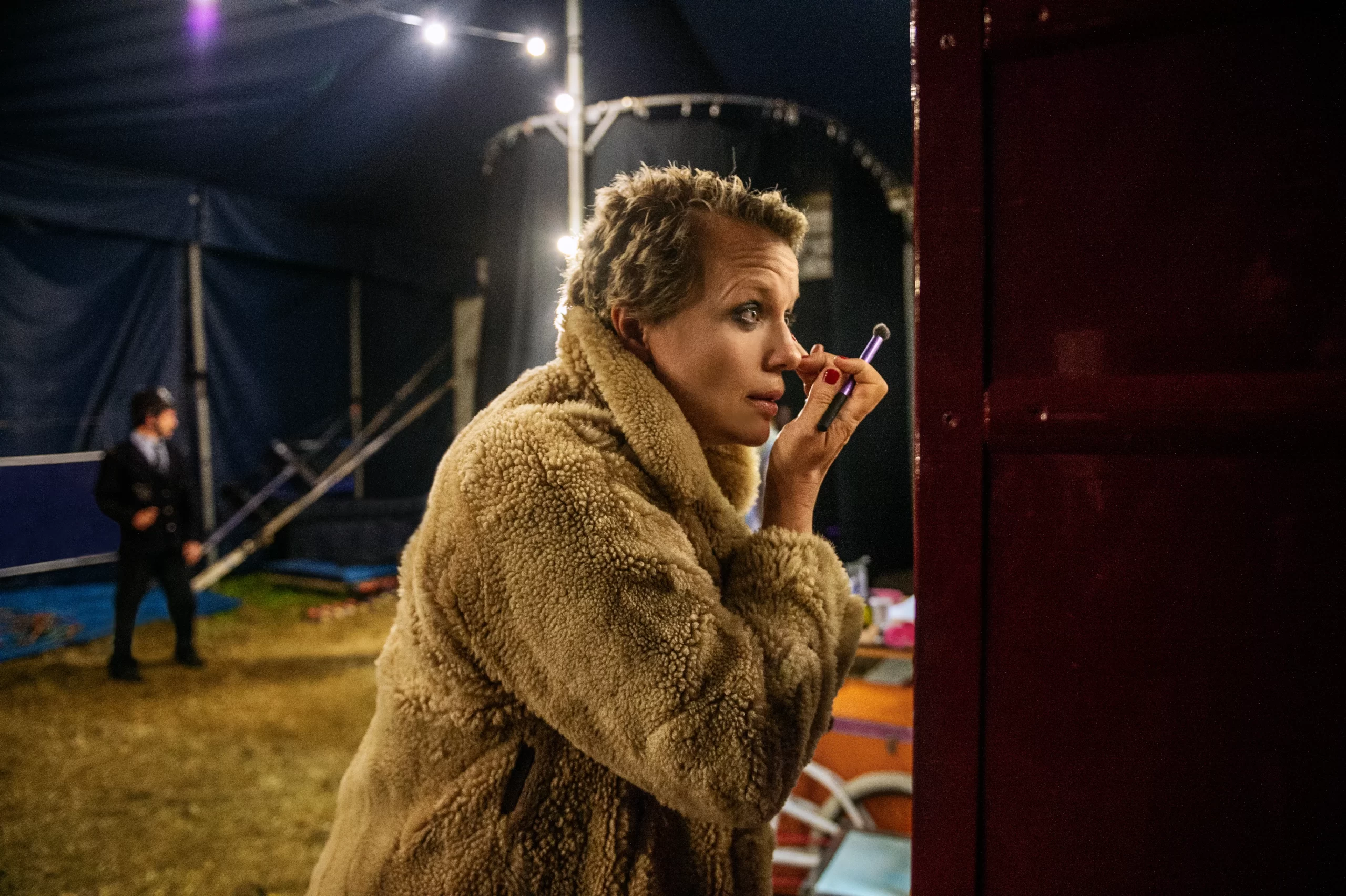
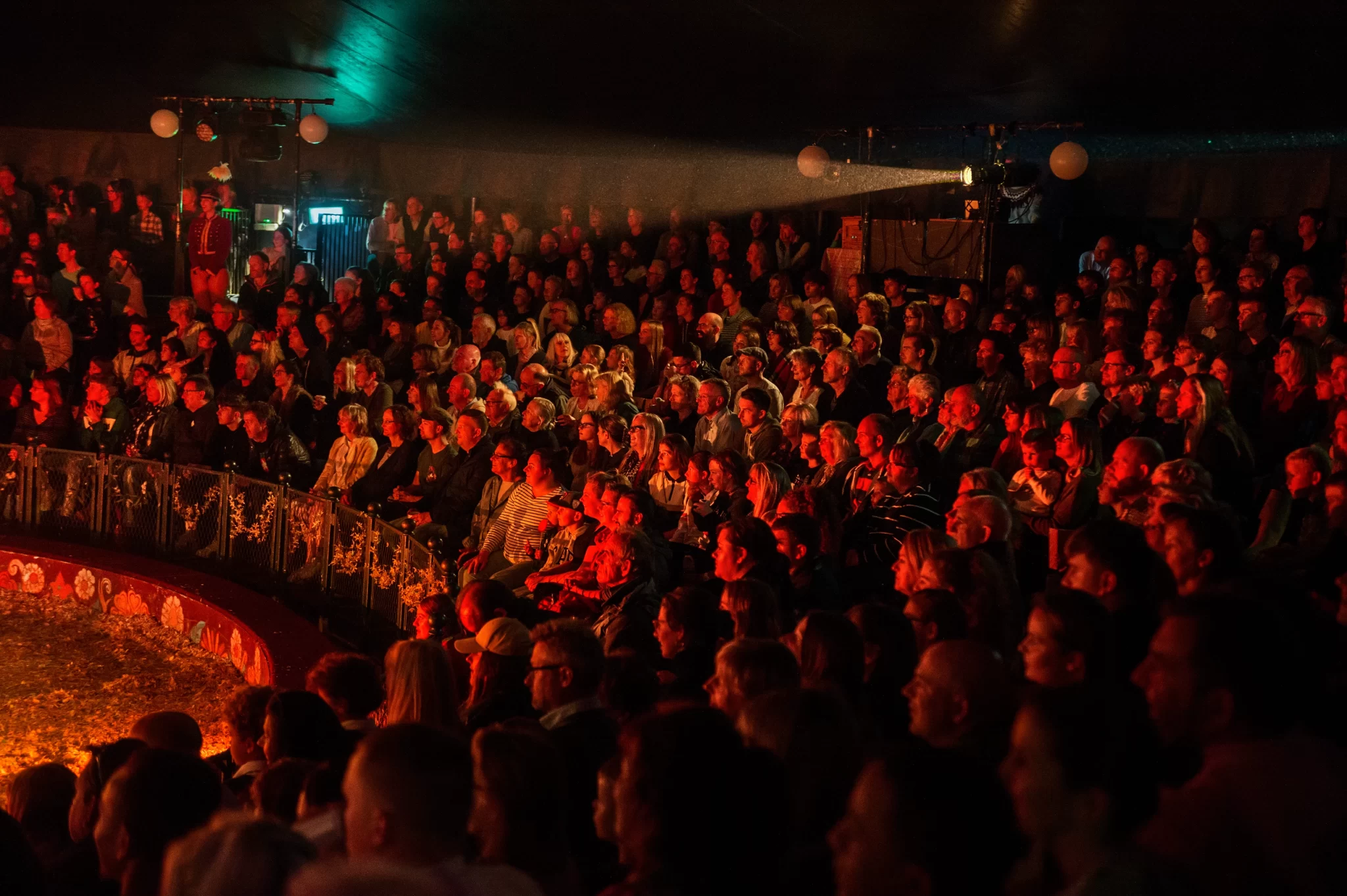
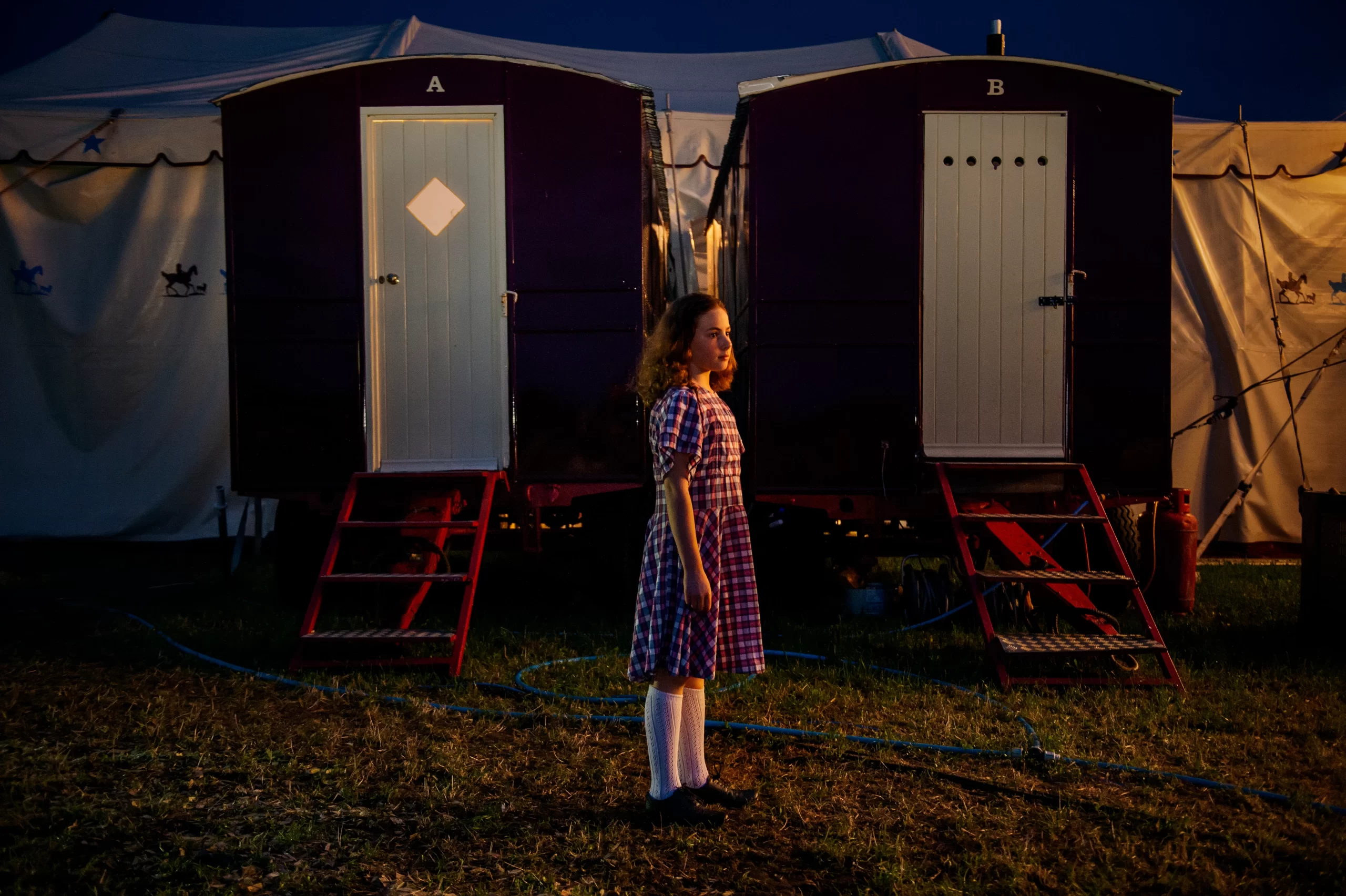
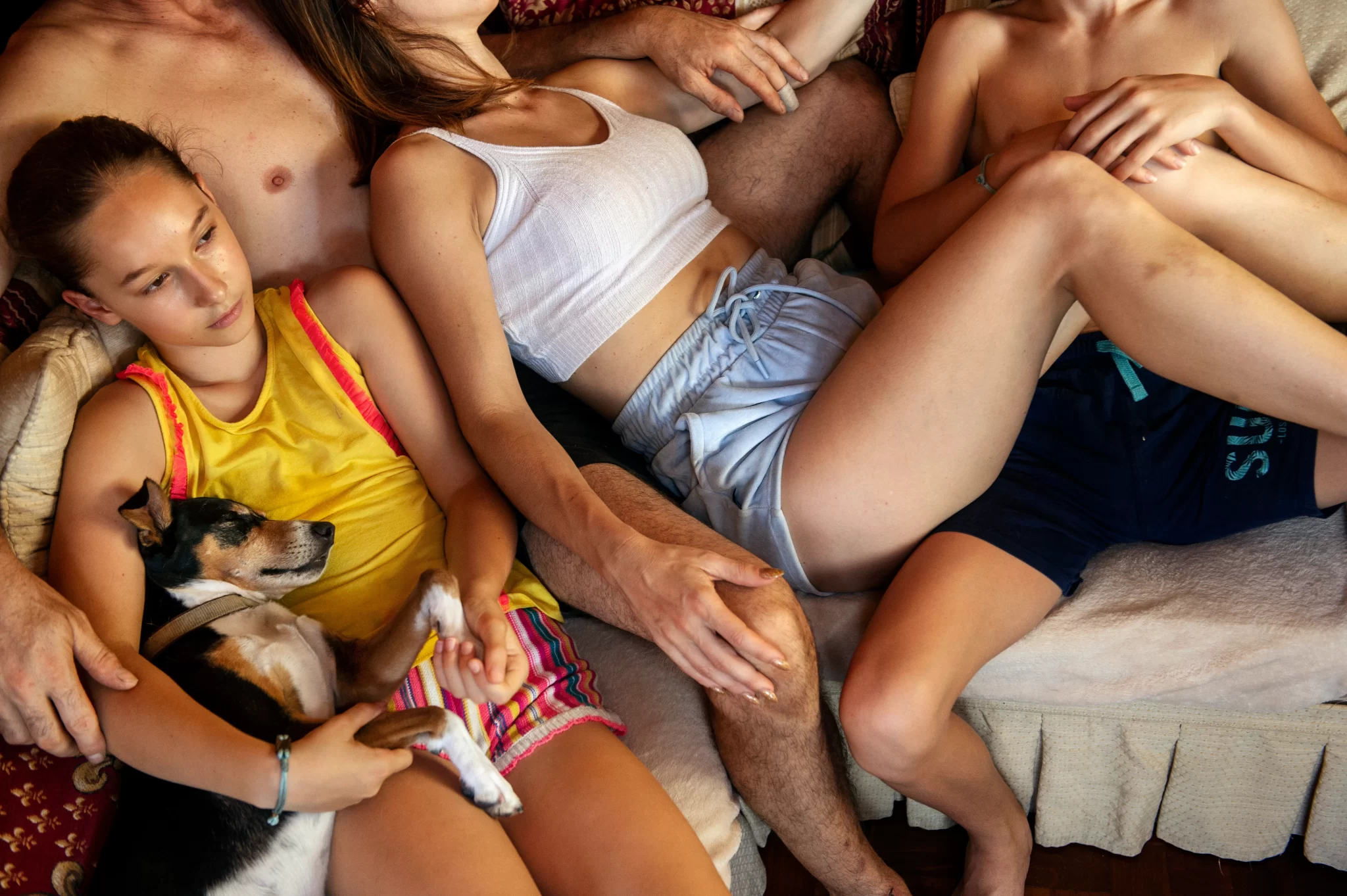
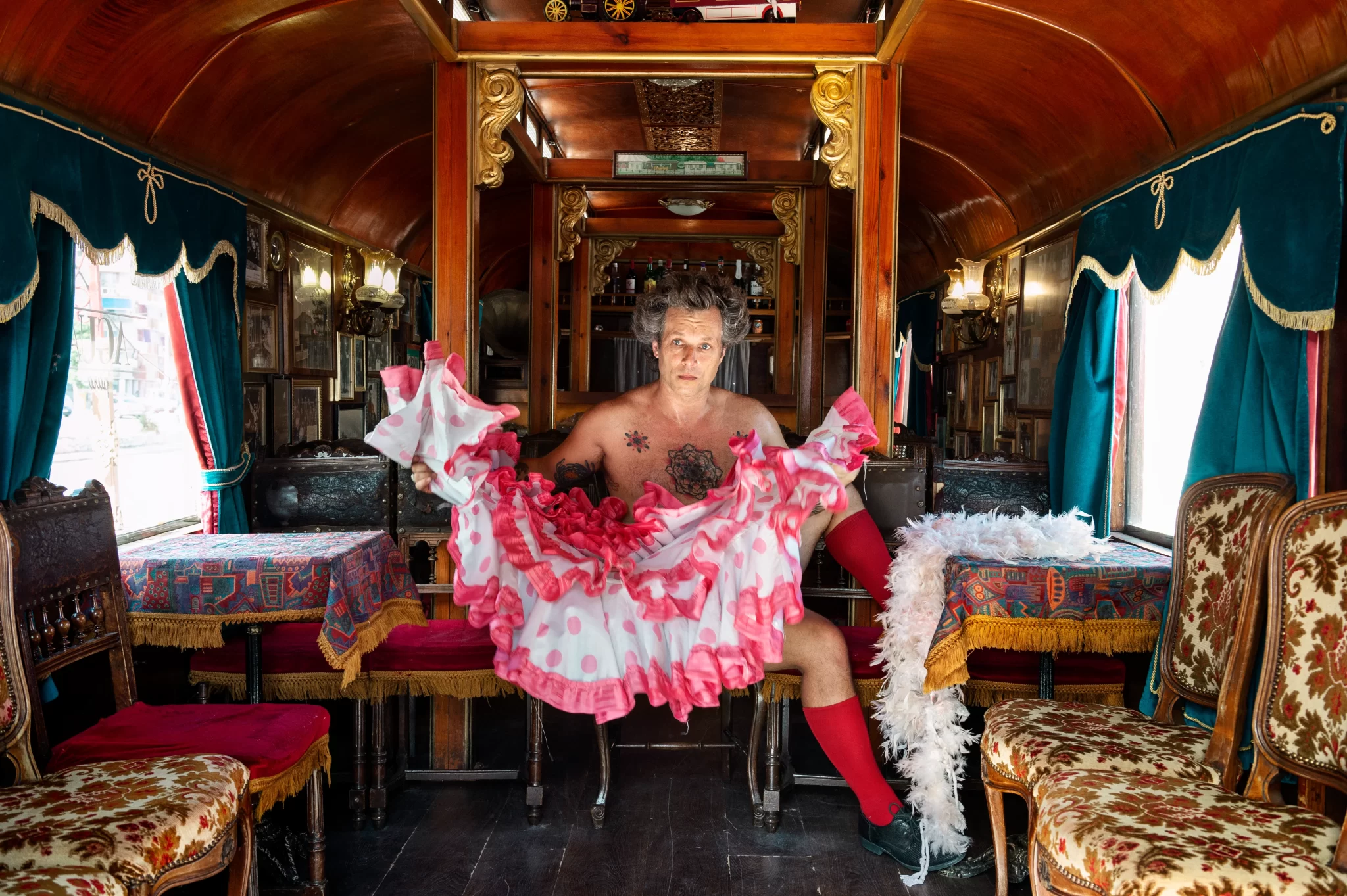
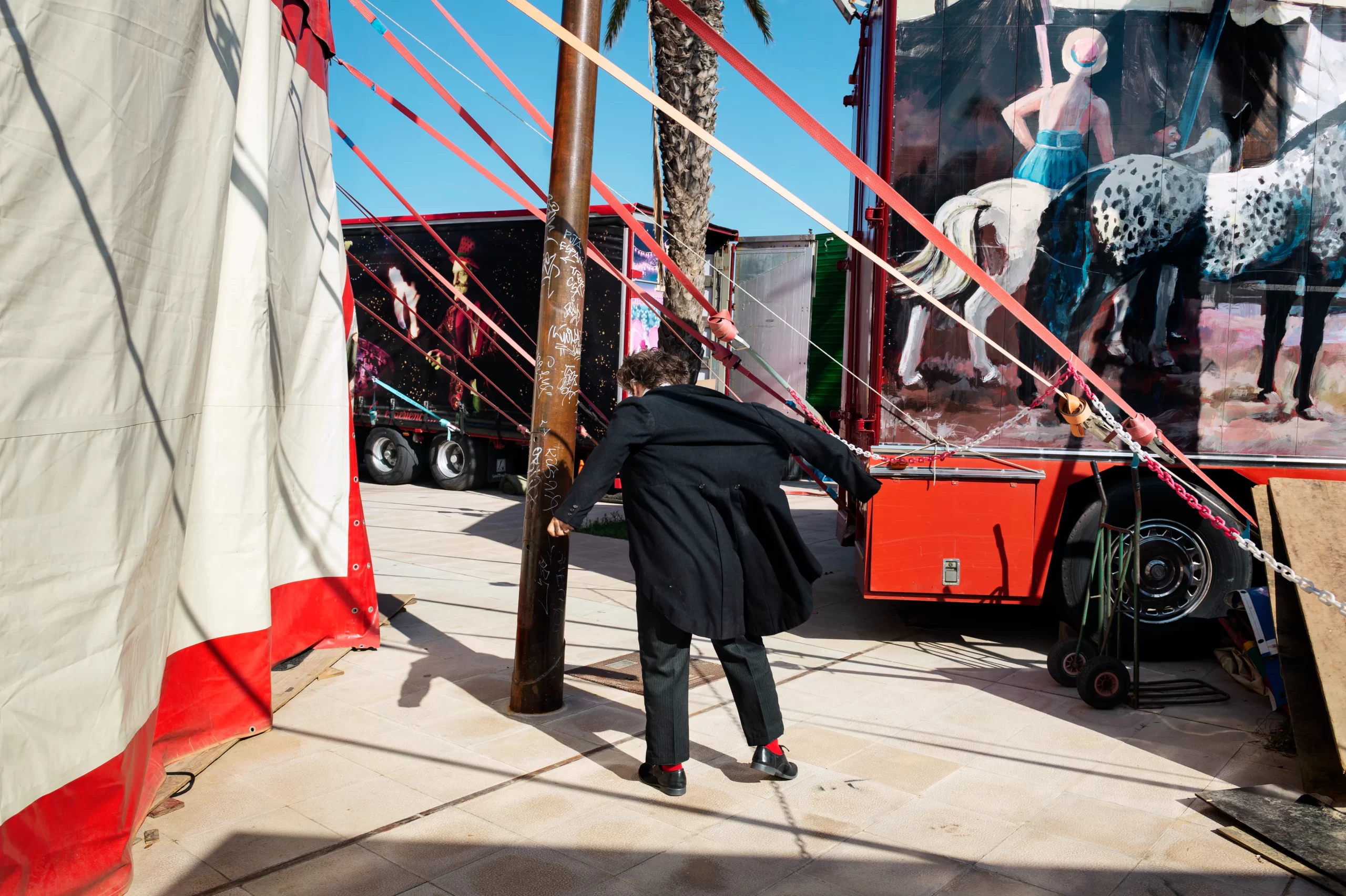
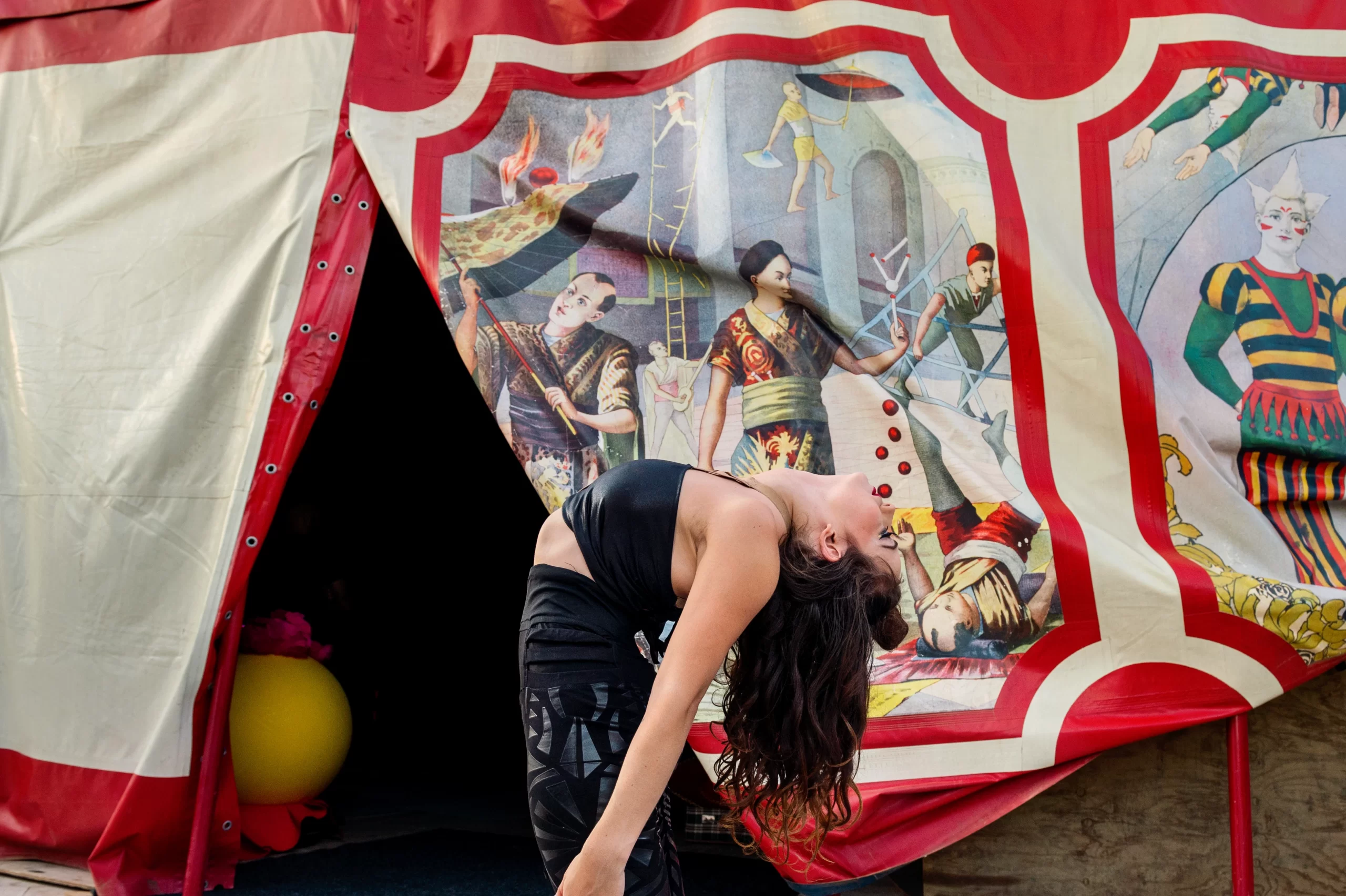
‘Circus love’– The magical life of Europe’s Family Circuses – is a long-term project started in 2016 on ‘Nouveau Cirque’. The work is divided into chapters, each of which tells the story of a different family.
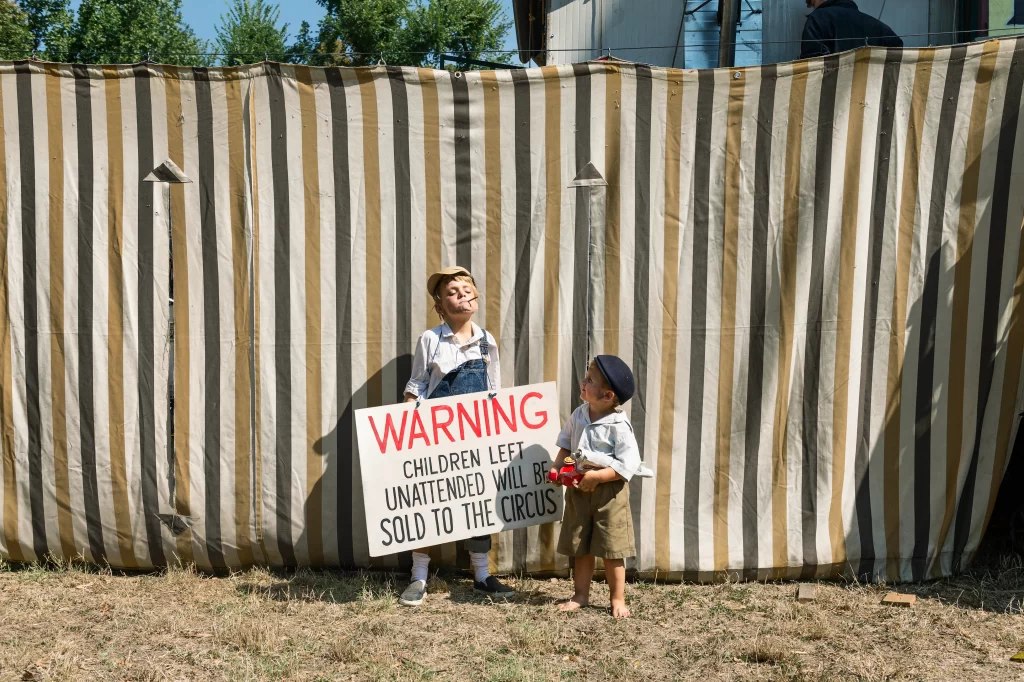
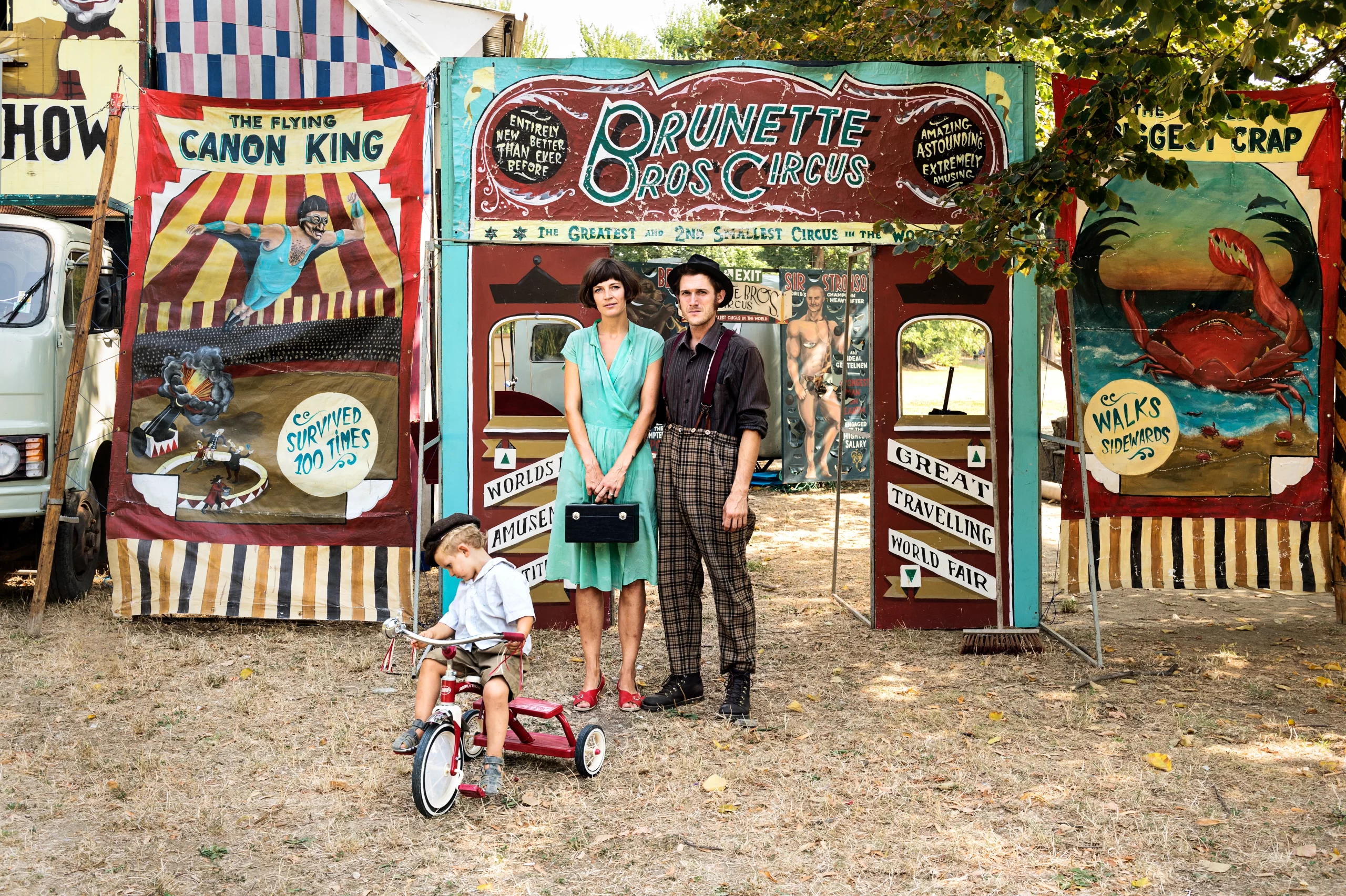
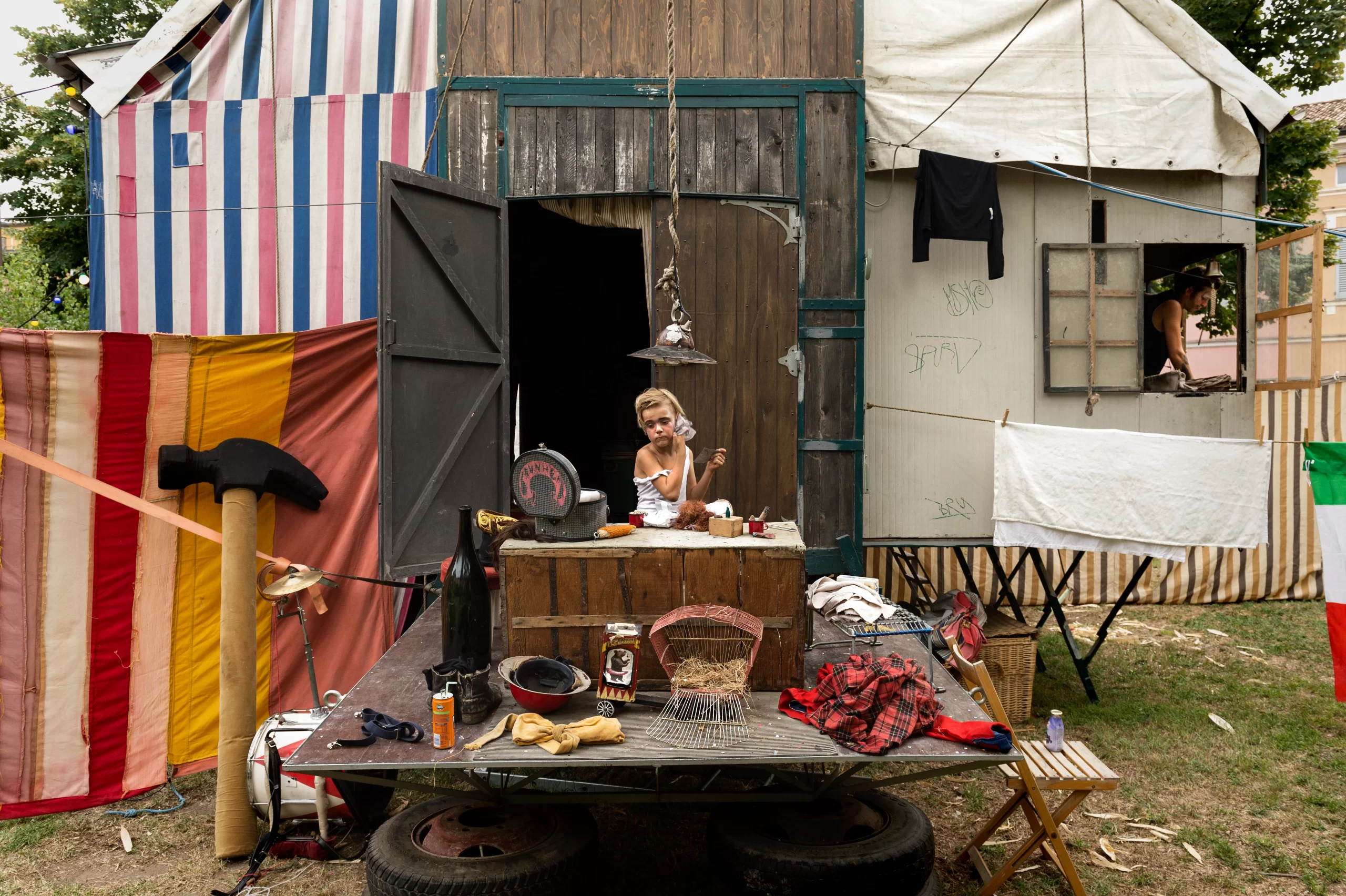
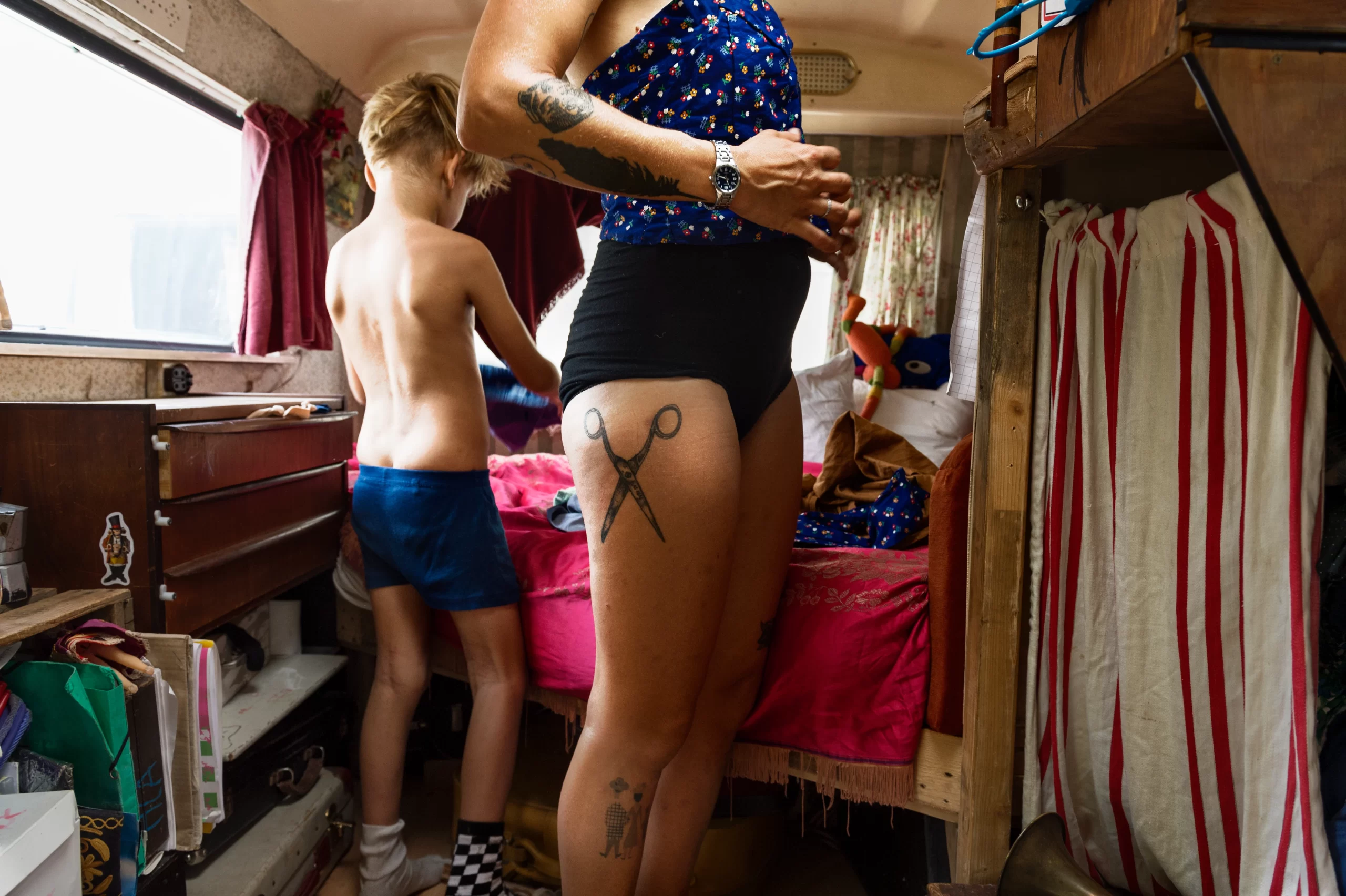
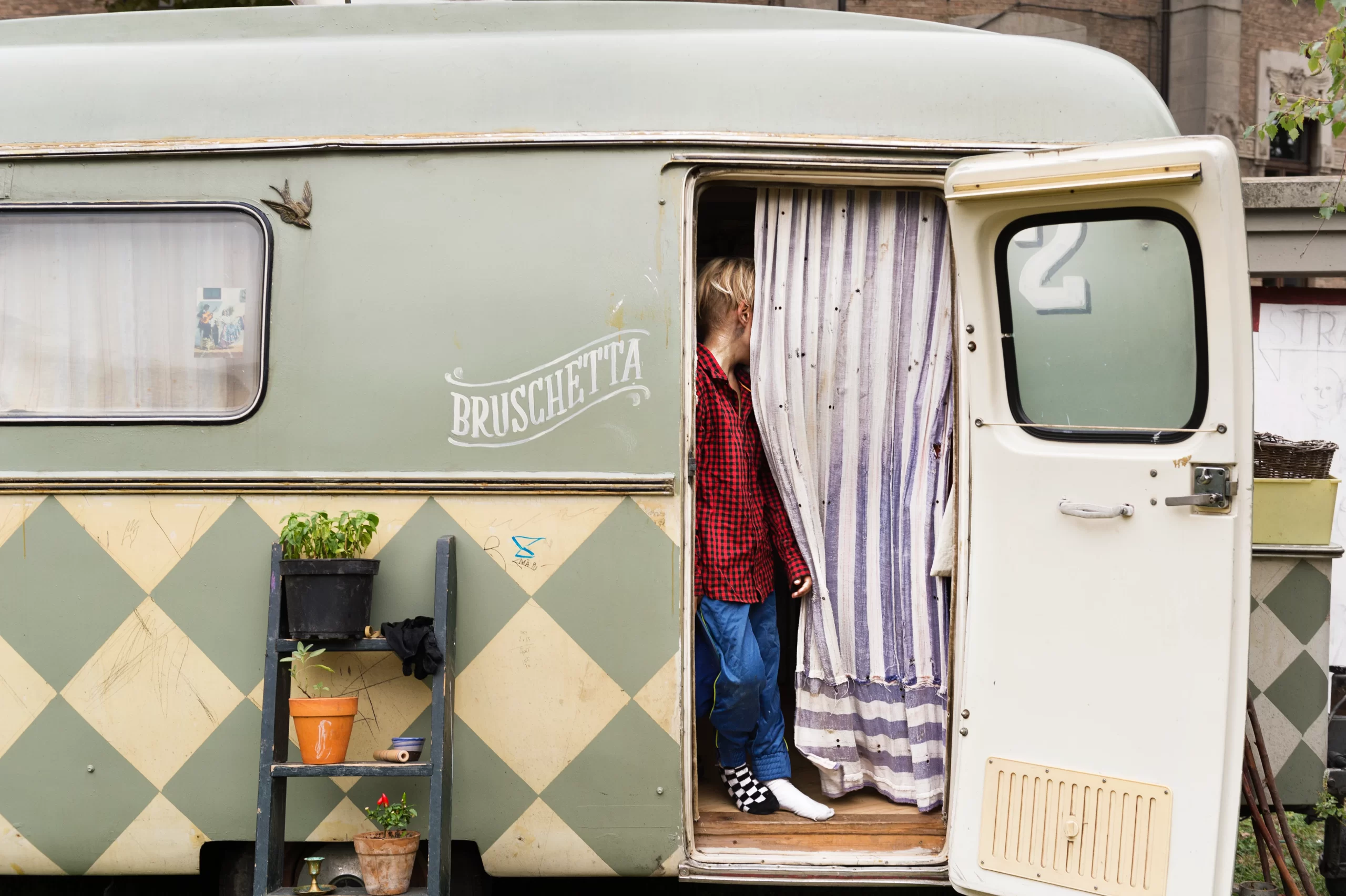
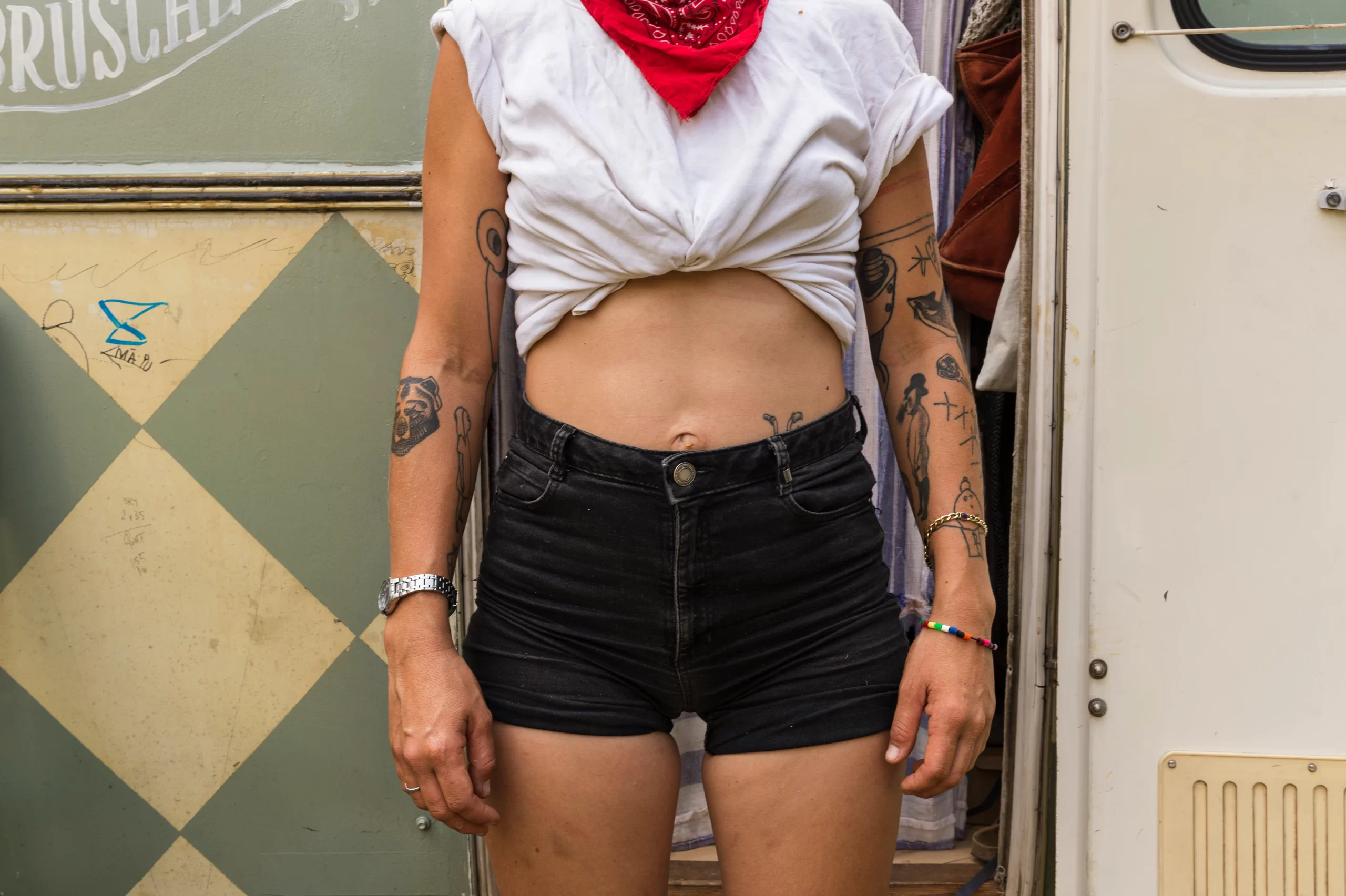
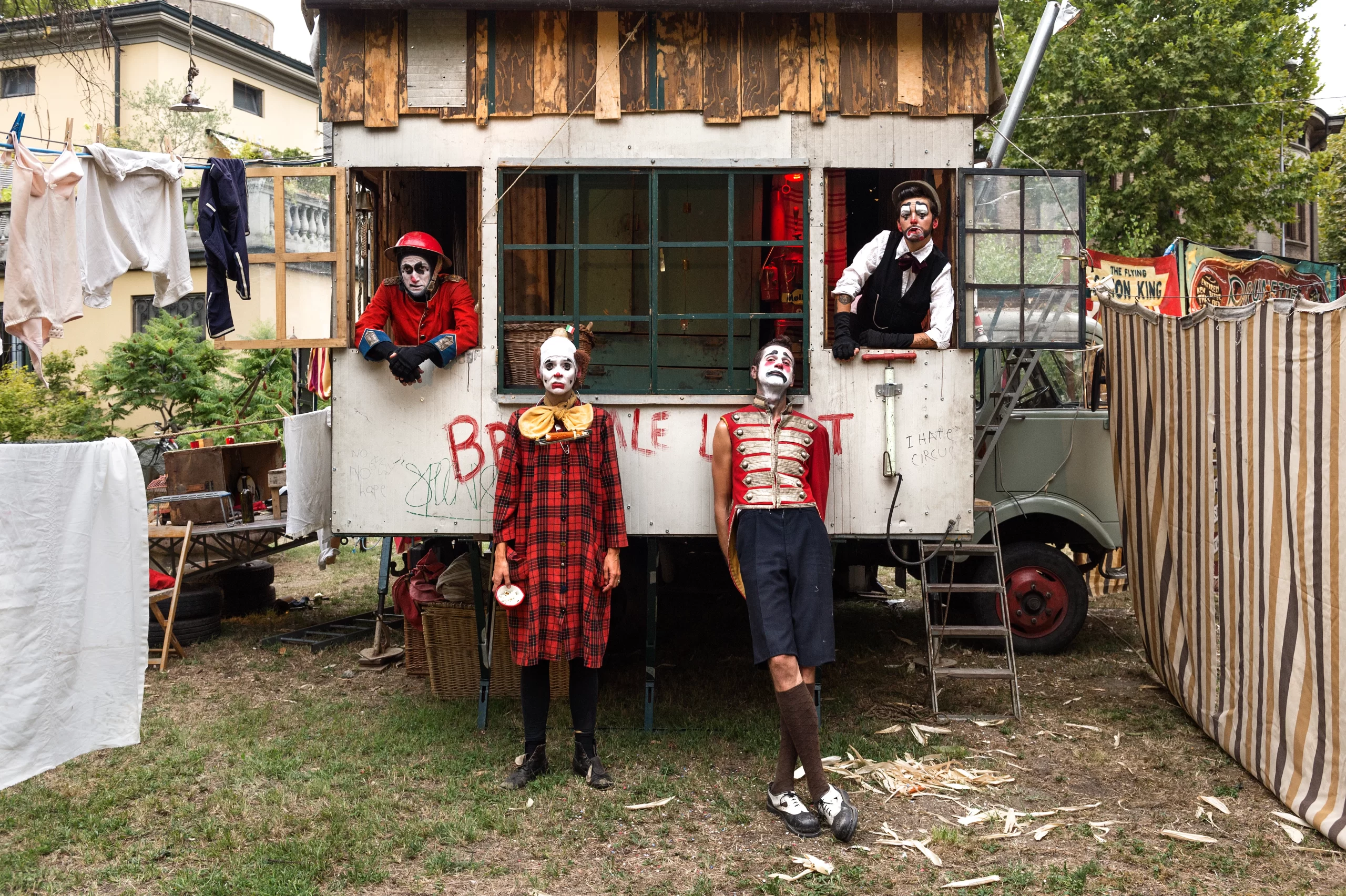
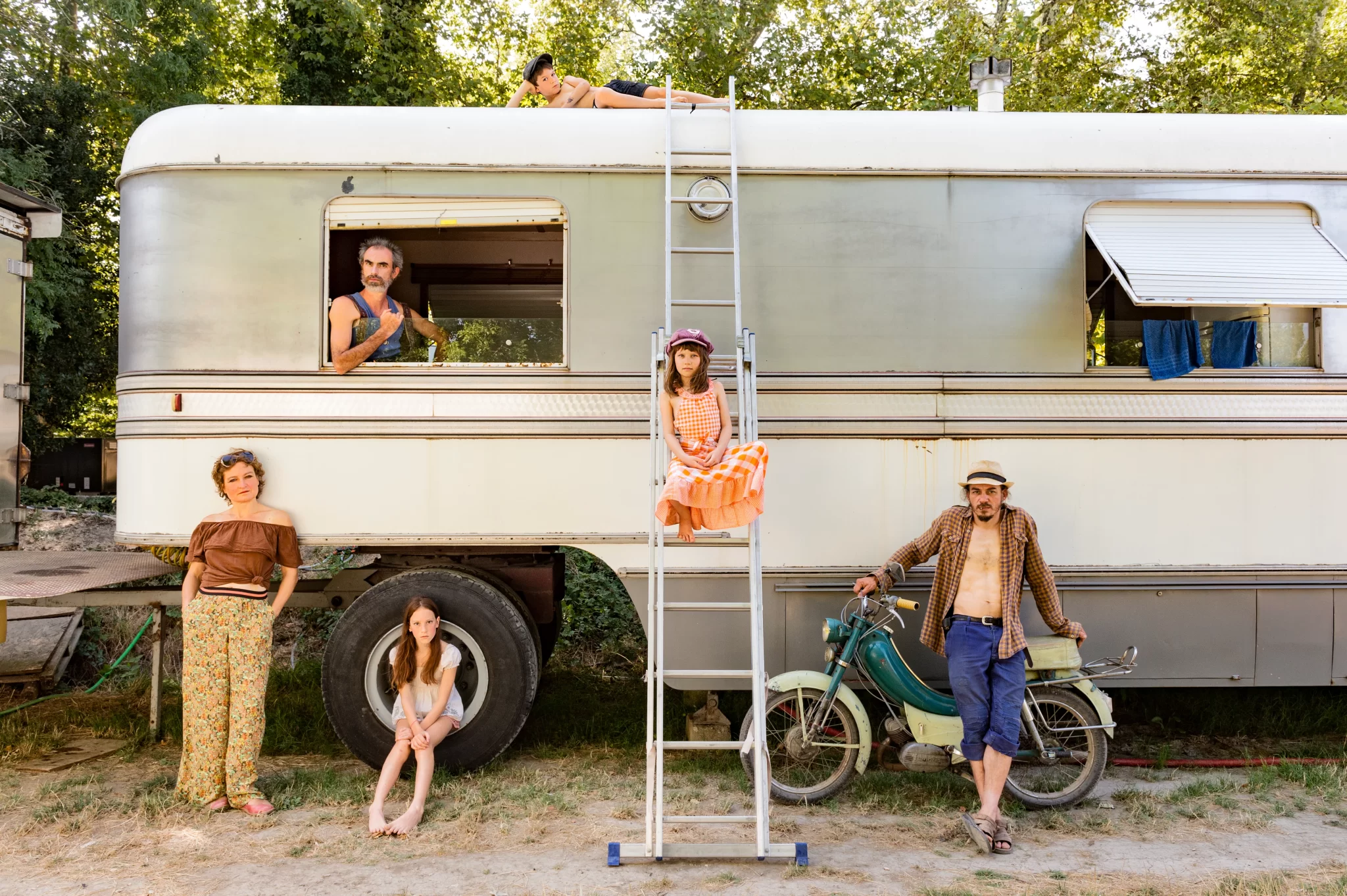
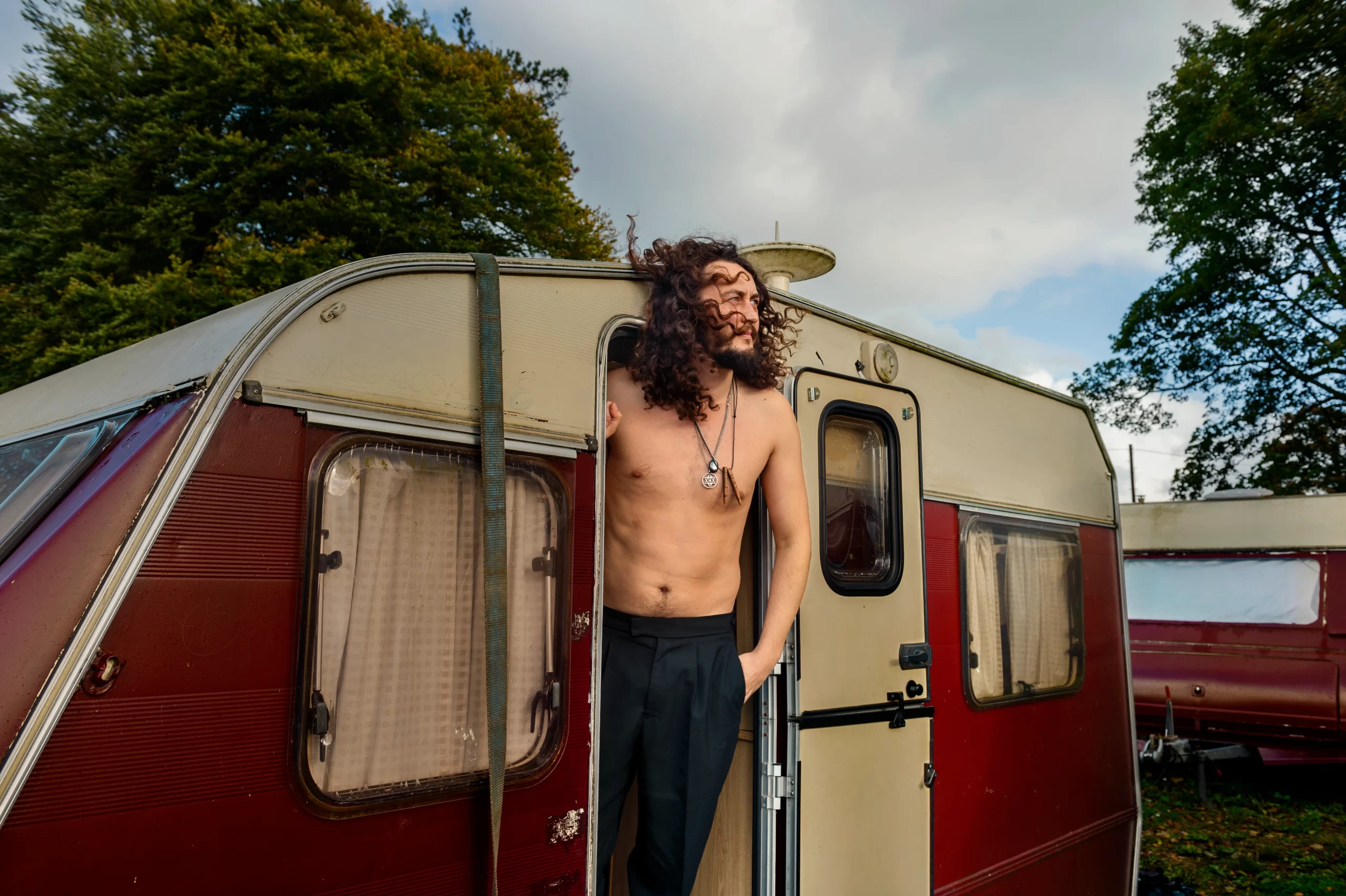
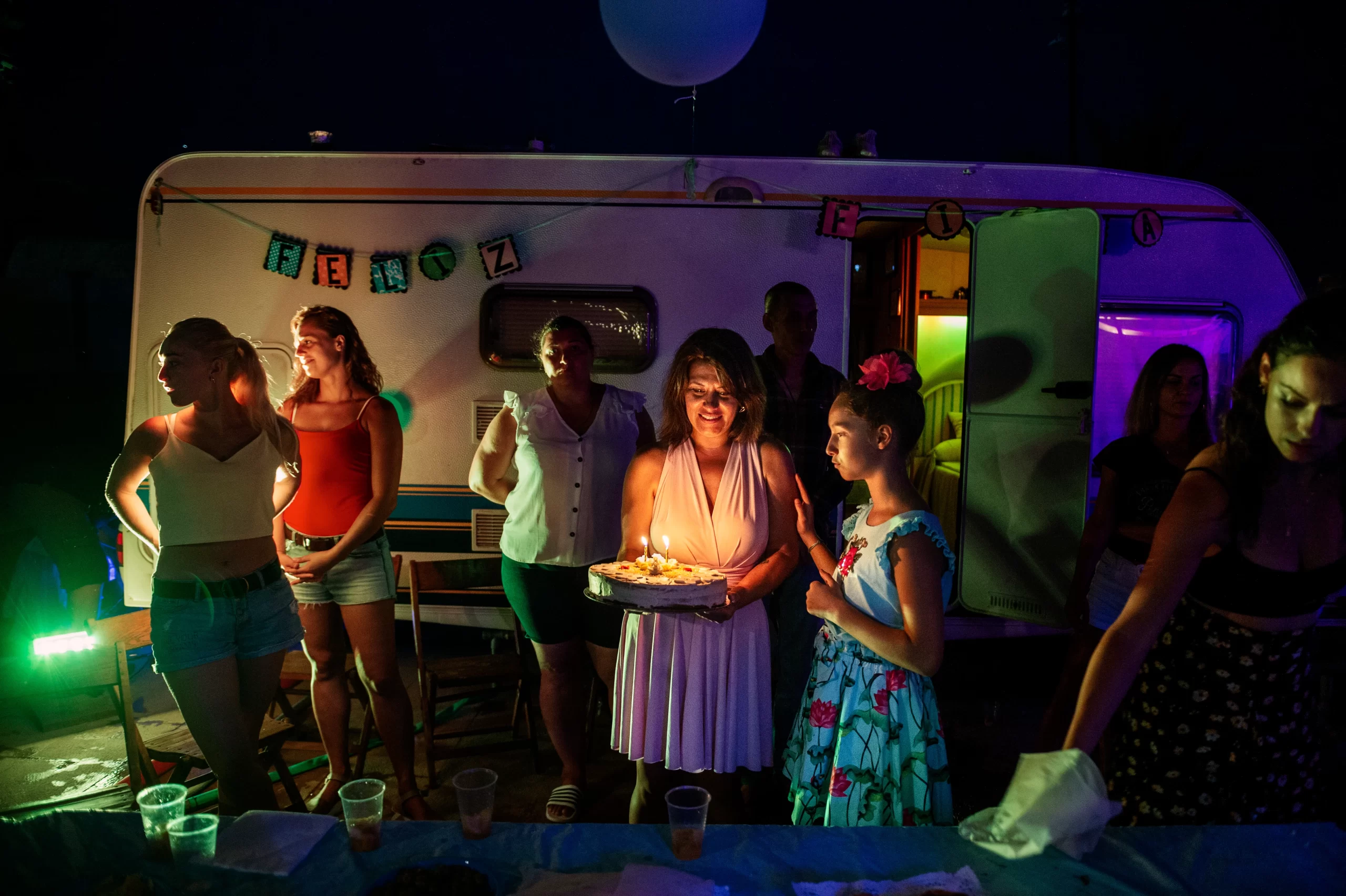
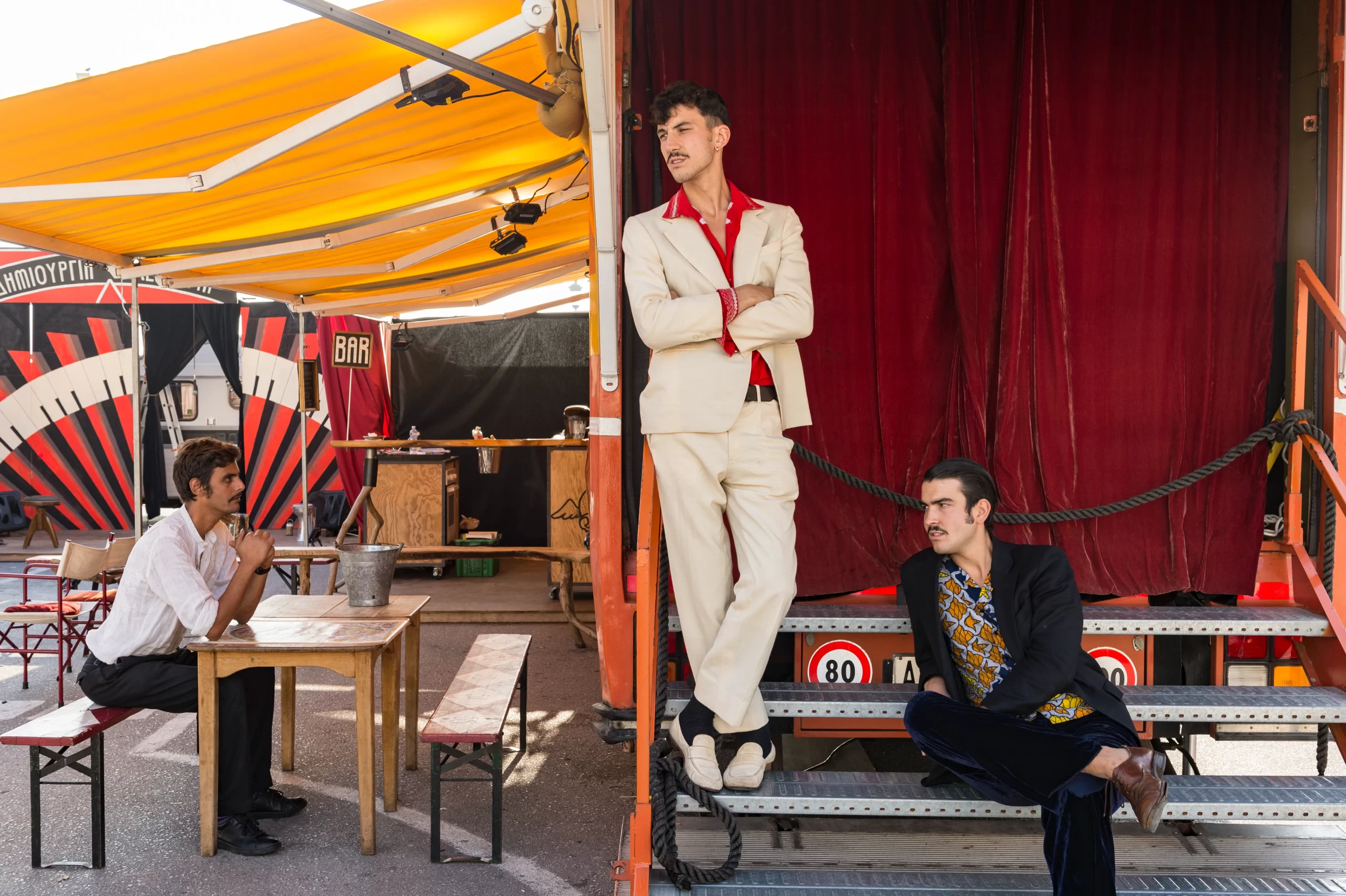
The Brunette Bros., the second smallest Circus in the world, a family of Danish, Spanish and Italian artists travels around Europe in their retrò caravans.
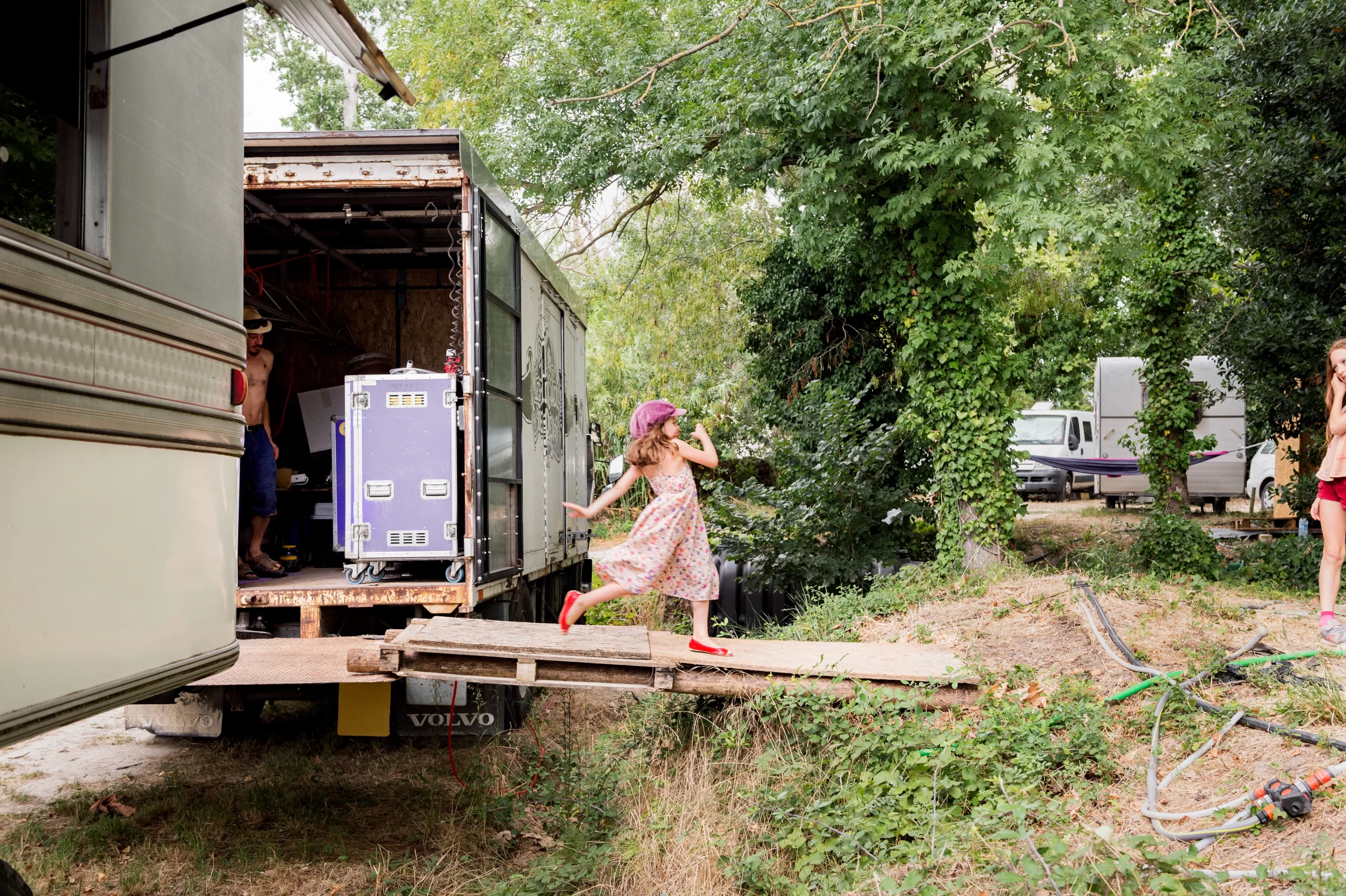
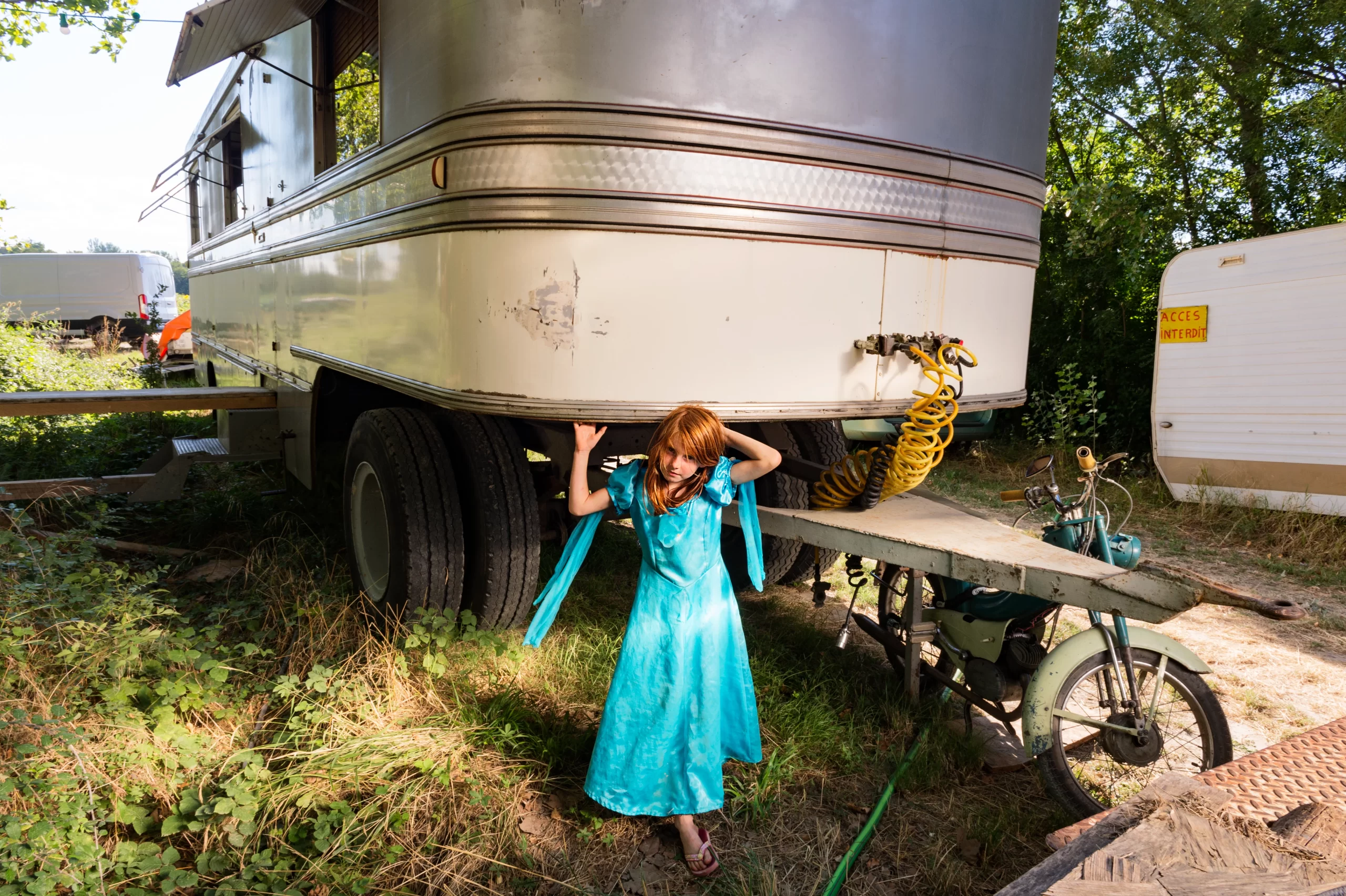
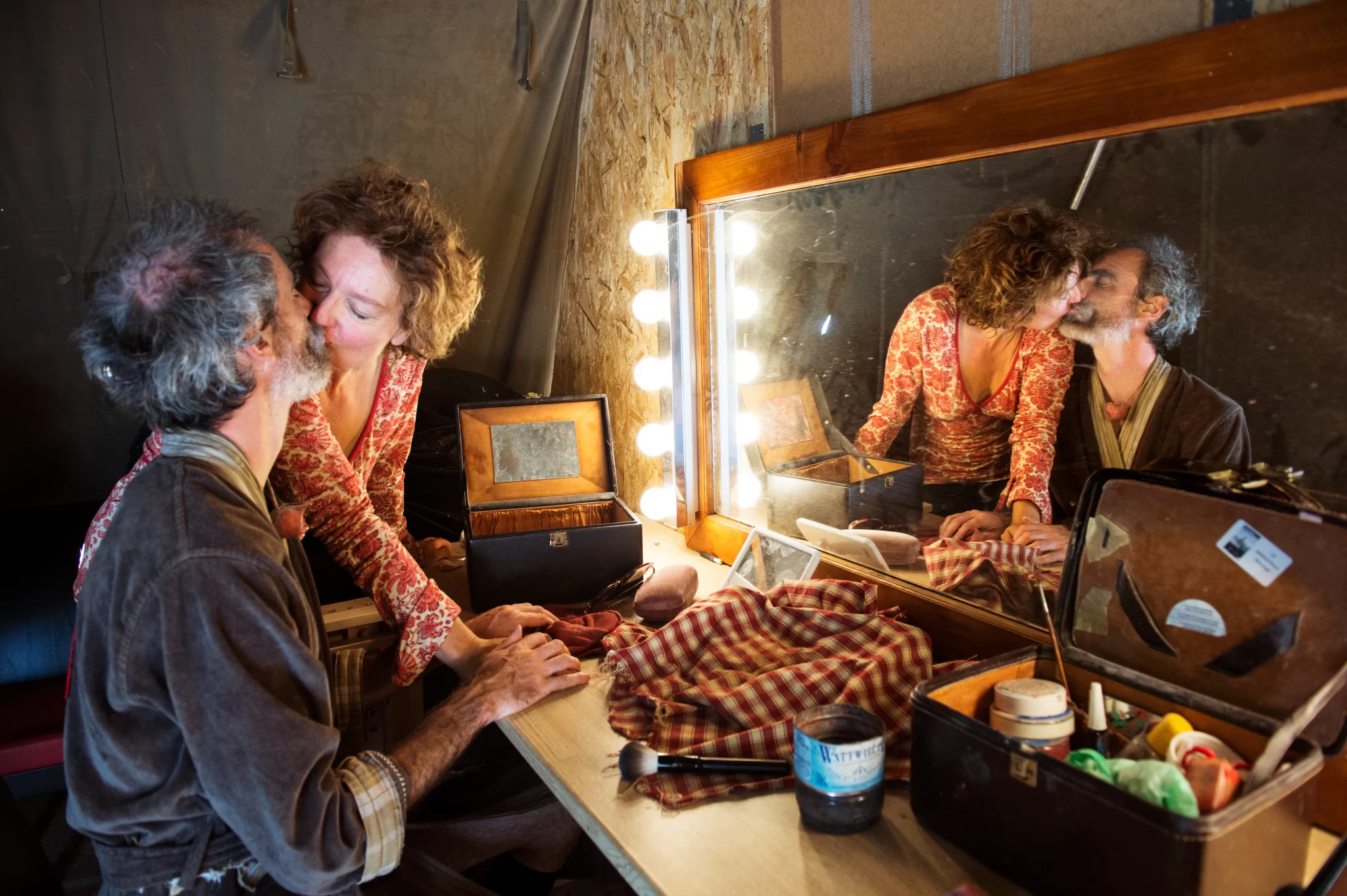
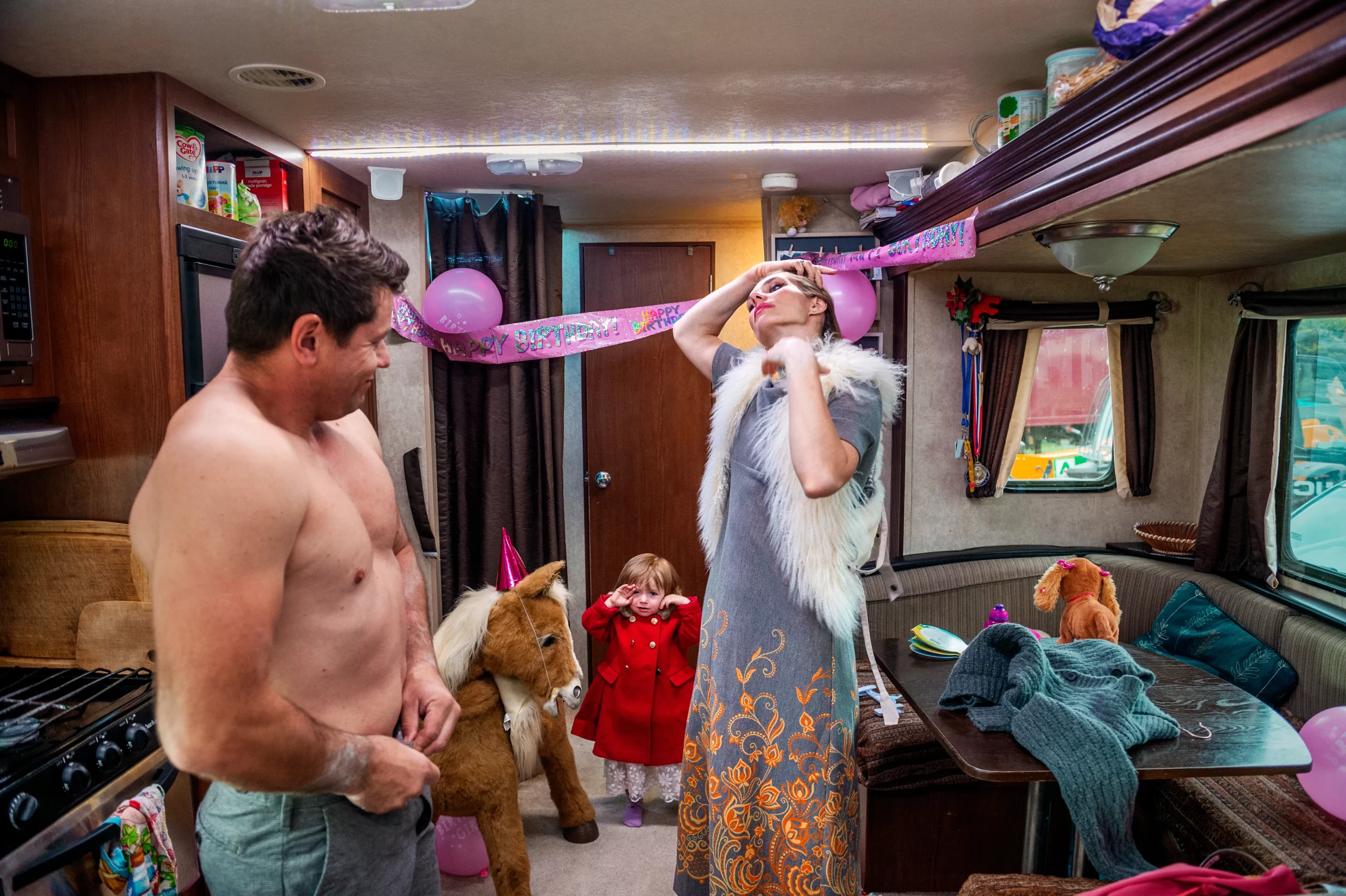
Les Pêcheurs de Rêves, French, a clown family in which Florence and Vincent interpret Za and Krapotte, staging a parody of their marriage.
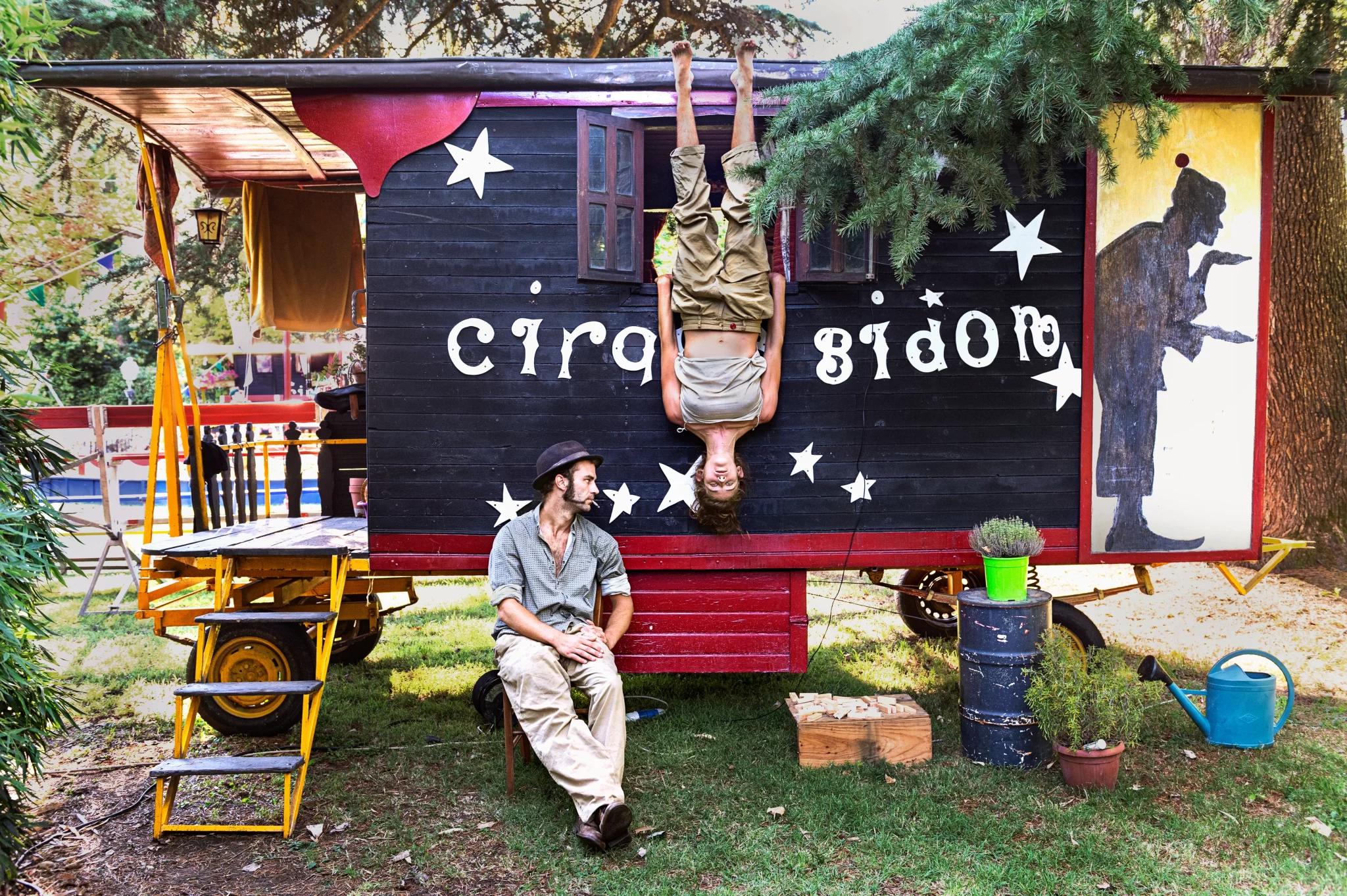
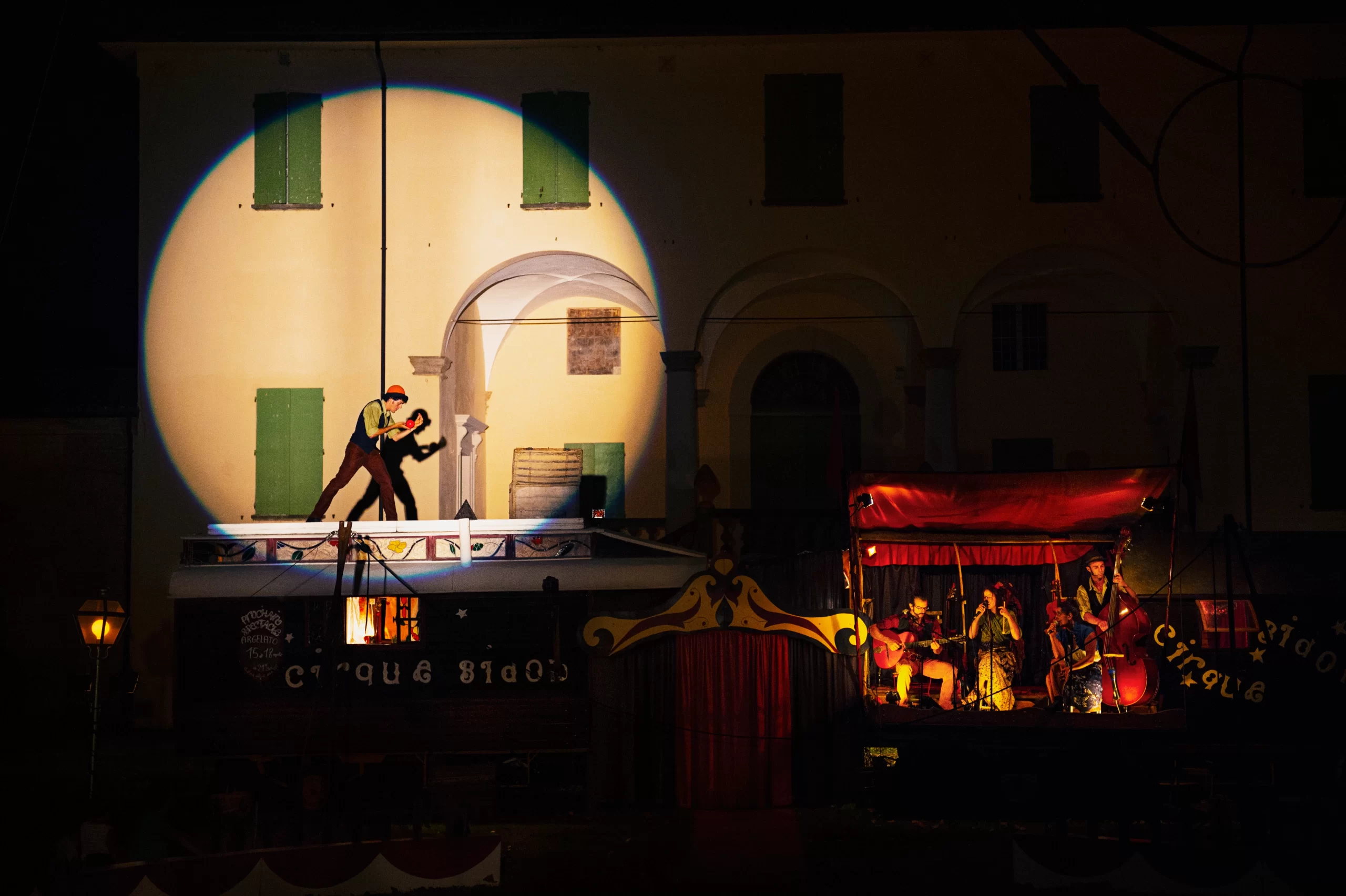
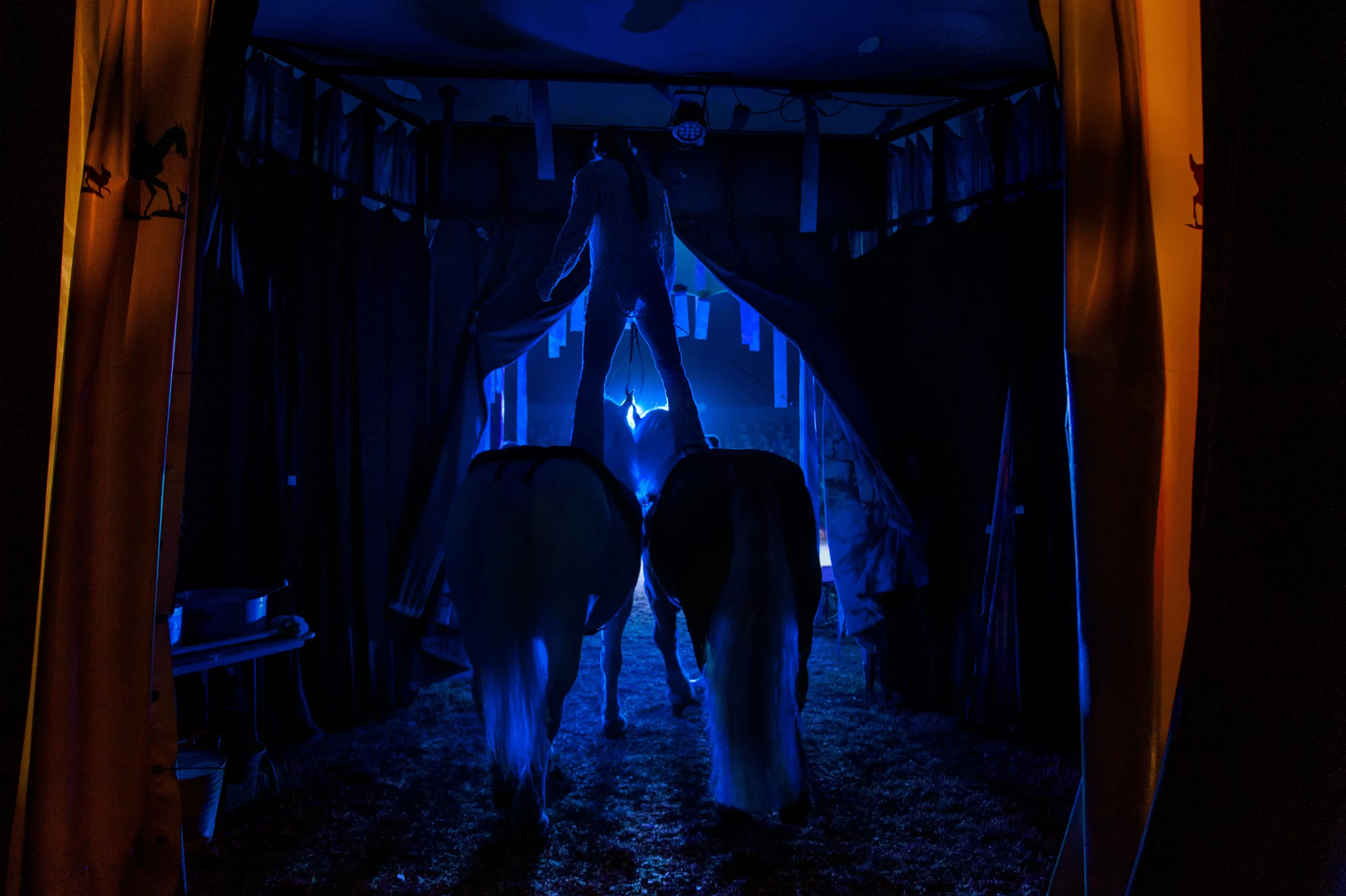
‘Cirque Bidon, an amazing French Circus created in the 70’s by François Bidon, travels around Europe on horse-drawn caravans.
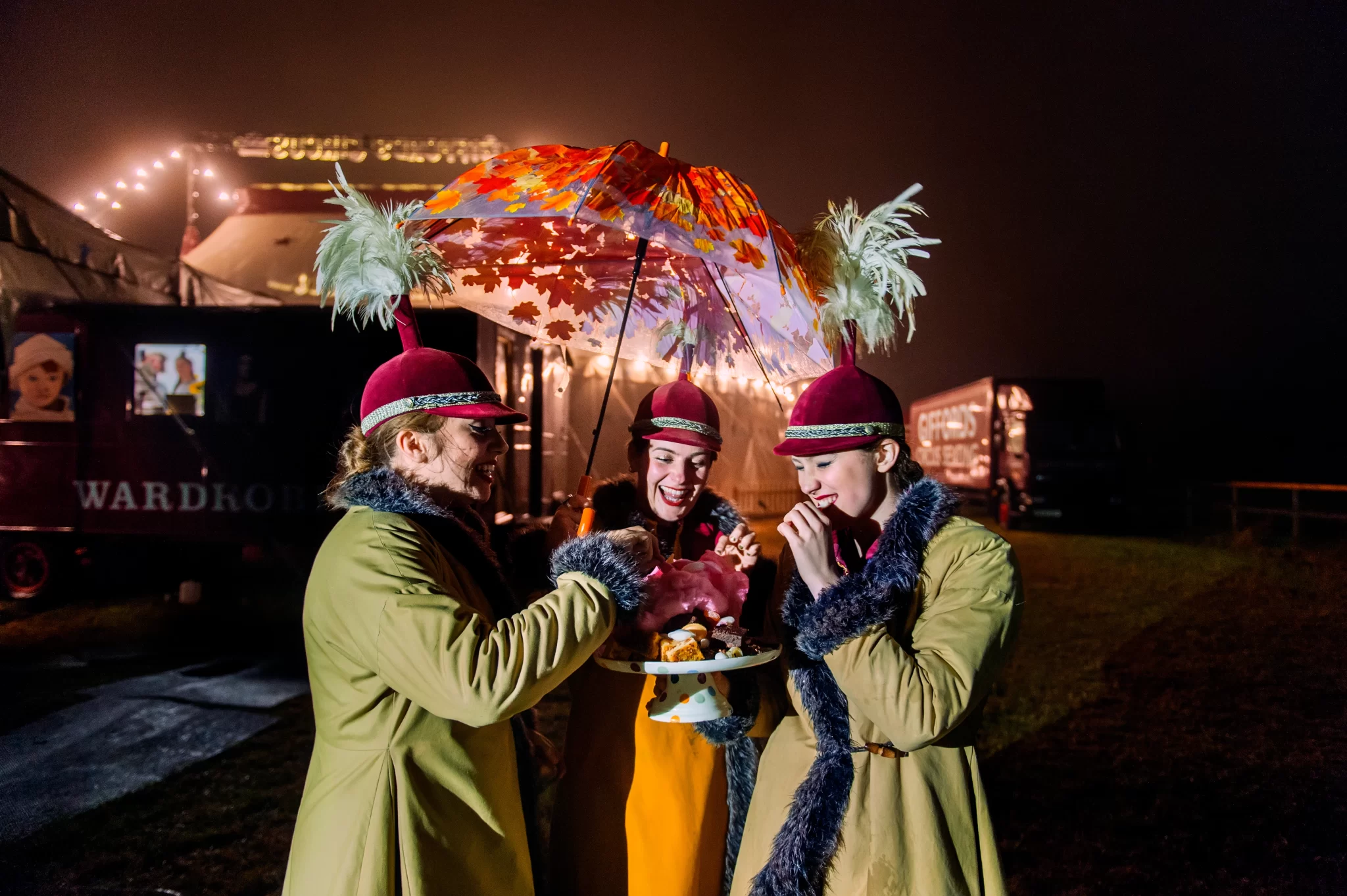
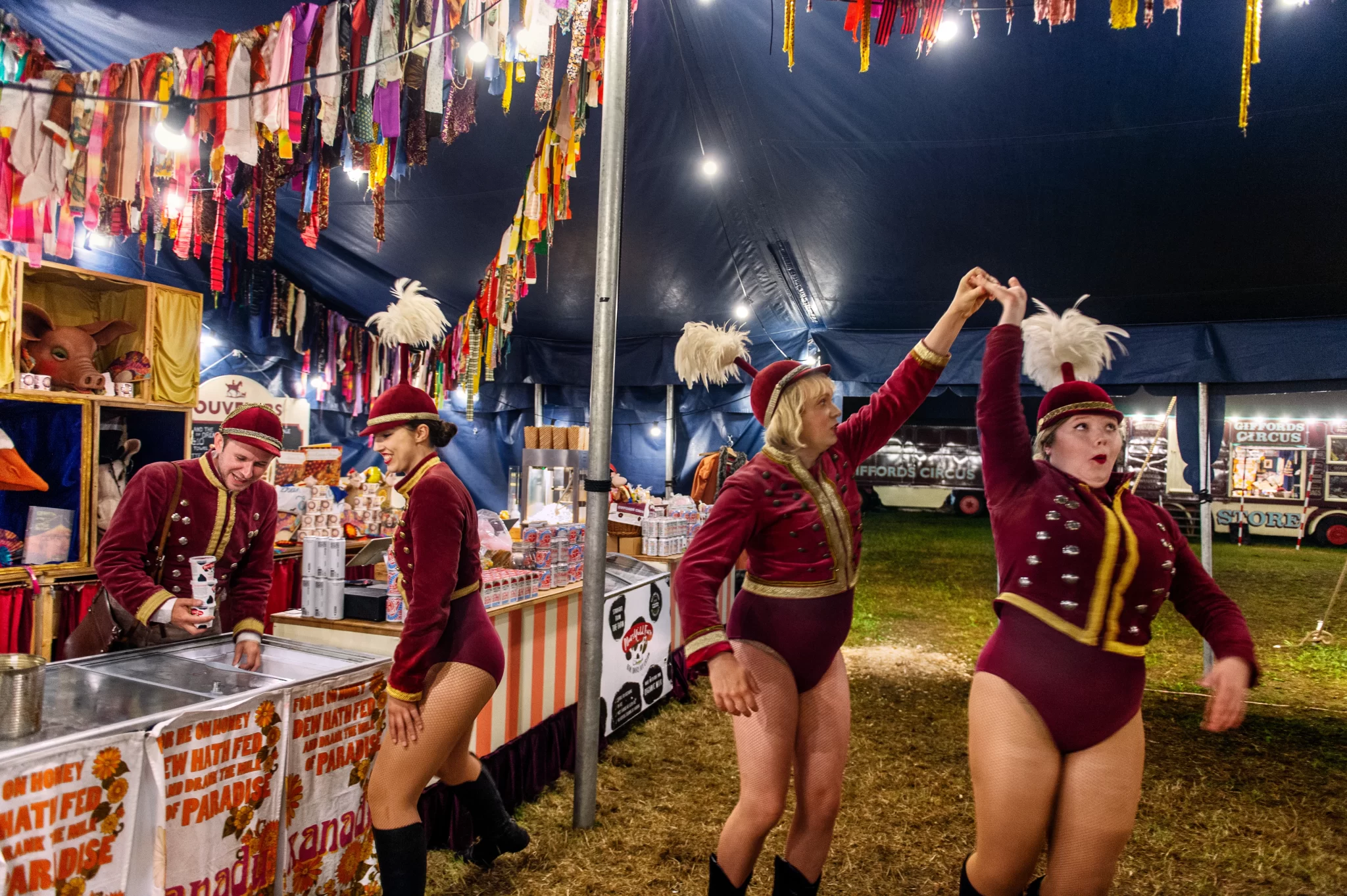
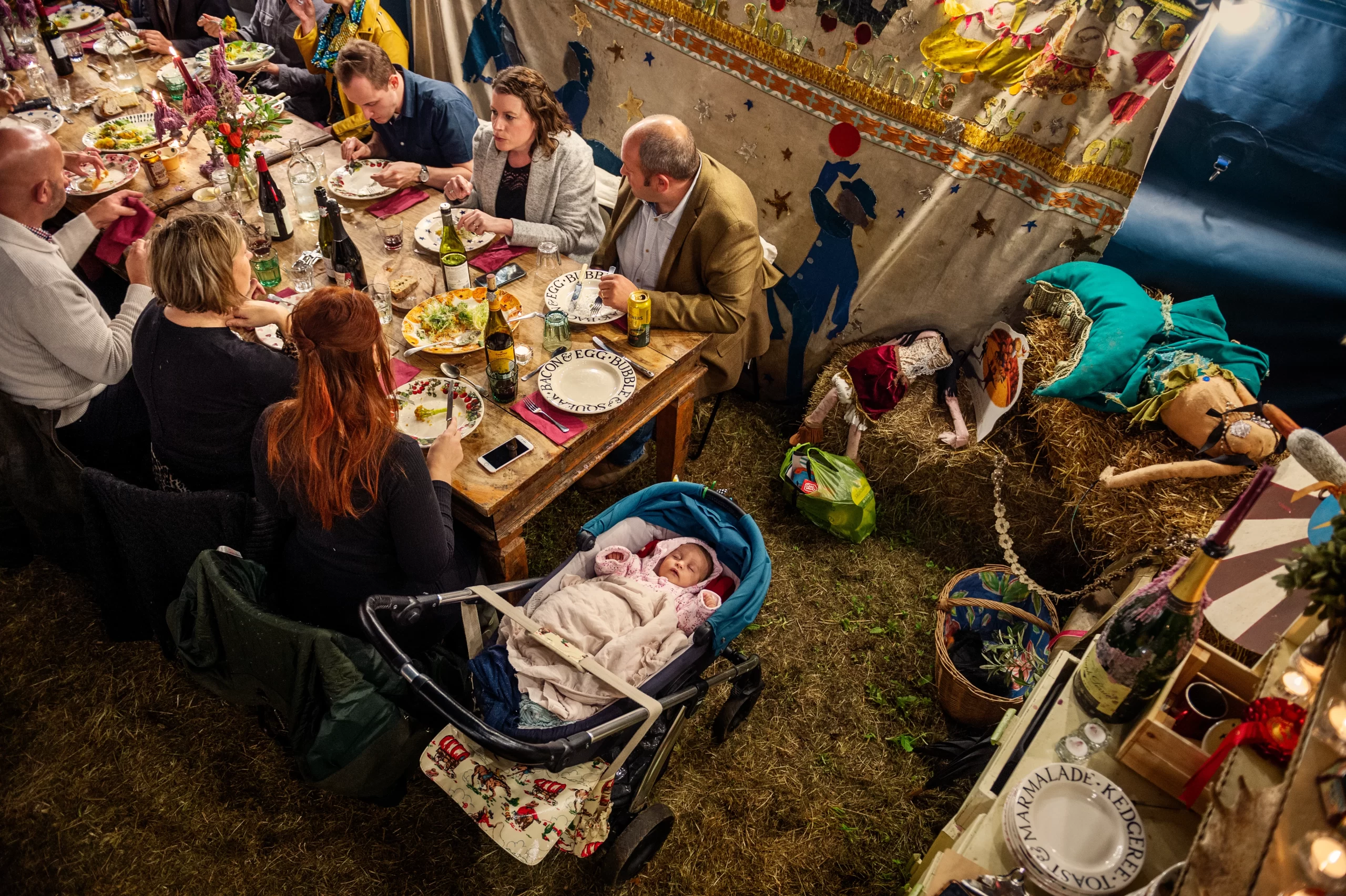
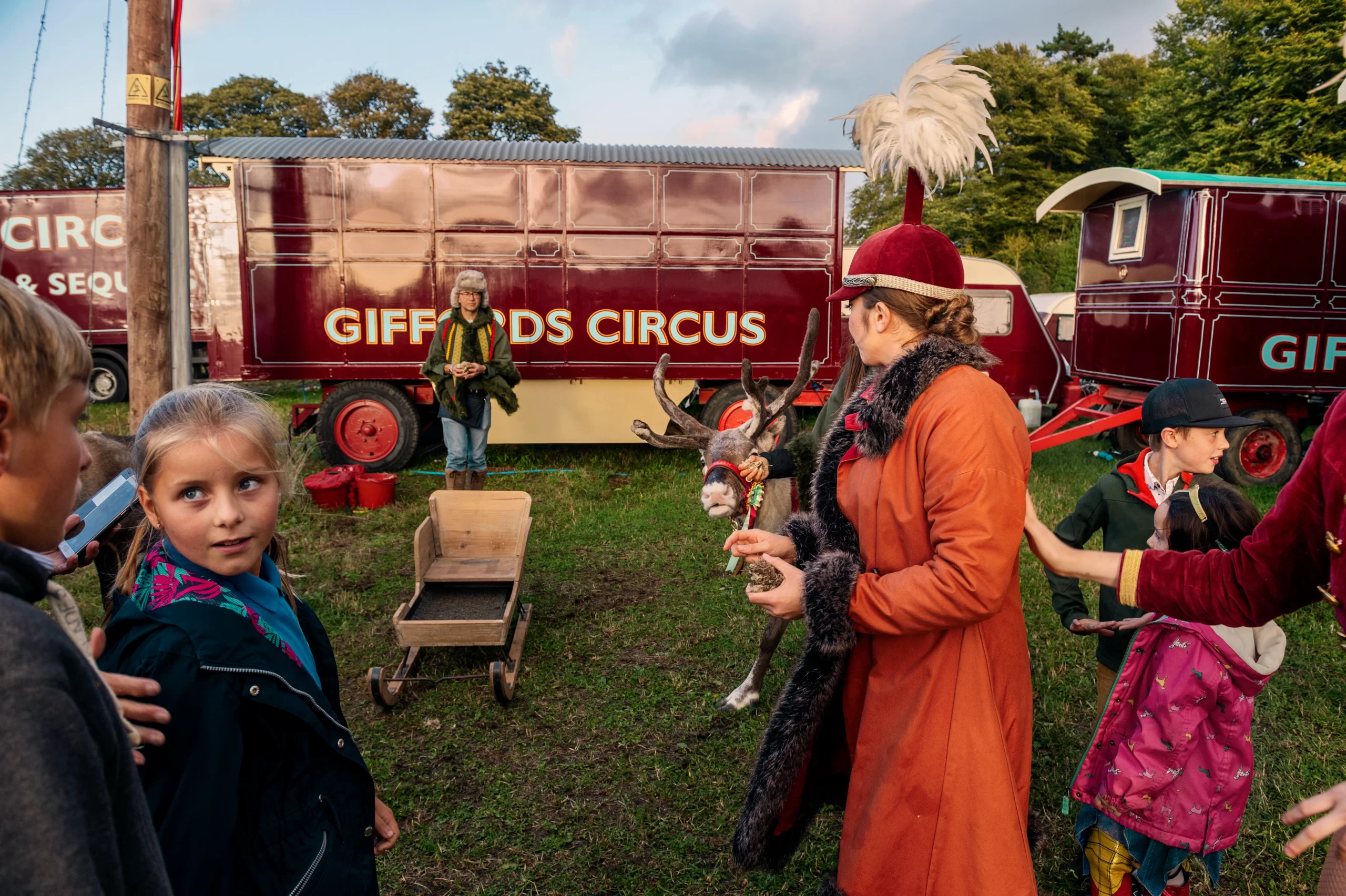
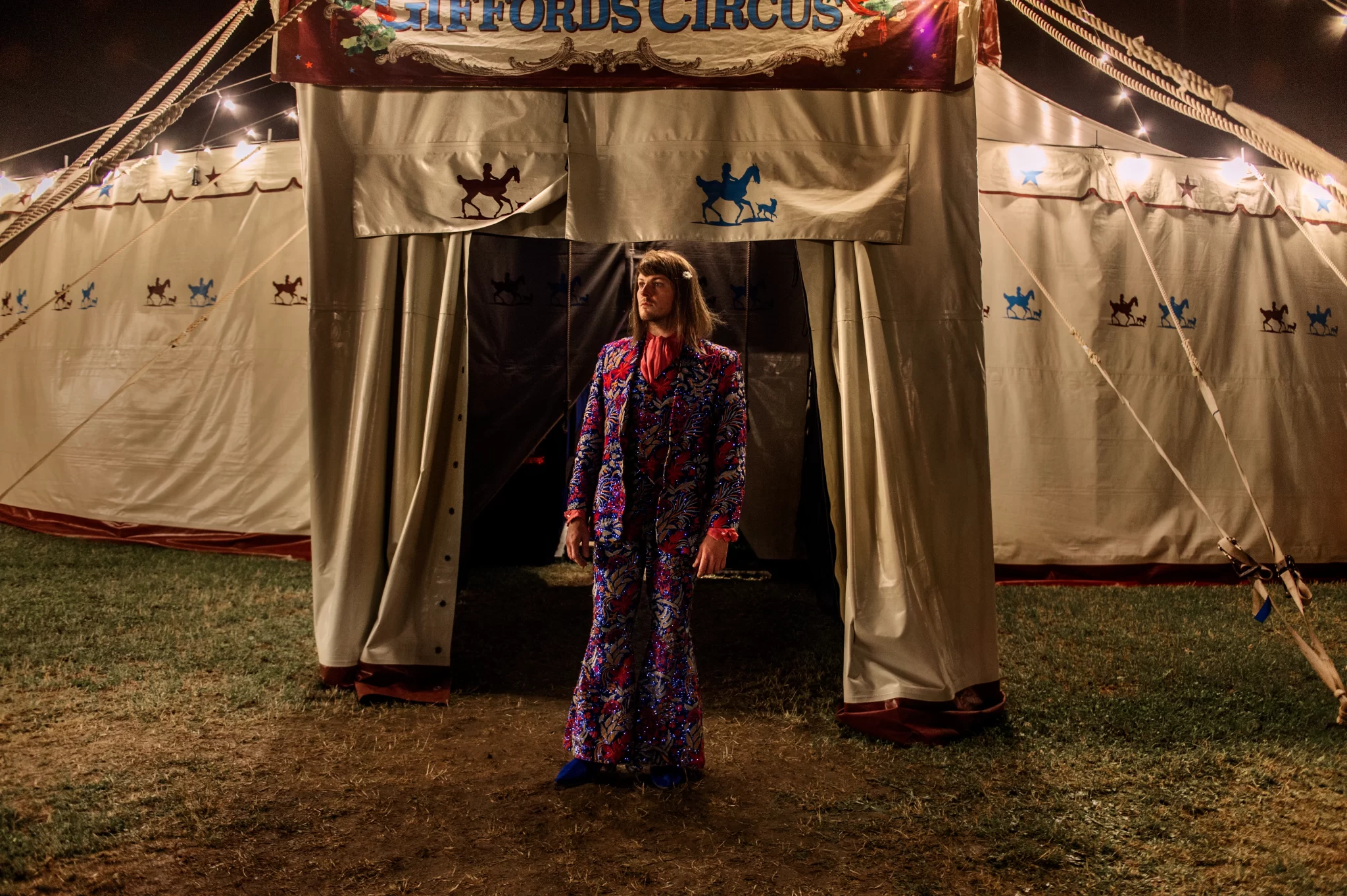
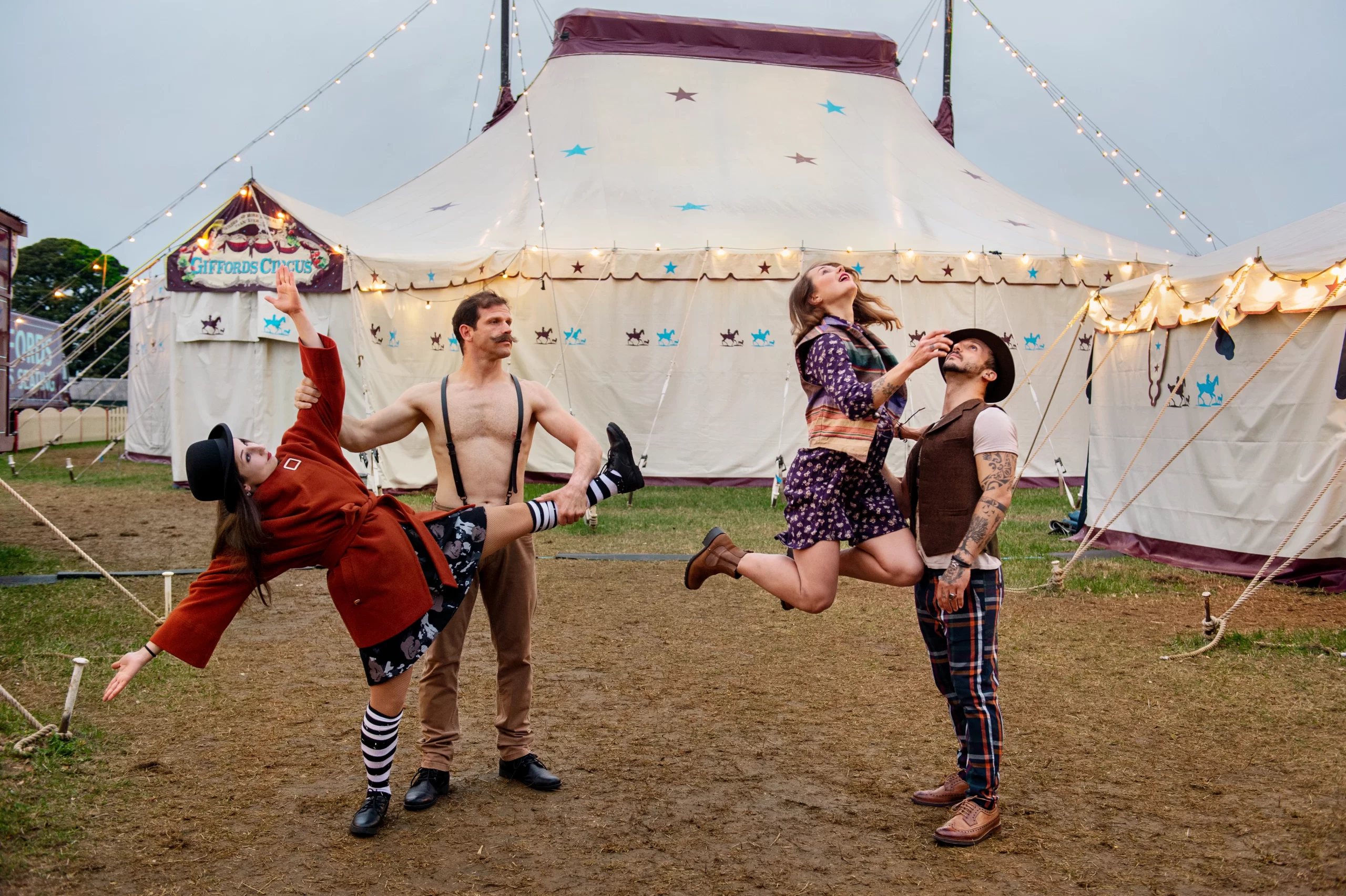
‘Giffords Circus’, an English miniature village green circus created by Nell and Todi in 2000. As a couple they have travelled to Paris, Moscow, rural Hungary, Romania and beyond to find their artists. They have performed daily, engrossed in the serious business of making magic.
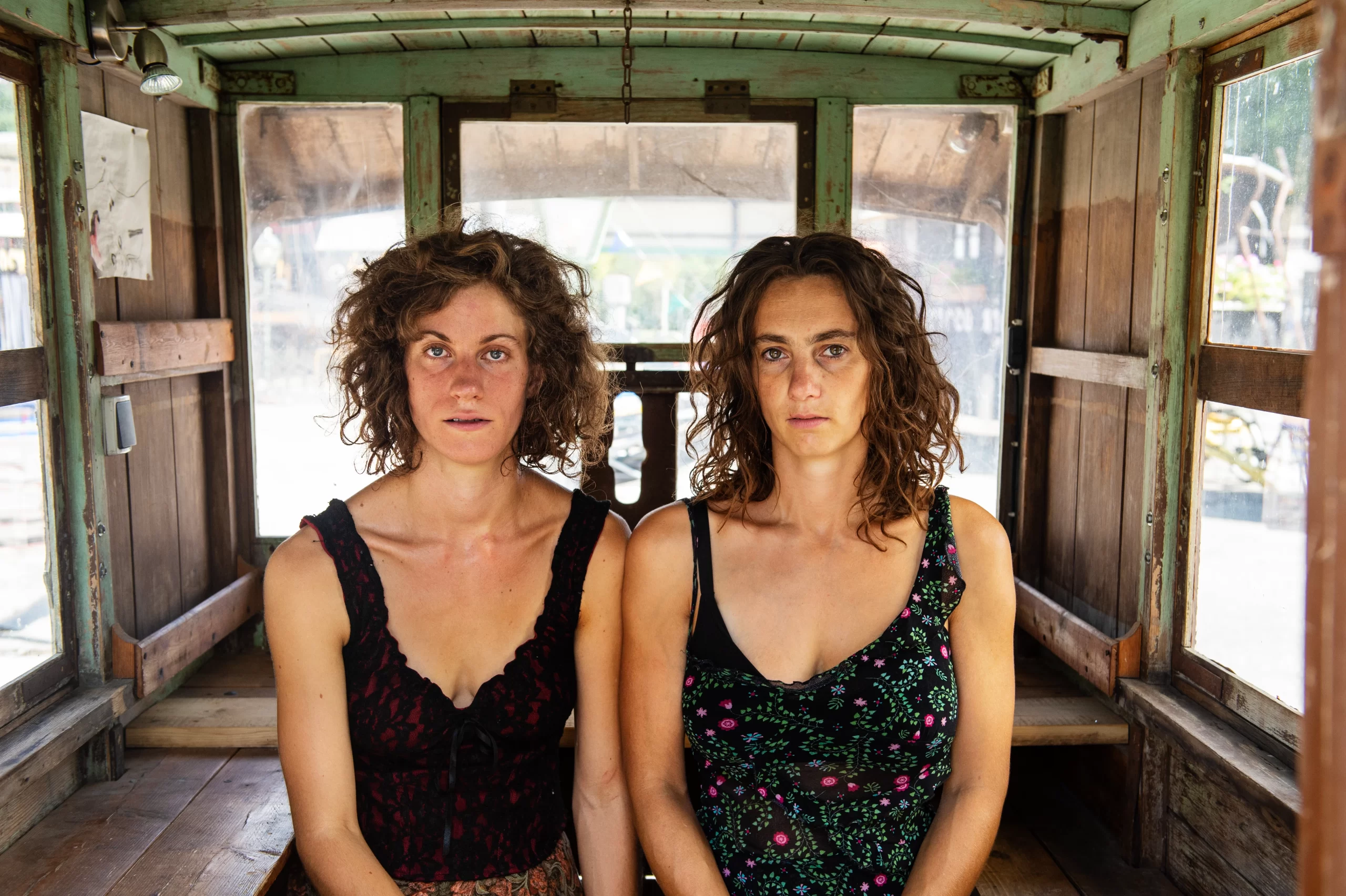
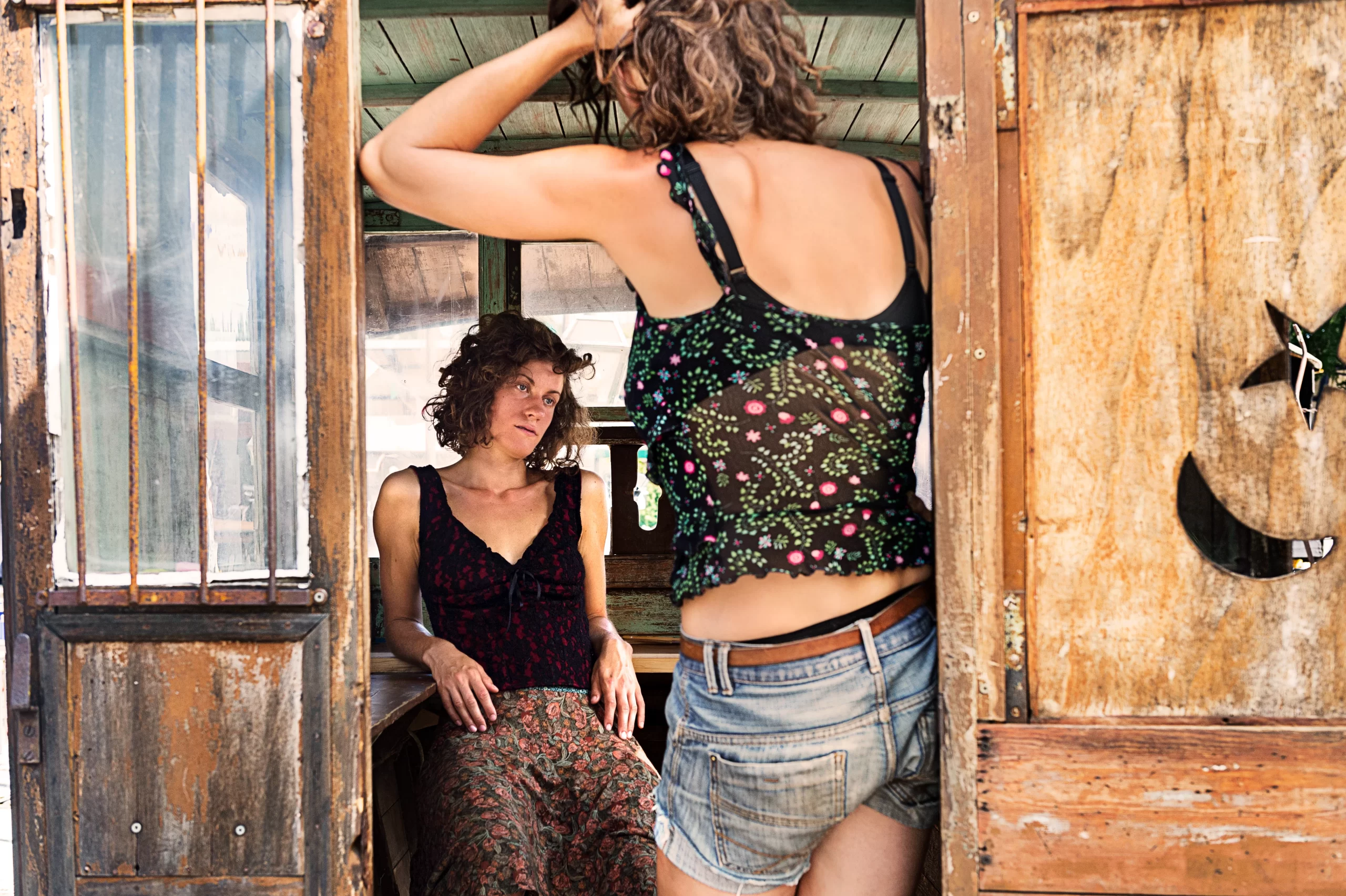
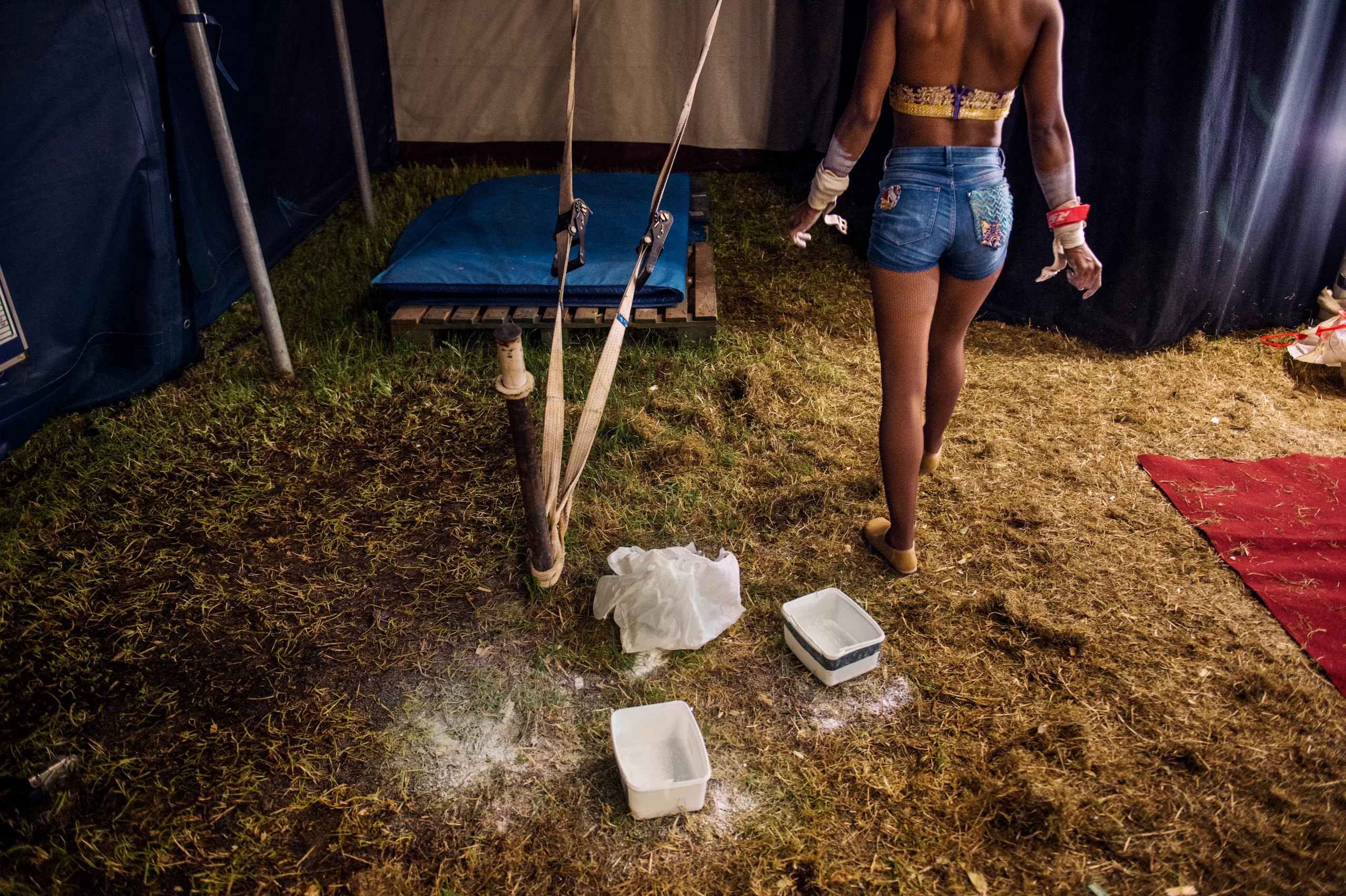
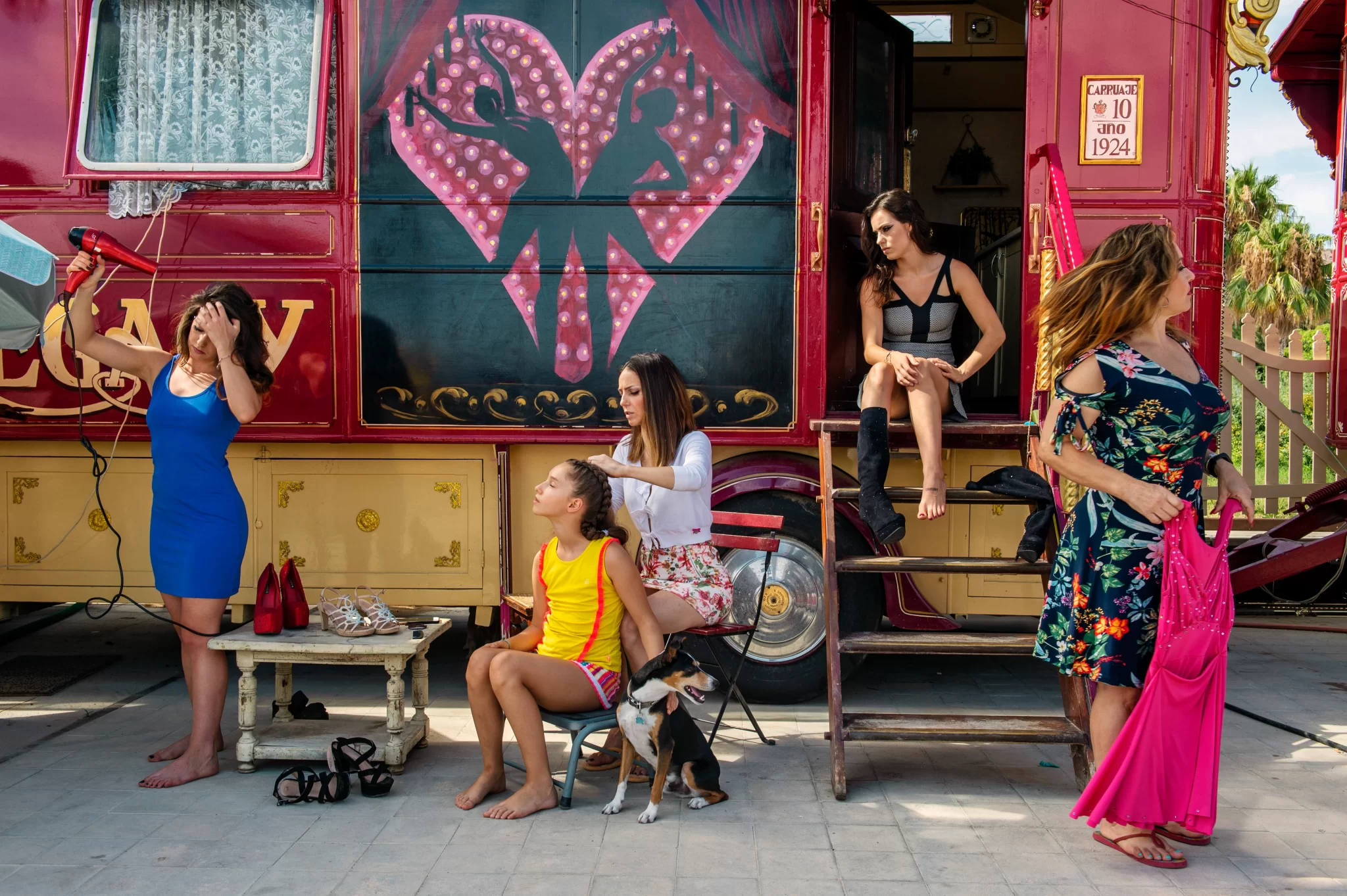
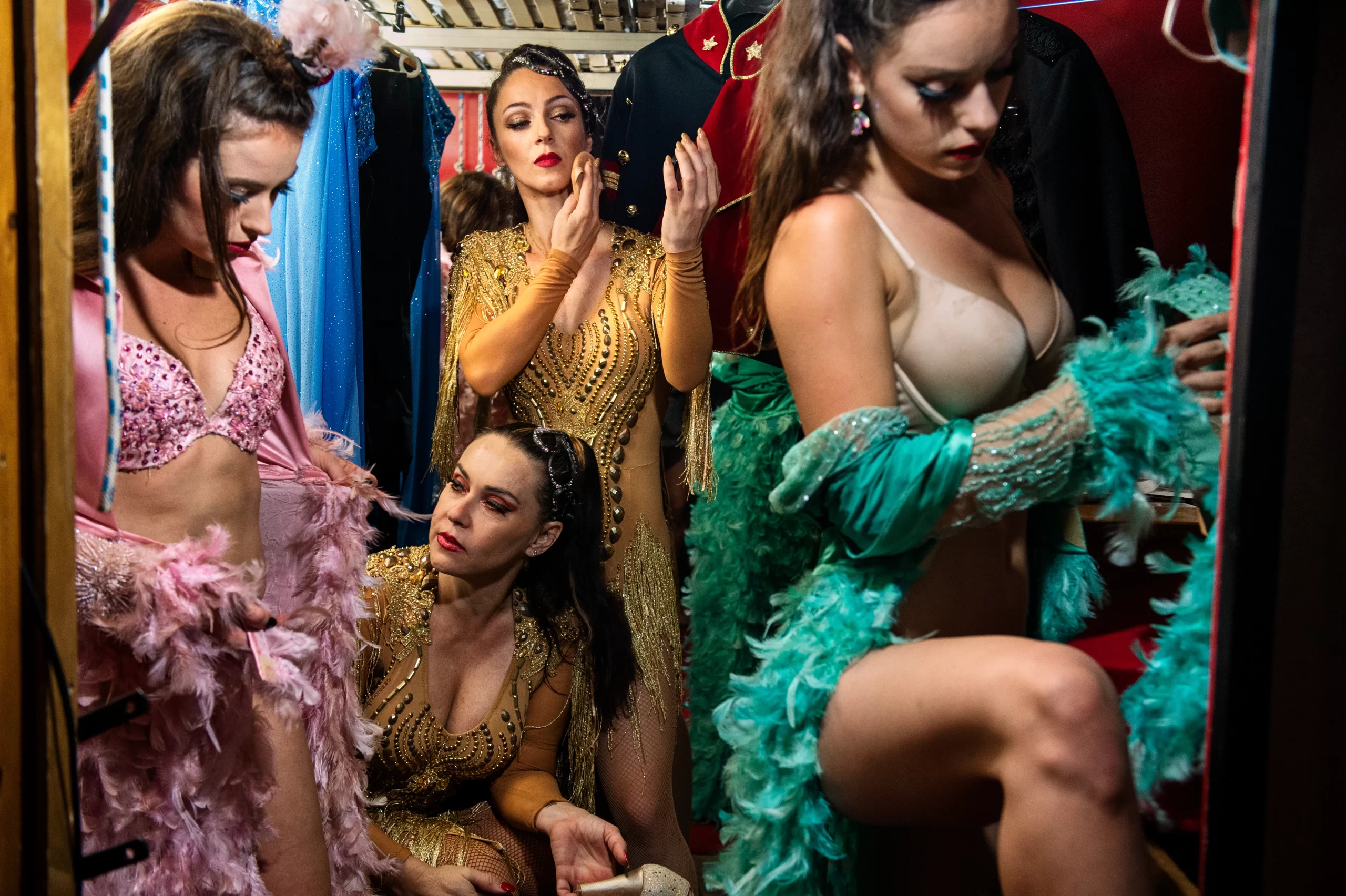
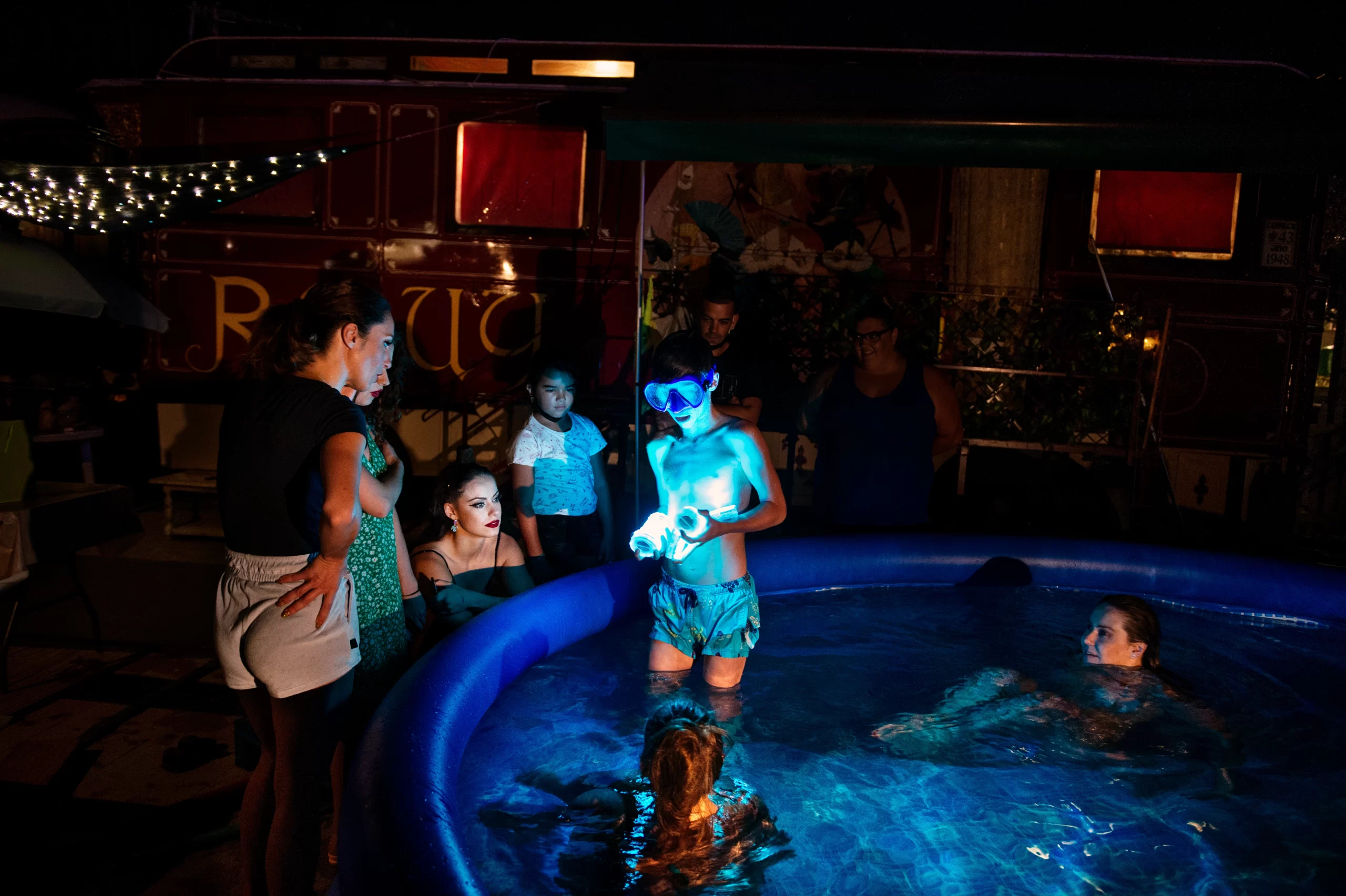
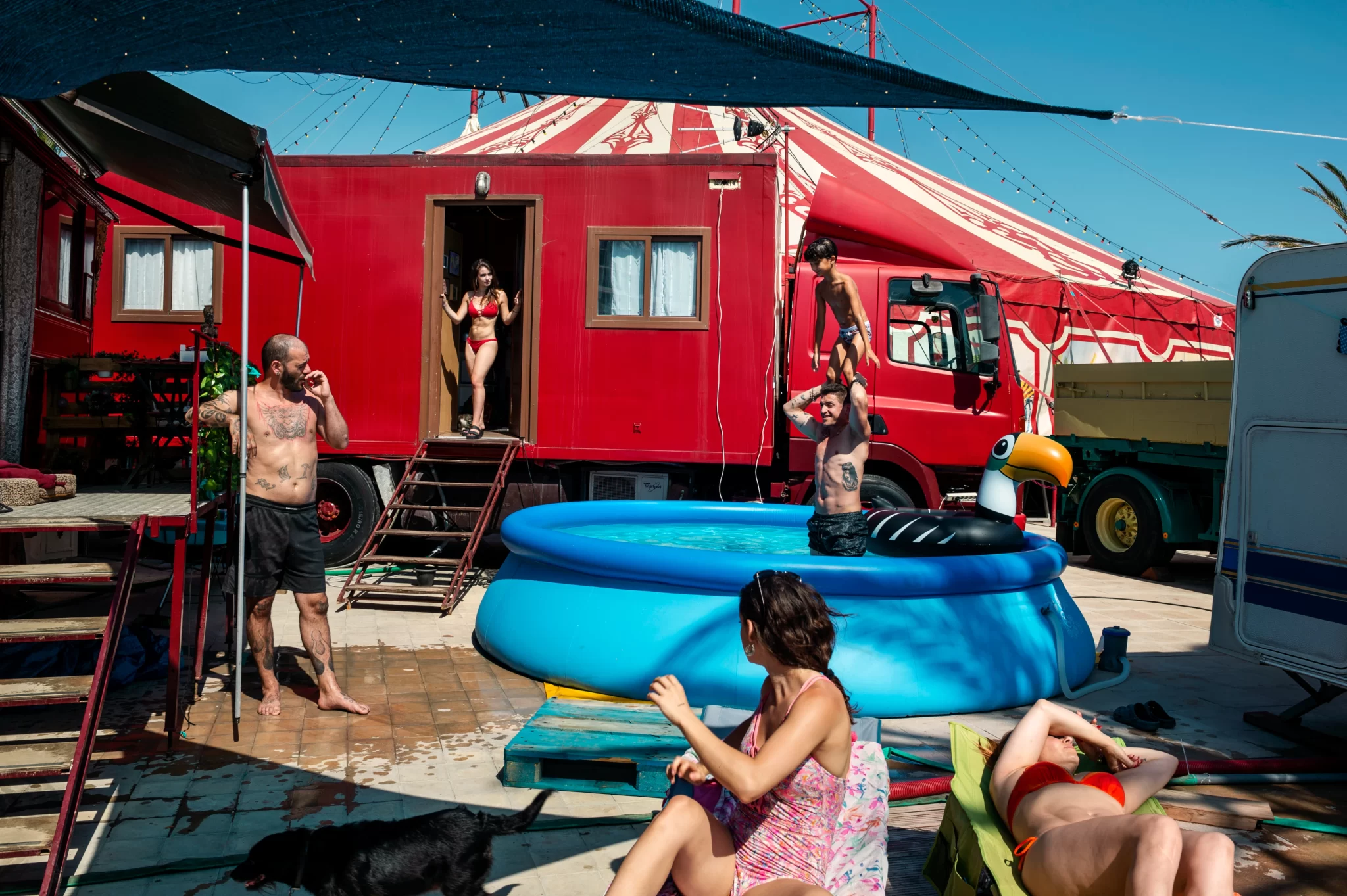
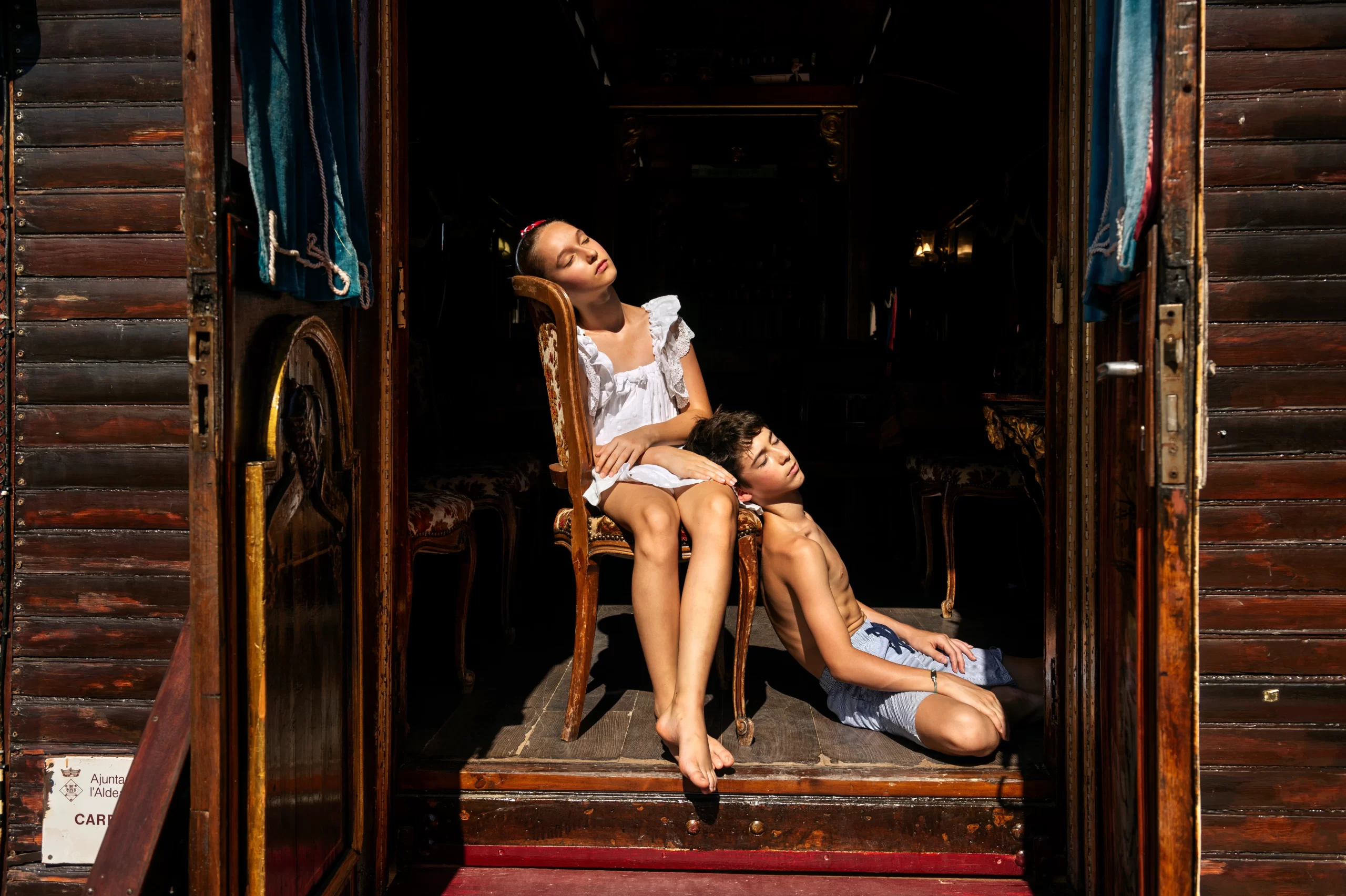
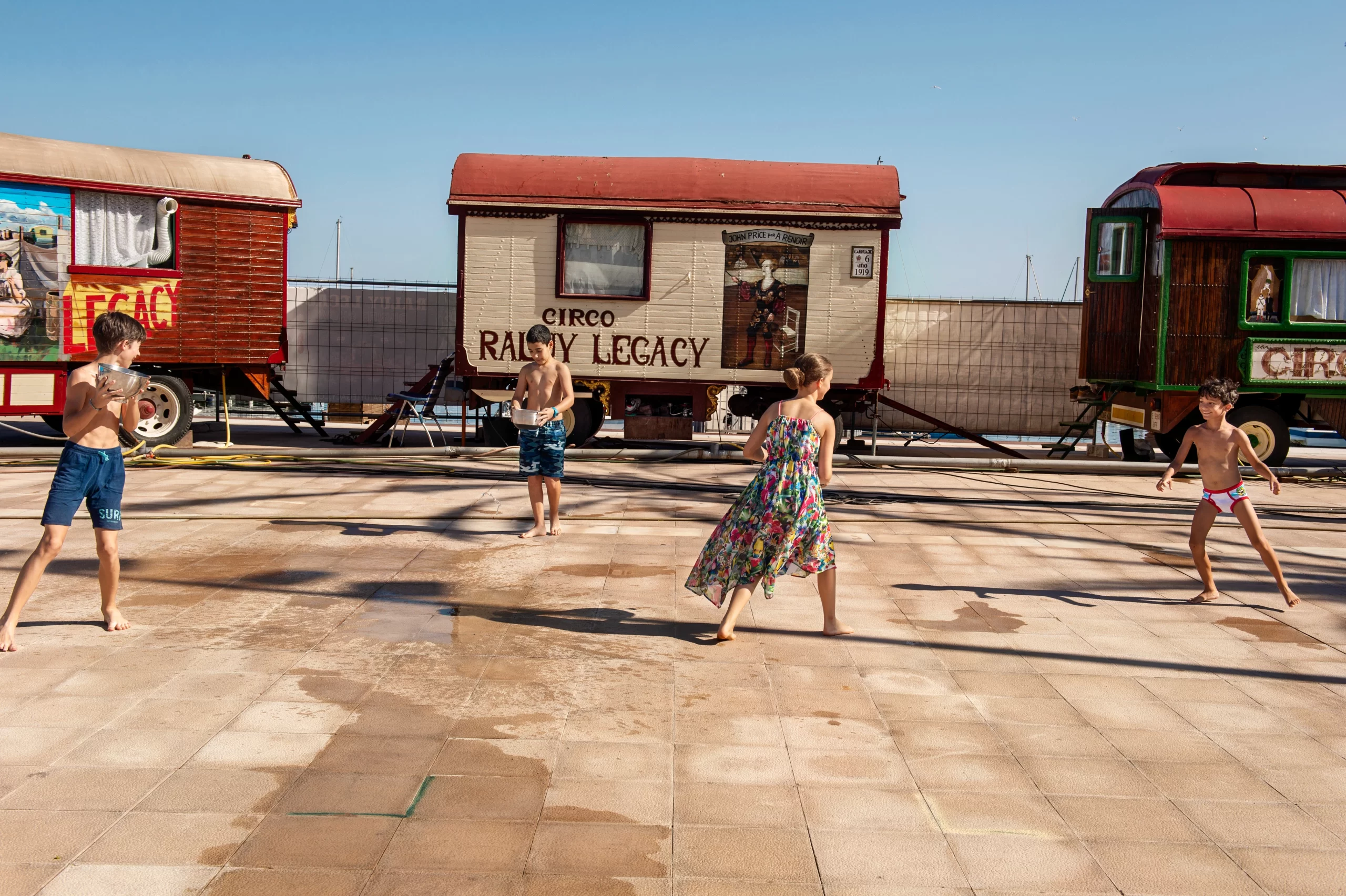
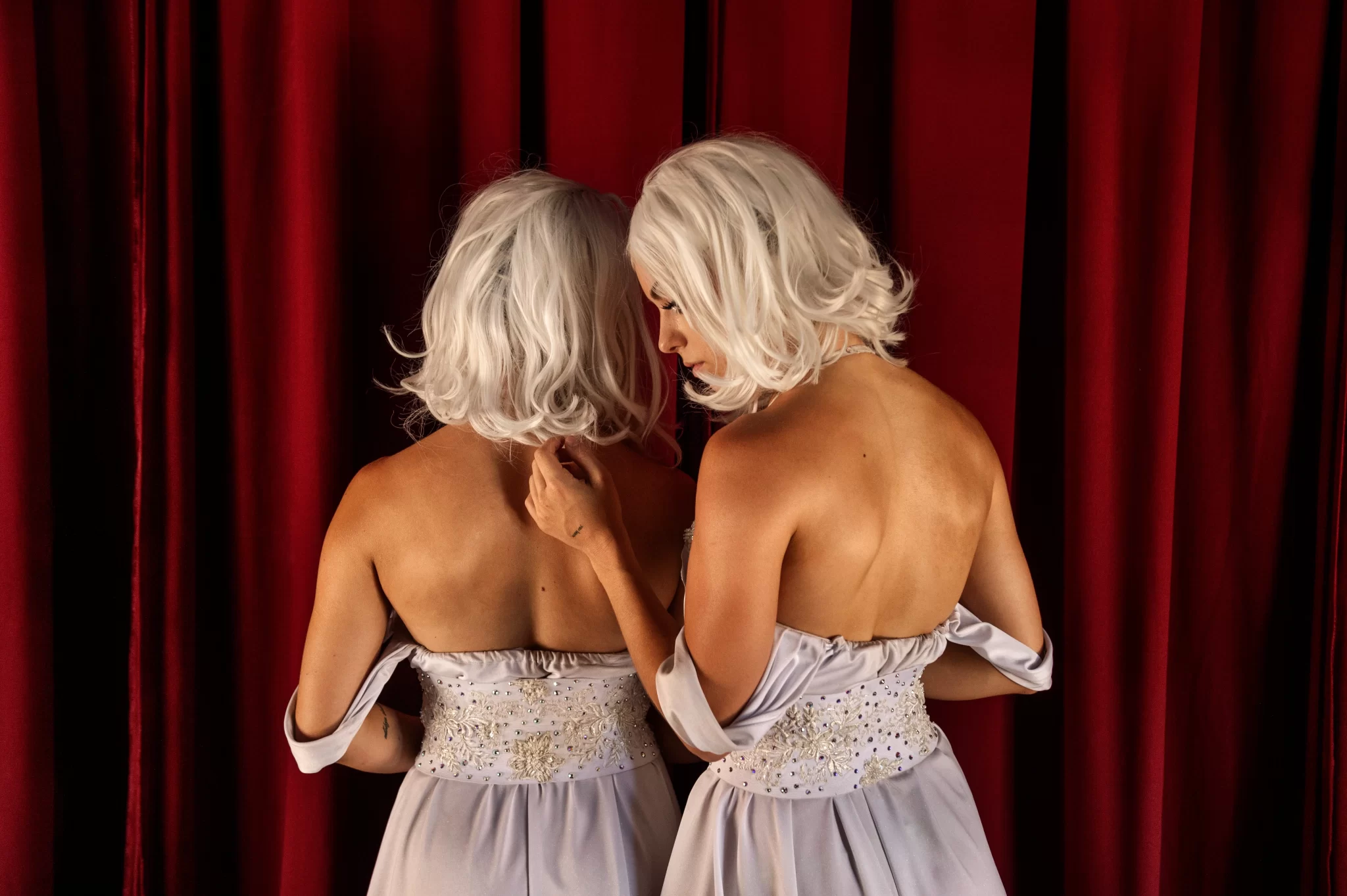
‘Circo Raluy Legacy’, a renowned Spanish circus rooted in a long-standing family tradition passed down through generations. Now led by two sisters, it embodies a new chapter where women carry forward and reinvent this heritage. Touring with historic caravans and timeless artistry, they remain devoted to the craft of creating wonder.
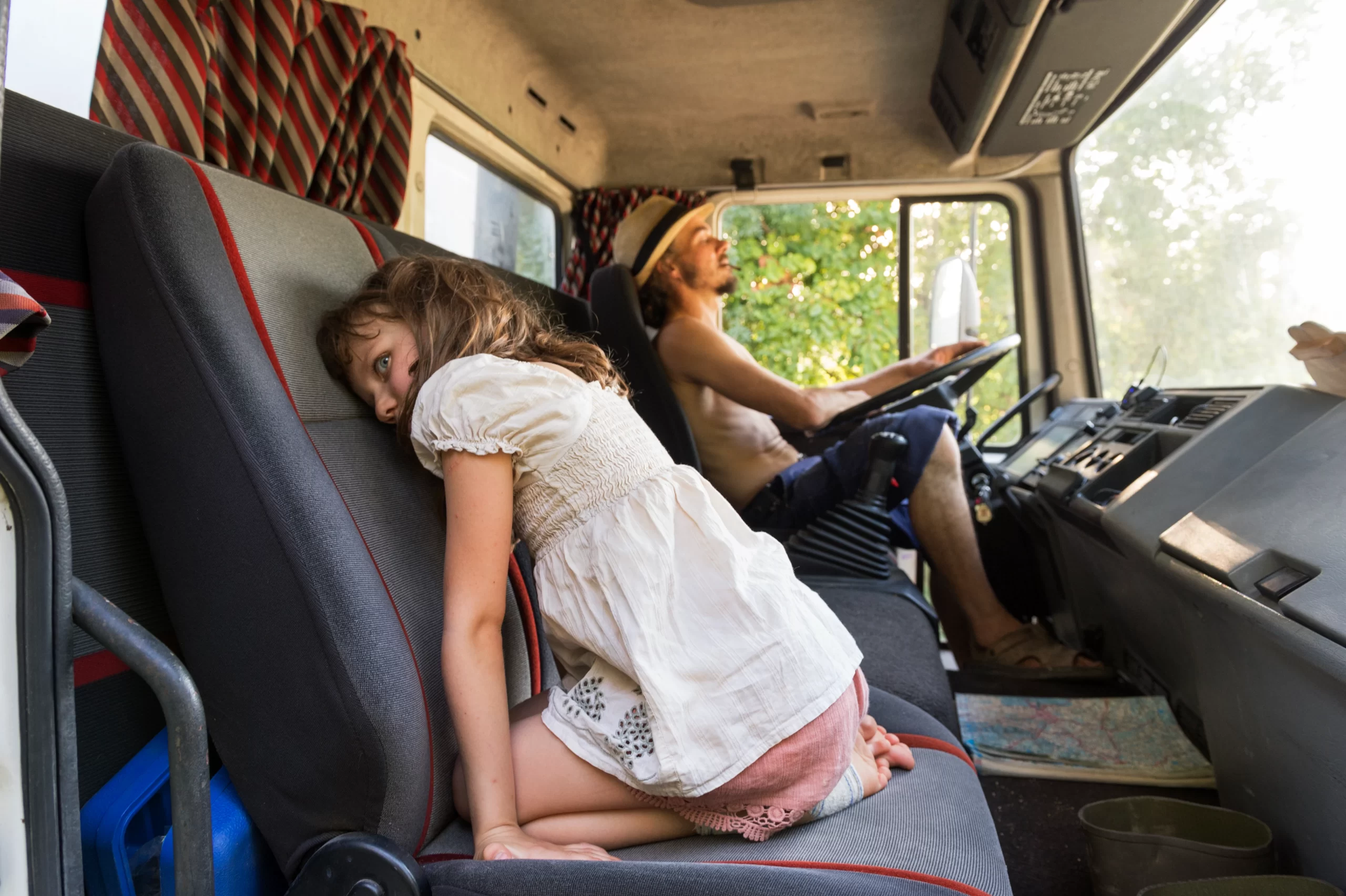
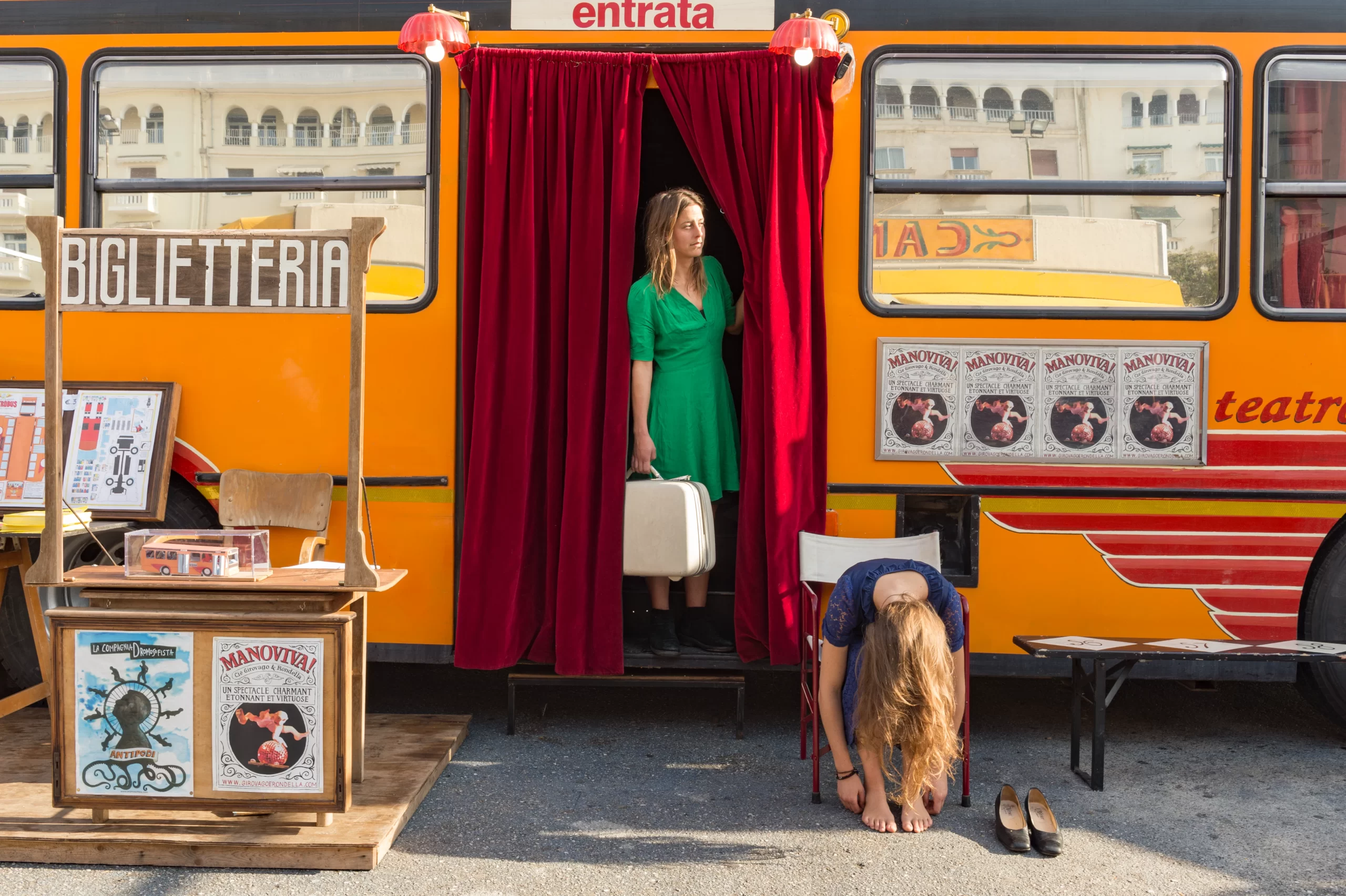
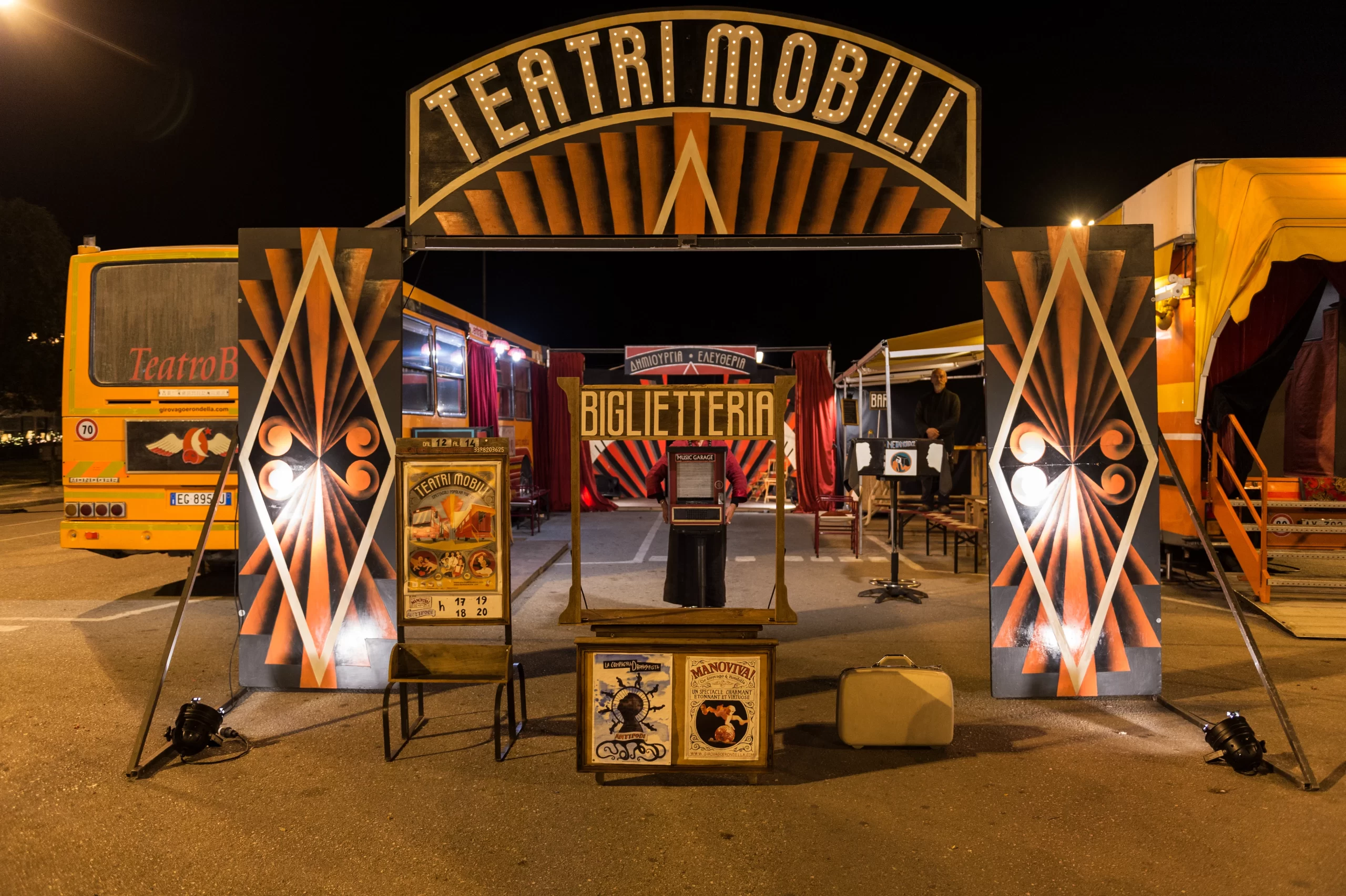
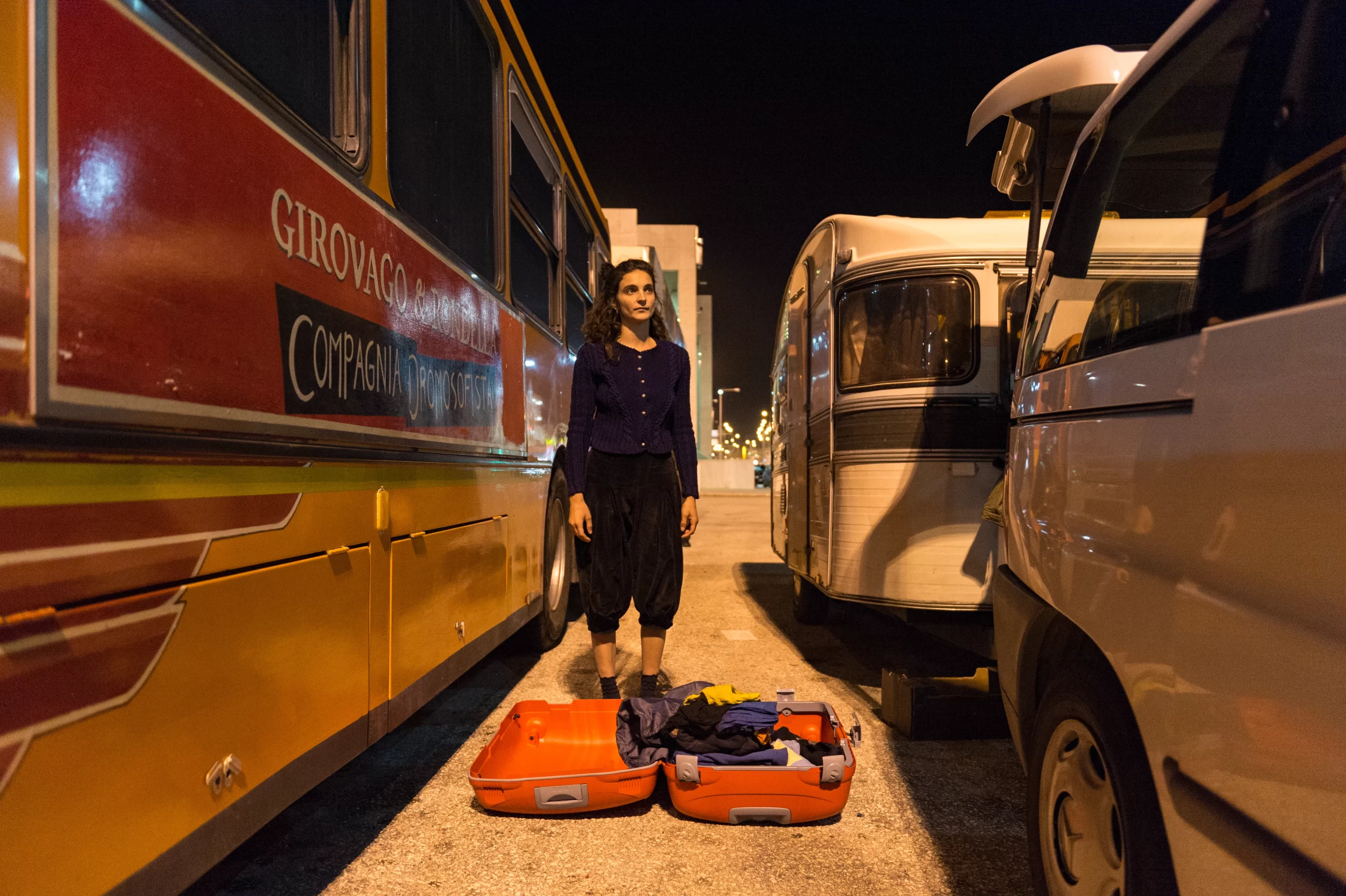
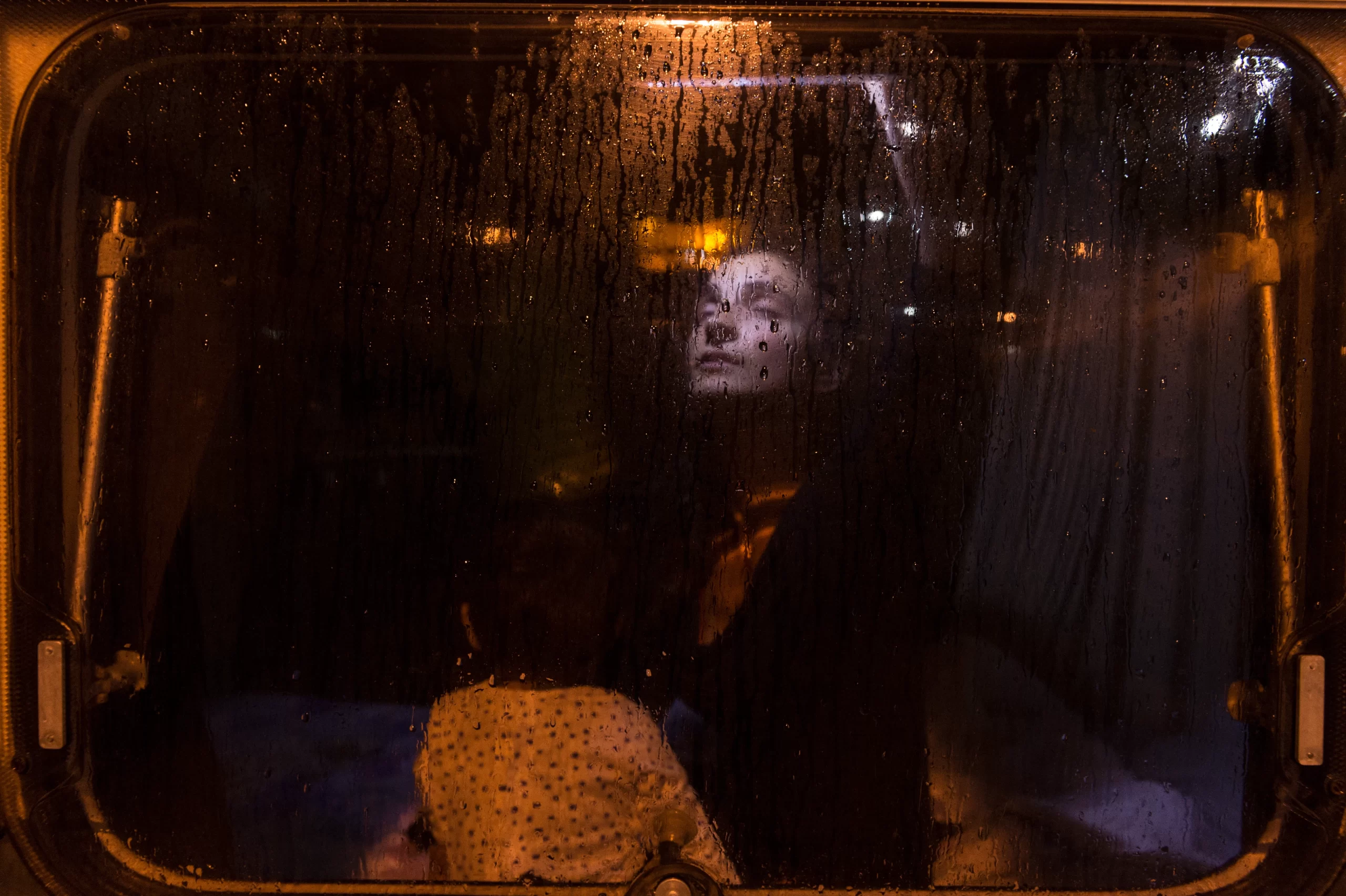
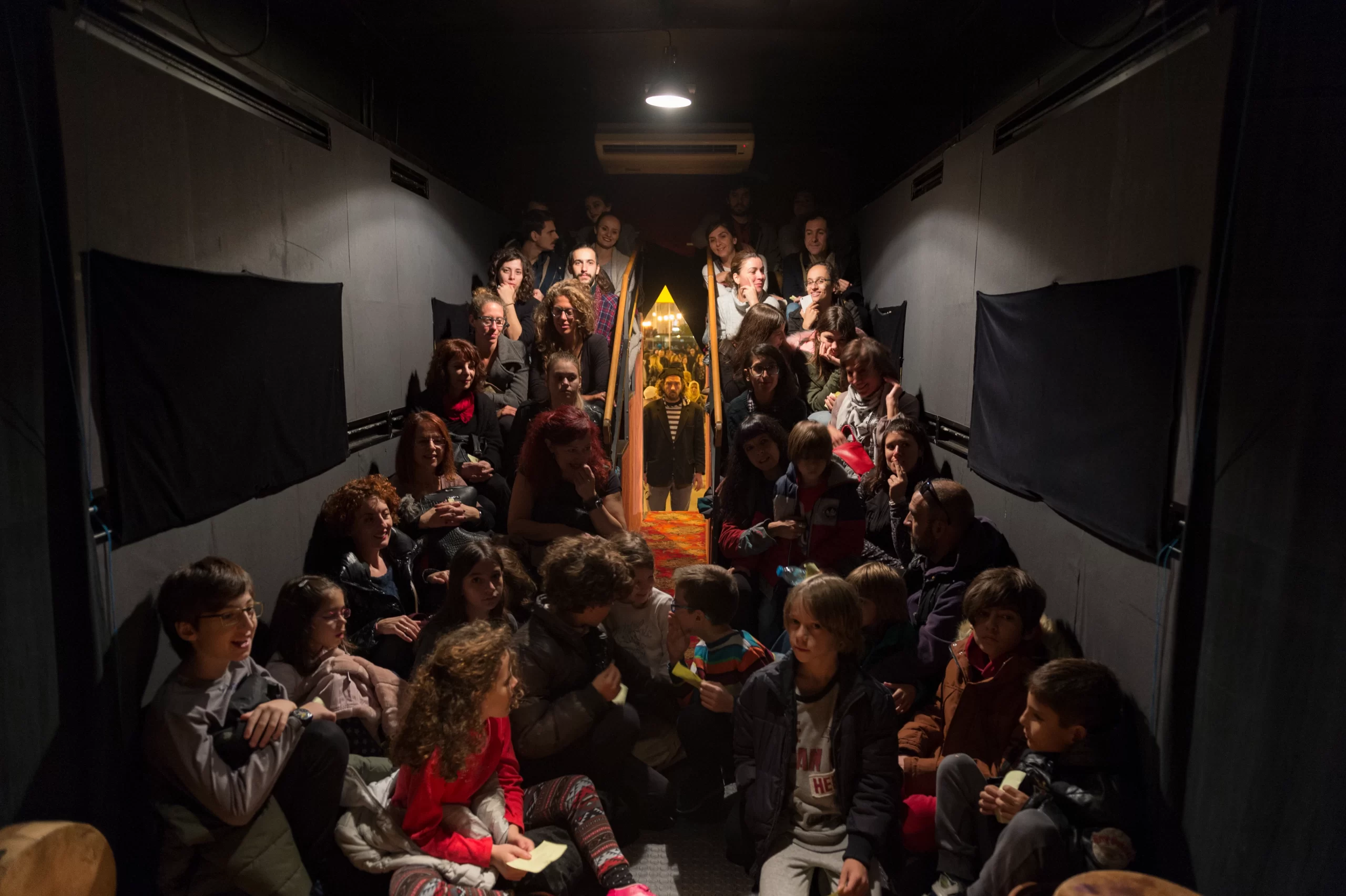
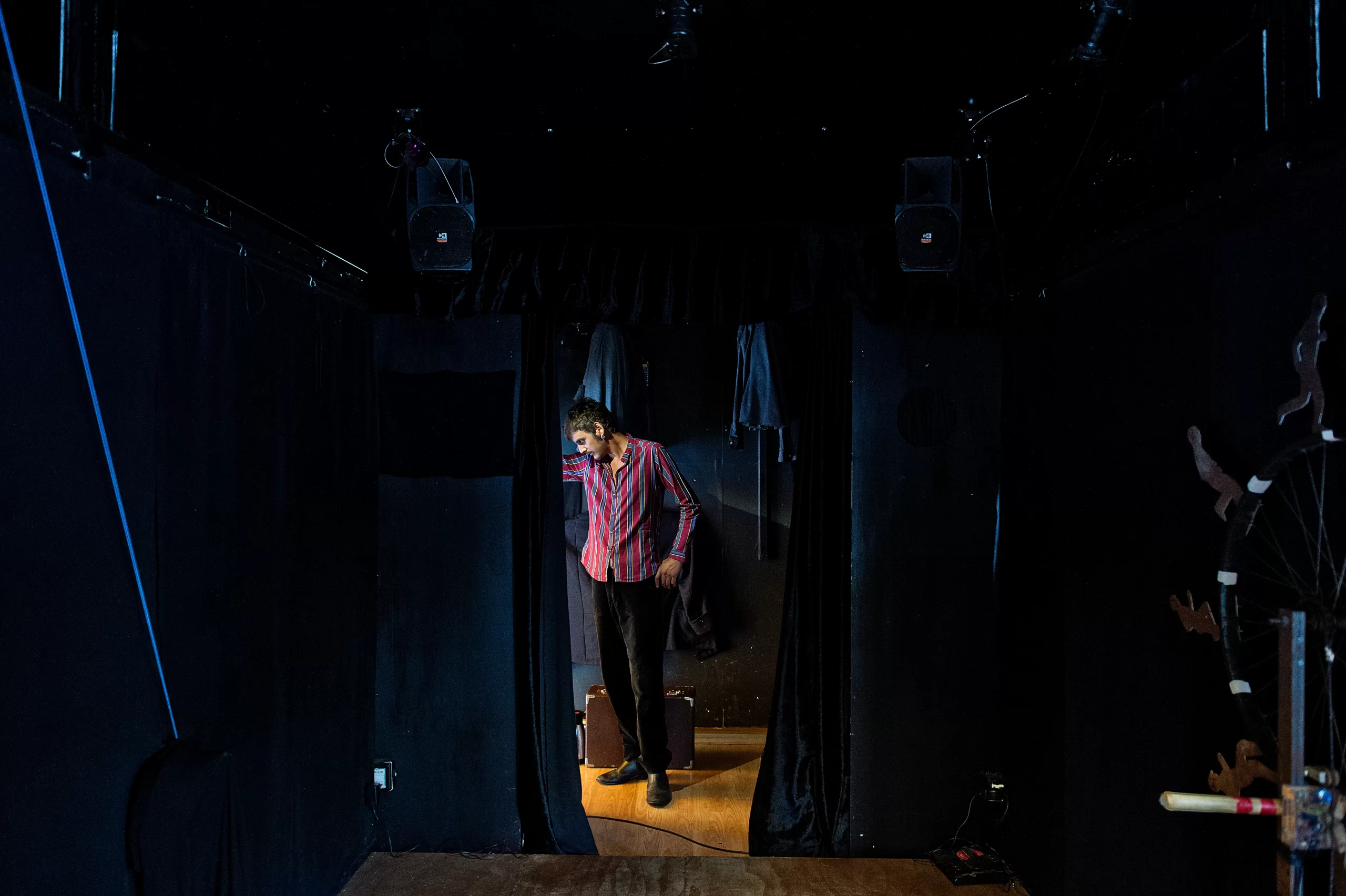
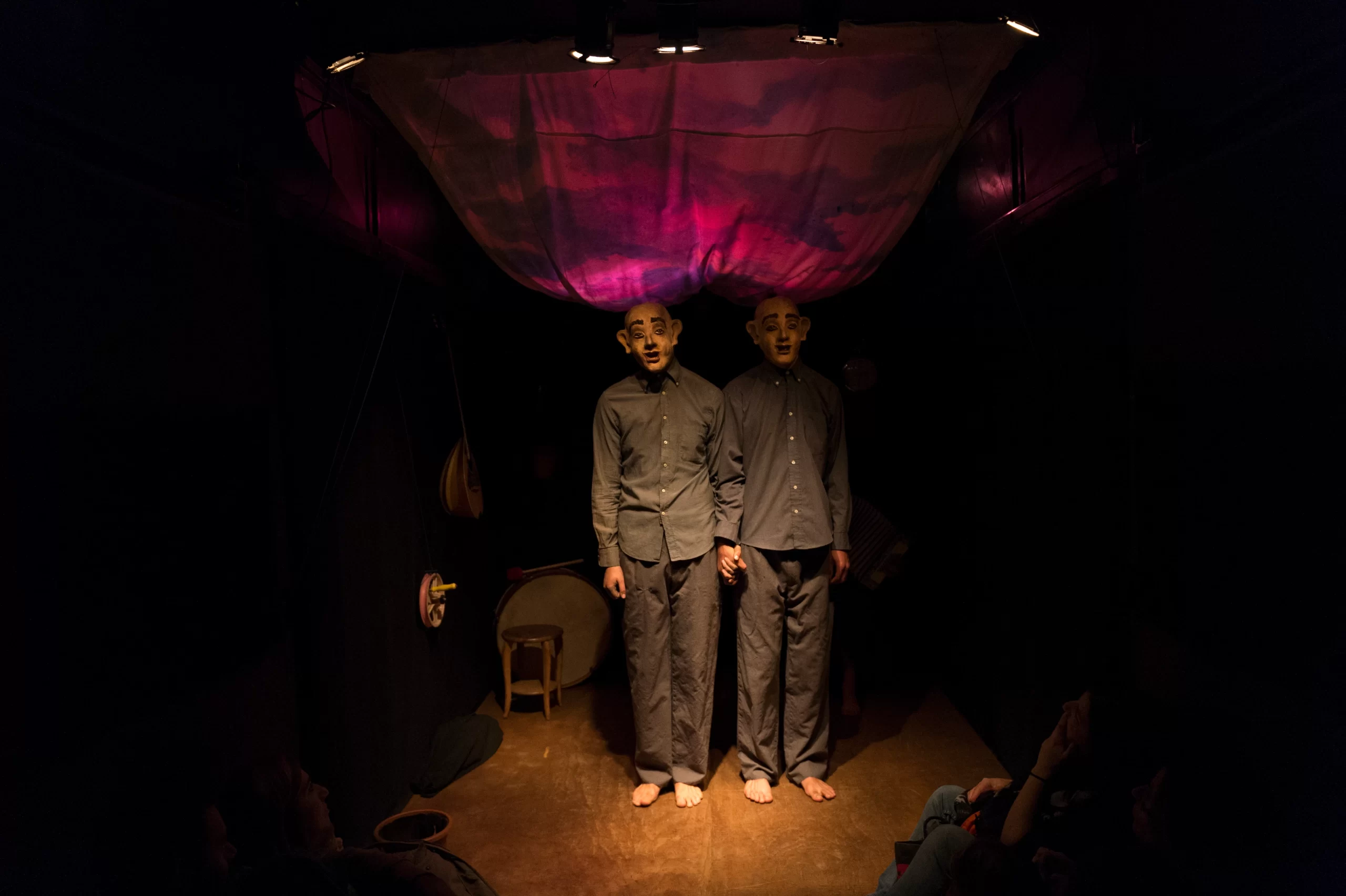
‘Teatri Mobili – Girovago and Rondella’, Italian puppeteers and South American artists move on a bus with their mobile theaters, telling the world their love story started 30 years ago in the Aegean Sea.
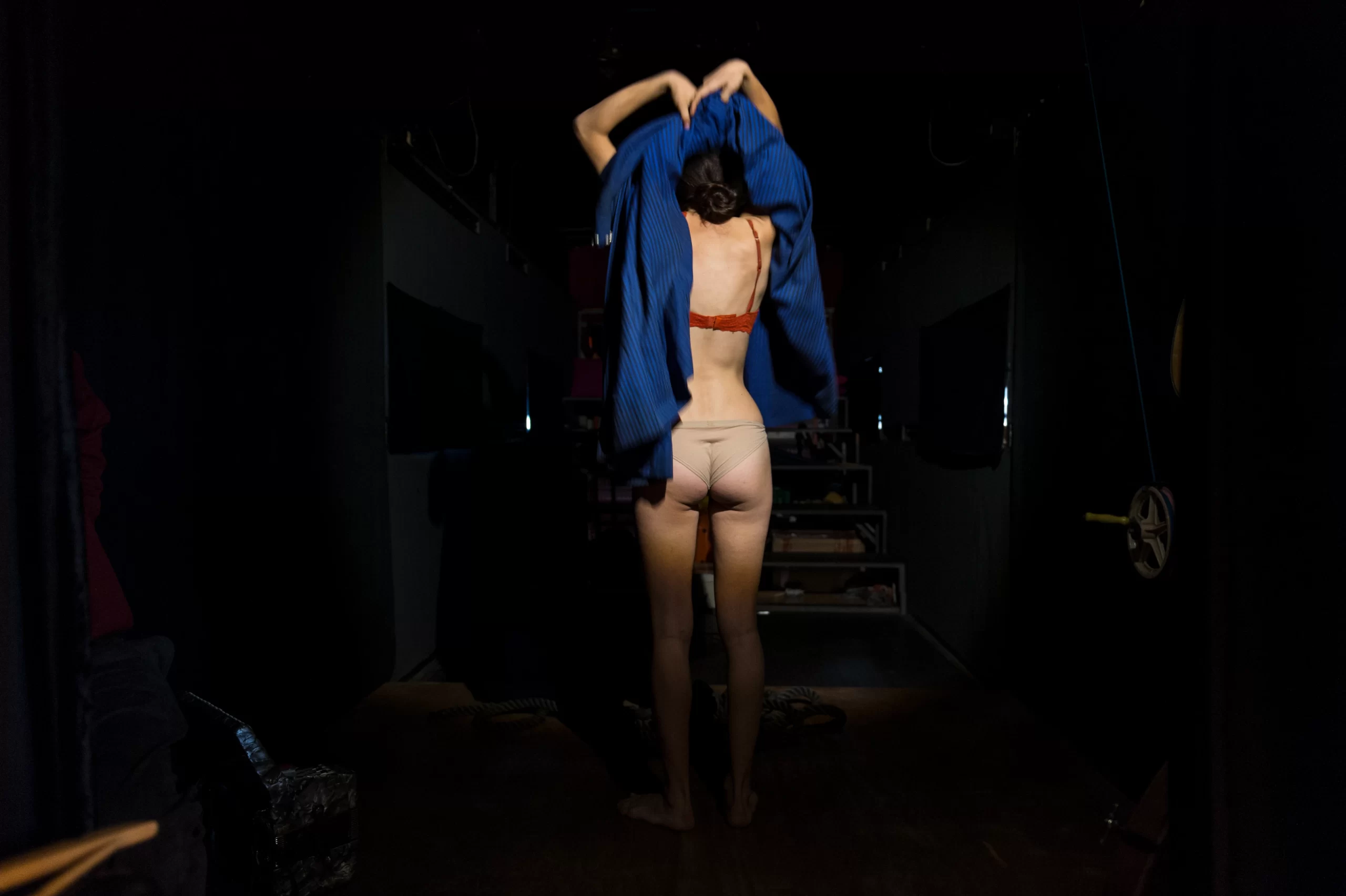
A crazy and surreal world in which real life mixes with fiction on the notes of original soundtracks, created specifically for the show.
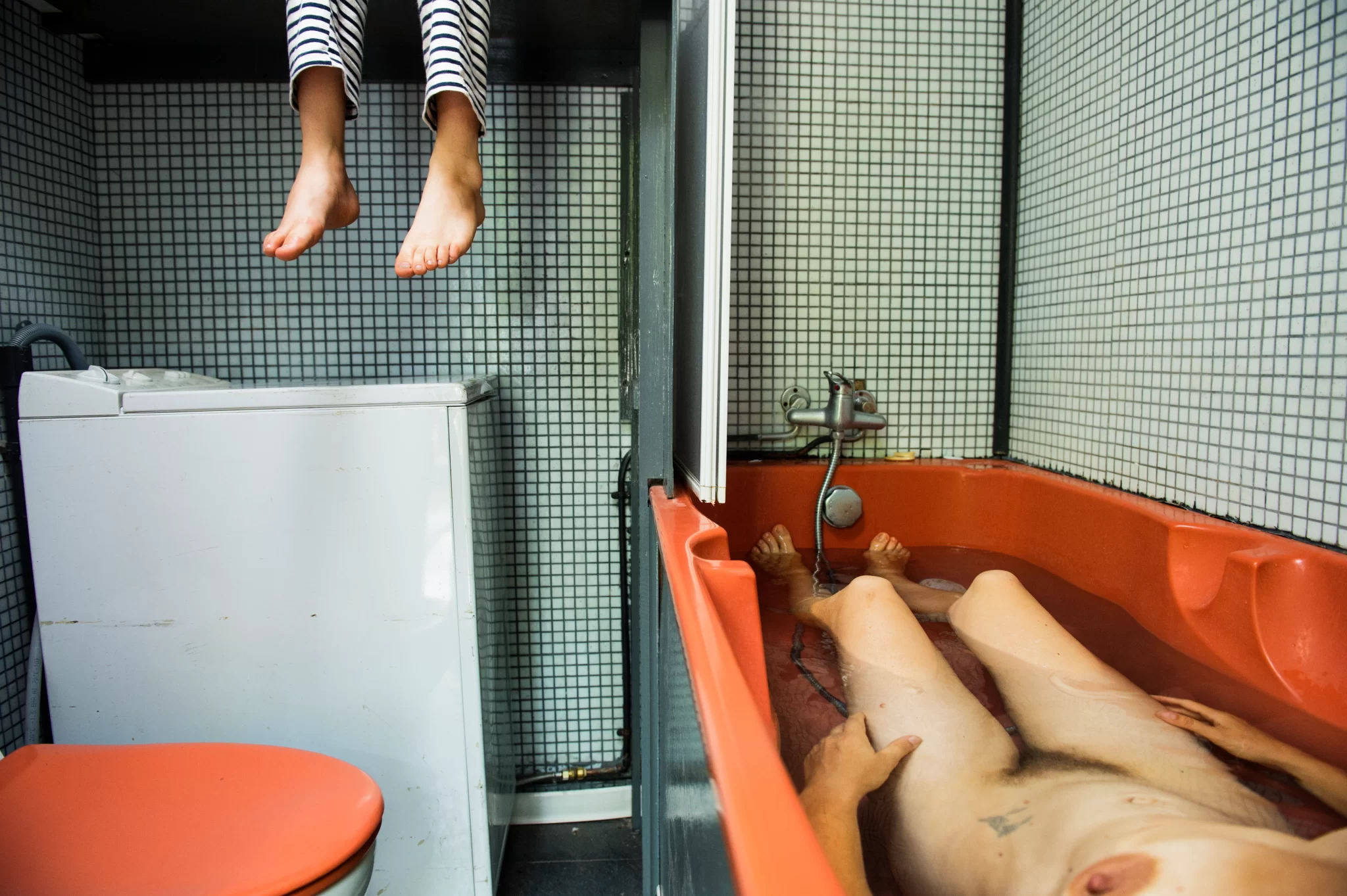
A story on nomadic families, that embody much more than a bohemian lifestyle. They are unconventional circuses, artists who have reinterpreted and enlarged the concept of traditional circus conceived by Barnum & Bailey with freaks and animals, an encounter and a union between many disciplines and arts.
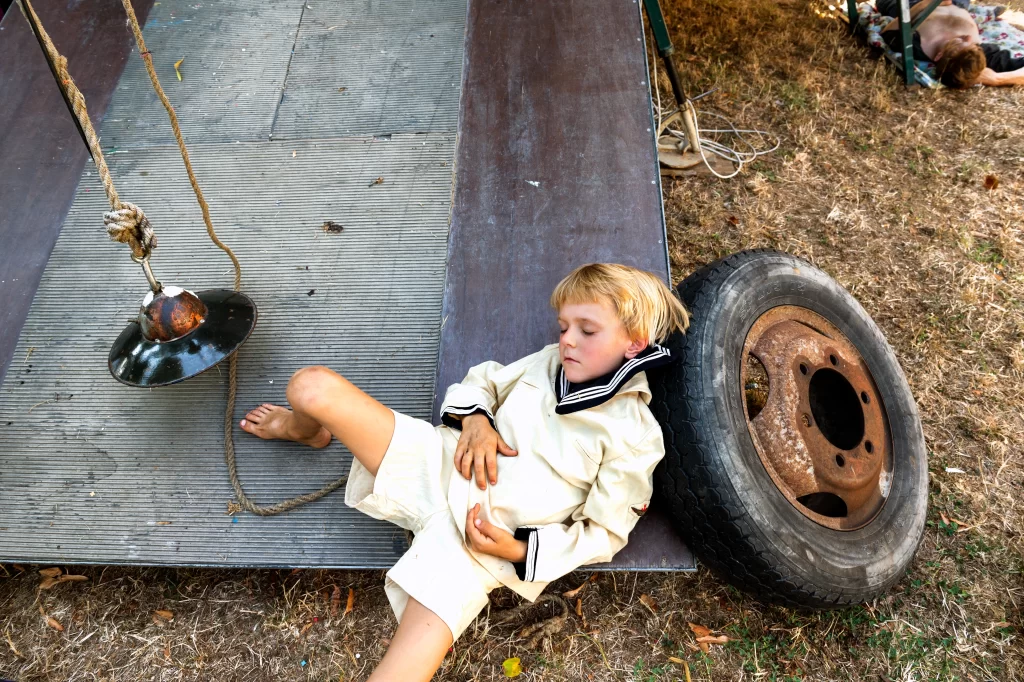
They live traveling the world and performing in international street art festivals, offering their show to those ready to perceive wonder and beauty. They can be considered part of the last heirs of an almost disappeared world.
These families who have consecrated their lives to modern circus art can, as far as possible, indicate a path of wisdom to the rest of the confused humanity of our days. These creative nomads base their social organization on the analytical, strategic and empathic abilities typical of women. The modern circus is a perfect car because it is guided by an illuminated matriarchy. A recovery of ancient philosophies.
The Circus so outdated, yet so perfect, like a symbol of a world without frontiers, a wheel, which spins and squeaks, relentlessly and without a pause.
The Circus with its delight and its despair is a metaphor for life.
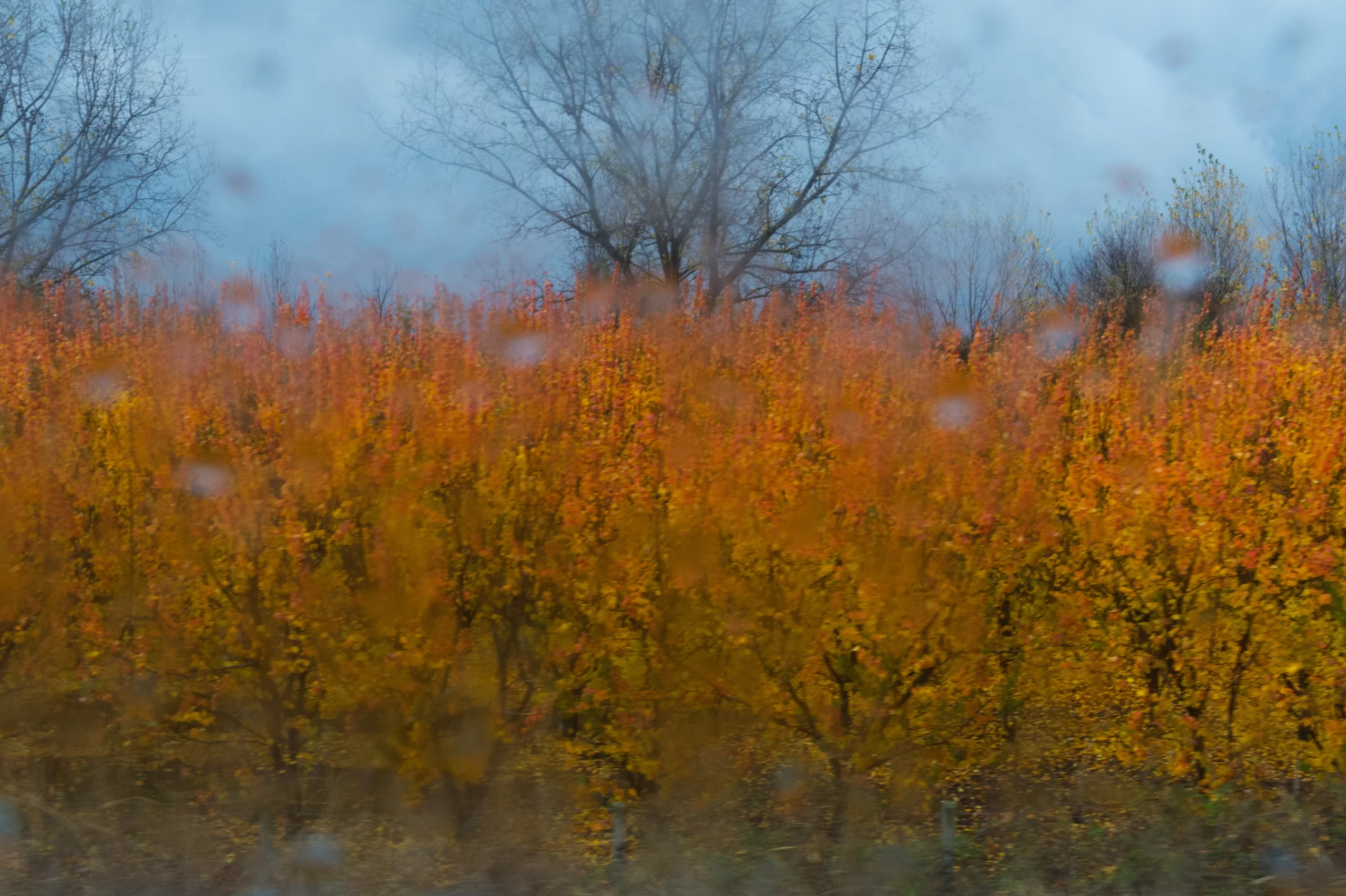
The Lives of the Artists are filled with love, victory and triumph, defeat and humiliation; nomadic lives which follow diagonal or circular routes, like the cycles of seasons.
The circus symbolizes both freedom and enslavement.
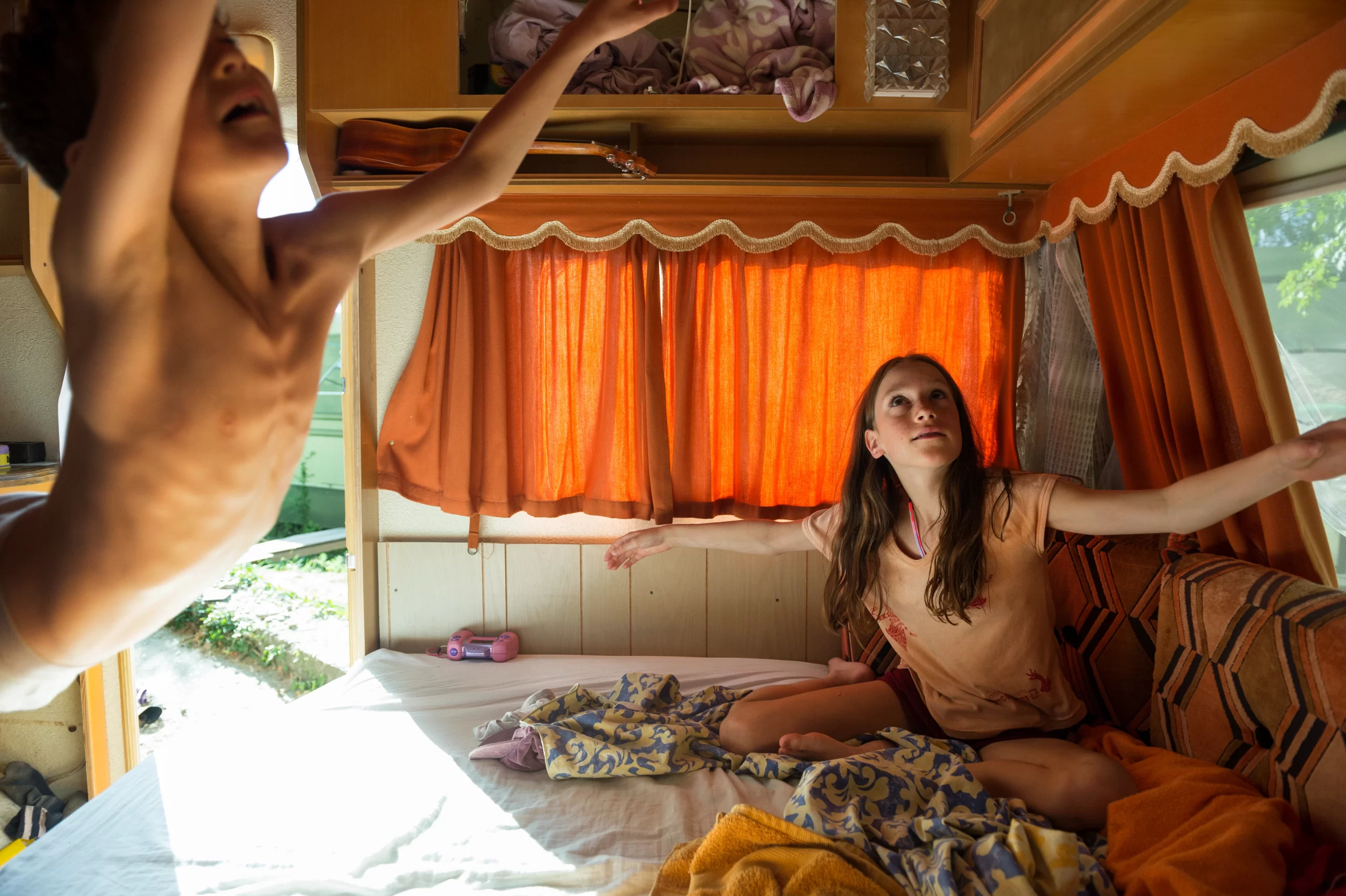
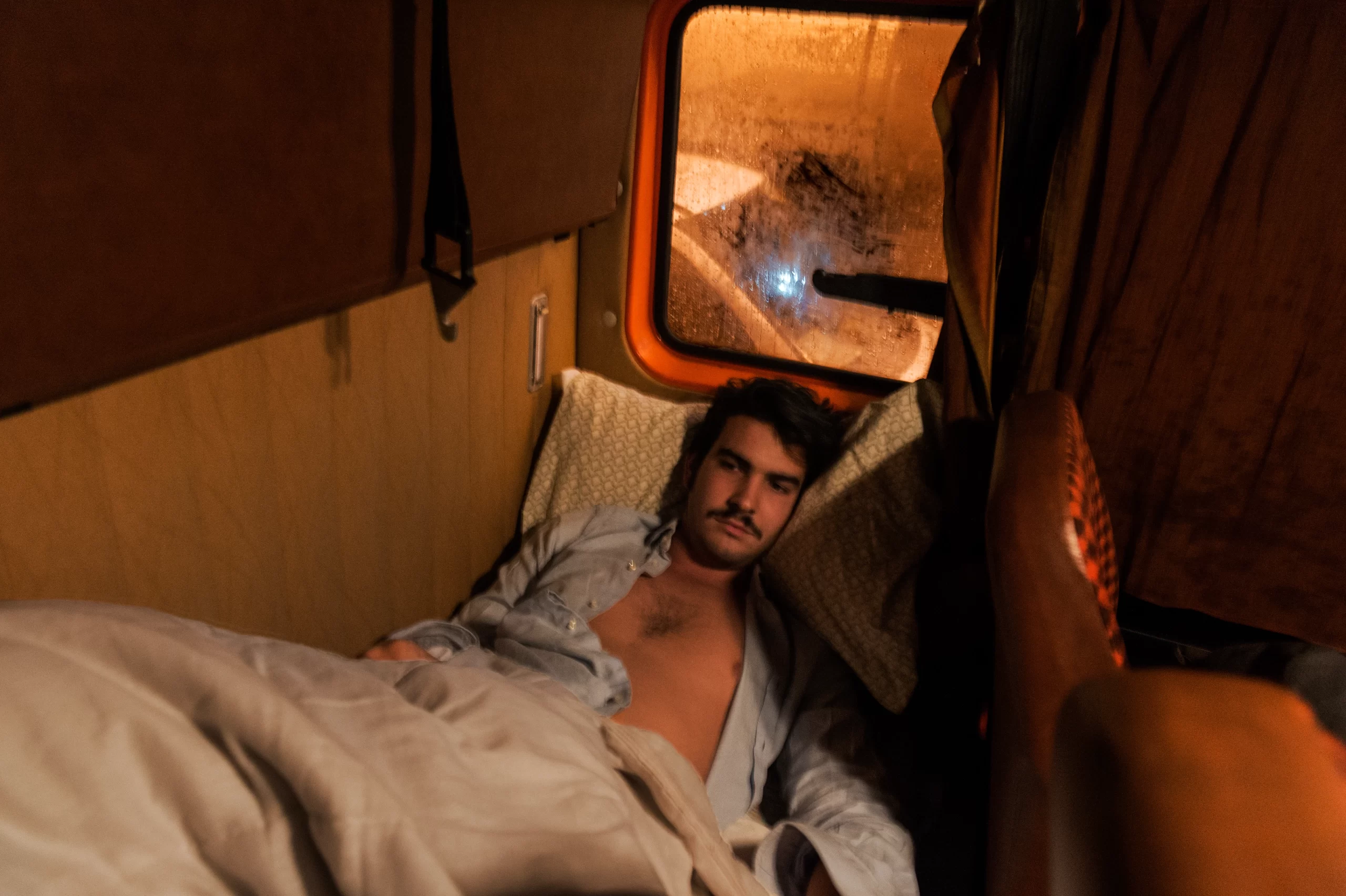
The liberty to not obey a master, nor borders. Slaves to relentlessly cold and rainy winters, which invade the precarious caravans and summers in which the suffocating sun beats down on the dusty roads to barter with one’s last breath.
They work for themselves, their families and fellow adventurers.
The circus is not only art and creativity, but also patience and preparation, physical training and manual labor; it consists of study, design, blood and sweat, working diligently for hours to come up with a new show and long days of grueling tests. All this perhaps with just a few dollars in your pocket and little food in your pantry, contented by your staging ground which could be the parking lot of a supermarket.
Its greatest virtue coincides with its own greatest limits; the impossibility of a definitive goal, the eternal search for something which just perhaps exists; or maybe not.
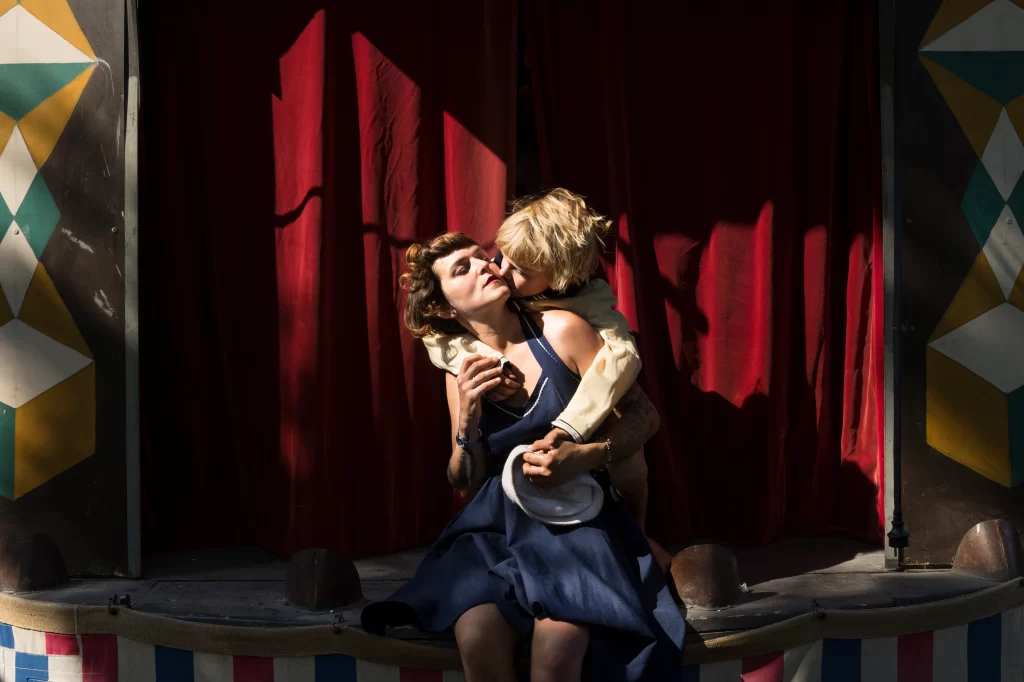
A confirmation that humanity still exist in this hyper technological world where the lives of people are decided by algorithms. This project is a scream of rebellion to reaffirm the human dimension, to highlight the priority need to recover sense of sharing, sense of family, the sublime ability to do things with our hands, rediscover a relationship with the Nature.
As the Italian novelist, Fabio Stassi once wrote in “Charlot’s last dance”: We are all tightrope walkers in precarious equilibrium on a thin wire, which is almost imperceptible. Only in the disorder called Love, any stunt is possible.